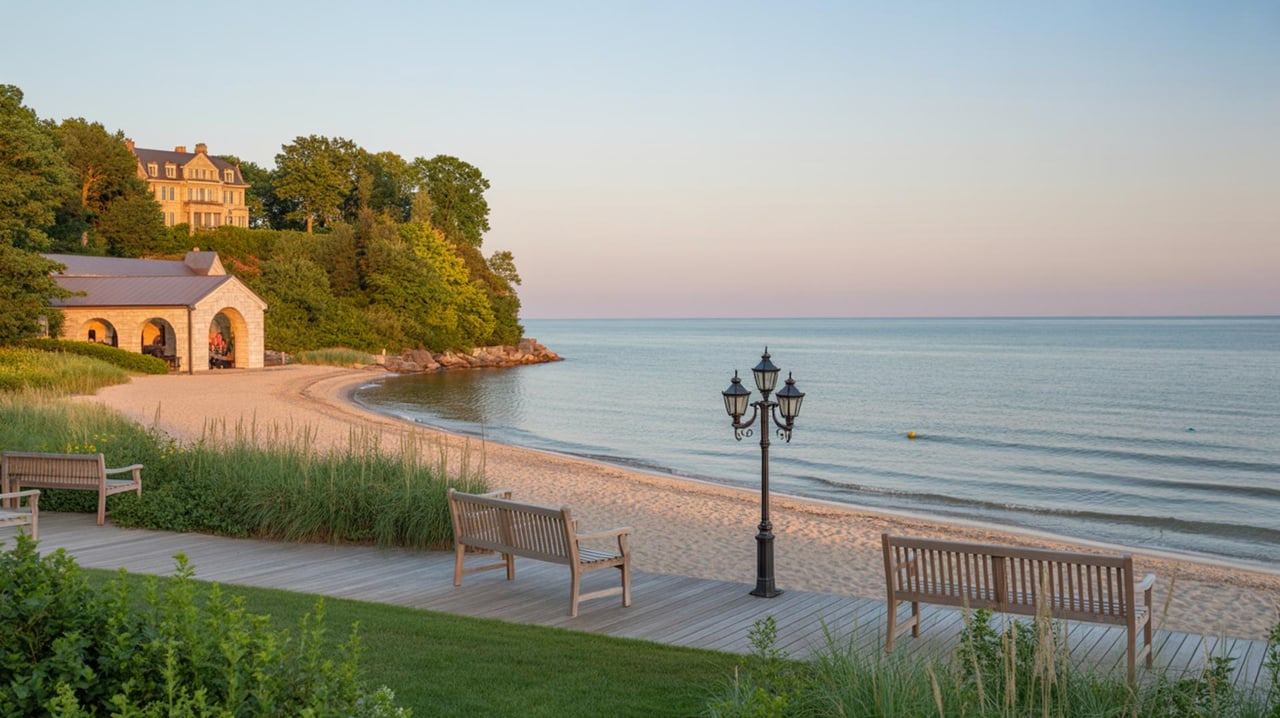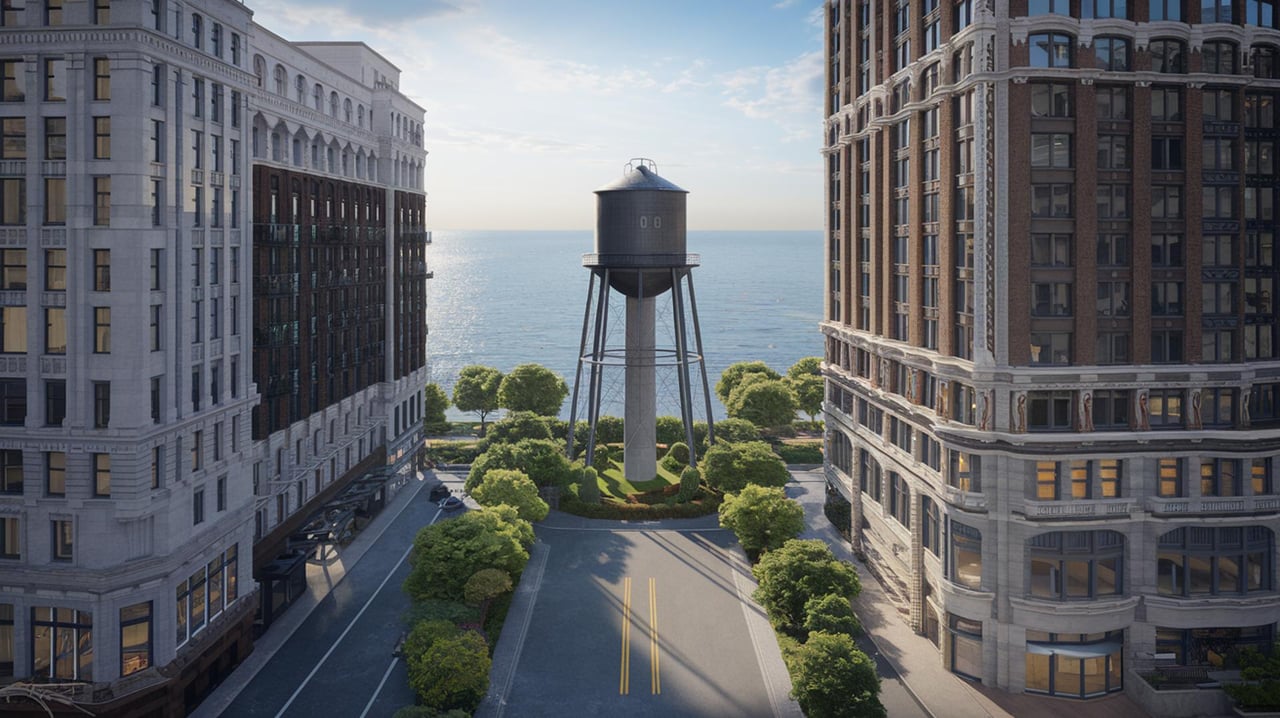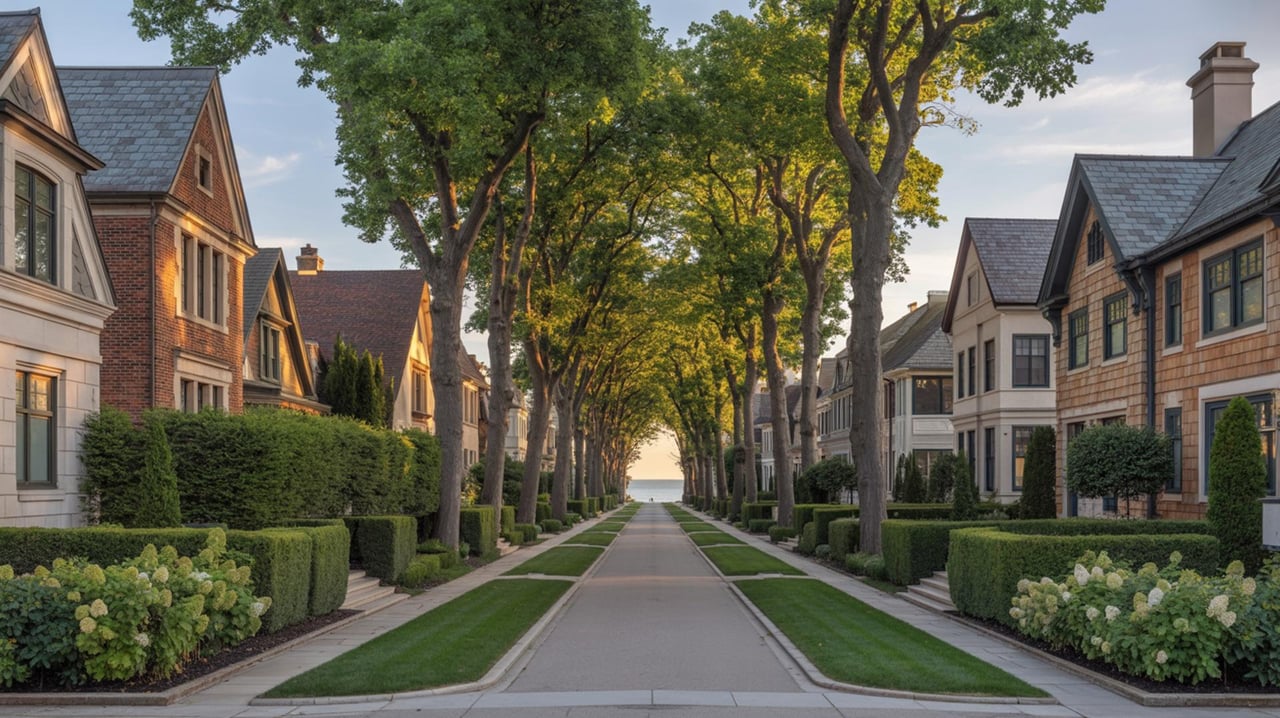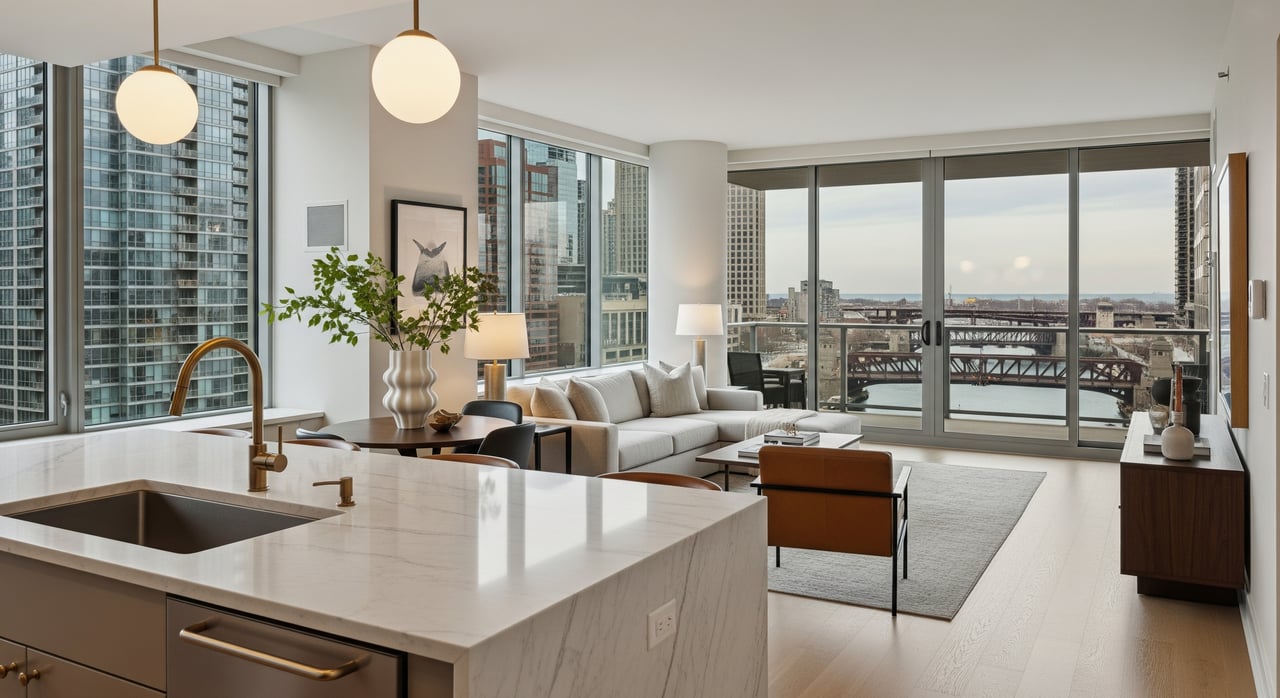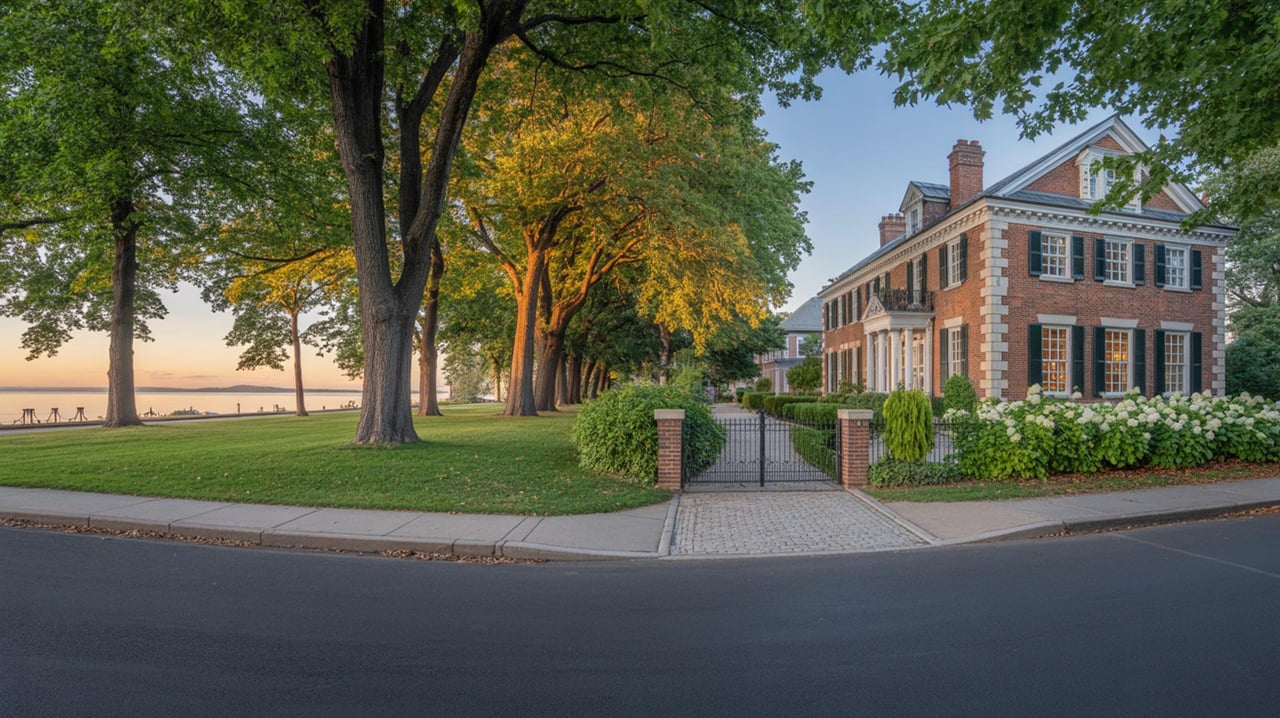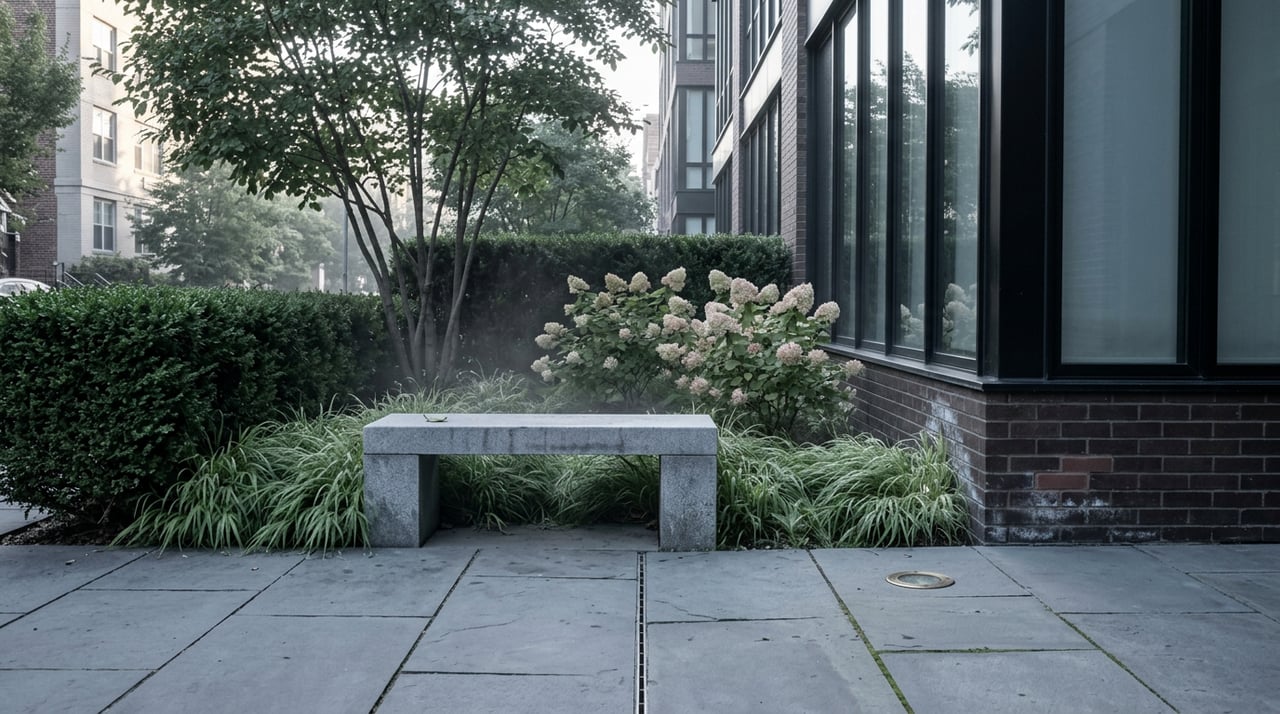
The Chicago Park District's listing for Park No. 546 notes that the park has no structured Park District programming and directs visitors to Maggie Daley Park, a few blocks south, for Park District-organized activities. Lakeshore East Park is 5.09 acres of grass, gardens, a dog run, and a ship-shaped playground maintained by the city.
The park also hosts community events beyond the Park District's structured programming. These events add to Lakeshore East's summer calendar.
A Park Too Small to Explain Itself
Five acres is not a big number, not next to the sprawling lakefront parks Chicago is known for. On a map, Lakeshore East Park reads like a courtyard, not a destination.
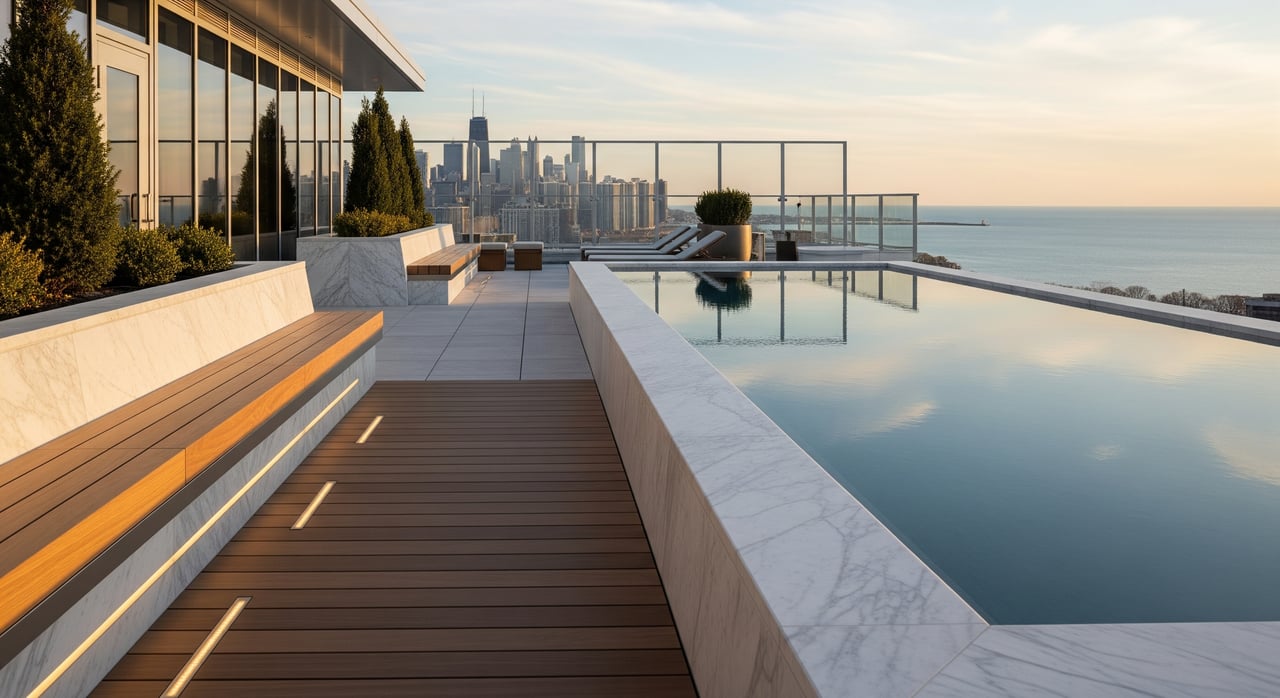
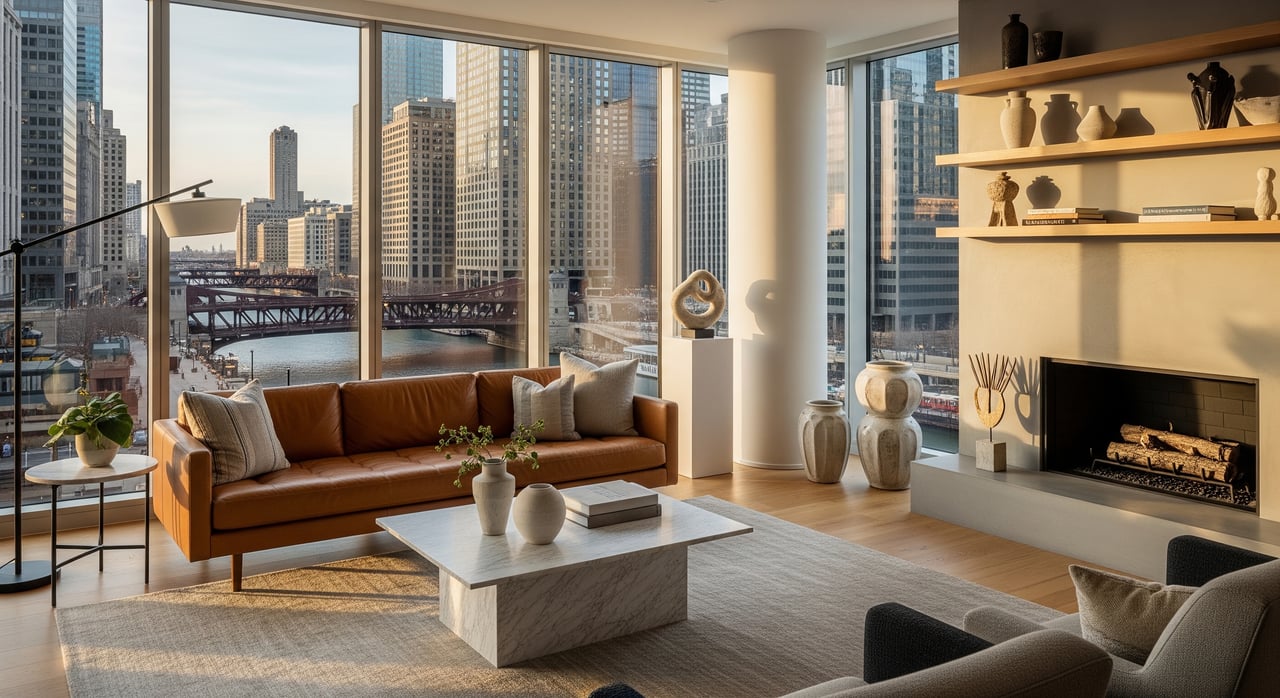
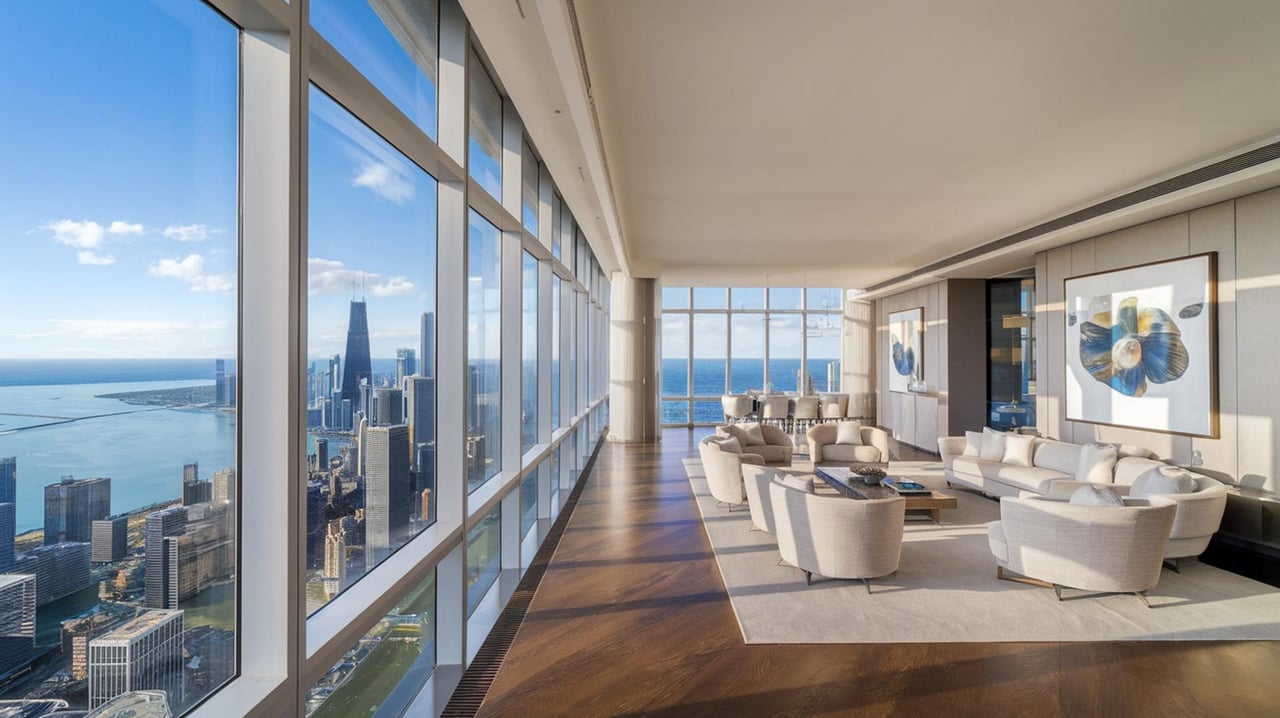
But acreage was never the point of this park. It was built as the literal center of the Lakeshore East master plan, the donut-shaped development that Magellan Development Group carved out of old Illinois Central rail yards starting in the early 2000s. Every tower around it, Aqua, 340 On The Park, The Shoreham, The Tides, Coast, was positioned to look at this park, not just near it. The land was donated to the Chicago Park District in 2004, which means the city owns the grass, but the neighborhood built its entire identity around it first.
That distinction matters more than it sounds like it should. At Lakeshore East Park, public ownership and privately organized events coexist.
Community Events Add to the Park's Summer Calendar
Alongside the Park District's listing, the Lakeshore East community has a summer events calendar on the lawn, including events associated with the original developer.
The Annual Magellan Rewards Festival in the Park landed on Saturday, June 6, this year, running from 11 a.m. to 2 p.m. It's not a Park District event. It's a Magellan Development Group event, built around local retailers, restaurants, wellness providers, and pet care businesses, with complimentary strength, Pilates, and cardio boxing classes staged at the Grand Staircase.
The same goes for Skyline Summer, the community's outdoor movie series at The Park at Lakeshore East, 450 E. Waterside Drive. Pre-show entertainment typically starts around 7 p.m., with the film rolling at sundown, close to 8:30; the screenings are separate from Park District programming.
These scheduled events are only part of the park's summer use; its public amenities also serve visitors on ordinary days.
What the Day Actually Looks Like on That Lawn
The park's uses shift through the day.
Early morning belongs to the dog park at 450 E. Benton Place, open 6 a.m. to 11 p.m. daily. It's a small, fully fenced run with artificial turf and a dedicated water fountain, and it requires a $10 Dog Friendly Area permit good for the calendar year, January through December, available at participating vet offices with proof of rabies vaccination. With its long daily hours, the run gives dog owners an option at both ends of the day.
By midmorning the crowd shifts toward Village Market, the retail cluster on the park's south side anchored by Mariano's at 333 E. Benton Place. Eggy's, the family-style diner in the same stretch, catches the breakfast crowd. Office workers from the Illinois Center side of New Eastside, the commercial half of the neighborhood built in the 1960s before Lakeshore East existed, start filtering in around lunch, often ending up at III Forks for something heavier or Mezcalina if they want the Mexican menu instead.
Afternoons on hot days belong to the interactive water-spray feature in the playground, aimed at the two-and-up crowd, with the ship-shaped play structure doing double duty as shade for the parents watching from the covered seating nearby.
Evening brings a different set of neighborhood options. Residents heading toward the Riverwalk's east end for a happy hour can reach Island Party Hut, TacoRio at 457 E. Riverwalk, or The Northman Beer & Cider Garden in a few minutes on foot, no car required. On Skyline Summer nights, the park itself becomes the destination instead of a pass-through, blankets out before the pre-show even starts.
What's Left Before the Season Resets
As of August 27, this neighborhood is in the narrow window where some of the summer's private programming has already wrapped and some of it hasn't.
The Millennium Park Summer Film Series at Jay Pritzker Pavilion, a few blocks south, ran its last Tuesday screening on August 18. That one's done for the year.
Navy Pier's fireworks are not. The 2026 season runs through September 5, with shows every Wednesday at 9 p.m. and every Saturday at 10 p.m. From this point forward, that leaves three dates on the calendar: Saturday, August 29, Wednesday, September 2, and the season finale on Saturday, September 5. Every one of them is visible from the lakefront edge of the neighborhood without a ticket or a reservation.
The Daley Plaza Farmers Market, an easy walk for anyone working downtown, keeps running Thursdays from 7 a.m. to 2 p.m. through October 22, well past the point most people assume Chicago's market season ends.
And the dog park doesn't pause for any of it. That $10 permit is good through December, regardless of what the movie screen or the festival calendar is doing.
The takeaway is that Lakeshore East Park's summer calendar includes community events as well as public amenities. This distinction helps residents understand how the activities on the lawn are organized and what to expect in future seasons.
If you already call one of these towers home, keep the park's mix of community events and public amenities in mind when considering what this neighborhood will look like five years from now, long after this summer's calendar has cycled through again.
For those thinking about where a park like this fits into a longer-term move, whether that means trading a one-bedroom for a two, or comparing New Eastside against another downtown pocket, Cara Buffa has spent three decades tracking exactly this kind of neighborhood detail across downtown Chicago. Work directly with Cara to request a personal consultation.
This article is general information, not legal, tax or financial advice. Consult a qualified professional about your situation.