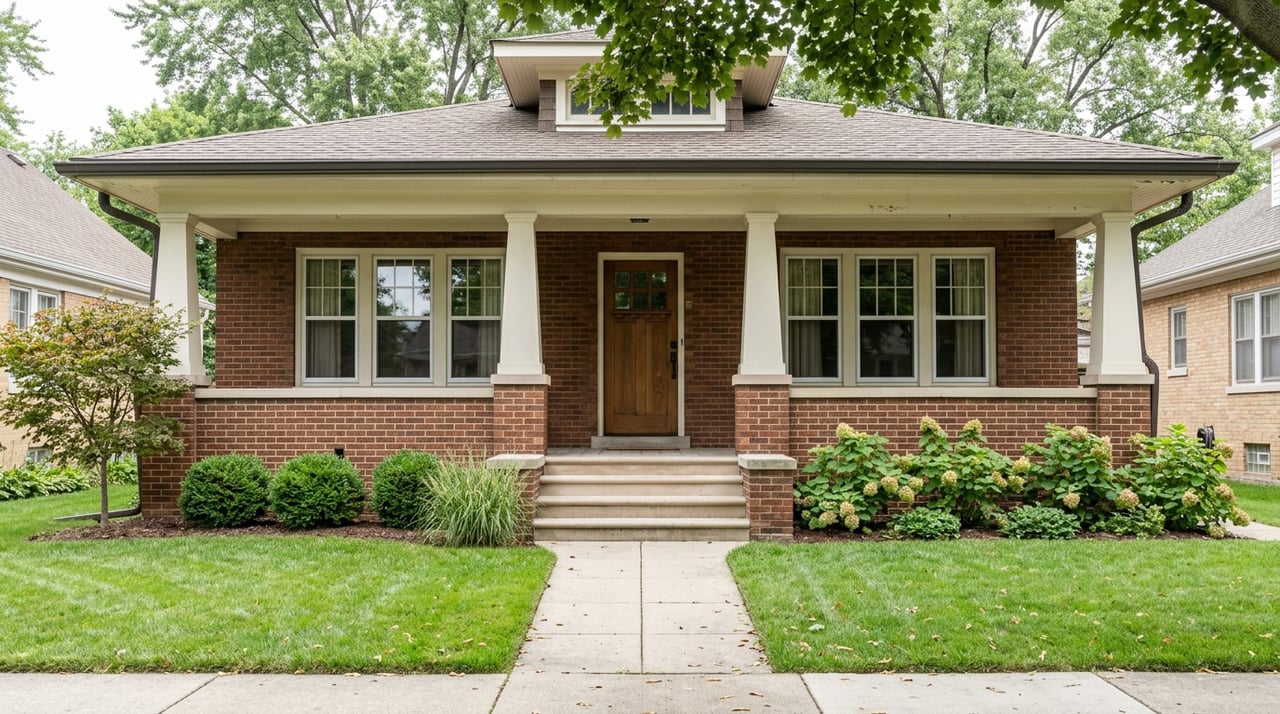
Thinking about trading a vintage Chicago flat for an Oak Park bungalow? You are not just comparing square footage or commute times. You are choosing between two very different ownership experiences, and that choice affects how you live day to day, what you maintain, and how flexible the property may feel over time. If you are weighing city convenience against detached-home living, this guide will help you sort through the real differences. Let’s dive in.
Two Home Types, Two Ownership Models
An Oak Park bungalow and a vintage Chicago flat can both offer character, history, and strong regional appeal. Still, they usually represent very different housing forms. In Oak Park, 40.4% of the housing stock was single-family in 2024, while in Chicago that figure was 25.6%.
That gap matters because it shapes the market around you. Moving to an Oak Park bungalow often means moving toward detached-home ownership in a more owner-occupied setting. Staying in a vintage city flat usually means staying in a denser multiunit market with a different pace and structure.
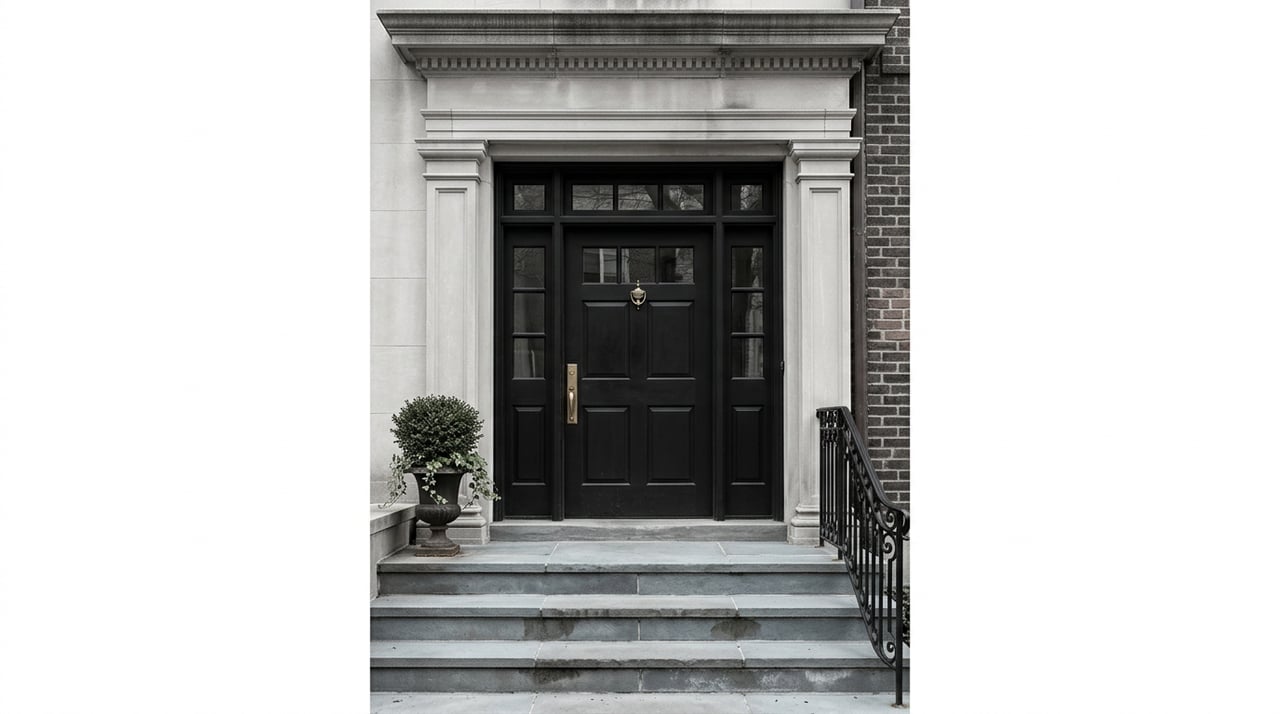
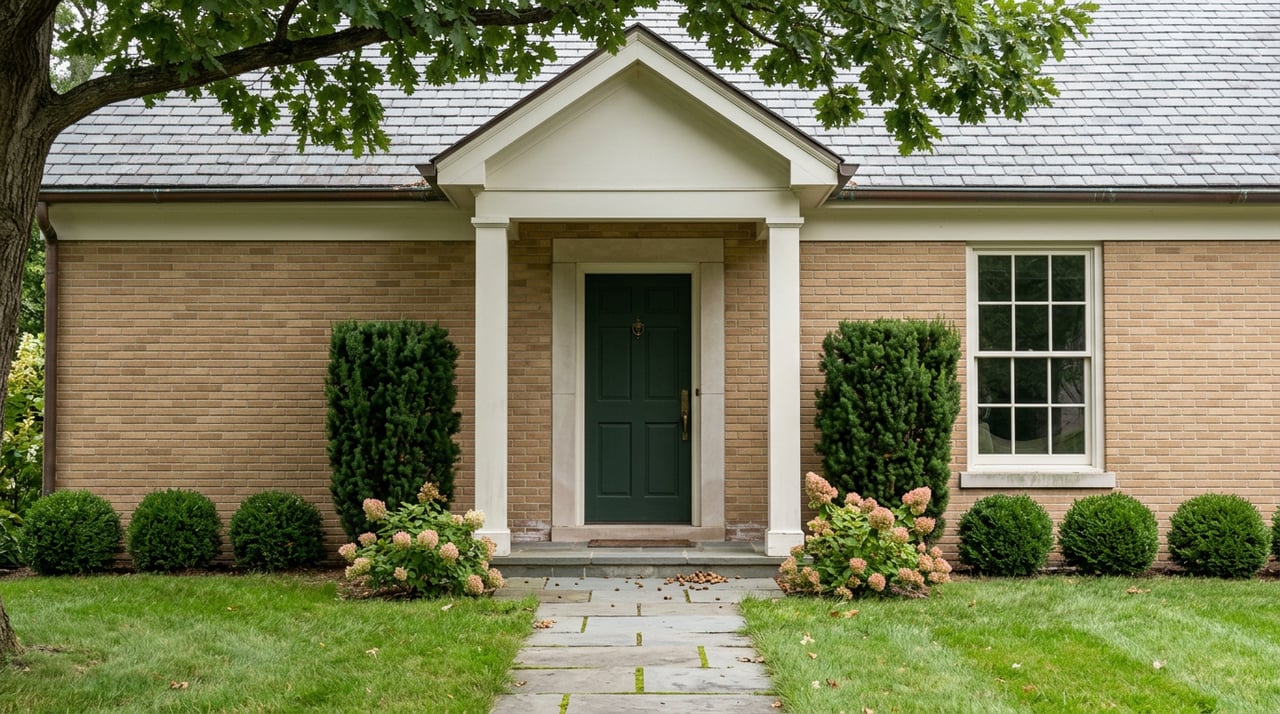
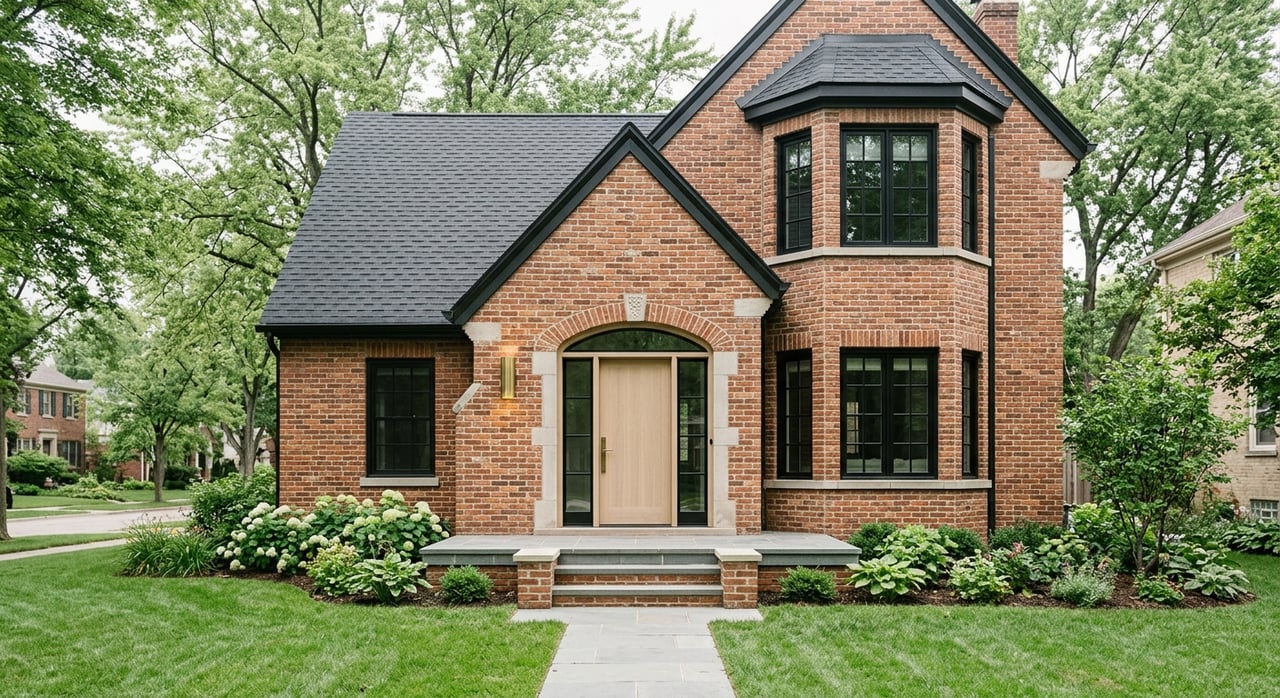
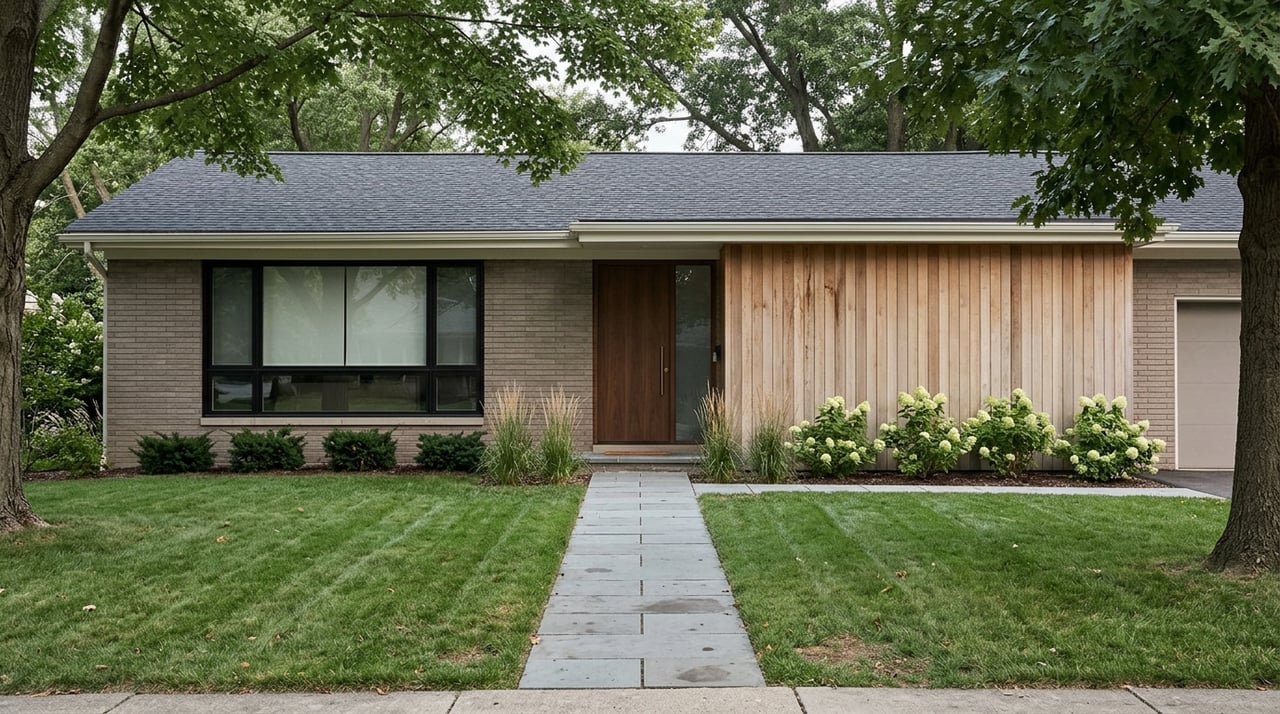
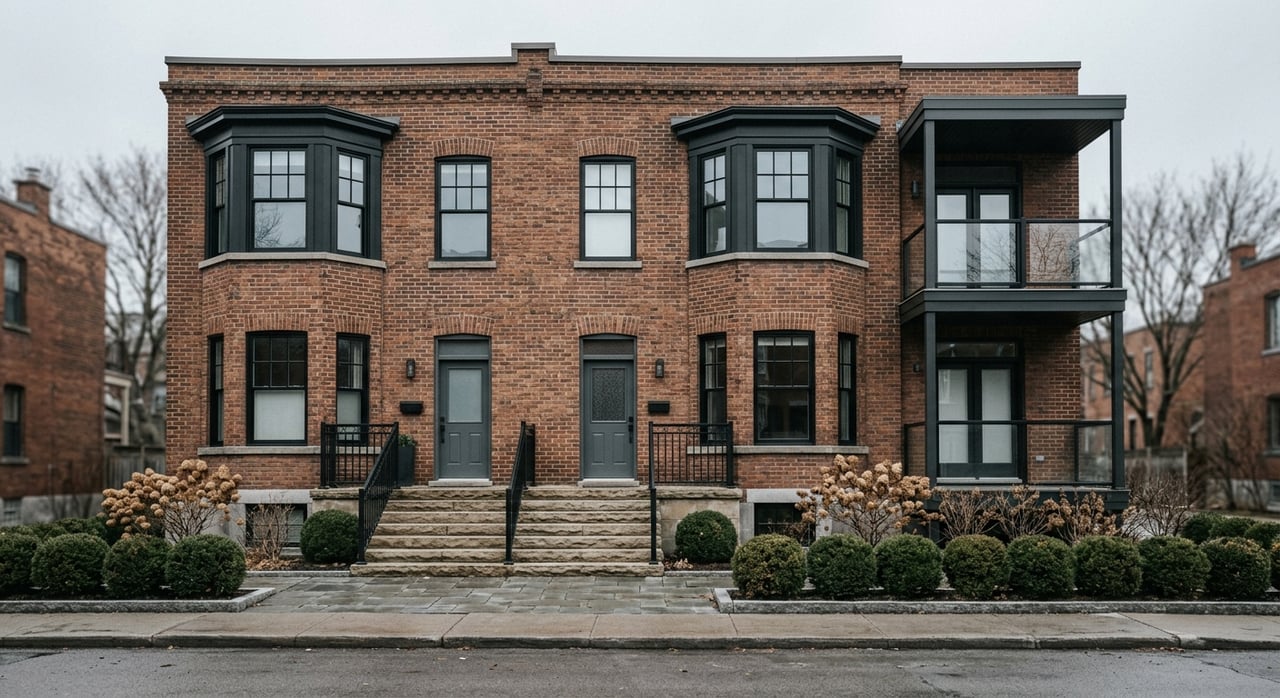
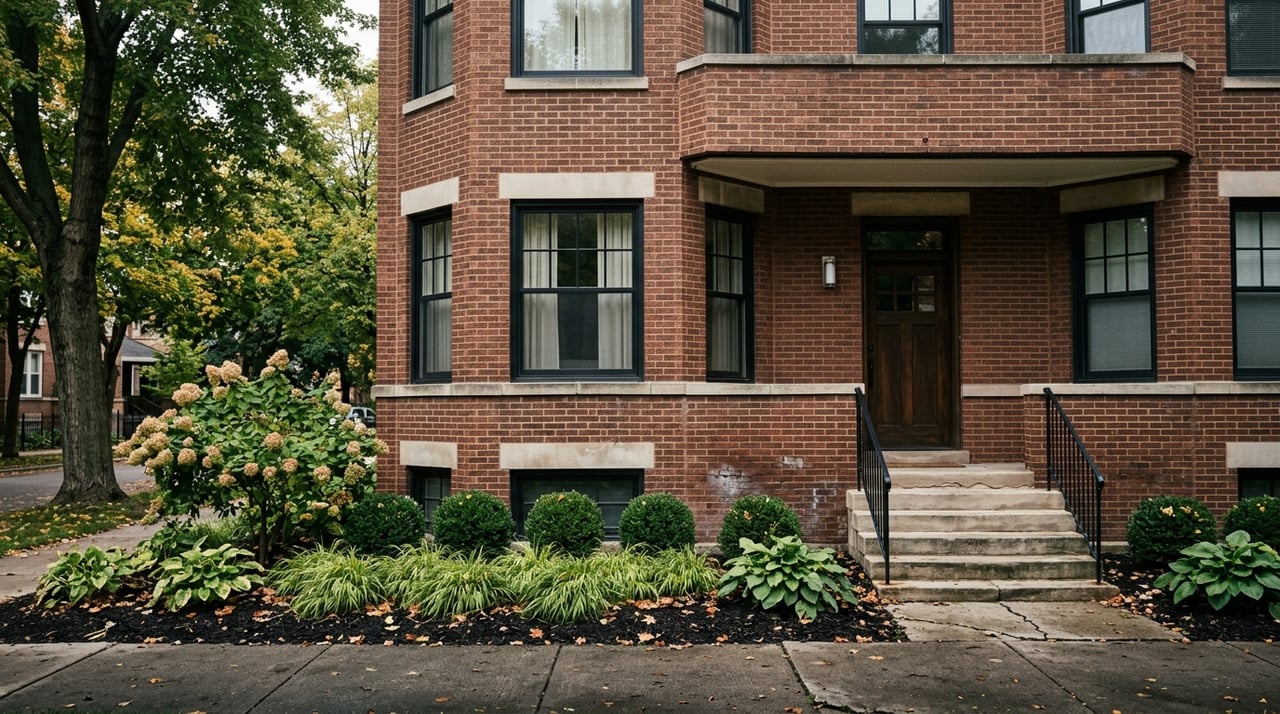
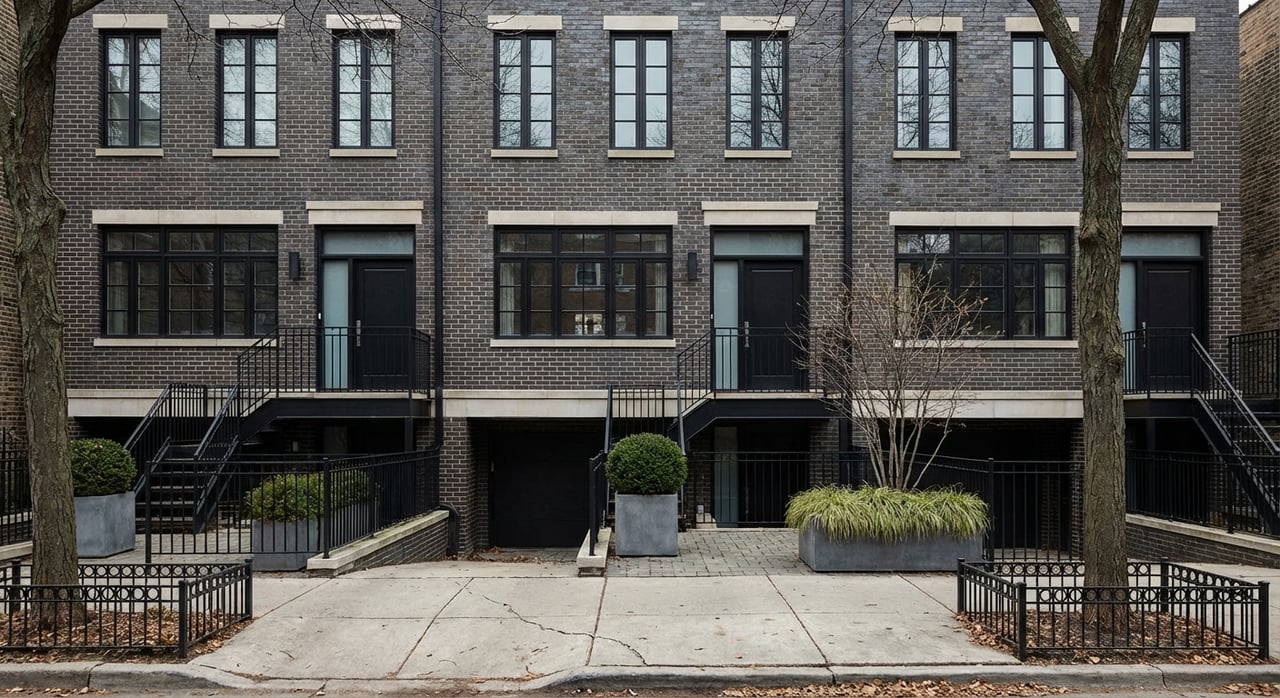
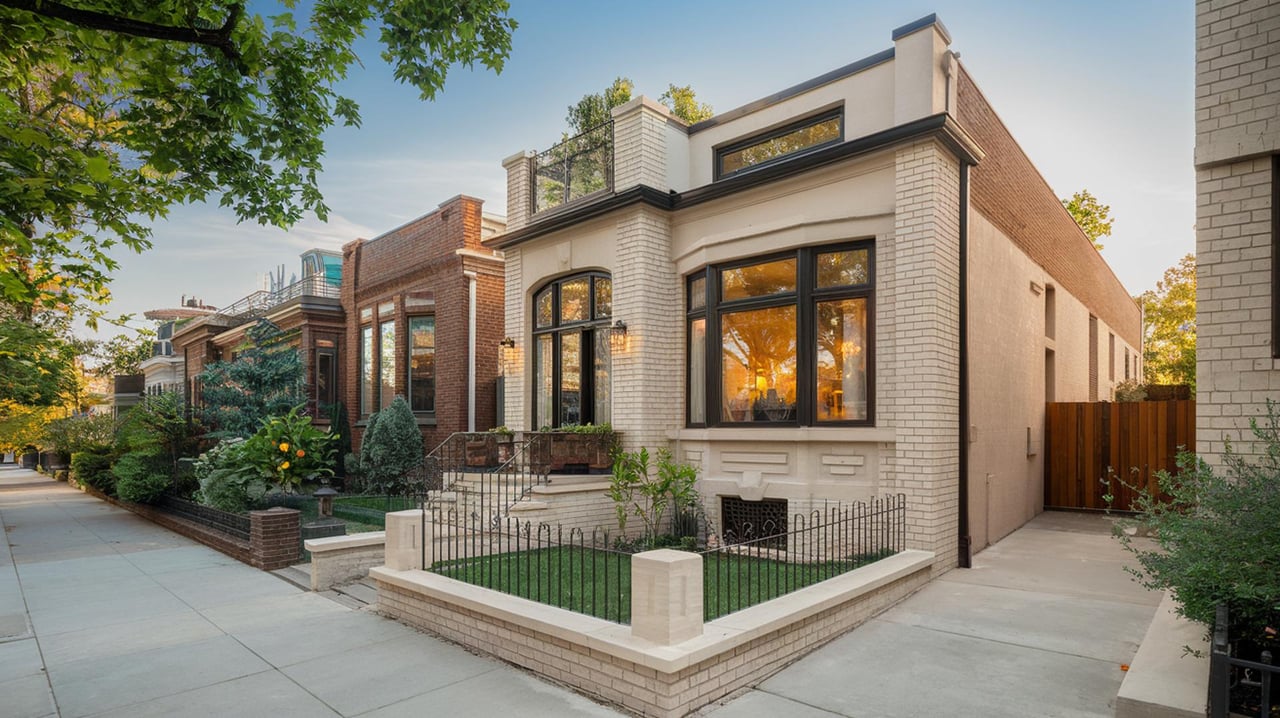
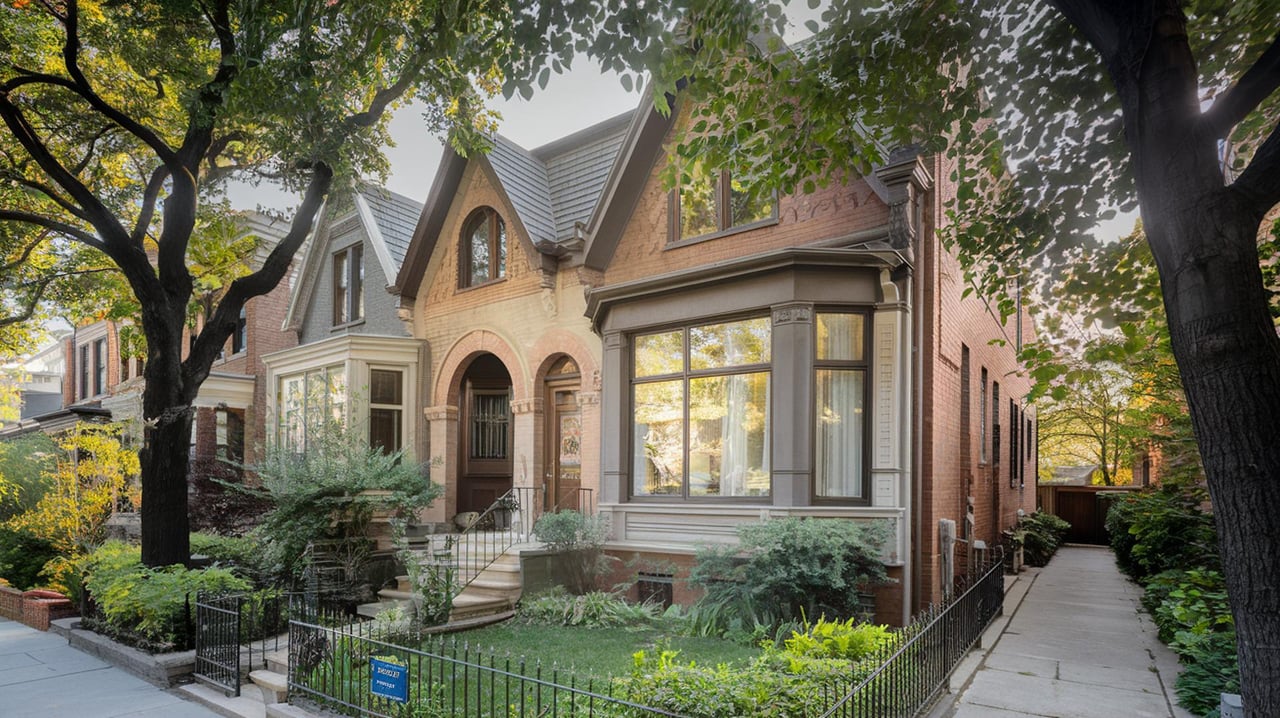
Chicago’s two- and three-flats are one of the city’s defining housing types. They are typically brick or stone buildings with side-entry porches, projecting bays, small front yards, and narrow gangways. By contrast, a bungalow was designed as a single-level family house on a narrow lot, often with unfinished attic space that owners later adapted for additional bedrooms.
How Oak Park Feels Different
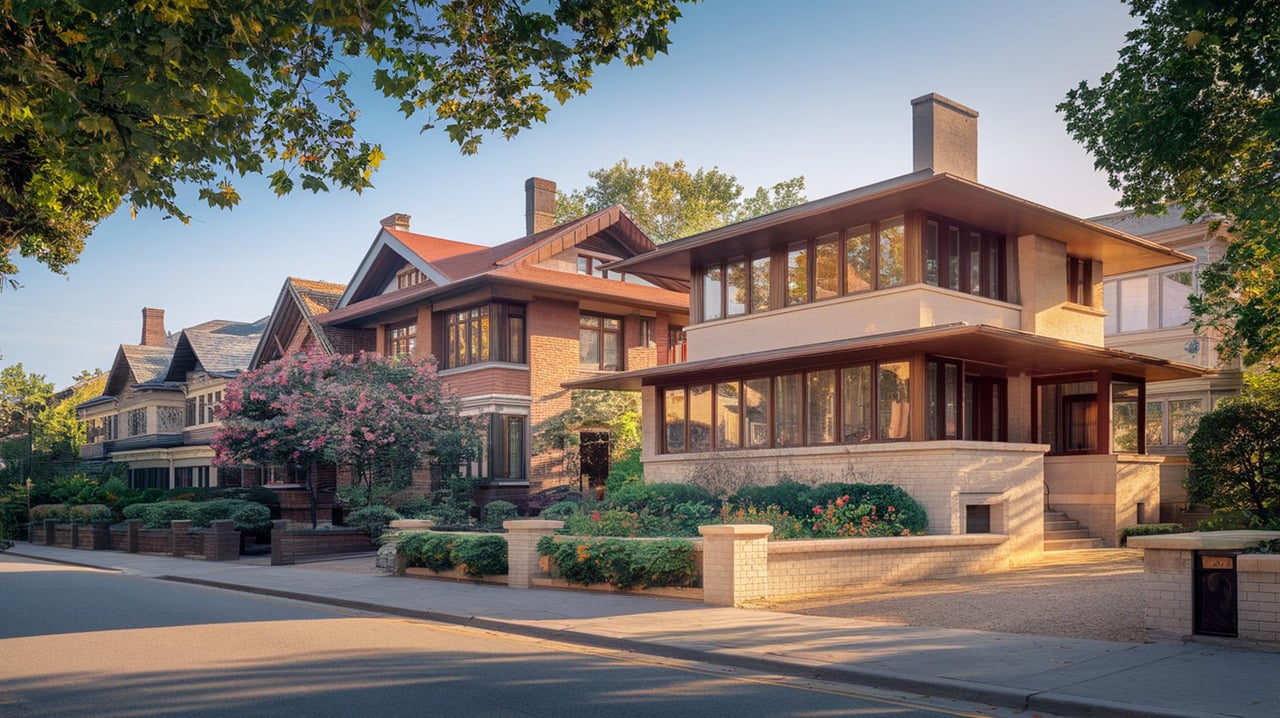
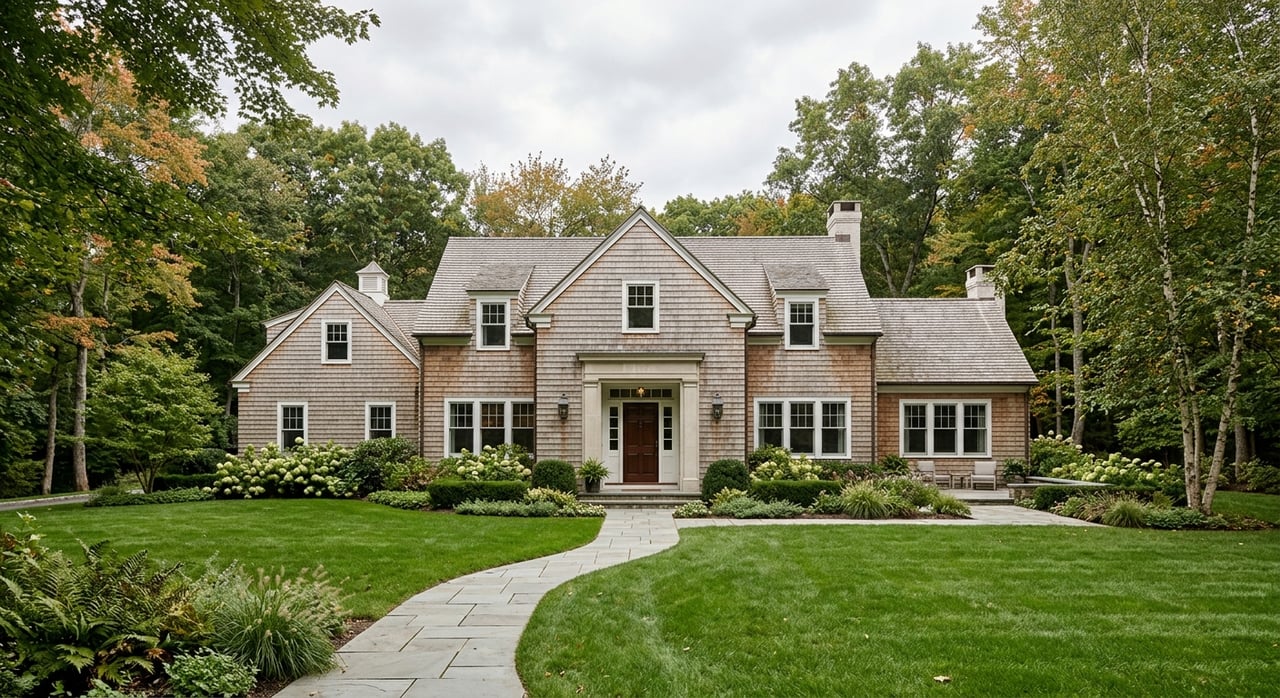
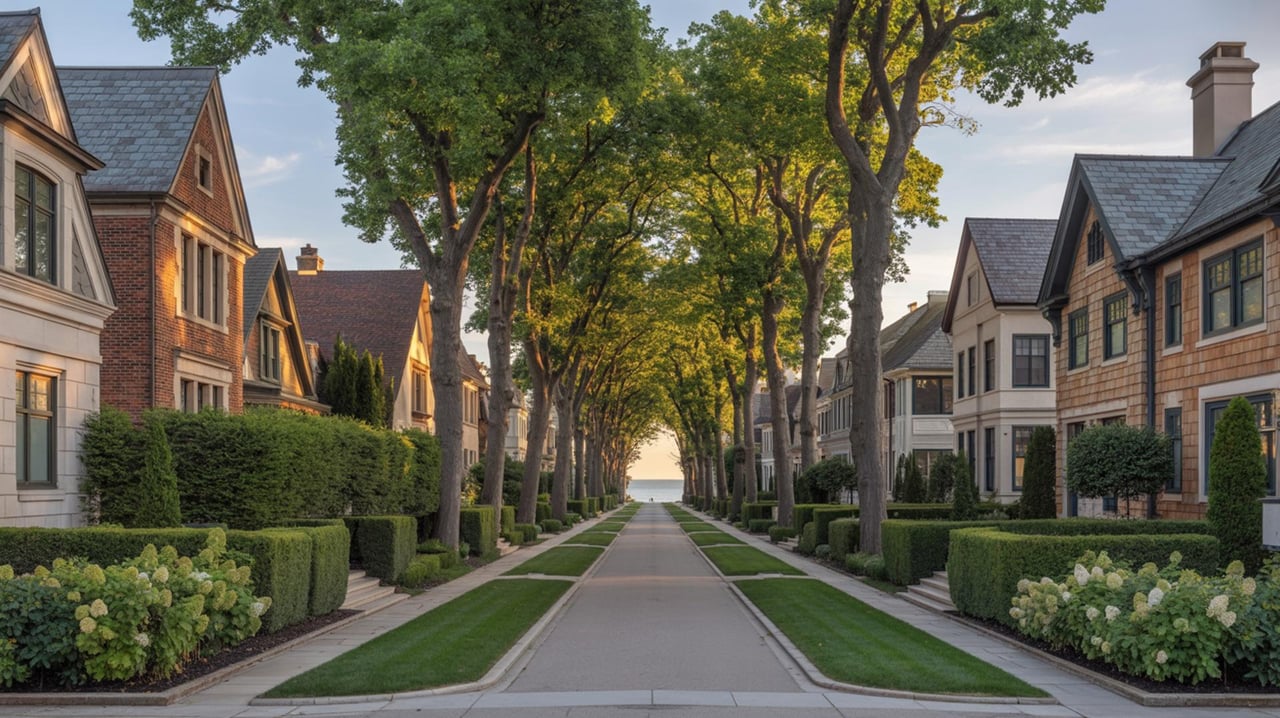
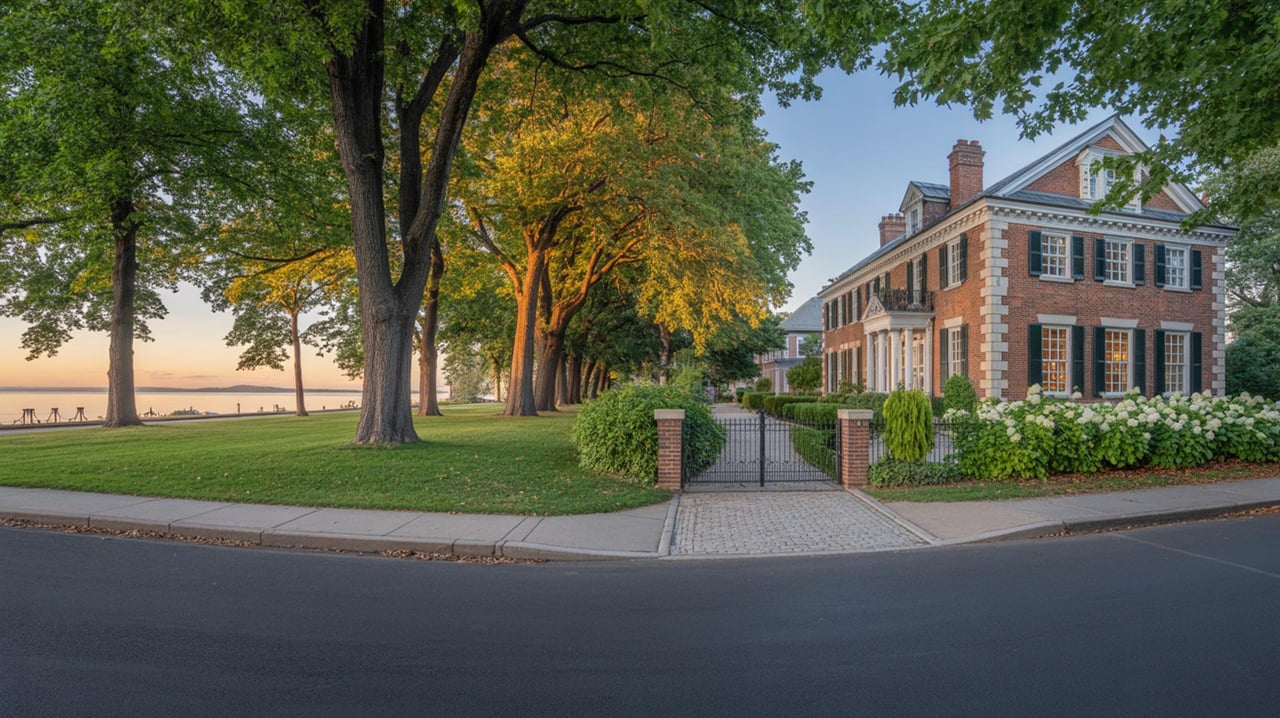
Oak Park has a strong architectural identity, and that can shape your ownership experience in practical ways. The village has three historic districts covering about one-third of the community, plus more than 70 locally designated landmarks. For many buyers, that preservation-rich setting is part of the appeal.
It also means some exterior work may be reviewed under the village’s preservation rules if your home is in a historic district. According to the village, exterior alterations, additions, new construction, and demolition are reviewed, while ordinary maintenance and repairs that do not require a permit are not. If you value architectural continuity and long-term character, that may feel like a benefit. If you want total freedom on exterior changes, it is something to weigh carefully.
Layout and Living Space
Why bungalows feel more private
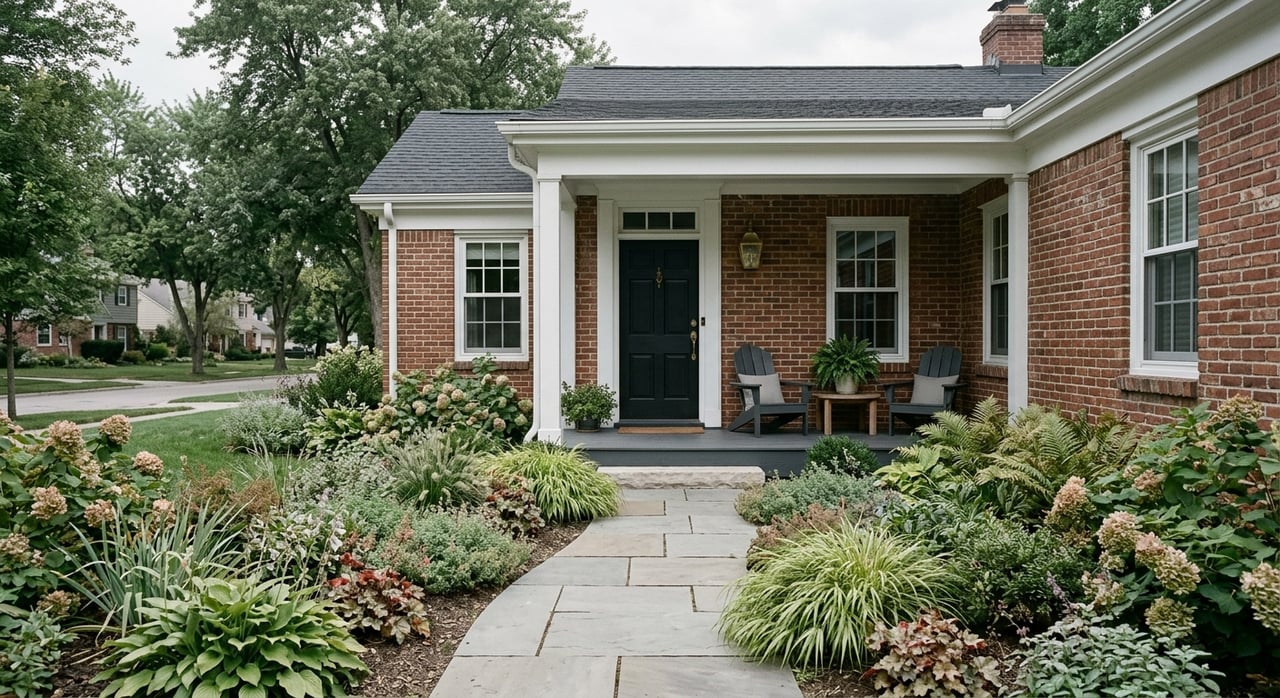
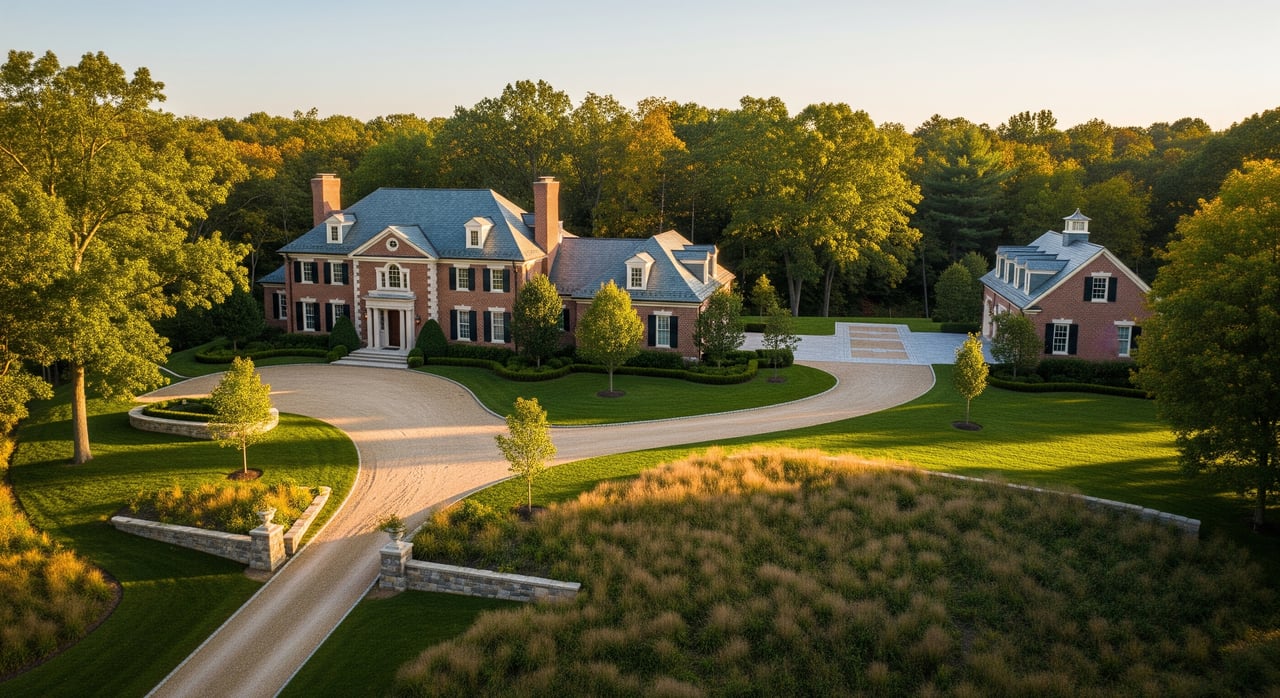
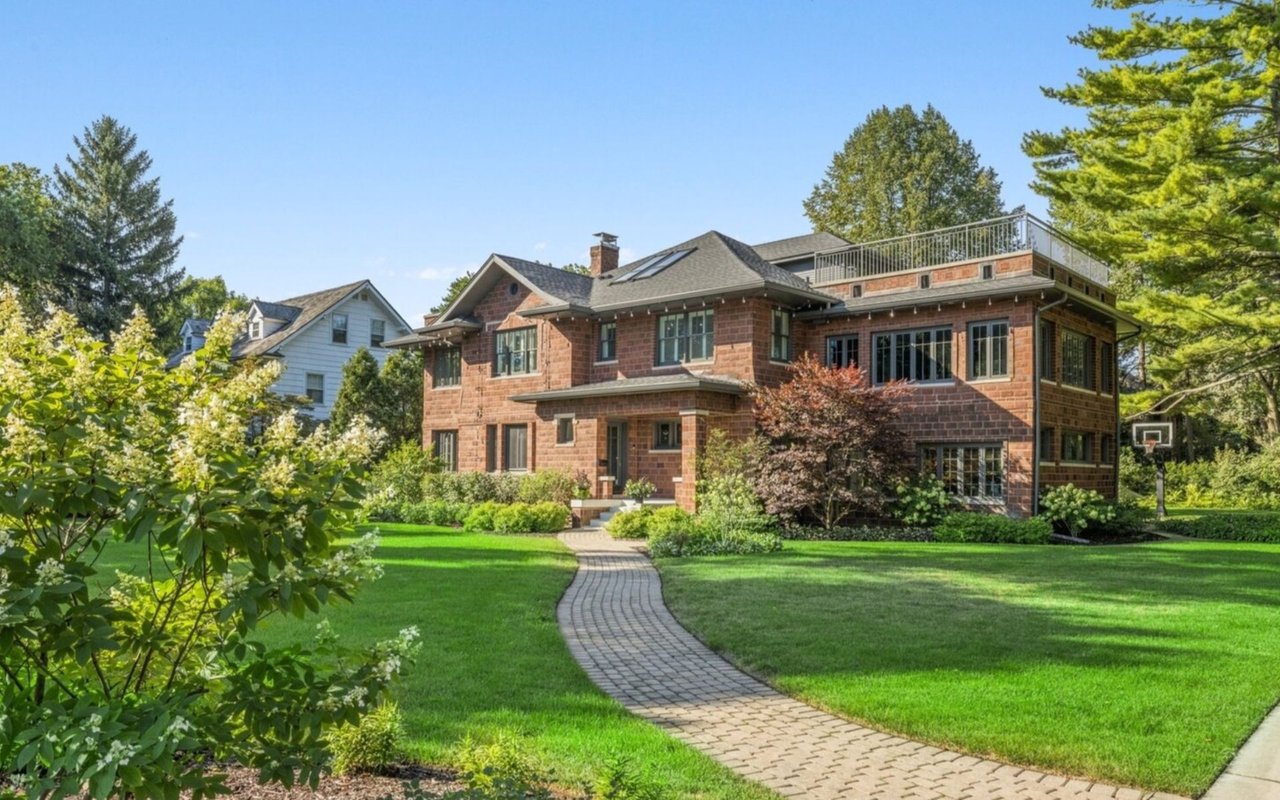
A bungalow usually gives you a detached-home layout with separation from neighboring properties. That often creates a different rhythm to daily life, especially if you want more privacy, dedicated entry space, or room to spread out over time. It also means your interior and exterior spaces tend to feel more clearly yours.
Because bungalows were designed around narrow lots with distinct public and private spaces, they often offer a more house-like flow than a flat. Attic space may also create future flexibility for sleeping areas or bonus rooms, depending on the property. That can be appealing if you are moving from a condo or flat and want a little more breathing room.
Why vintage flats feel more urban
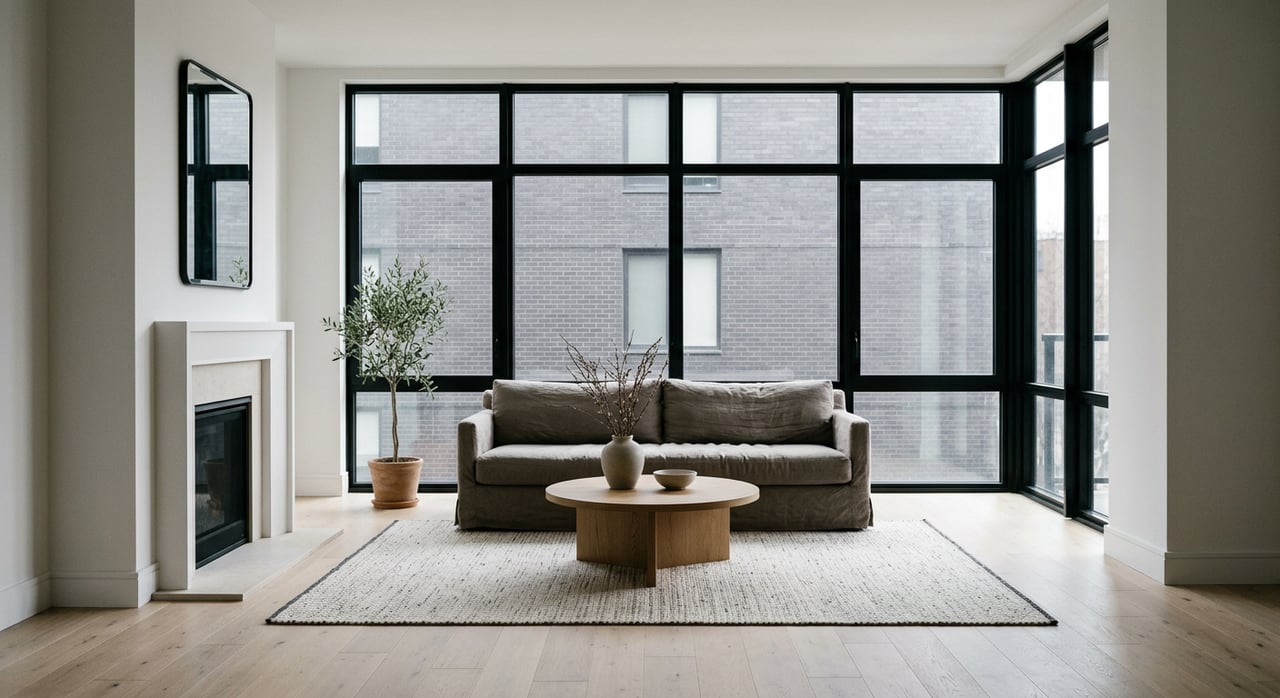
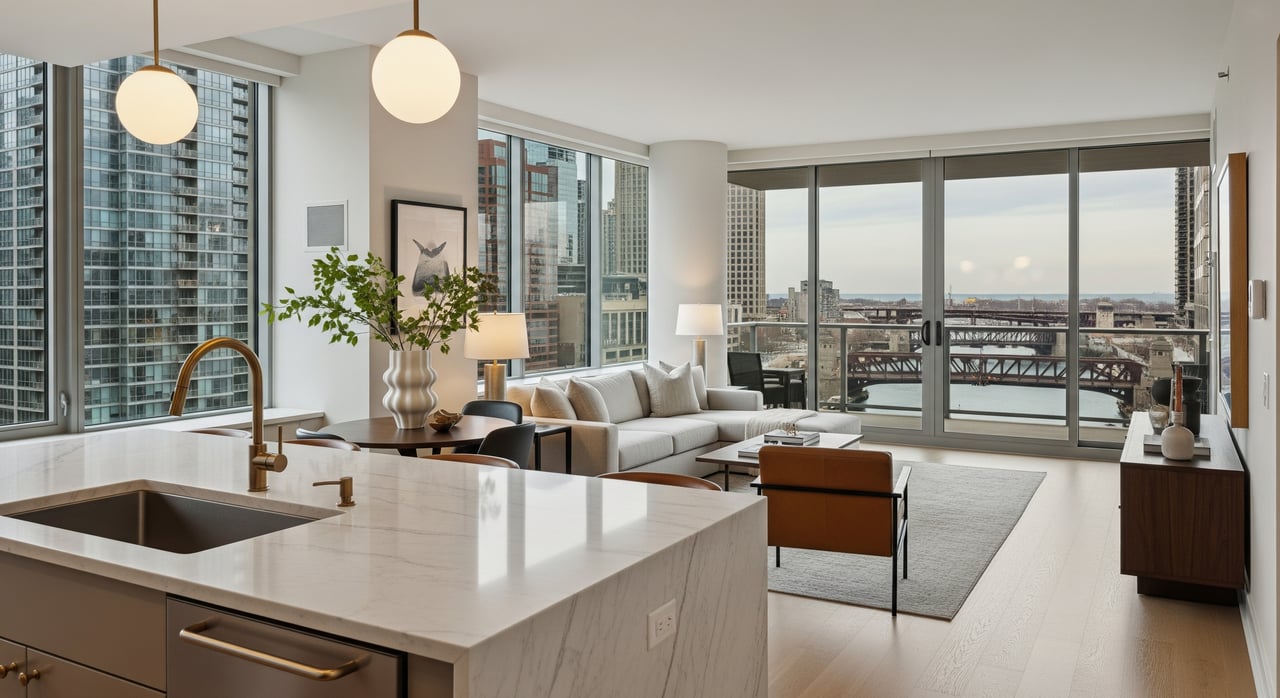
A vintage city flat usually keeps you closer to the compact, shared form that defines many Chicago neighborhoods. Narrow lots, smaller front yards, and gangways often mean less outdoor area and a more urban footprint. For some buyers, that is a plus because it keeps upkeep simpler and the lifestyle more streamlined.
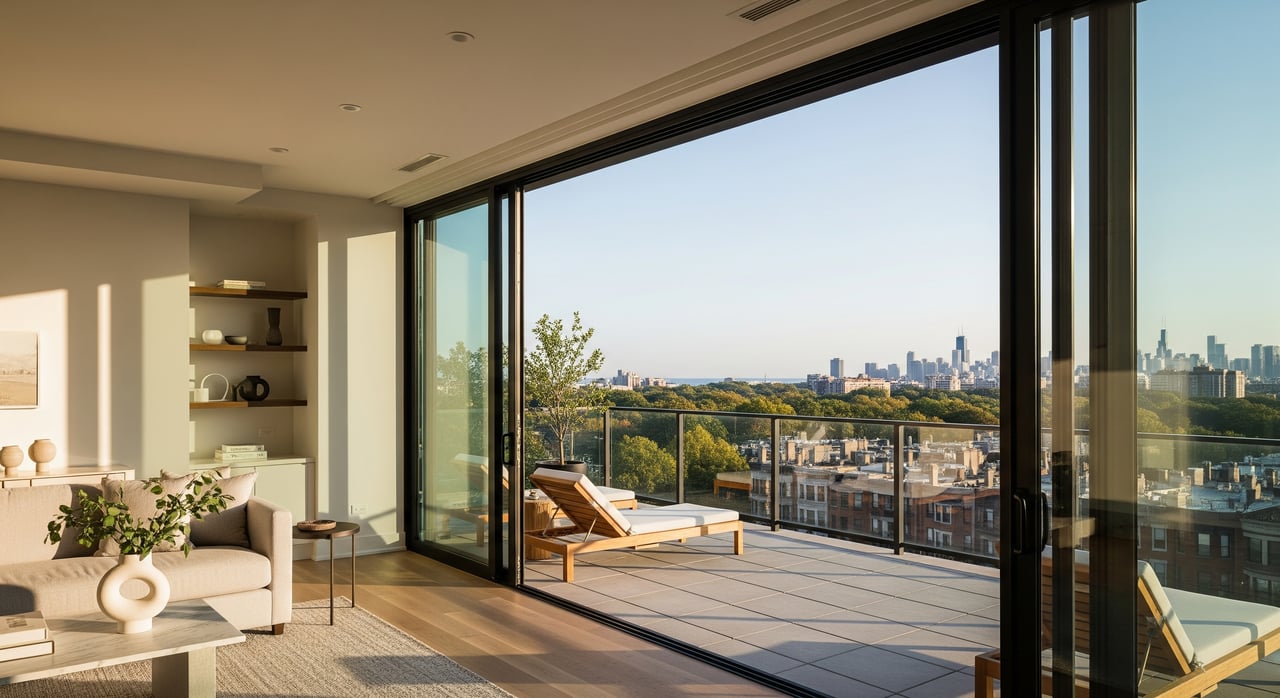
If you like the energy of multiunit living and do not need much private outdoor space, a flat may still fit well. You may also find that the overall layout feels easier to manage if you prefer a lower-maintenance routine. The tradeoff is usually less privacy outdoors and fewer options for future expansion.
Maintenance Is a Major Lifestyle Difference
This is where the bungalow-versus-flat decision often becomes very clear. In a detached bungalow, exterior upkeep, yard care, and site maintenance generally fall on you as the owner. In a vintage flat, those responsibilities are usually spread across the building or handled through a shared ownership structure.
That does not automatically make one option better. It depends on how hands-on you want to be. A bungalow gives you more control over your land and exterior environment, but it also asks more of you in return.
Oak Park does offer qualifying homeowner repair, energy, and sewer-backup assistance programs. Still, those are homeowner-managed programs, not an HOA-style maintenance solution. So if you are leaving a condo or shared building, it is important to think honestly about how much responsibility you want to take on.
Yard Space and Outdoor Use
What you may gain in Oak Park
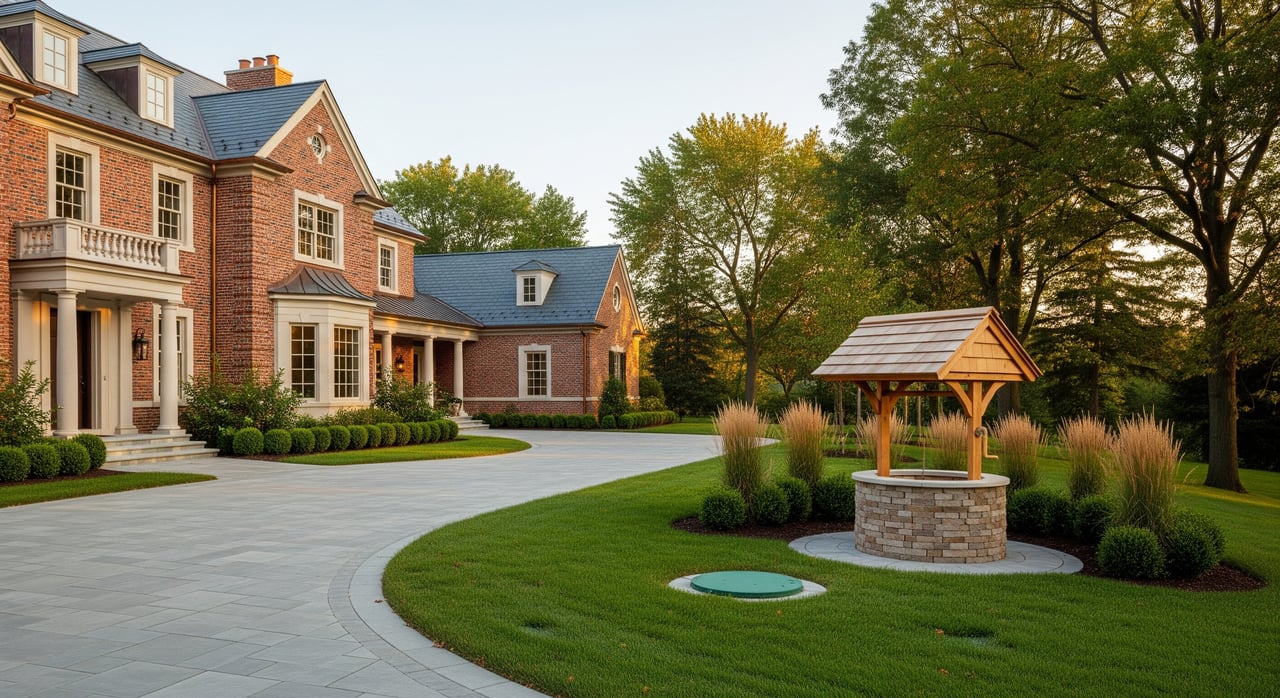
One of the biggest emotional draws of a bungalow is private outdoor space. Compared with many vintage Chicago flats, a detached home often gives you more room for gardening, outdoor dining, storage, or simply having your own yard. That added space can change how you use your home throughout the year.
For buyers making a life-stage move, this can be one of the strongest reasons to look at Oak Park. A yard is not just extra square footage outside. It is also a different kind of privacy and control.
What you may give up in the city
Vintage flats usually come with smaller outdoor areas and less private separation. The compact lot pattern that defines many city flats often means less lawn care and less snow shoveling, but also fewer options for entertaining outdoors or reworking the site in the future. In other words, easier upkeep often comes with less flexibility.
Parking Can Be a Real Adjustment
Parking deserves more attention than buyers sometimes expect. Oak Park says parking space is scarce because the village was fully developed by the 1930s, before current vehicle levels. The village manages parking through permits, passes, and an annual vehicle license requirement.
If you are coming from a downtown condo with a garage space or a car-light routine, this may be an important adjustment. A detached house does not always mean effortless parking. In Oak Park, you want to evaluate each property not just for the house itself, but also for the everyday parking setup around it.
Commute Access Is Stronger Than Many Buyers Expect
A move to Oak Park does not automatically mean giving up transit convenience. The village has Blue and Green CTA rail lines, Pace service, and Metra on the Union Pacific West Line. The village summarizes that network as 2 rapid transit lines, 17 bus routes, and 1 commuter rail line.
That gives Oak Park unusually strong transit access for a suburb. The Green Line serves Oak Park and continues through downtown to 63rd Street, while the Blue Line provides 24-hour service between O’Hare and Forest Park. Metra adds another option for downtown travel and schedule flexibility.
In practical terms, Oak Park commuting often becomes a station-choice decision rather than a walk-everywhere city routine. That is different from many downtown Chicago living patterns, but it can still work very well depending on where you need to go and how often you drive. The average commute data supports that nuance: Census QuickFacts shows mean travel time to work at 31.6 minutes in Oak Park and 33.1 minutes in Chicago.
Cost and Carrying Costs Matter
If you are comparing these two paths, the monthly ownership picture matters just as much as the home style. Census data shows Oak Park has a median owner-occupied home value of $465,500, compared with $334,100 in Chicago. Median monthly owner costs with a mortgage were $3,202 in Oak Park versus $2,339 in Chicago.
Those numbers point to a higher-carrying-cost environment in Oak Park. They also reflect a market that is more owner-occupied overall, with a 60.0% owner-occupied housing rate compared with 46.0% in Chicago. For buyers moving from a flat to a bungalow, the shift is often as much financial as it is architectural.
Resale and Market Positioning
Oak Park leans toward single-family demand
Oak Park’s 2024 sales mix shows 414 single-family sales, compared with 290 condo sales, 51 sales of two-to-four unit buildings, and 26 sales of 5+ unit buildings. That supports the idea that the village market leans strongly toward single-family ownership. If you buy a bungalow there, you are participating in a segment with meaningful local demand.
Chicago offers a deeper multiunit market
Chicago has a much deeper two-to-four unit housing base, and the city’s two-flats have long played a role in owner-occupancy and rental-income flexibility. That does not mean every vintage flat offers the same opportunity, but it does highlight a difference in market context. A city flat often sits within a broader multiunit ecosystem, while an Oak Park bungalow sits more clearly within a detached-home market.
Which Option Fits Your Next Move?
If you want more privacy, more direct control over your property, and the feel of detached-home ownership with strong transit access, an Oak Park bungalow may be the better fit. If you prefer a more compact setup, less exterior upkeep, and the rhythm of a denser city setting, a vintage Chicago flat may still align better with your lifestyle.
The key is to see this choice clearly. You are not just comparing charm, finishes, or address. You are comparing ownership models, and the right answer depends on how you want to live now and what kind of responsibilities and flexibility you want over time.
If you are weighing a move from a Chicago condo or vintage flat to a suburban single-family home, working with an experienced local advisor can make the comparison much easier. For personalized guidance on city-to-suburb transitions and hands-on representation, connect with Cara Buffa.
FAQs
What is the main difference between an Oak Park bungalow and a vintage Chicago flat?
- An Oak Park bungalow usually means detached-home ownership with more private outdoor space and more owner-managed maintenance, while a vintage Chicago flat usually means a denser multiunit setting with more compact upkeep.
How does parking work in Oak Park for bungalow owners?
- Oak Park says parking is limited because the village was largely developed before current vehicle levels, so parking is managed through permits, passes, and an annual vehicle license requirement.
Is commuting from Oak Park harder than commuting from Chicago?
- Not necessarily. Oak Park has Blue and Green CTA lines, Pace routes, and Metra service, and Census QuickFacts shows a mean travel time to work of 31.6 minutes in Oak Park compared with 33.1 minutes in Chicago.
Do Oak Park historic districts affect bungalow ownership?
- Yes. If a bungalow is in a historic district, the village says exterior alterations, additions, new construction, and demolition are reviewed under preservation rules, while ordinary maintenance and repairs that do not require a permit are not reviewed.
Are Oak Park homes generally more expensive to own than homes in Chicago?
- Census data shows higher median owner-occupied home values and higher median monthly owner costs with a mortgage in Oak Park than in Chicago, so buyers should plan for a higher-carrying-cost environment.