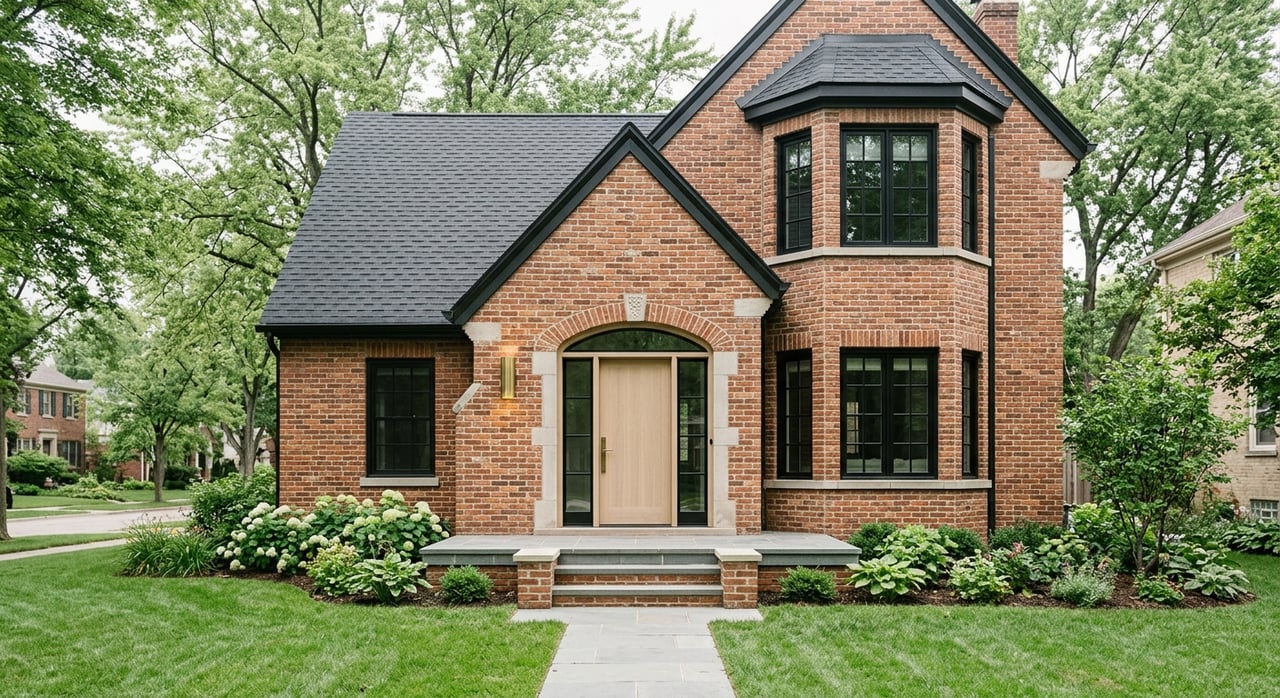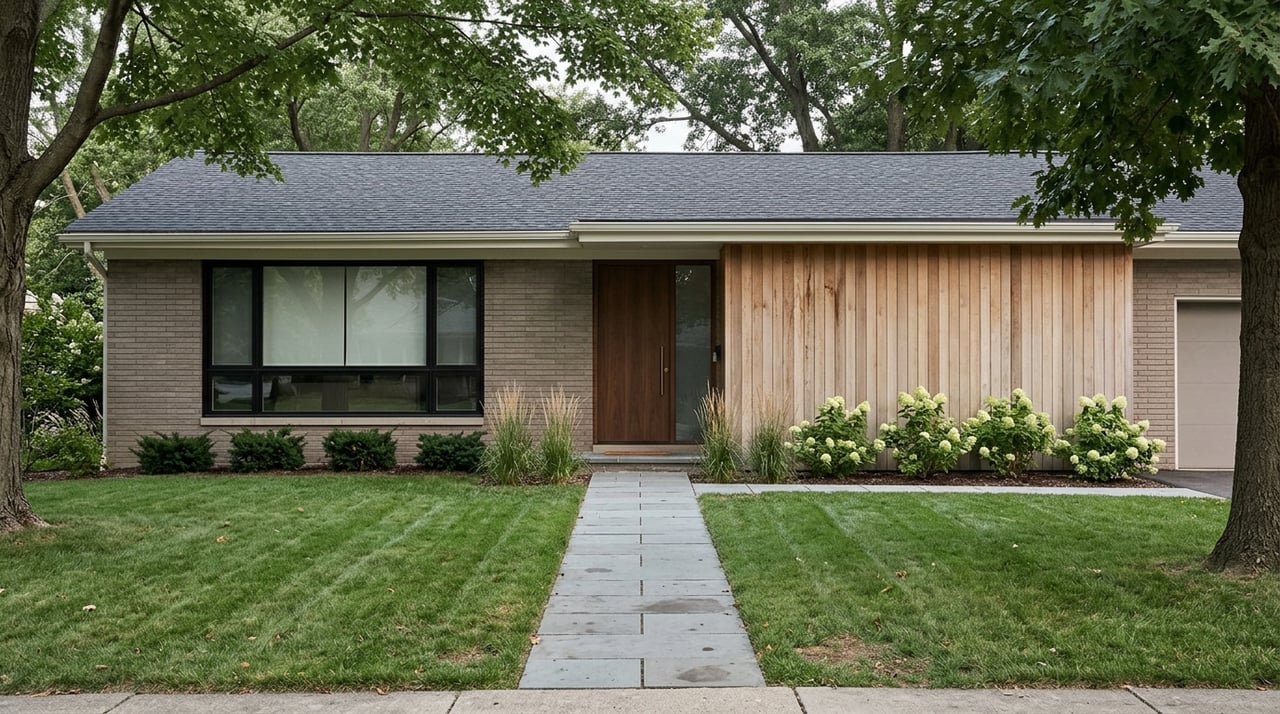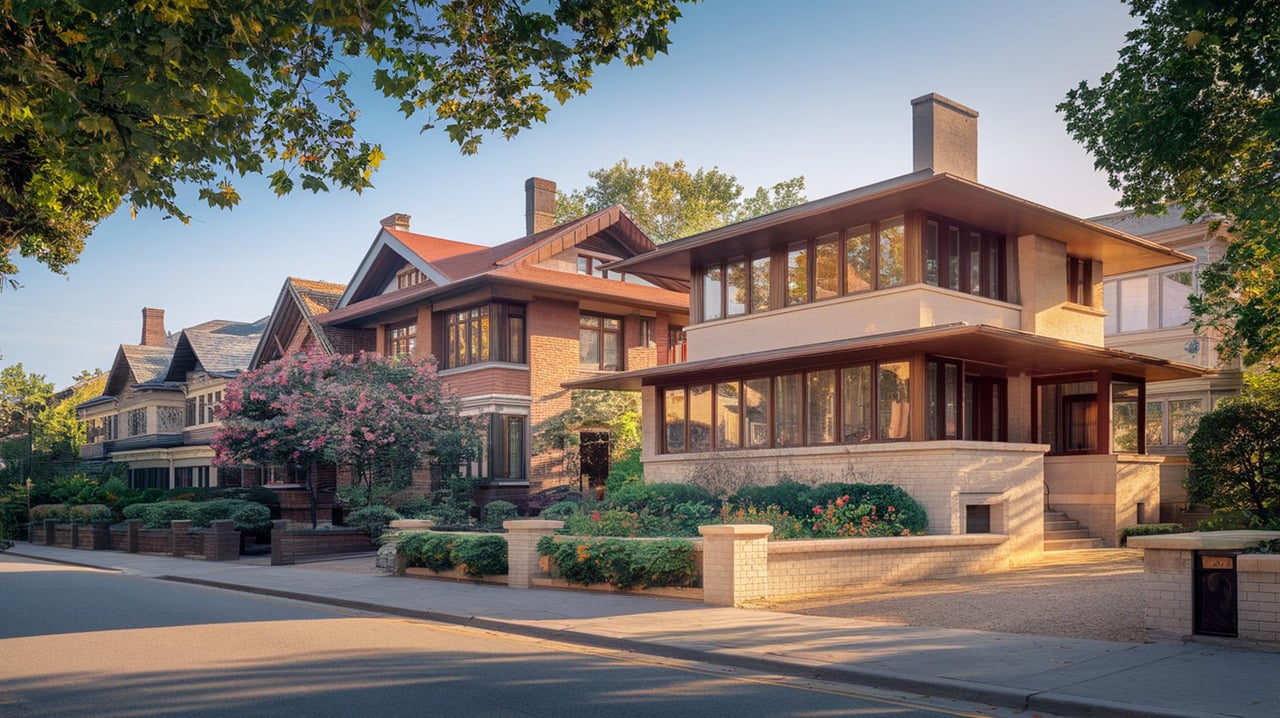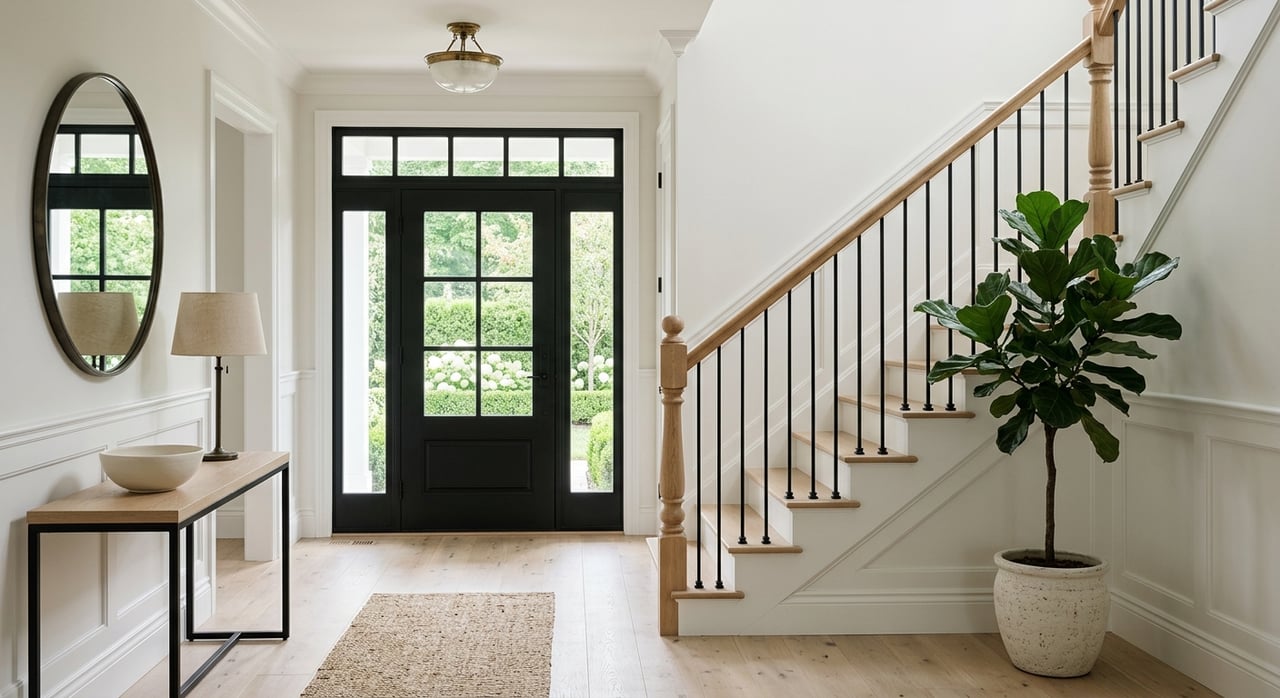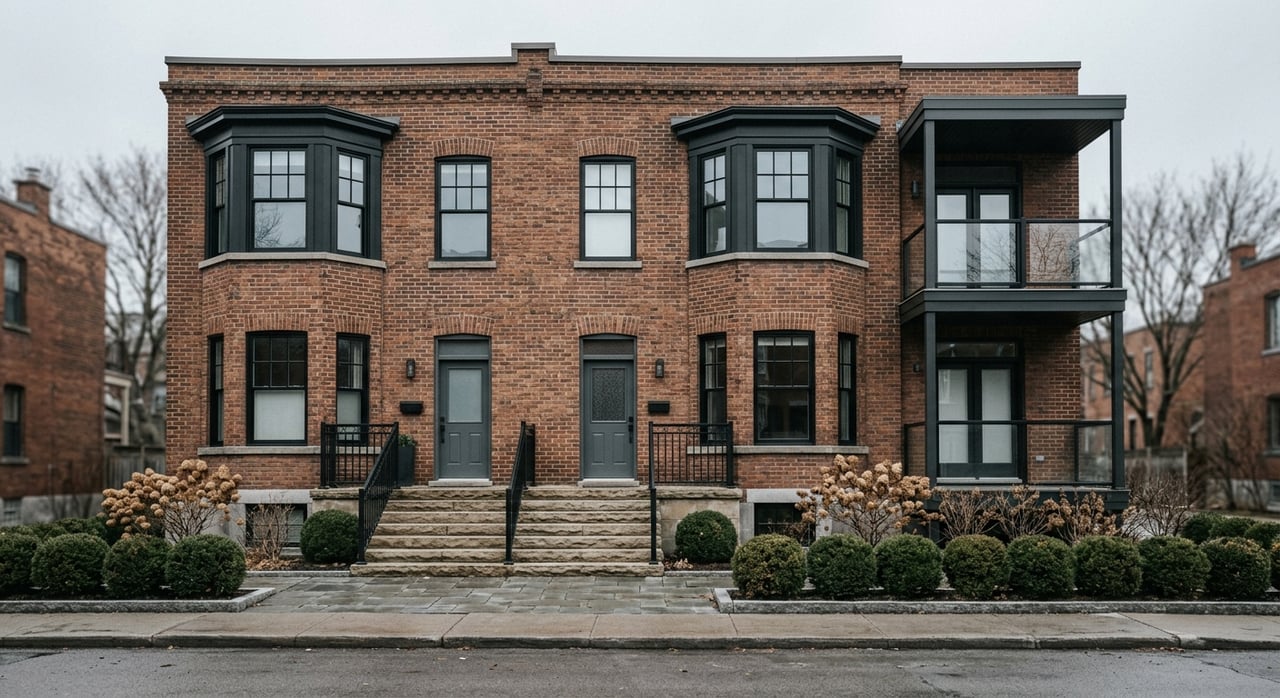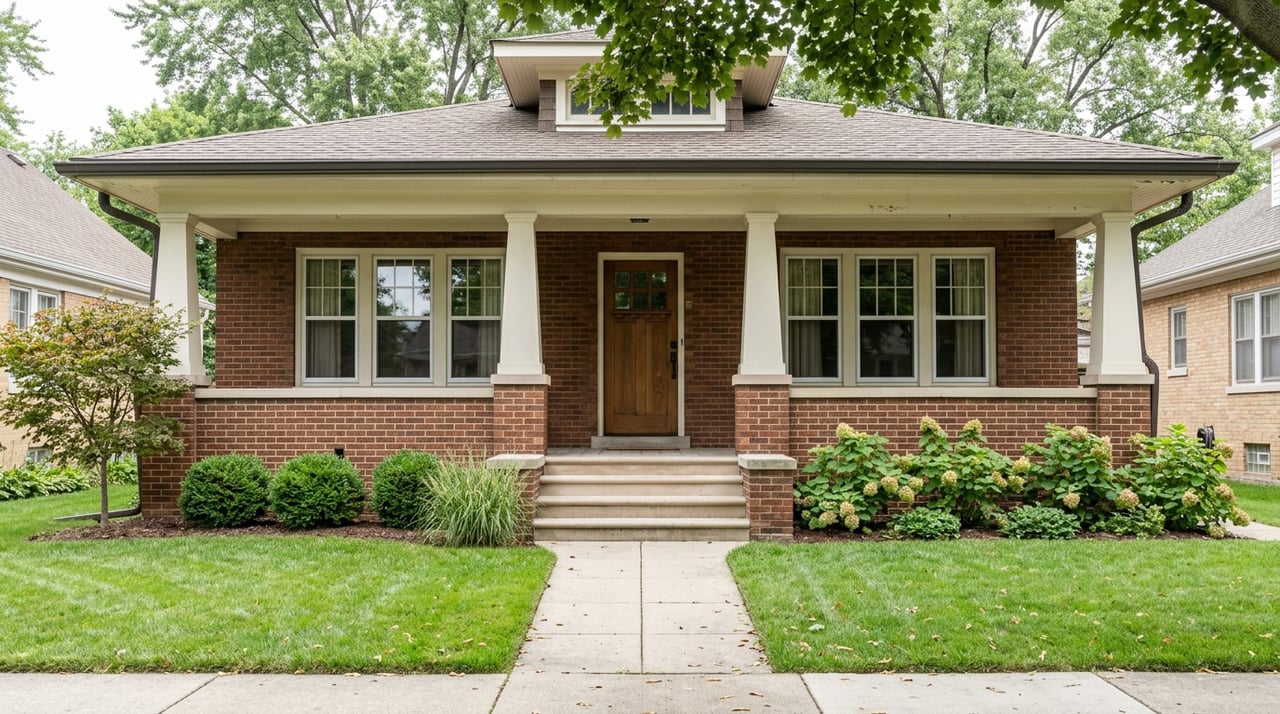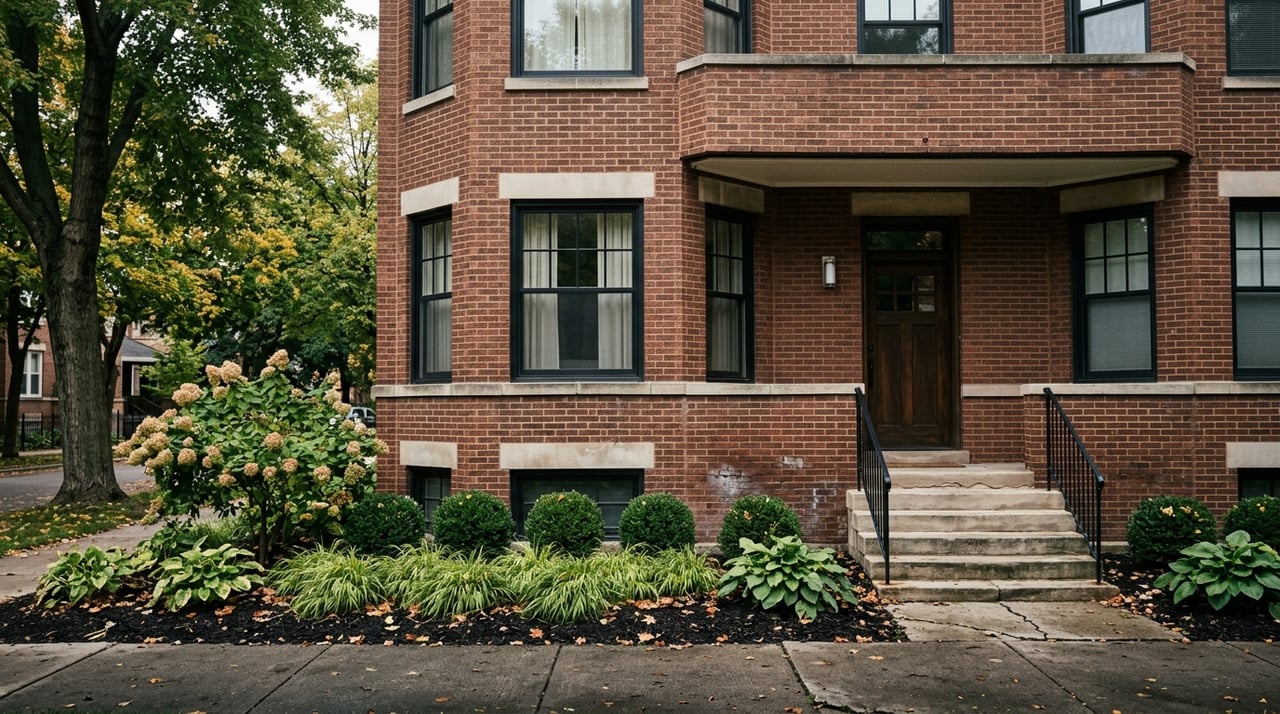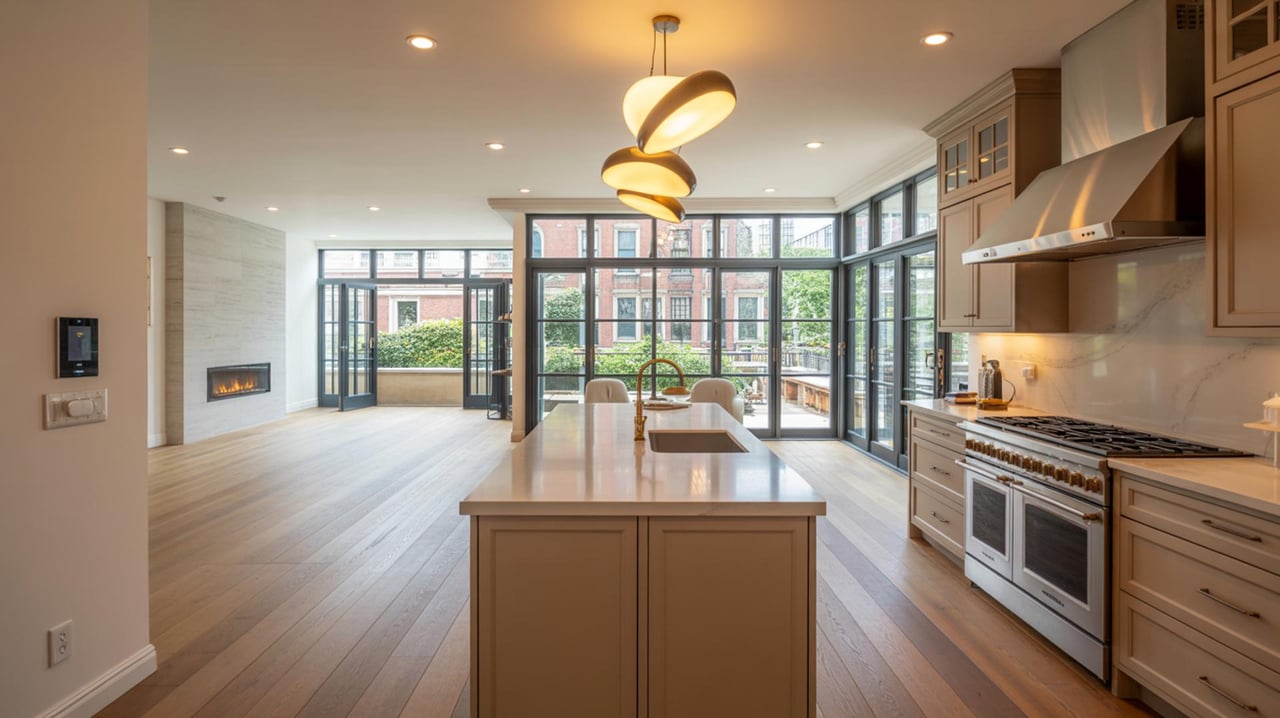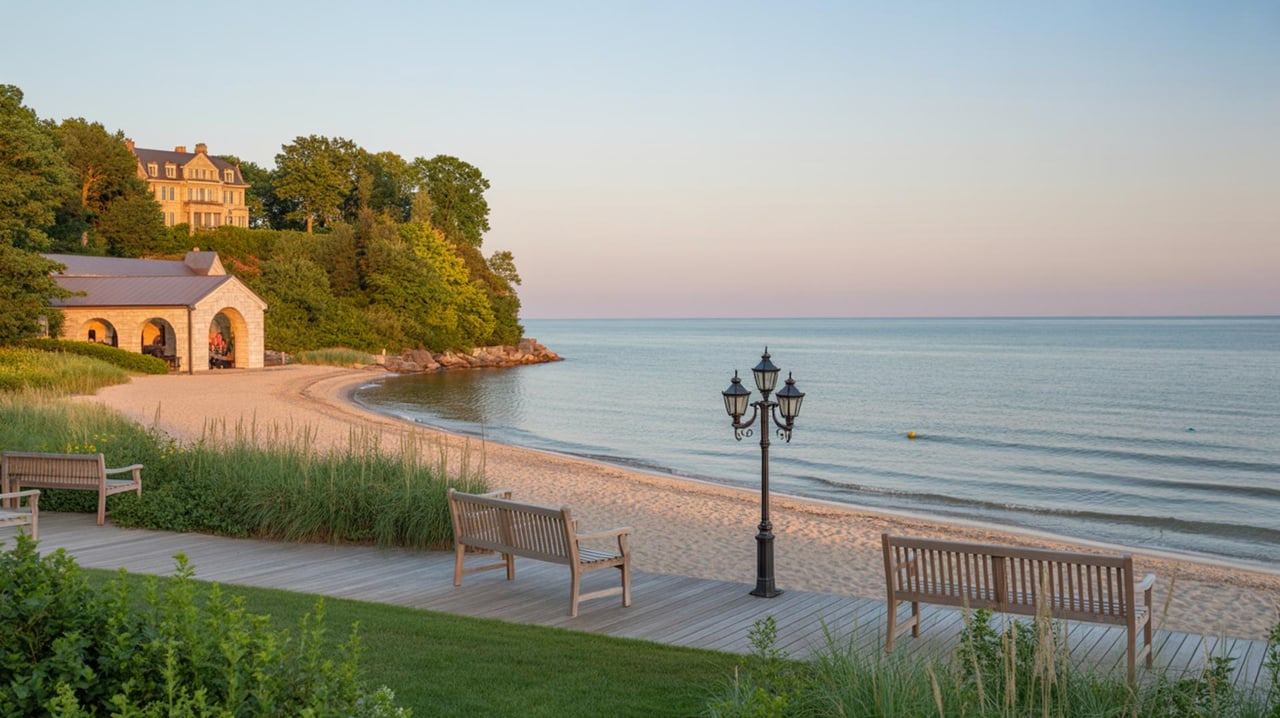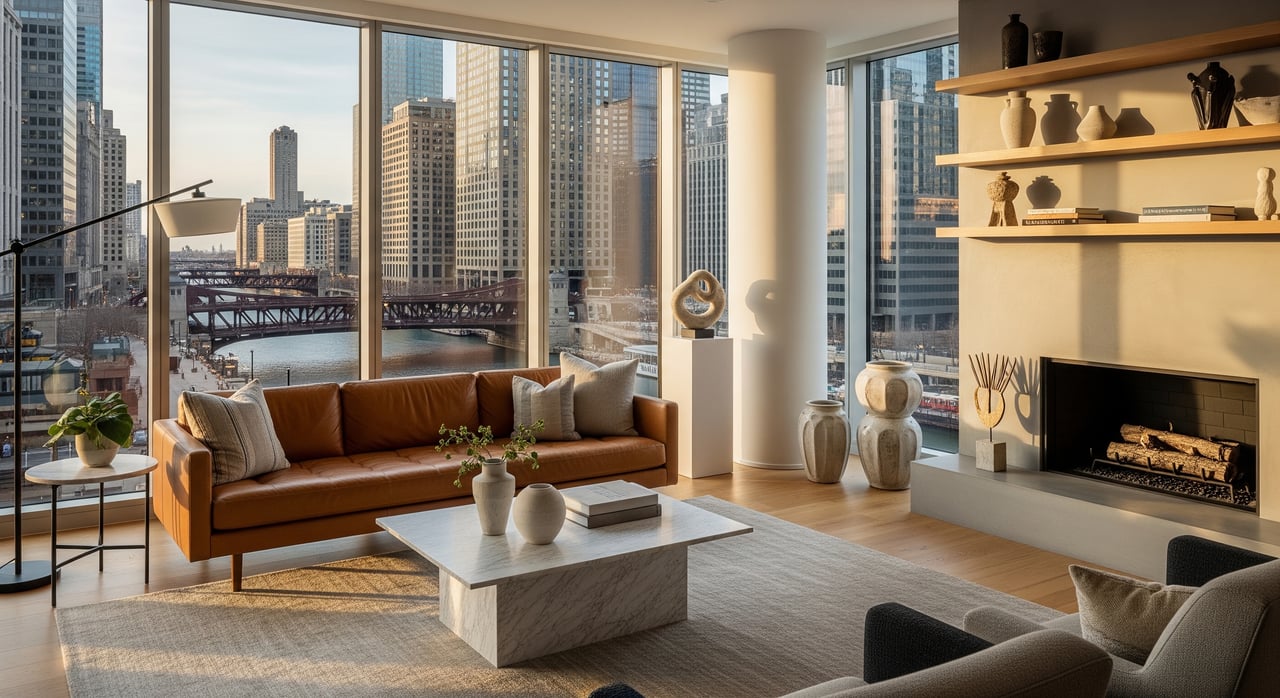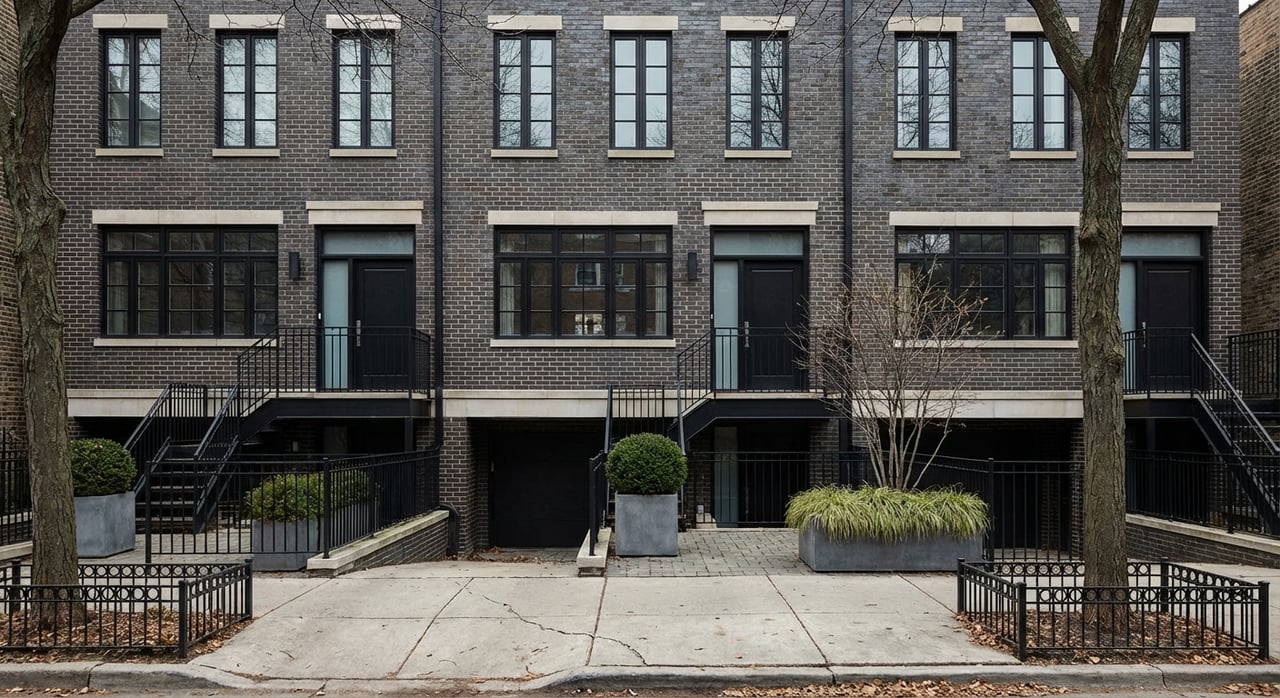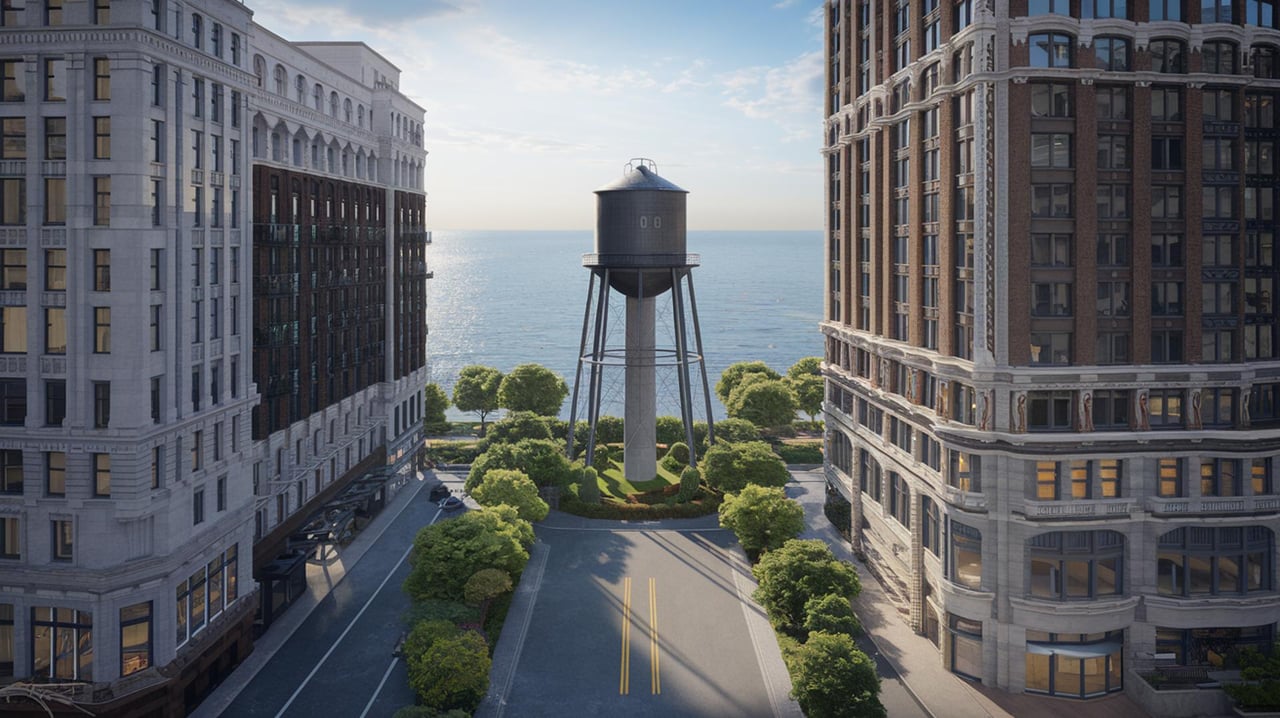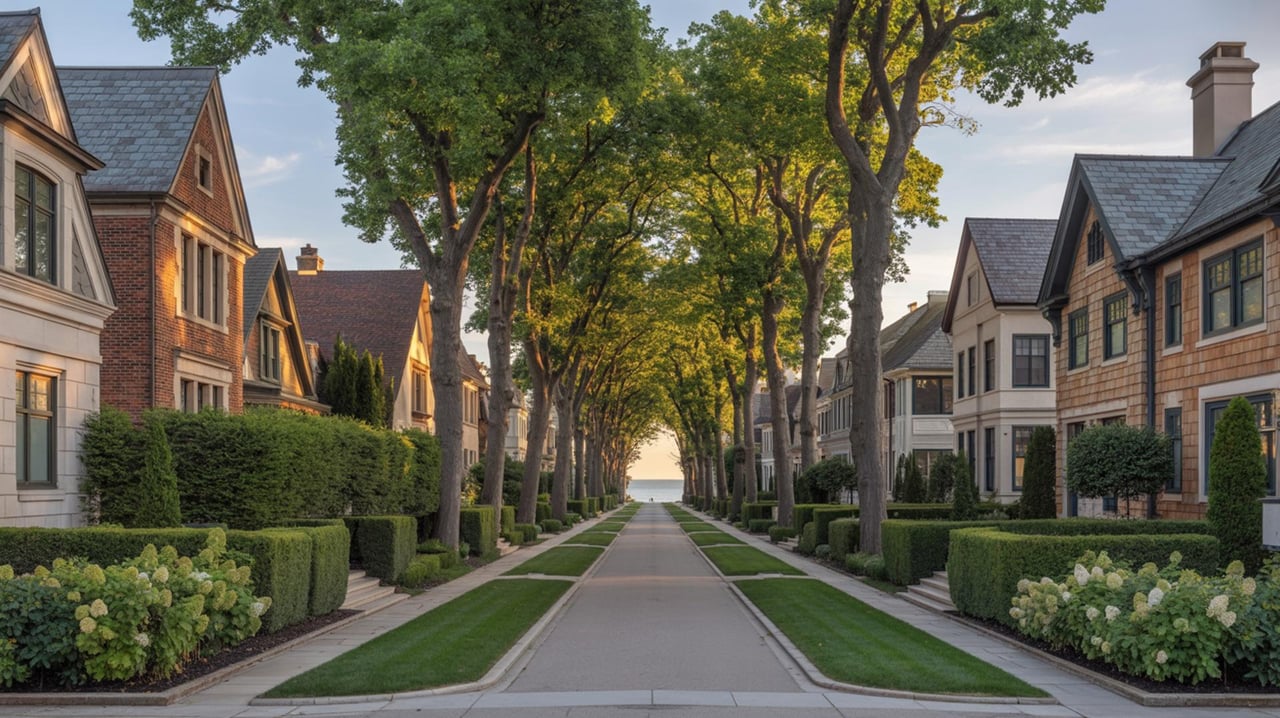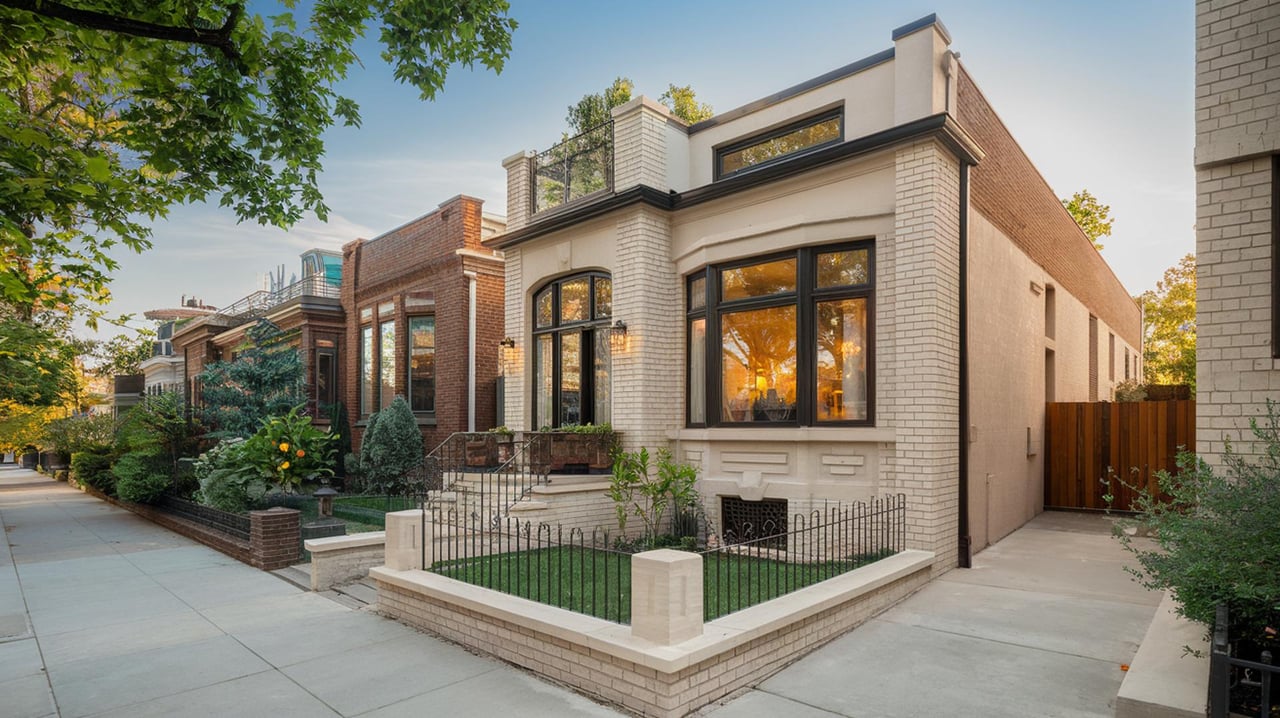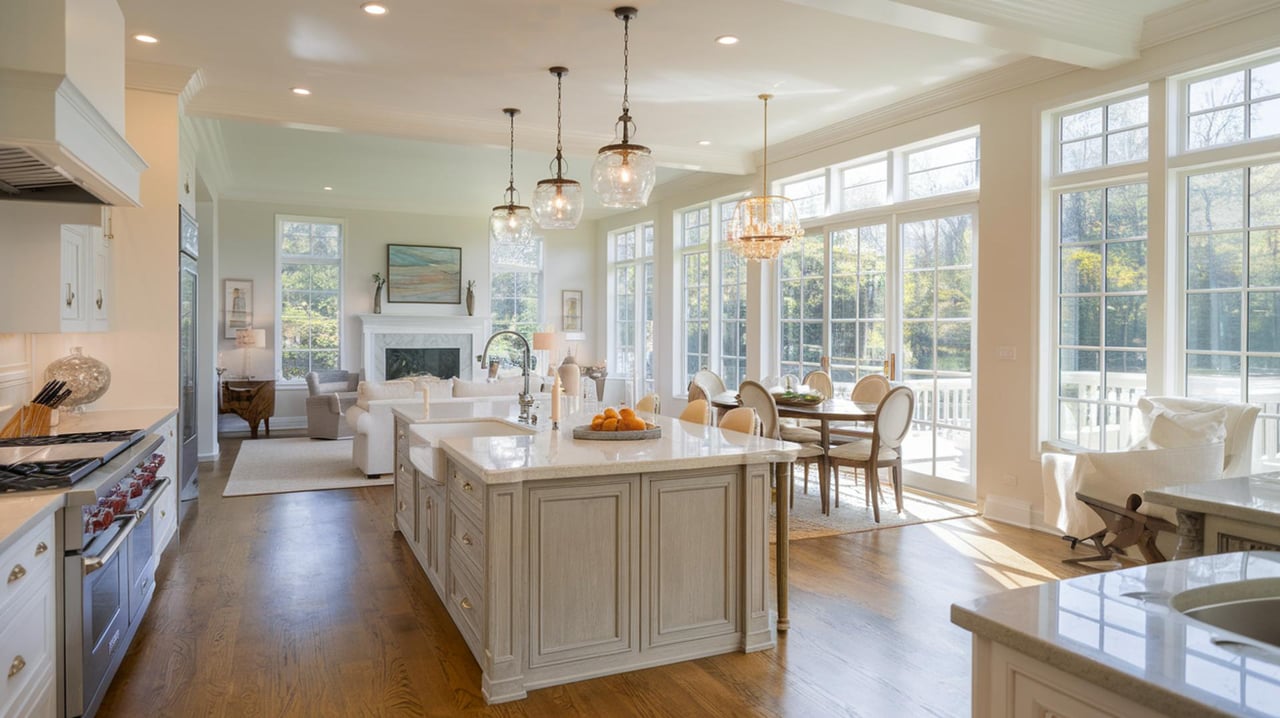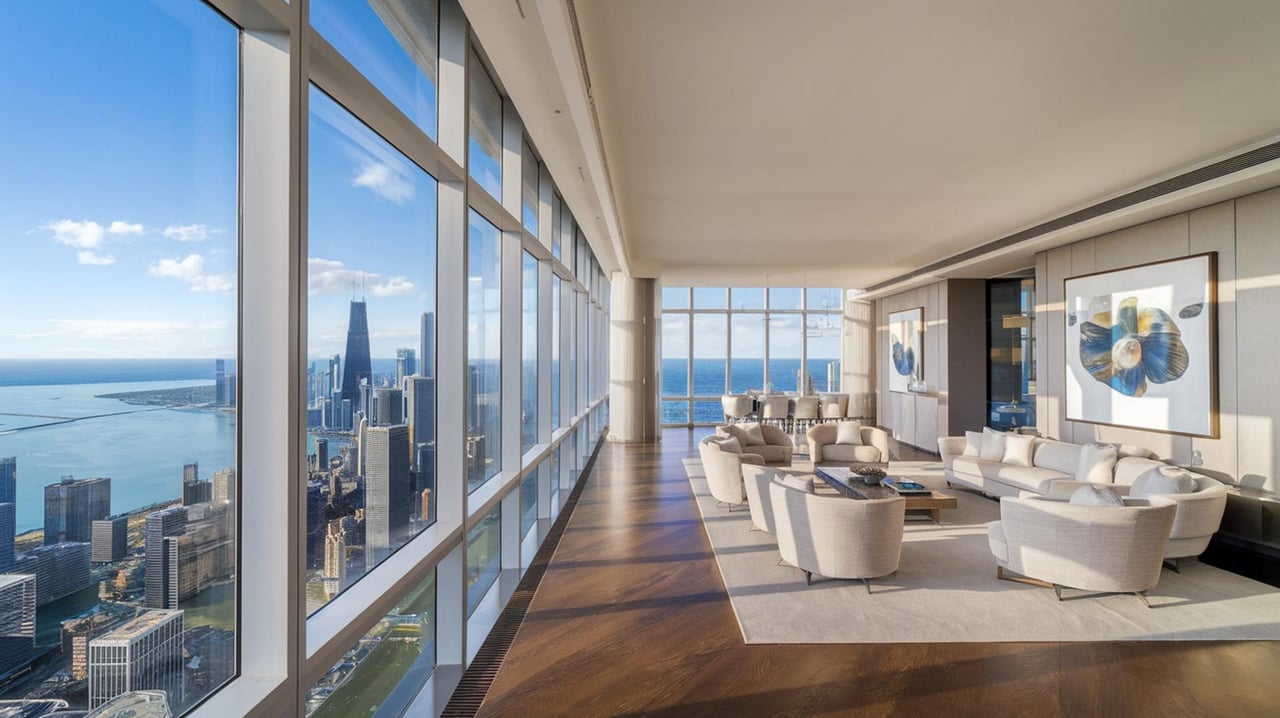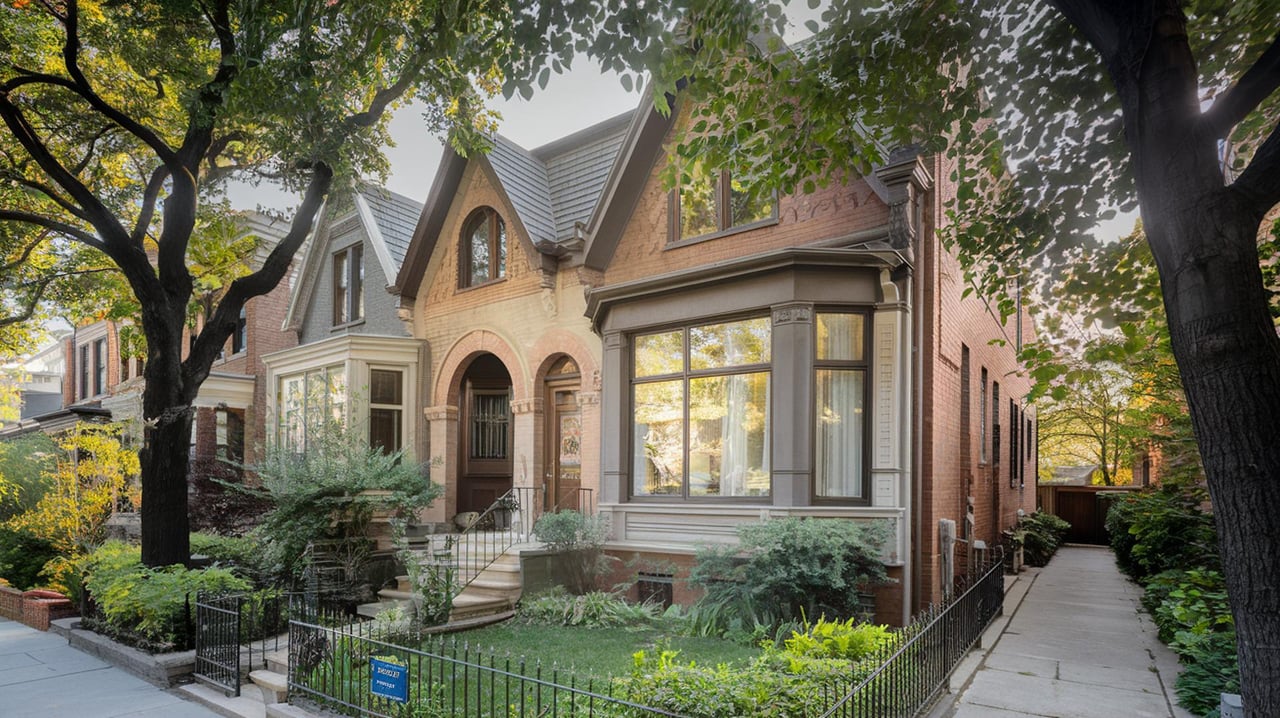
If you are trying to understand Winnetka, it helps to stop thinking of it as one uniform suburb. Winnetka is better understood as a series of distinct pockets, each with its own rhythm, housing mix, and relationship to shops, the Metra, the lake, or wooded residential streets. If you are comparing where to focus your search, this guide will help you make sense of the village’s most talked-about areas and the home styles you are most likely to see. Let’s dive in.
Why Winnetka Feels Like Distinct Pockets
Winnetka’s own planning materials describe the village as a group of character areas and districts rather than one broad, uniform place. The village highlights recognizable nodes like Downtown Elm Street, Hubbard Woods, and Indian Hill, while local history resources also break Winnetka into areas such as Central Winnetka, Downtown Winnetka, and Hubbard Woods.
That structure shapes how the village feels when you move through it. In-town sections are generally more pedestrian-friendly, with storefronts, sidewalks, and mixed-use buildings that support everyday walking, according to the village’s commercial design guidelines. By contrast, the shoreline and ravine areas tend to feel quieter, more secluded, and more landscape-driven.
Tree Streets And Central In-Town
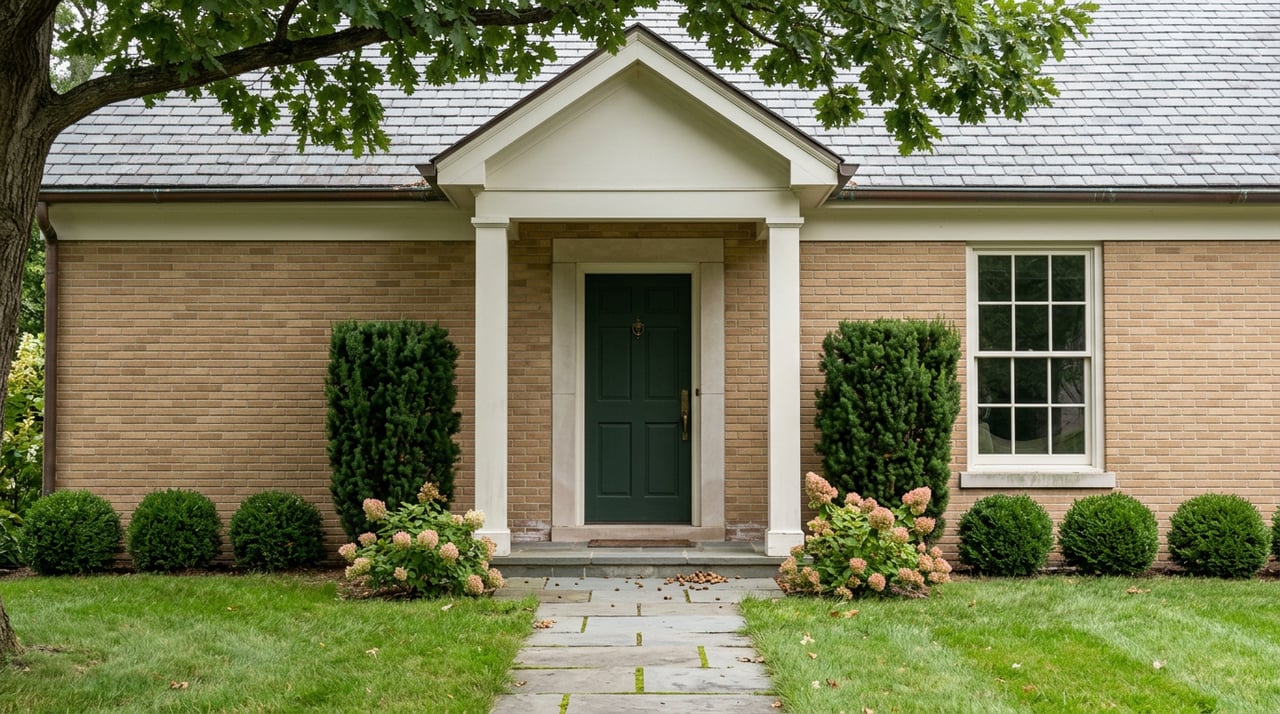
If you want one of the clearest examples of smaller-scale, in-town Winnetka housing, start with the Tree Streets. Village planning materials describe this area as bounded by Pine, Willow, Hibbard, and Green Bay, with relatively uniform smaller lots and one- to two-story homes that range from Colonial to American Four Square and Victorian styles.
This part of Winnetka is especially useful for buyers who want a more connected, day-to-day village feel. It has long been described in planning documents as a traditional first-home neighborhood, and it fits buyers who value proximity to central amenities over estate-scale lots.
East Winnetka North And South
On the east side, Winnetka’s 2040 plan separates East Winnetka North and East Winnetka South into related but distinct areas. That distinction matters because the housing patterns and street feel are not exactly the same.
East Winnetka North
East Winnetka North is described as a vintage neighborhood with winding streets, larger lots, heritage trees, and a mix of older architectural styles. The plan also notes a pocket of smaller worker homes near the rail line, which adds another layer to the housing mix.
For you as a buyer, that means East Winnetka North may appeal if you want older homes, more natural variation from block to block, and a setting shaped by mature landscaping.
East Winnetka South
East Winnetka South has a more uniform gridded layout between Green Bay and Sheridan. The village describes it as having a variety of lot sizes and home styles, with direct connections to the East Elm business district and both the Winnetka and Indian Hill stations.
That makes this area easier to explain in practical terms. If your priority is being close to shops, transit, and village activity while still having a broad range of housing options, East Winnetka South is one of the more flexible pockets to consider.
Hubbard Woods And Forest Glen
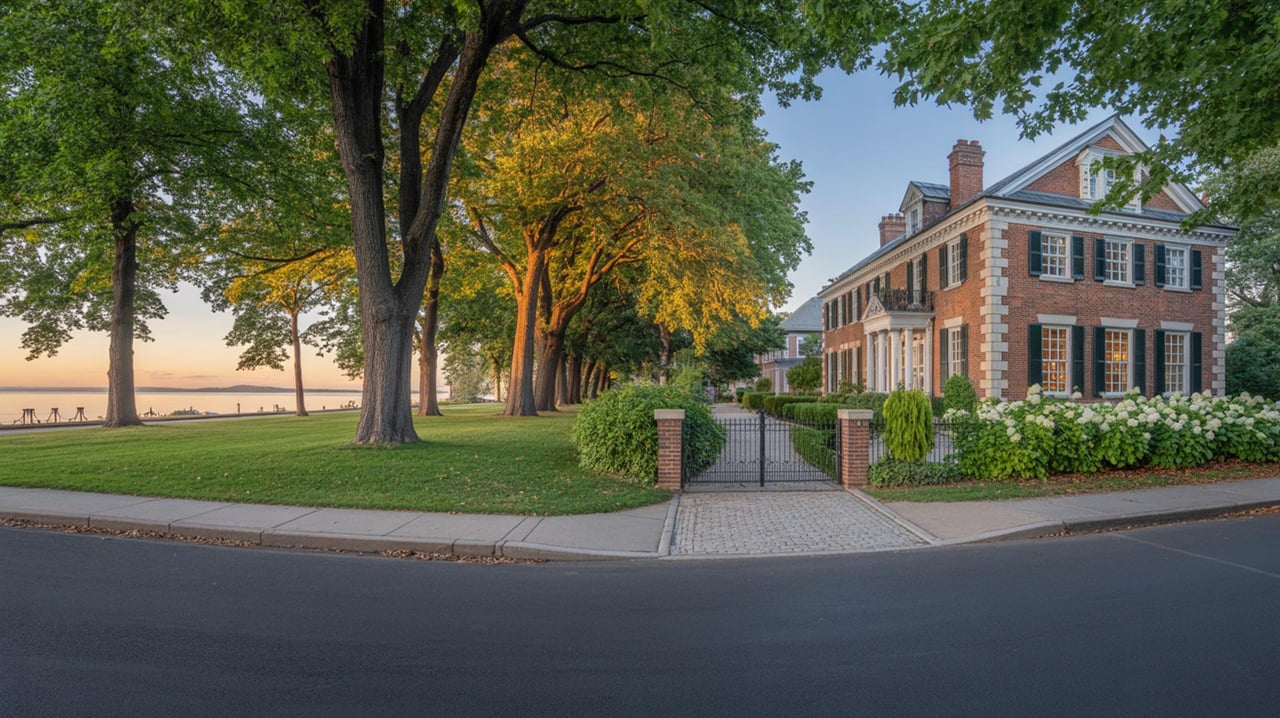
Hubbard Woods is one of Winnetka’s best-known areas, and local history sources describe it as a northeastern section defined by ravines, wooded streets, historic houses, and a long-established business district. It is one of the places where Winnetka’s scenic and walkable qualities overlap most clearly.
Because Hubbard Woods has its own business district and Metra stop, it often stands out for buyers who want a neighborhood with daily convenience and strong visual character. The area feels historic and established, but not disconnected from everyday errands and commuting.
Forest Glen
Within Hubbard Woods, Forest Glen is a particularly recognizable pocket. According to the Winnetka Historical Society, it includes 57 two-story houses, almost all colonial, on about 20 acres north of Tower and Hibbard Roads, and it sits just three blocks from Hubbard Woods stores, restaurants, and the train station.
That gives Forest Glen a very specific appeal. If you like a cohesive look, a close-knit pocket, and easy access to the Hubbard Woods business area, it is one of the clearest examples of a neighborhood with both convenience and architectural consistency.
Lakefront And Ravines
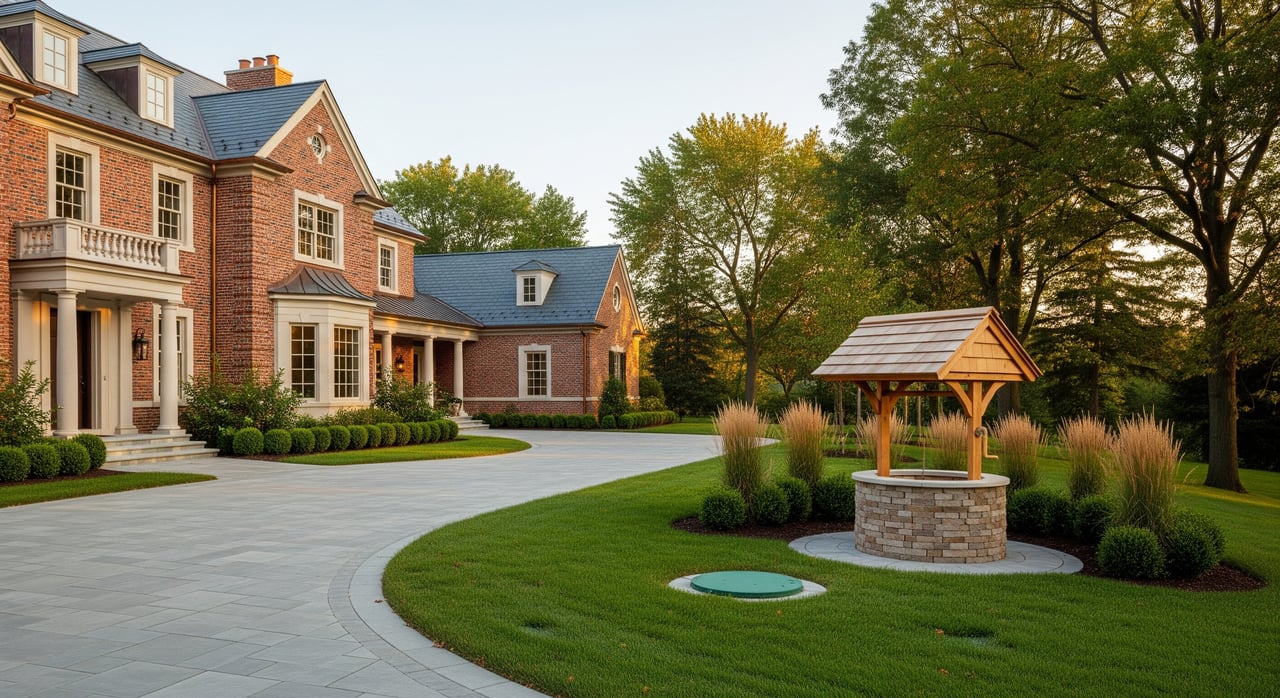
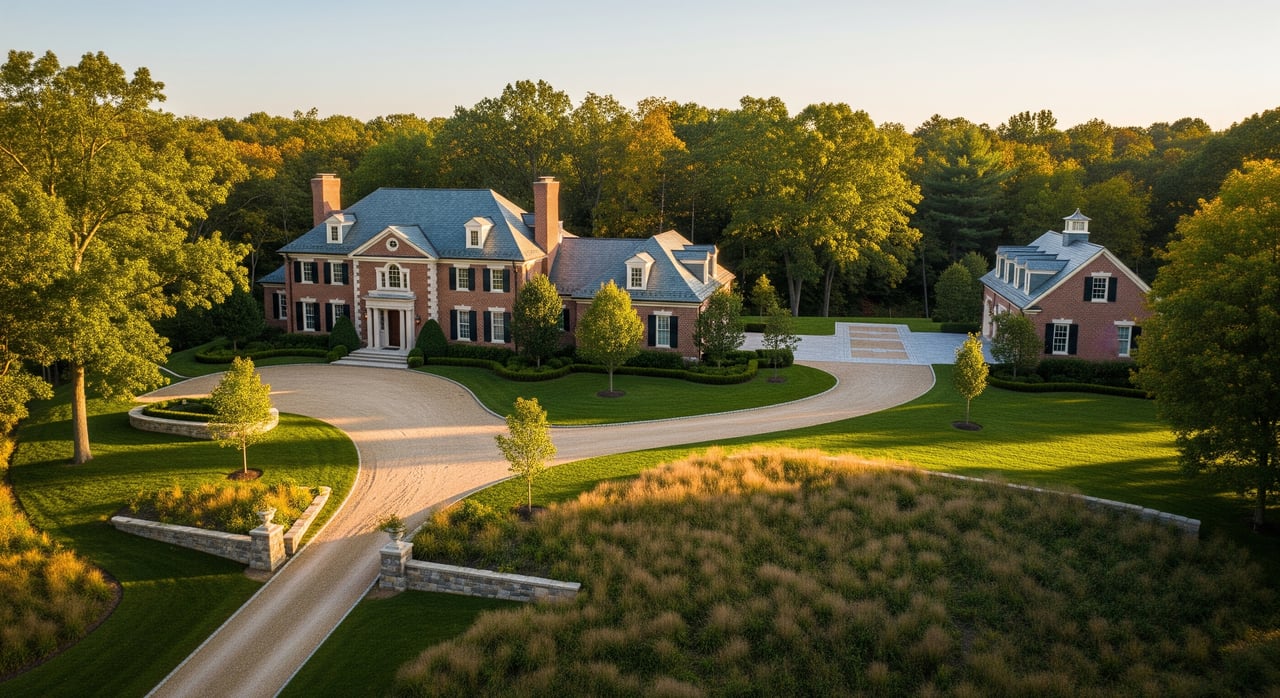
For buyers drawn to privacy, landscape, and estate-style settings, the Lakefront and Ravines areas are among Winnetka’s most distinctive. The village’s 2040 plan describes these pockets as shaped by Lake Michigan, bluff and ravine topography, large setbacks, mature vegetation, and single-family homes that range from older estates to newer residences.
The Ravines area is especially notable for its unusual lot shapes, secluded home sites, narrow private drives, and connector paths to the lakefront and Hubbard Woods station access. This is not the same experience as being in an in-town grid. Here, the setting itself becomes a major part of the appeal.
Along Sheridan Road and the eastern edge of Winnetka, local history sources point to estate-scale homes in styles such as Classical Revival, Tudor Revival, Spanish Revival, French Revival, and French Eclectic. If you are looking for the most dramatic architecture and the greatest sense of privacy, this is often where that search begins.
Winnetka Heights
Winnetka Heights offers another version of spacious residential living, but without the lakefront orientation. The Historical Society describes it as a west-central elevated neighborhood with wooded streets, large 100-by-188-foot lots, 50-foot setbacks, and many architect-designed homes.
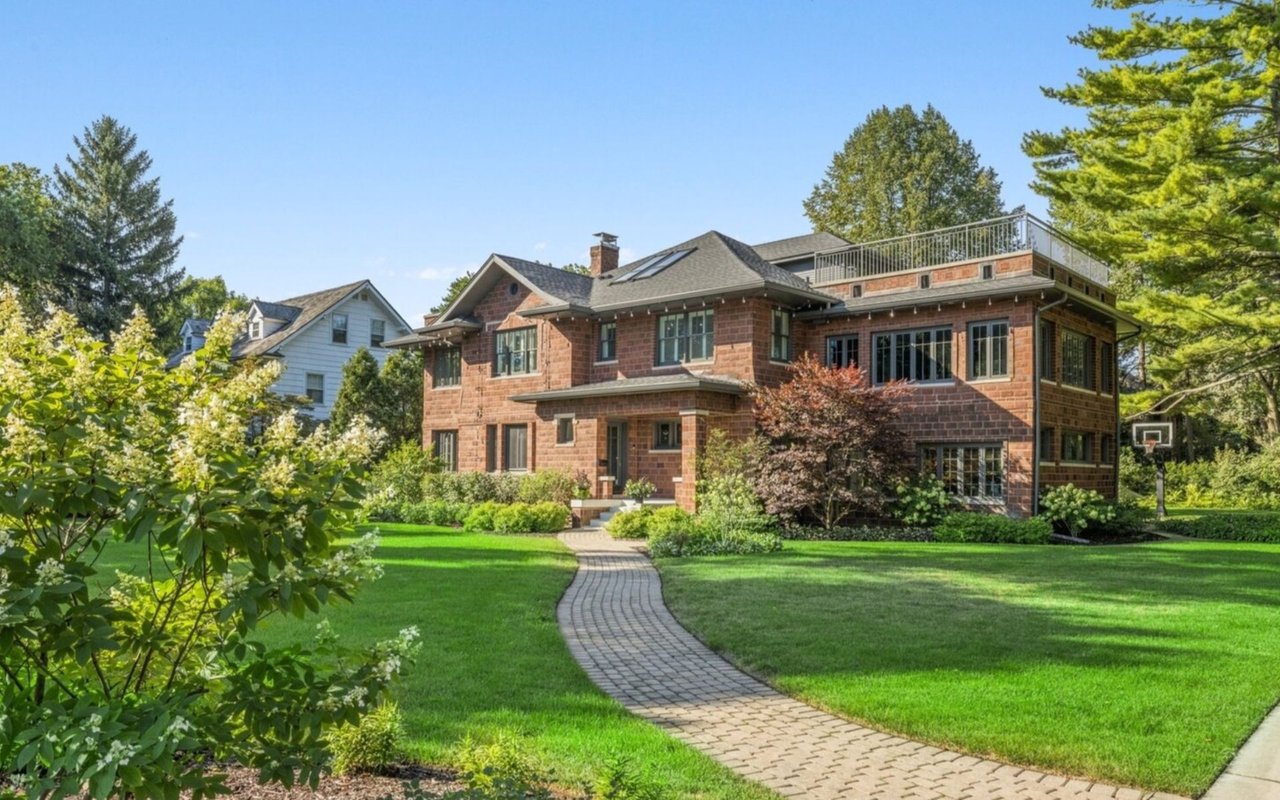
This pocket is especially helpful for buyers who want larger lots and a more substantial residential feel while staying away from the estate-style dynamics of the shoreline. Older homes here are especially likely to reflect Tudor Revival, Colonial Revival, and Prairie School design.
The Home Styles You Will See Most
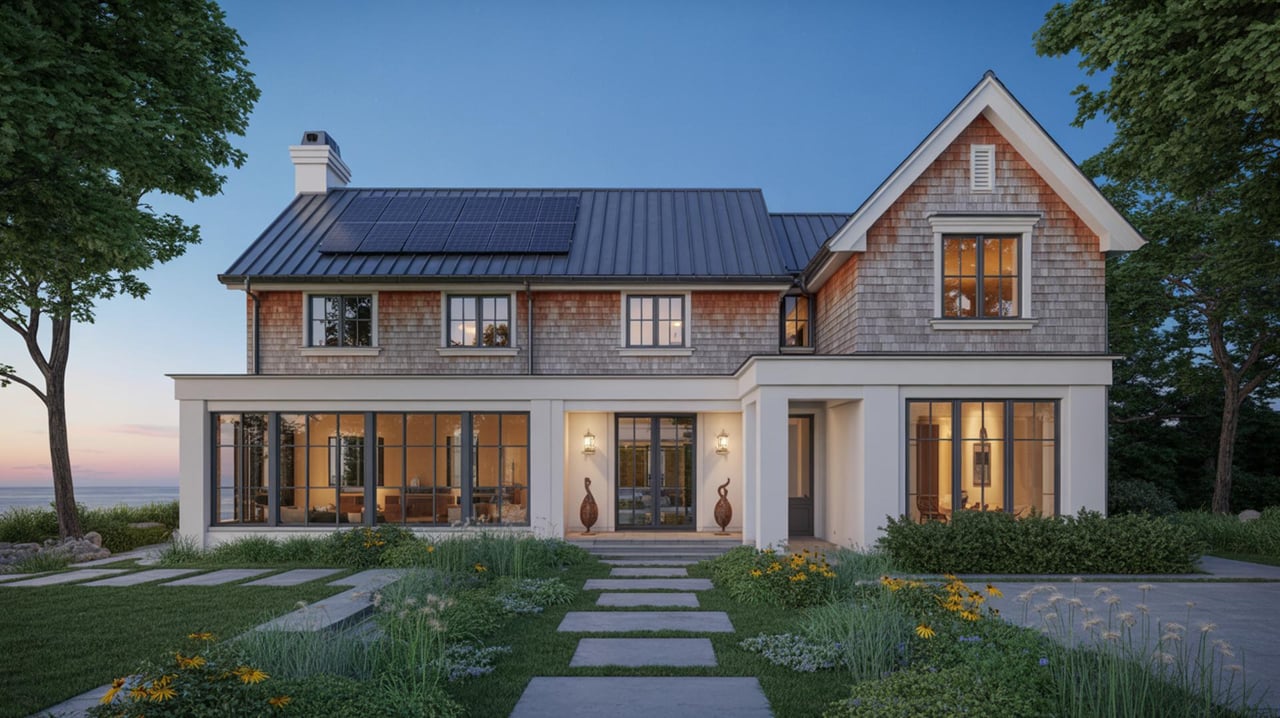
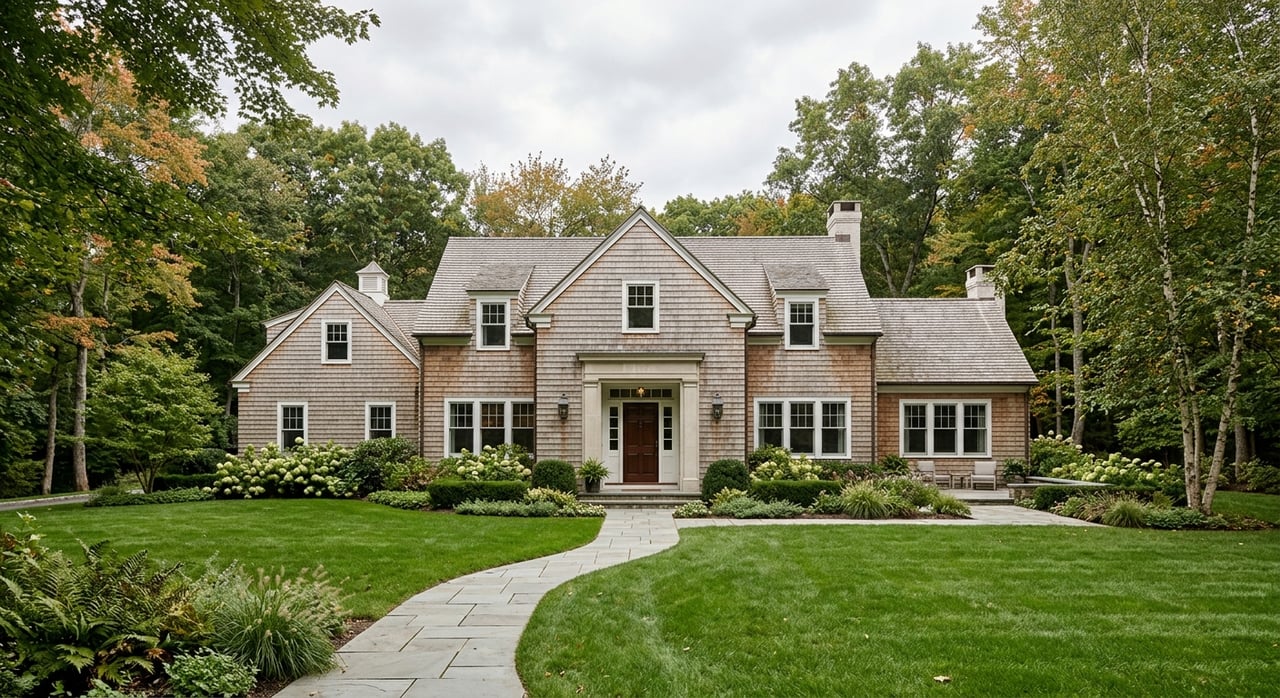
Winnetka has a broad architectural mix, which is one reason one street can feel very different from the next. Village and historical sources point to styles that include Gothic Revival, Queen Anne, Georgian Revival, Colonial Revival, Tudor Revival, French Revival, French Eclectic, Federal, Victorian-era homes, Prairie design, and more.
Still, one style stands out above the rest. According to the Winnetka Historical Society and village design materials, Tudor Revival is the most prominent residential style in Winnetka. In simple terms, that usually means steep roofs, cross gables, dormers, and mixed exterior materials that create an English-inspired look.
Where Certain Styles Show Up
Some style patterns are especially useful when you are narrowing your search:
- Tree Streets: Colonial, American Four Square, and Victorian homes are common reference points.
- Forest Glen: Mostly colonial homes, with a very cohesive overall look.
- Winnetka Heights: Tudor Revival, Colonial Revival, and Prairie School are especially common.
- Lakefront and Sheridan Road corridor: Larger revival-style estates, including Classical Revival, Tudor Revival, Spanish Revival, and French Revival examples.
It is also worth noting that Winnetka is not all large estates. Historical references include smaller-scale homes too, including cottage-style Tudor examples, which helps explain why the village can serve a wide range of buyers even within a relatively compact footprint.
Walkability, Transit, And Daily Convenience
For many buyers, the question is not just what the home looks like. It is also how daily life will work. Winnetka has three Metra stations, Hubbard Woods, Indian Hill, and Winnetka on Elm Street, all on the Union Pacific North line with service toward downtown Chicago and north toward Kenosha.
The Green Bay Trail runs about 2.24 miles through the village and connects to the train stations and several streets. For buyers who care about staying connected without getting in the car for every short trip, this trail-and-transit overlap is a meaningful advantage.
Based on the village’s planning framework, the most walkable pockets are generally the Tree Streets, central in-town or Elm Street areas, Hubbard Woods, Forest Glen, and parts of East Winnetka South. If you want quick access to shops and the train, these are usually the most practical places to start.
Recreation That Shapes The Lifestyle
Winnetka’s setting is not just about architecture and lot size. Recreation plays a major role in how the village functions day to day. The Winnetka Park District maintains a beach system that includes Centennial Beach, Elder Lane Beach, Lloyd Beach, Maple Street Beach, and Tower Road Beach, along with the Stepan Family Boat Launch.
The park district also operates the Winnetka Golf Club and Winnetka Ice Arena, and it maintains outdoor ice rinks at Indian Hill and Northfield Park when weather allows. For buyers comparing pockets within the village, that helps explain why central and east-side locations remain attractive even when lots are smaller than what you may find farther west.
How To Narrow Your Search In Winnetka
If you are trying to match a neighborhood to your priorities, a simple framework can help.
- For walkability and train access: focus on the Tree Streets, central Winnetka, Hubbard Woods, Forest Glen, and East Winnetka South.
- For larger lots and privacy: look more closely at Lakefront, Ravines, and Winnetka Heights.
- For cohesive architecture: Forest Glen is one of the clearest examples.
- For classic architectural variety: East Winnetka and the lakefront corridor offer some of the broadest style mix.
- For a village feel with easy daily errands: areas tied to Elm Street, Hubbard Woods, and Indian Hill deserve extra attention.
The best fit usually comes down to how you want your home and your day-to-day routine to work together. That is where local guidance can make a real difference, especially in a place like Winnetka where small geographic shifts can change the feel of a search quickly.
If you are weighing a move from the city to the North Shore, or comparing Winnetka with other suburban options, working with an experienced advisor can help you focus on the right pockets from the start. If you want personalized guidance on Winnetka and other select Chicago-area neighborhoods, connect with Cara Buffa.
FAQs
Which Winnetka neighborhoods are most walkable to shops and the train?
- The strongest source-backed options are the Tree Streets, central in-town or Elm Street areas, Hubbard Woods, Forest Glen, and parts of East Winnetka South because they connect closely to business districts and Metra stations.
Which Winnetka areas have the biggest lots and most privacy?
- Lakefront, Ravines, and Winnetka Heights are the clearest choices for larger setbacks, mature vegetation, and more secluded residential settings.
What housing style is most common in Winnetka?
- Tudor Revival is the most prominent housing style in Winnetka, although the village also has Colonial Revival, Georgian Revival, Victorian, Prairie, French Revival, and other historic styles.
What is Forest Glen in Winnetka known for?
- Forest Glen is known for being a cohesive pocket within Hubbard Woods with 57 two-story homes that are almost all colonial, plus close access to shops, restaurants, and the train station.
How is East Winnetka South different from East Winnetka North?
- East Winnetka North is more winding and vintage in character with larger lots and mature trees, while East Winnetka South has a more regular grid, varied lot sizes, and direct links to business districts and transit.
Does Winnetka have both smaller homes and large estates?
- Yes. Village and historical sources show that Winnetka includes smaller in-town homes, cottage-scale properties, and large estate-style homes, depending on the pocket.