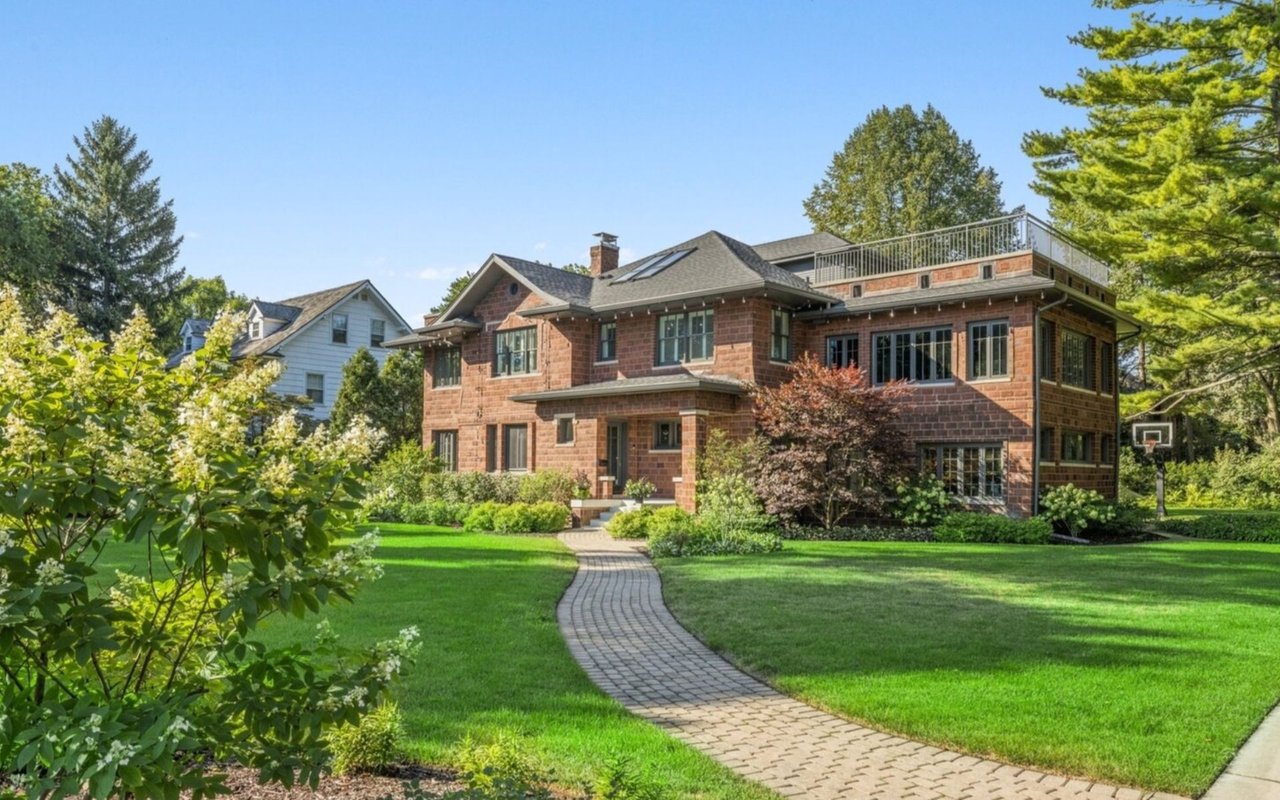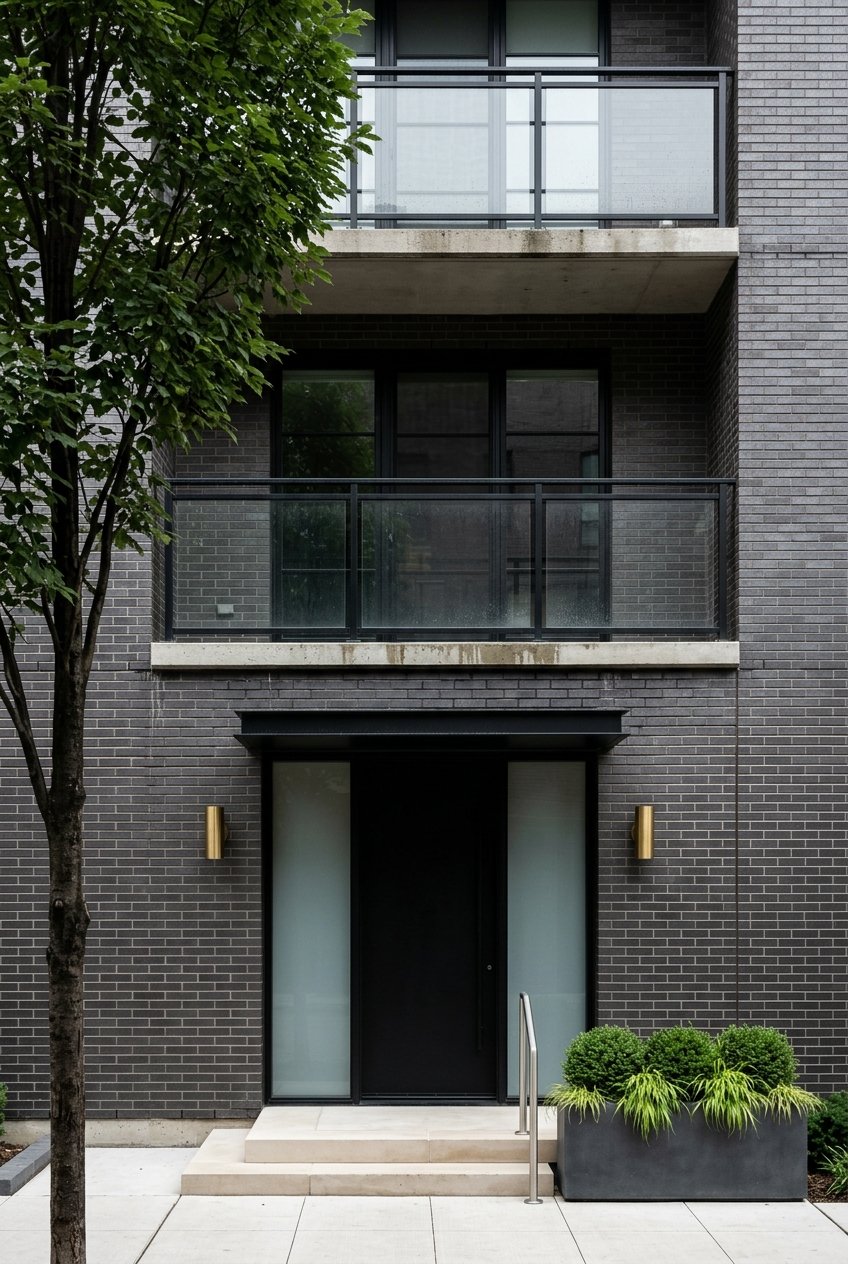
Trying to decide between a North Center condo and a two-flat? You are not alone. In this part of Chicago, both property types can be smart buys, but they solve very different problems. If you want a clearer way to compare cost, control, financing, and long-term flexibility, this guide will help you sort through the tradeoffs. Let’s dive in.
Why this choice matters in North Center
North Center is not a one-note housing market. According to 2024 housing-stock data from DePaul IHS, 35.6% of housing units are in buildings with 2 to 4 units, while 21.8% are condominiums. That makes this a neighborhood where both condos and small multifamily buildings play a major role in the market.
This local mix matters when you are choosing what to buy. You are not just comparing floor plans or monthly payments. You are also comparing two ownership models that can shape your maintenance responsibilities, financing options, and future resale path.
North Center also sits at the higher end of Chicago pricing. Cook County Assessor data show a 2024 median sale price of $809,000 for condos in North Center, and condo prices rose 17% from 2020 to 2024. Multi-family pricing also increased over that period, which tells you this is a market where both options carry real value and real competition.
How condos and two-flats differ
What you own with a condo
When you buy a condo, you own your individual unit plus a percentage interest in the building’s common elements. That usually includes areas like the roof, exterior, hallways, and shared systems. You also pay mandatory condo assessments that may cover items such as exterior repairs, common-area upkeep, water, sewer, trash, insurance, and reserve funding.
In Illinois, condo ownership is governed by the Illinois Condominium Property Act. The law requires associations to prepare an annual budget and provide reasonable reserves for capital expenditures and deferred maintenance. It also requires association property insurance on common elements and units at or above full insurable replacement cost, along with liability coverage.
What you own with a two-flat
A two-flat is a small multifamily property, not a shared-interest condo project. In practical terms, that means you have much more direct control over the building, the repairs, and how the property is used. If you buy a two-flat, you are typically making decisions about systems, maintenance timing, and rental strategy yourself.
That control can be a major advantage, but it also means more responsibility. Instead of relying on an association to manage reserves and building-wide repairs, you will likely carry that planning and expense personally. For some buyers, that feels empowering. For others, it feels like one more job.
Condo benefits for North Center buyers
Simpler upkeep
A condo can be a better fit if you want a more predictable ownership experience. Because the association handles many shared building responsibilities, your day-to-day maintenance burden may feel lighter than owning a two-flat. That can be especially appealing if you prefer a lower-hands-on property.
More structured budgeting
Monthly assessments are not always fun to pay, but they do create structure. In a well-run building, those dues help fund repairs, insurance, and reserves in an organized way. If you value a clearer monthly framework, a condo may feel easier to manage.
A cleaner fit for lifestyle buyers
If your main goal is to own your home and enjoy the neighborhood without taking on landlord duties, a condo often makes sense. Many buyers want to focus on location, layout, and everyday convenience rather than building operations. In that case, a condo can be the simpler path.
Two-flat benefits for North Center buyers
More control over the property
A two-flat gives you direct control over repair decisions, building improvements, and long-term planning. You are not waiting on association votes or board processes for major property choices. If you value autonomy, that can be a meaningful advantage.
Rental income potential
One of the biggest reasons buyers choose a two-flat is flexibility. You may live in one unit and rent the other, or eventually hold the property as an income-producing asset, depending on your goals and financing structure. That extra unit can help offset carrying costs and create a different kind of ownership strategy than a condo can offer.
Long-term optionality
Two-flats can work harder for your future plans. If your life changes, your housing can change with it. A property that supports owner occupancy today and income potential later can be attractive in a neighborhood like North Center, where small multifamily supply still matters.
Financing is not the same
Condo financing depends on the project
With a condo, your financial profile is only part of the equation. Lenders also review the condo project itself. That can include the building’s financial stability, insurance coverage, physical condition, litigation, safety issues, and whether the project meets warrantability standards.
That means a buyer can be well qualified and still run into financing friction if the association or building does not meet lender requirements. Before you get too far into a condo purchase, it is smart to understand the building’s financial and operational health.
Two-flat financing can offer more leverage
For owner-occupied 2 to 4 unit properties, Fannie Mae’s current DU matrix allows up to 95% loan-to-value. Fannie Mae also instructs lenders to count rental income from a borrower’s principal residence that is a 2 to 4 unit property at 75% of gross rent for qualification. For buyers looking at a North Center two-flat, that can materially change what is affordable.
There is also an FHA path for small multifamily buyers. HUD states that FHA loans can go as low as 3.5% down on 1 to 4 unit properties, and the self-sufficiency rental-income test applies only to 3 to 4 unit properties, not a true two-flat. Buyers still need to meet occupancy, credit, appraisal, and underwriting standards, but this can be a useful option for some purchases.
Loan limits matter in North Center
The 2026 baseline conforming loan limit is $832,750 for a 1-unit loan and $1,066,250 for a 2-unit loan in the contiguous states. In North Center, that matters. The neighborhood’s 2024 condo median sale price of $809,000 sits just below the 1-unit baseline, so many condo purchases may still fit conforming financing, but not all will.
A two-flat is typically financed as a 2-unit property, which comes with a higher conforming limit. That does not guarantee better terms, but it can expand the financing framework for buyers comparing larger purchase prices. In a neighborhood with elevated values, those details are worth reviewing early.
The hidden question: how much responsibility do you want?
Condo ownership includes association risk
A condo can feel simpler, but it is not fully hands-off. Association decisions can affect your costs, your financing, and even resale. Buyers should review reserves, ask about special assessments, understand the master insurance policy, and learn what modifications are allowed before committing.
Under Illinois law, special assessments above 115% of the prior year’s assessments can trigger a unit-owner petition meeting process. The law also allows reserve waivers under defined voting and disclosure rules. In plain terms, condo document review is not a formality. It is one of the most important parts of your due diligence.
Two-flats shift more risk to you
A two-flat gives you freedom, but freedom comes with exposure. If the roof, masonry, or building systems need work, you will likely be planning and funding those items directly. The purchase price is only part of the story.
For that reason, buyers should think beyond the mortgage. Repair exposure, cash reserves, and a realistic maintenance plan matter just as much. In North Center, where values are high and replacement costs matter, this is especially important.
Why scarcity matters in North Center
North Center’s two- to four-unit buildings have faced significant conversion pressure. A HUD Cityscape study found that North Center accounted for 15.1% of Chicago’s total two- to four-unit parcels lost to single-family replacement from 2013 to 2019. That helps explain why existing small multifamily properties can carry a scarcity premium.
If you are comparing a condo to a two-flat here, you are comparing more than ownership style. You are also comparing how rare each opportunity may be, how easy it could be to replace that type of asset, and how future buyers might view it. In a neighborhood with meaningful two-flat loss, small multifamily can stand out for reasons beyond monthly cash flow.
A practical framework for buyers
If you are torn between the two, use this simple lens:
- Choose a condo if you want lower hands-on maintenance, a more structured monthly ownership model, and a home that is primarily about your own living experience.
- Choose a two-flat if you want more control, more flexibility, and the ability to use rental income as part of your ownership strategy.
- Slow down on either option if the building documents, repair needs, or financing structure do not make sense on paper.
You do not need the “better” property type. You need the better fit for your goals, your tolerance for responsibility, and the way you want this purchase to serve you over time.
In North Center, that choice deserves a close read. This is a neighborhood where condos can offer polished, lower-maintenance ownership, while two-flats can offer flexibility that may be harder to find later. The right answer usually becomes clearer when you compare not just the asking price, but the full picture of control, upkeep, financing, and future use.
If you want a second opinion on a specific building, block, or purchase strategy, working directly with an experienced Chicago broker can make the comparison much easier. For tailored guidance on North Center condos, two-flats, and how each option fits your goals, connect with Cara Buffa.
FAQs
What is the main difference between a North Center condo and a North Center two-flat?
- A condo gives you ownership of an individual unit plus a shared interest in common elements, while a two-flat gives you much more direct control over the building, repairs, and potential rental use.
Are North Center condos easier to maintain than North Center two-flats?
- Often, yes. Condo associations typically handle many shared building responsibilities, while a two-flat owner usually manages repairs and capital planning more directly.
Can rental income help you qualify for a North Center two-flat purchase?
- In many cases, yes. Fannie Mae says lenders can count 75% of gross rent from a borrower’s principal residence that is a 2 to 4 unit property for qualification.
Do North Center condos come with financing risks beyond the buyer’s income and credit?
- Yes. Lenders also review the condo project itself, including financial stability, insurance, physical condition, and warrantability.
Why do North Center two-flats sometimes carry a scarcity premium?
- North Center has seen notable loss of two- to four-unit parcels to single-family replacement, which can make existing small multifamily properties feel more limited in supply.
Are condo assessments in Illinois supposed to include reserve planning?
- Yes. The Illinois Condominium Property Act says condo boards must prepare an annual budget and provide reasonable reserves for capital expenditures and deferred maintenance.