Trying to choose between a new build and an older home in Highland Park? It is a smart question, because in this market, the decision is not just about style. You are often weighing character, upkeep, price range, and even city review requirements. If you want to understand how new construction and vintage homes really compare in Highland Park, this guide will help you sort through the tradeoffs and decide which path fits your goals. Let’s dive in.
Highland Park Housing Has Two Strong Paths
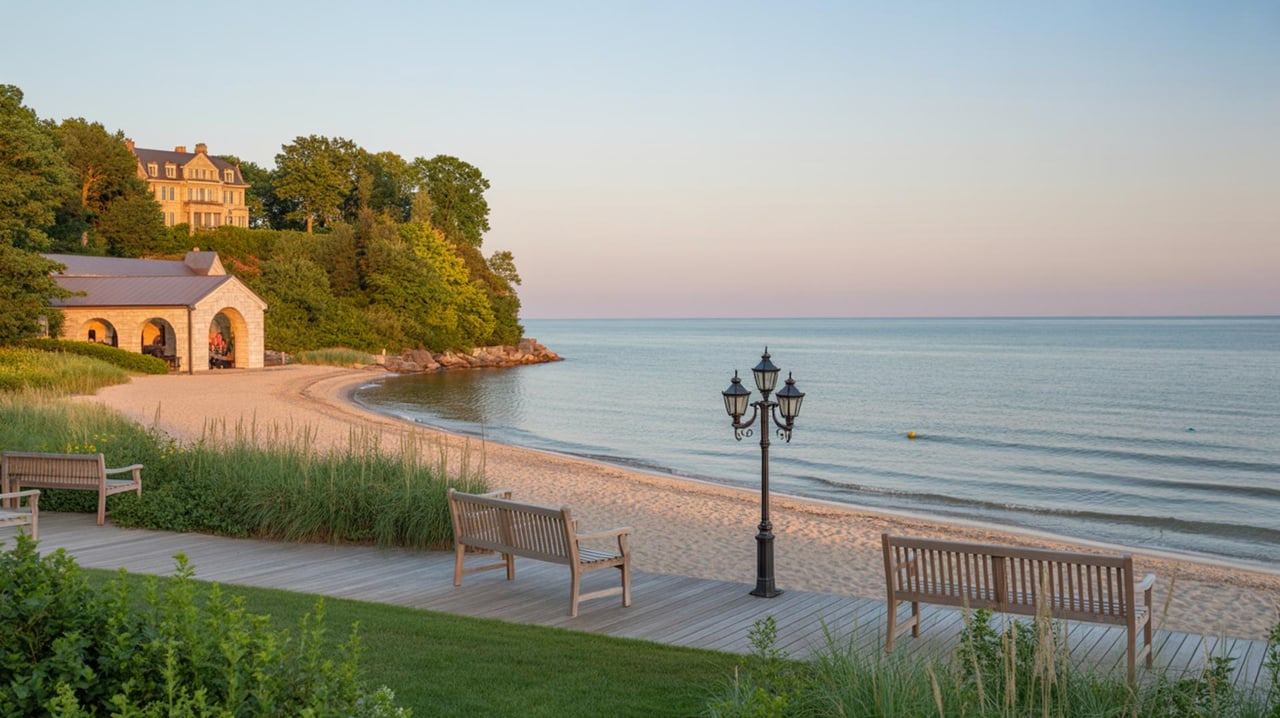
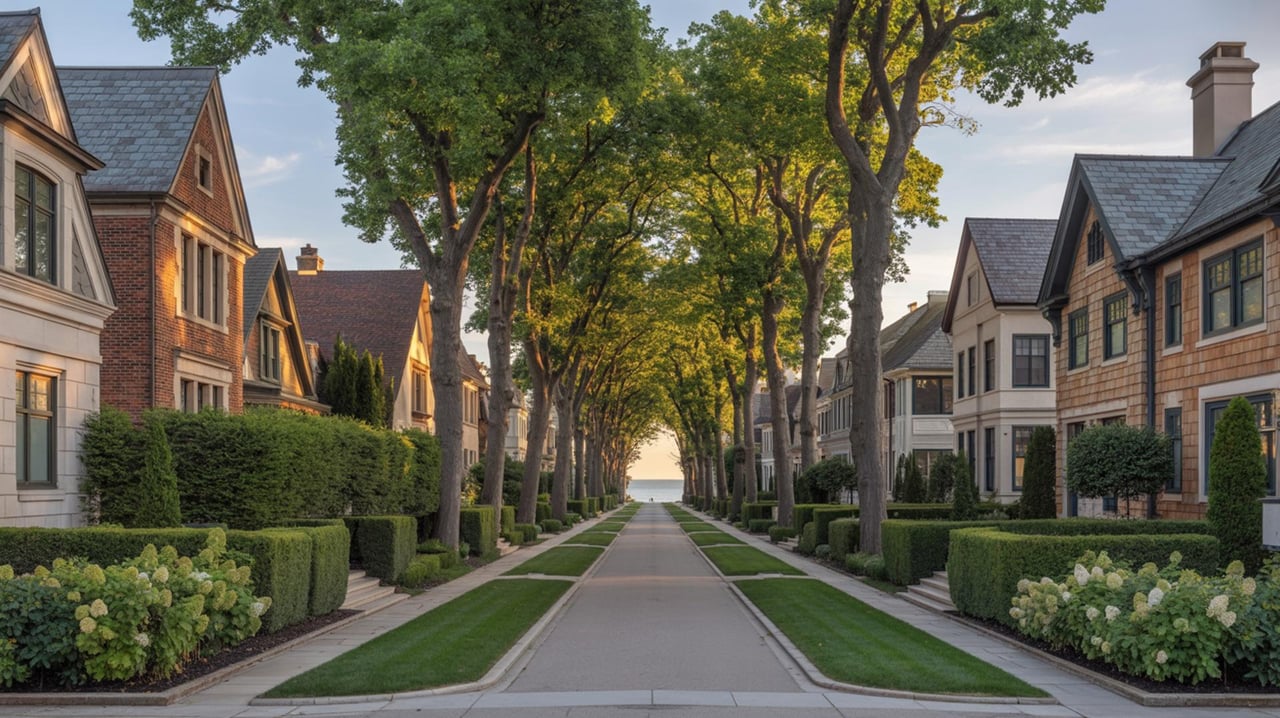
Highland Park offers a housing mix that feels especially distinct because its history shaped where and how homes were built. The city grew as a railroad community after commuter rail service began in 1855, and older housing stock remains concentrated on the east side and near Lake Michigan. In those areas, wooded ravines and curving streets influenced early development and still shape the feel of the housing today.
That older fabric is a big part of why vintage homes carry so much appeal here. Highland Park’s preservation plan notes architect-designed homes, high-style residences, and some of the community’s oldest homes in these areas. At the same time, newer construction brings a very different value proposition, with more current layouts, materials, and systems.
What New Construction Looks Like
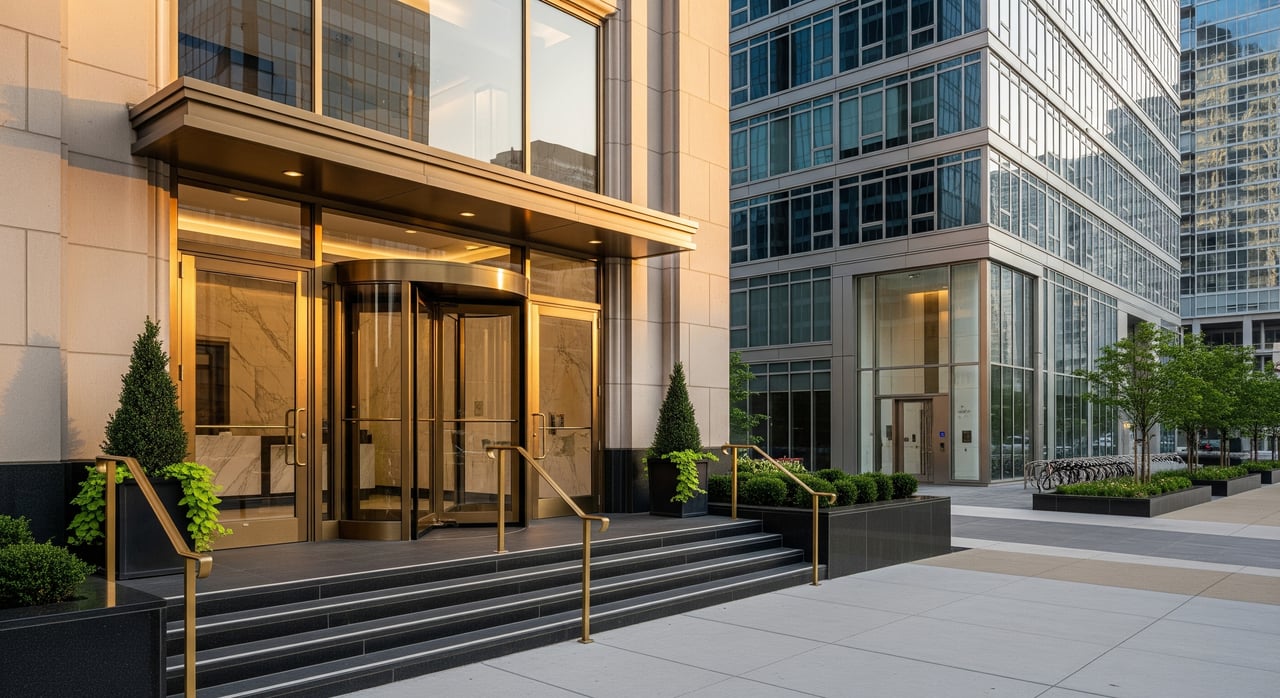
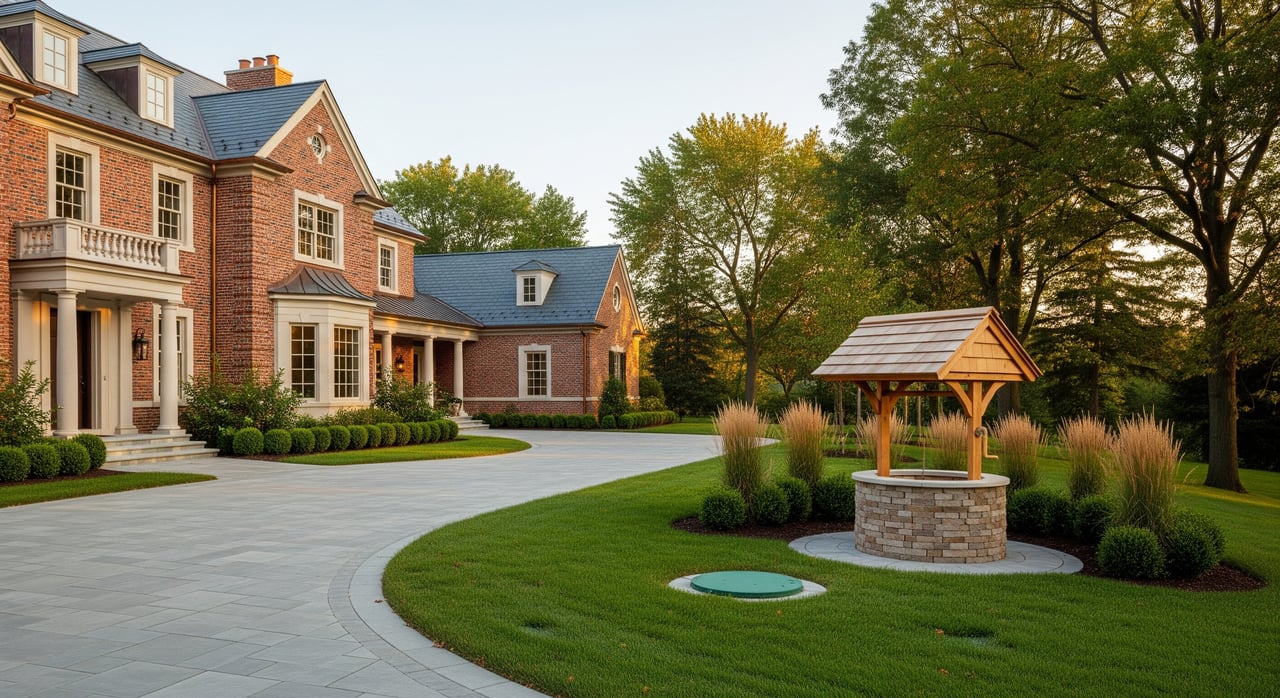
New construction in Highland Park tends to be limited in supply and often positioned at the higher end of the market. Snapshot listing data in the research report shows only a small number of new-construction homes available at one time, and those homes often skew custom and premium-priced. That scarcity alone can make newer options feel competitive.
The current examples show a broad luxury range. Listings cited in the research include homes around $1.18 million to $2.5 million, along with higher-end properties priced above $4 million. Sizes also vary widely, from a little over 3,200 square feet to more than 9,400 square feet.
Common New-Construction Features
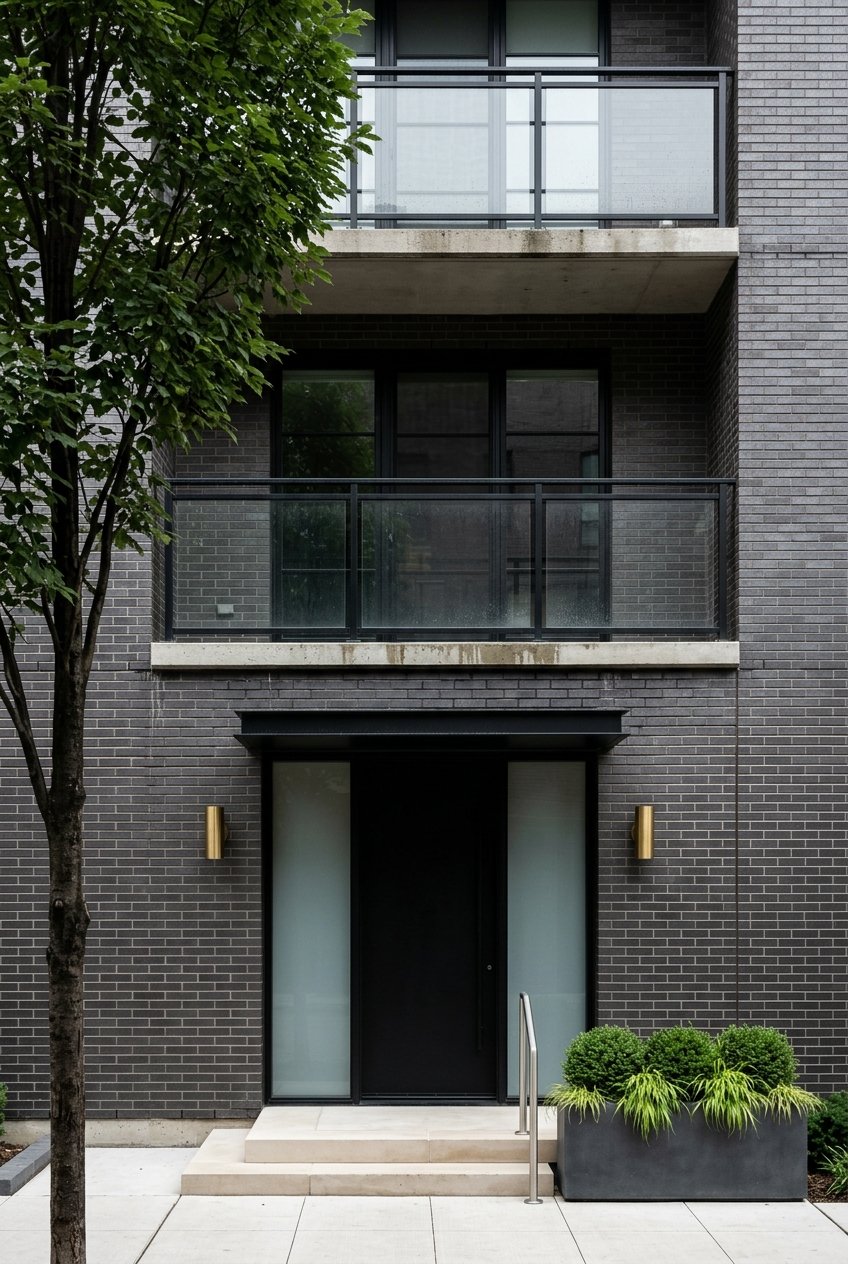
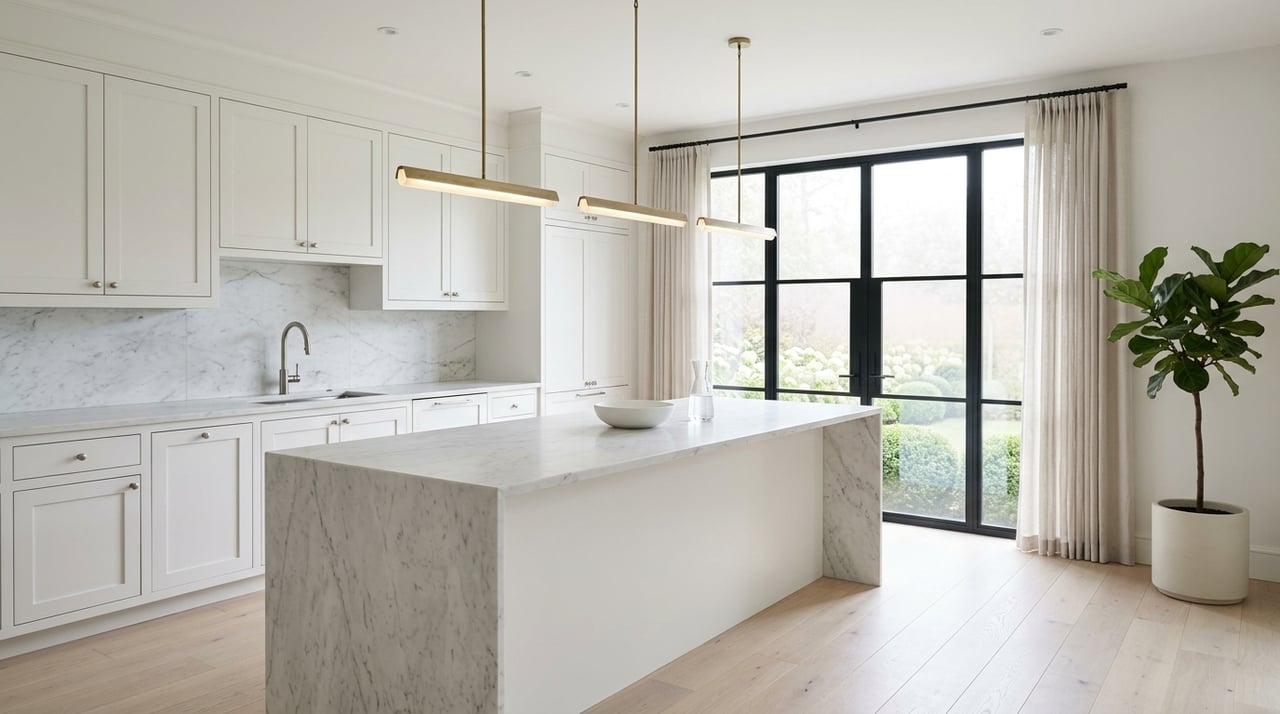
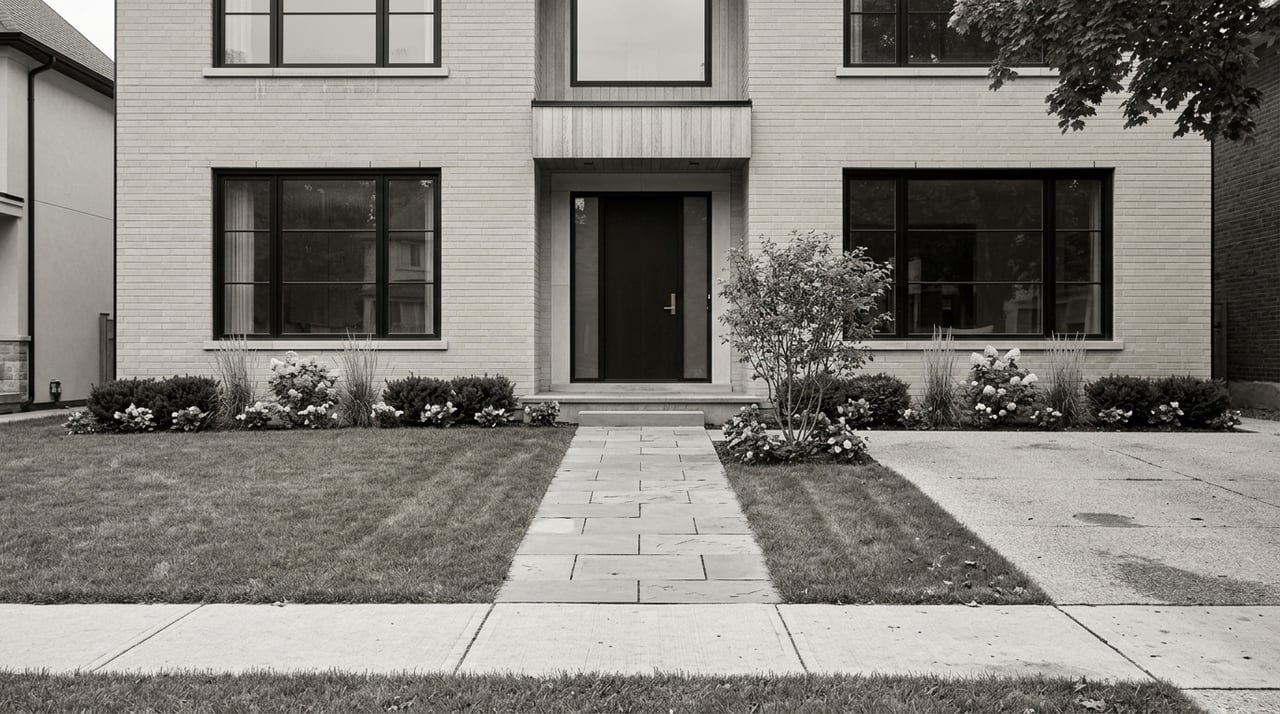
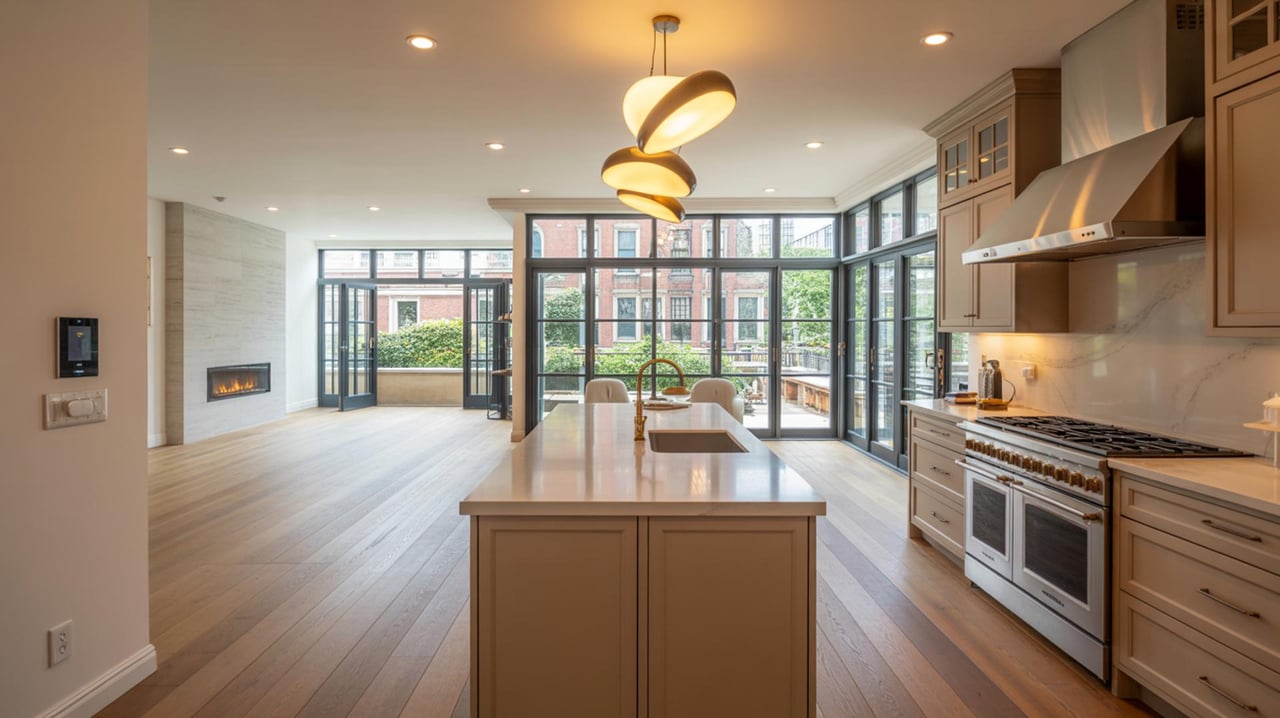
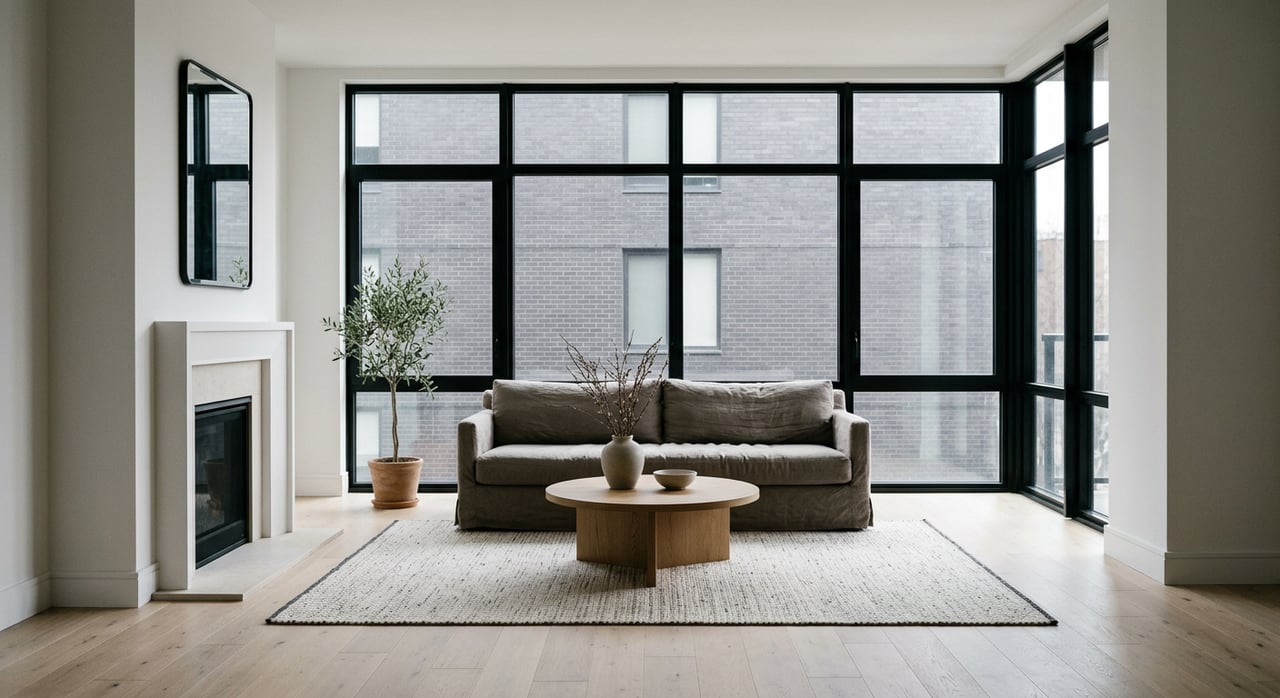
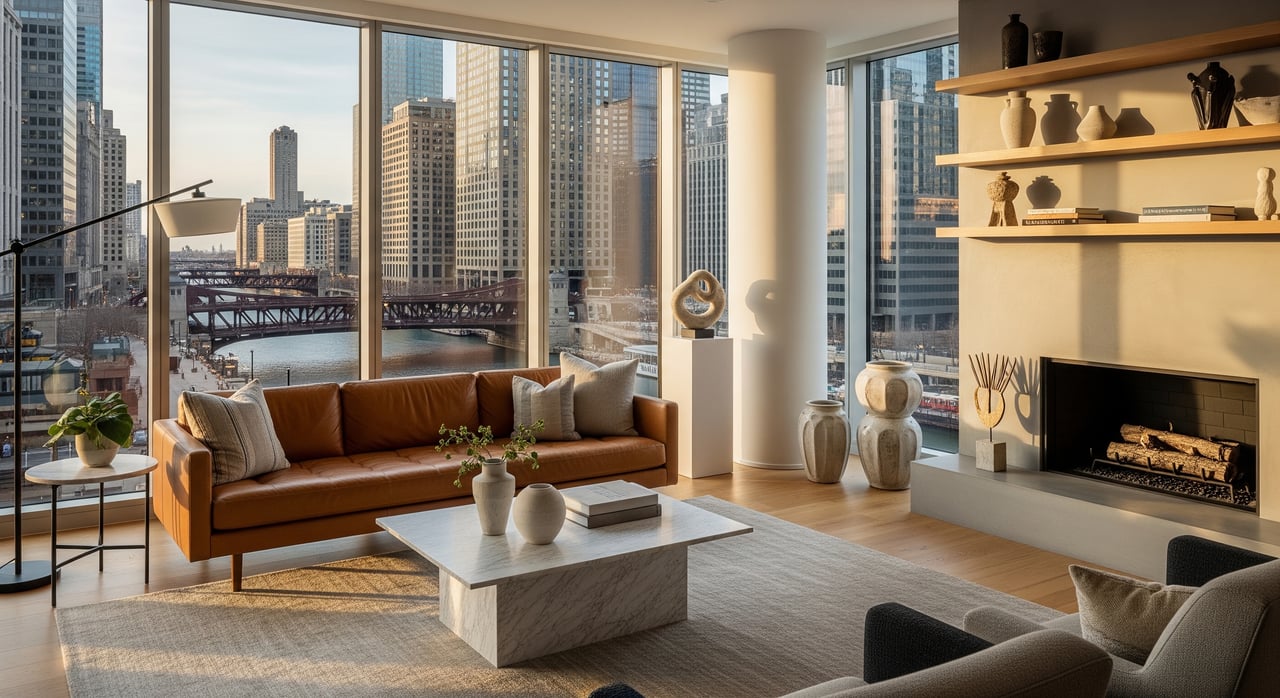
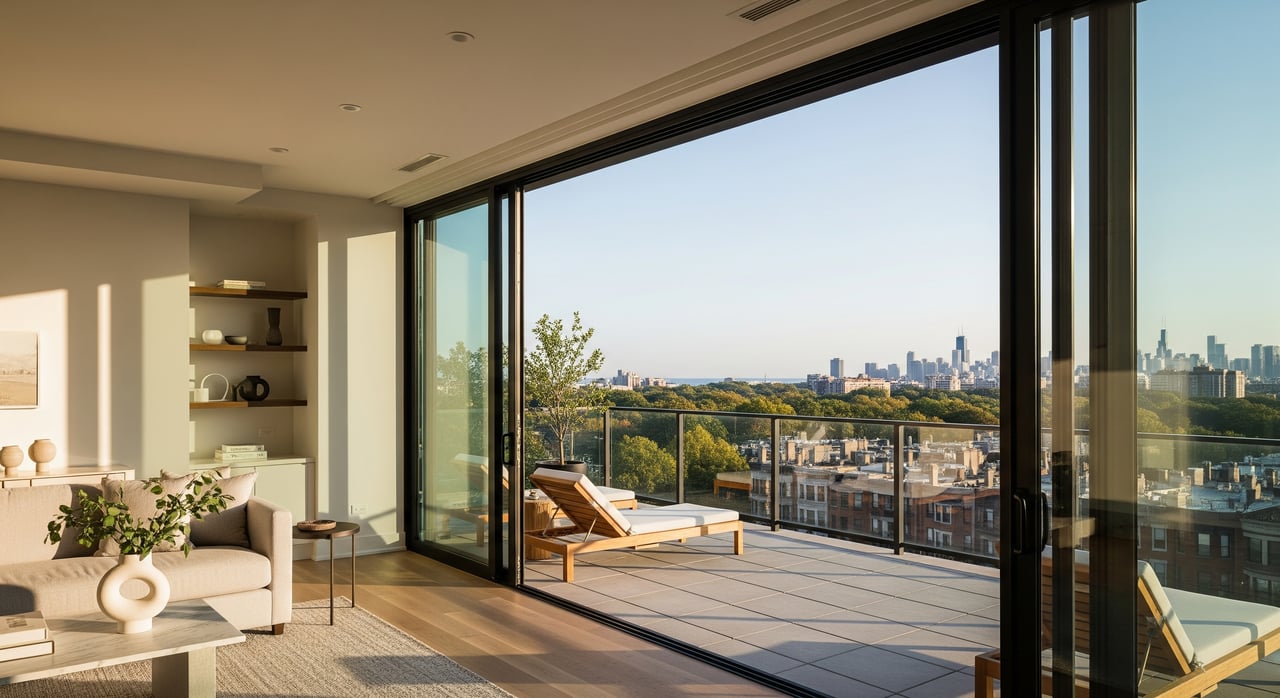
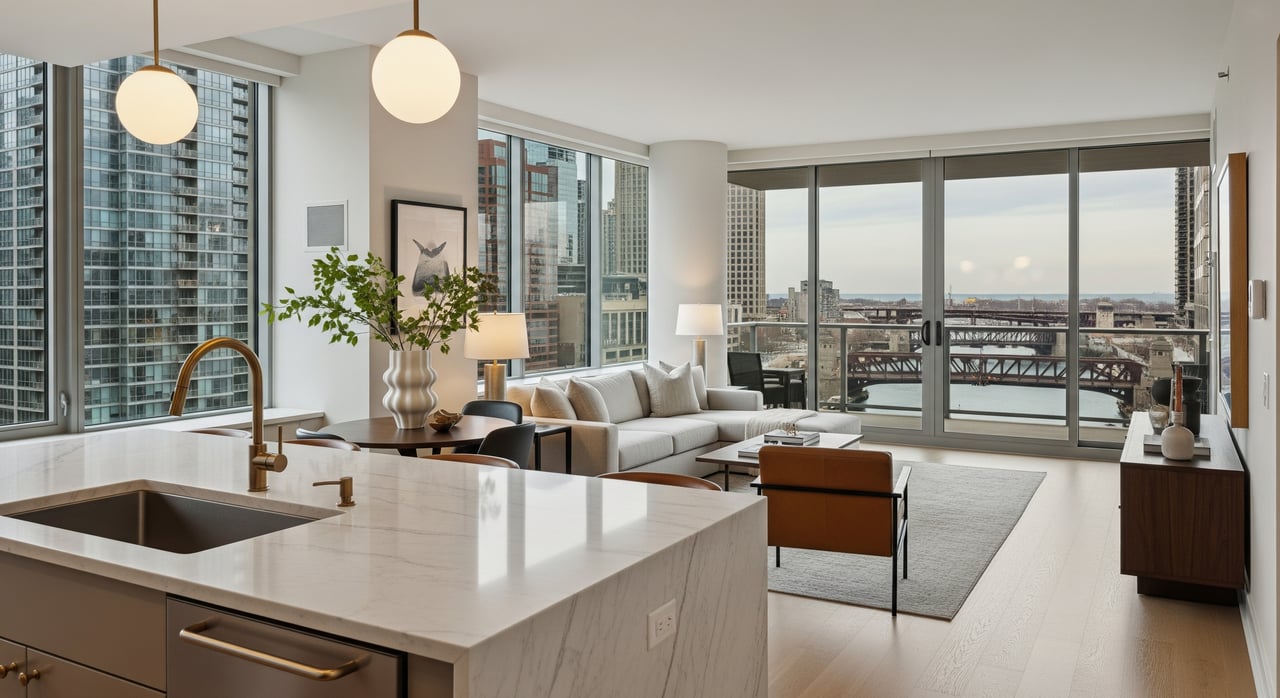
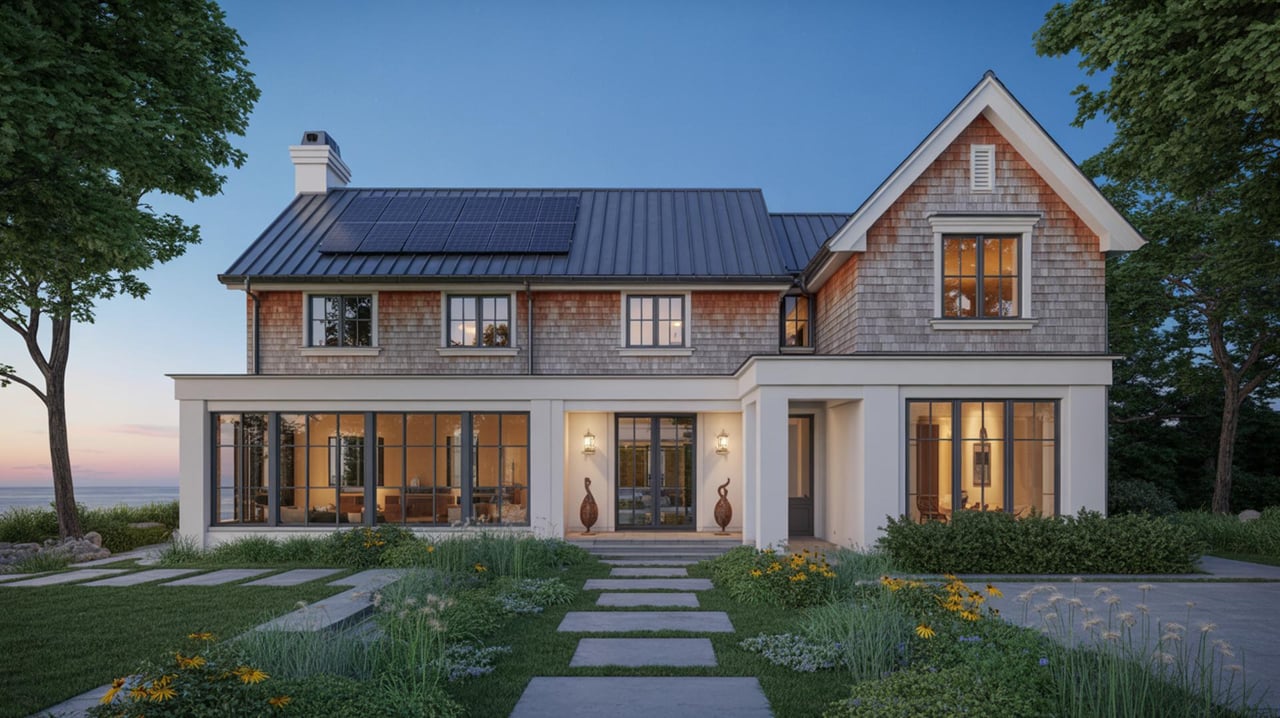
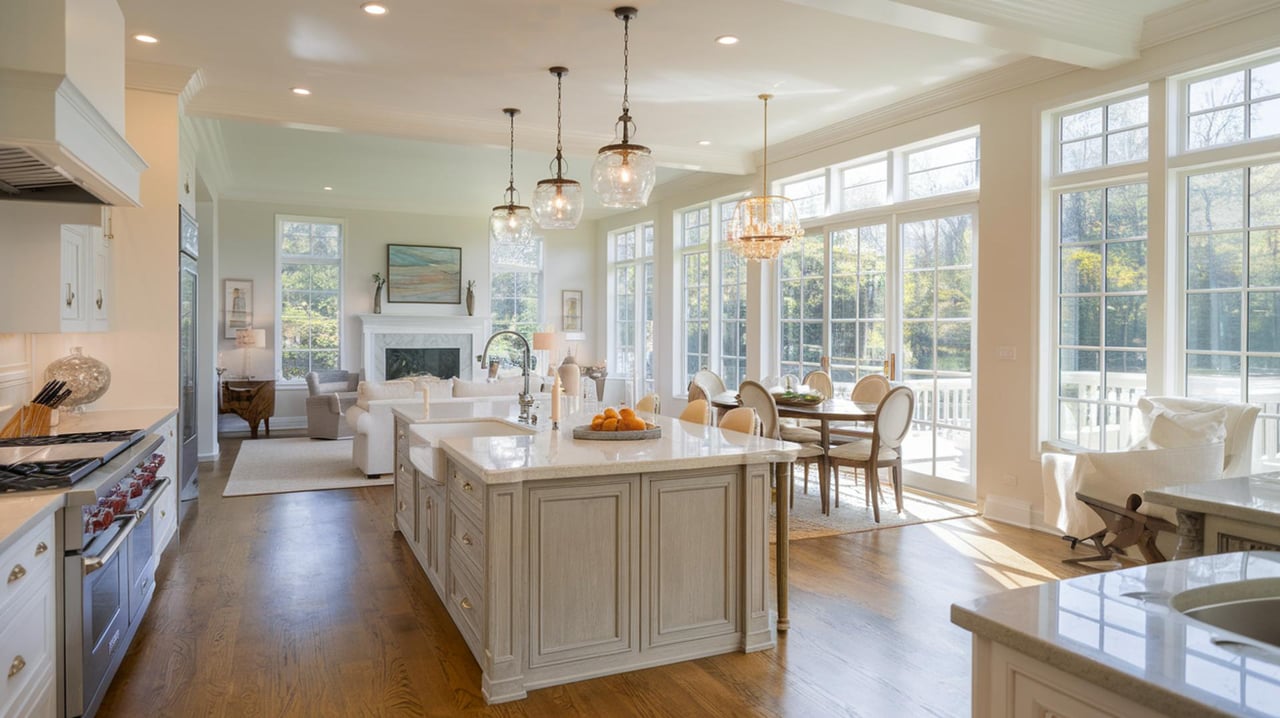
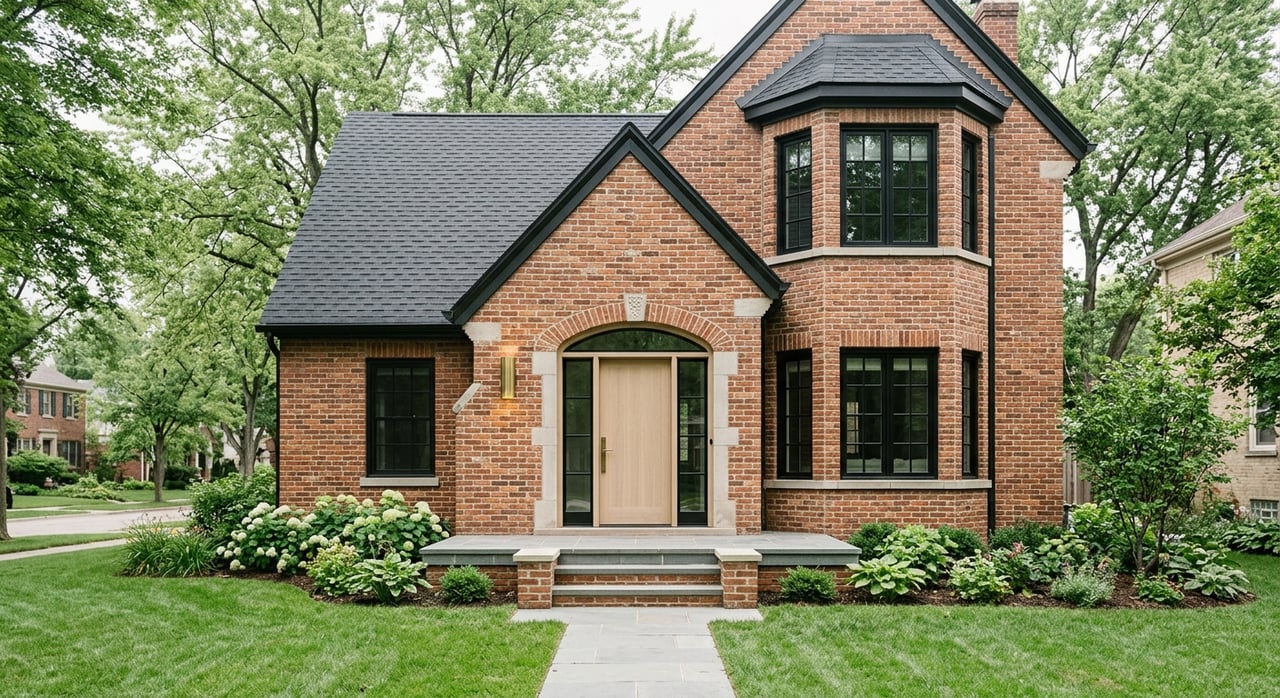
Many new homes in Highland Park emphasize a turnkey experience. You will often see open floor plans, large en-suite bedrooms, attached garages, smart-home features, and a polished, move-in-ready finish. For buyers who want fewer immediate projects, that can be a major advantage.
New homes also benefit from current code requirements. Highland Park’s adopted codes require new submittals to comply with the 2021 Illinois Energy Conservation Code, effective January 1, 2024, along with the city’s broader code set. In practical terms, that means efficiency is often built into the home from the start instead of added later.
What Vintage Homes Look Like
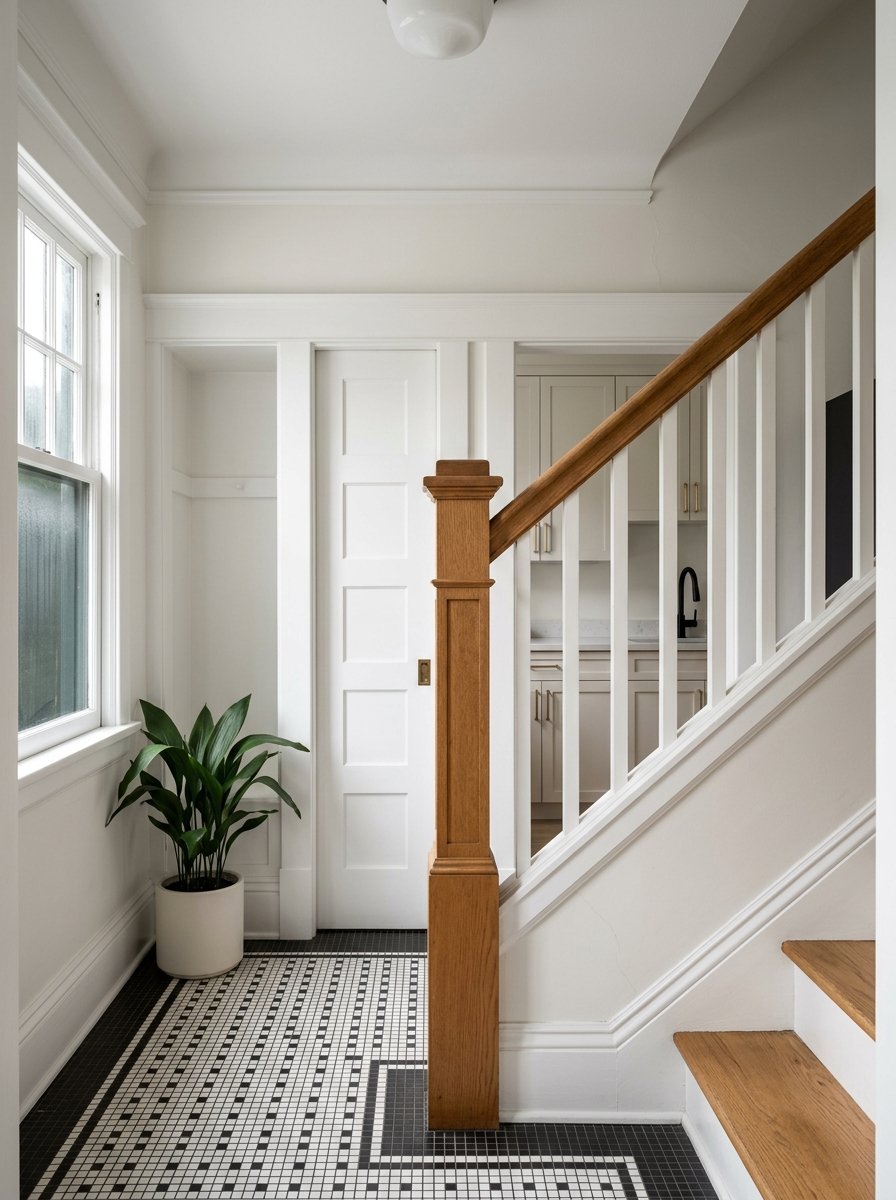
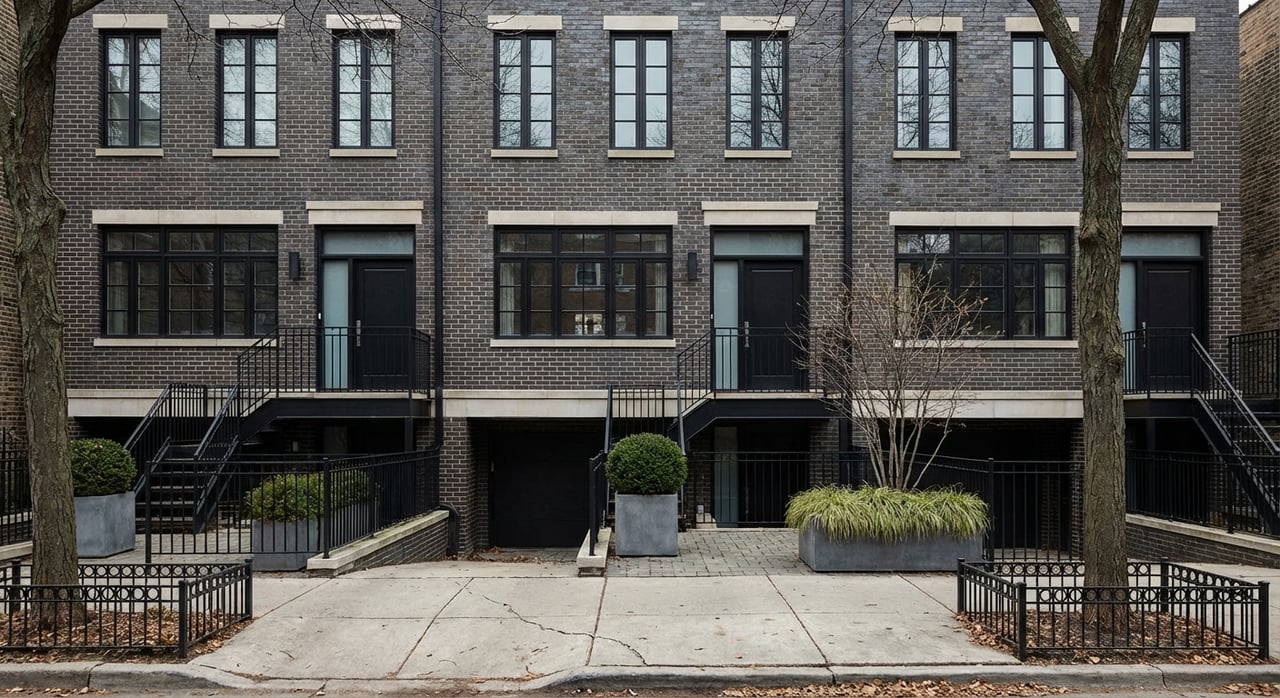
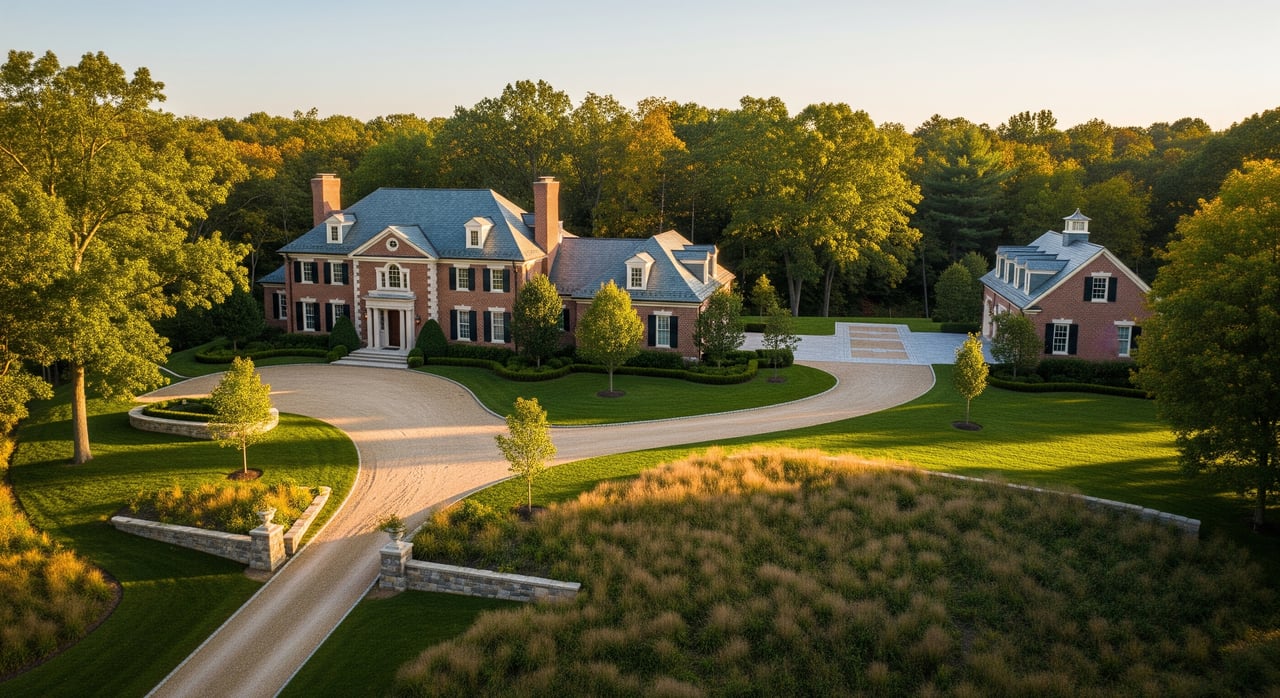
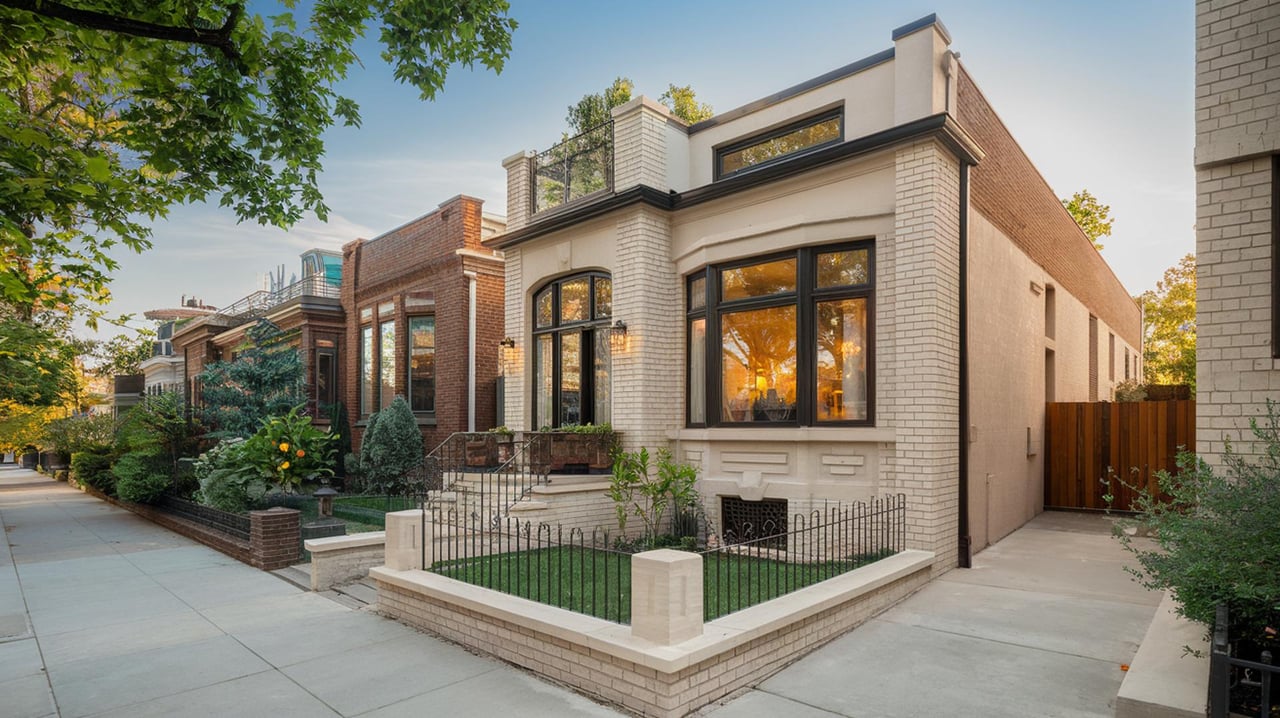
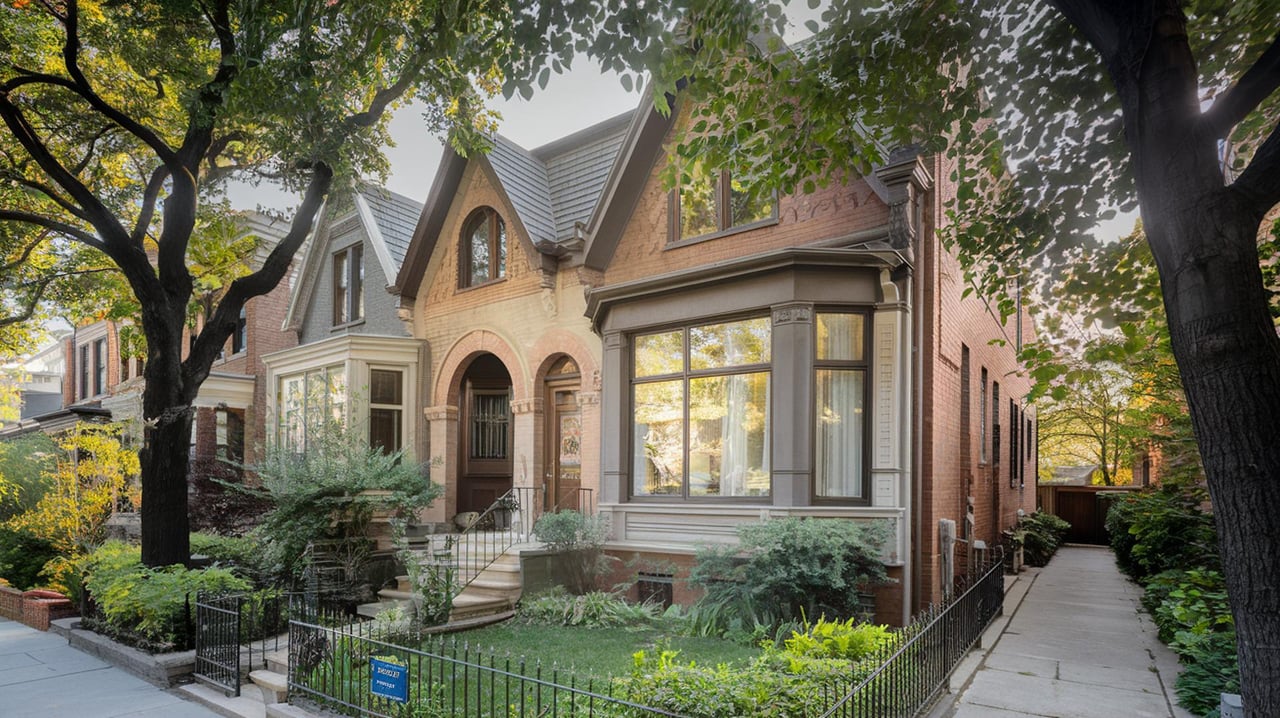
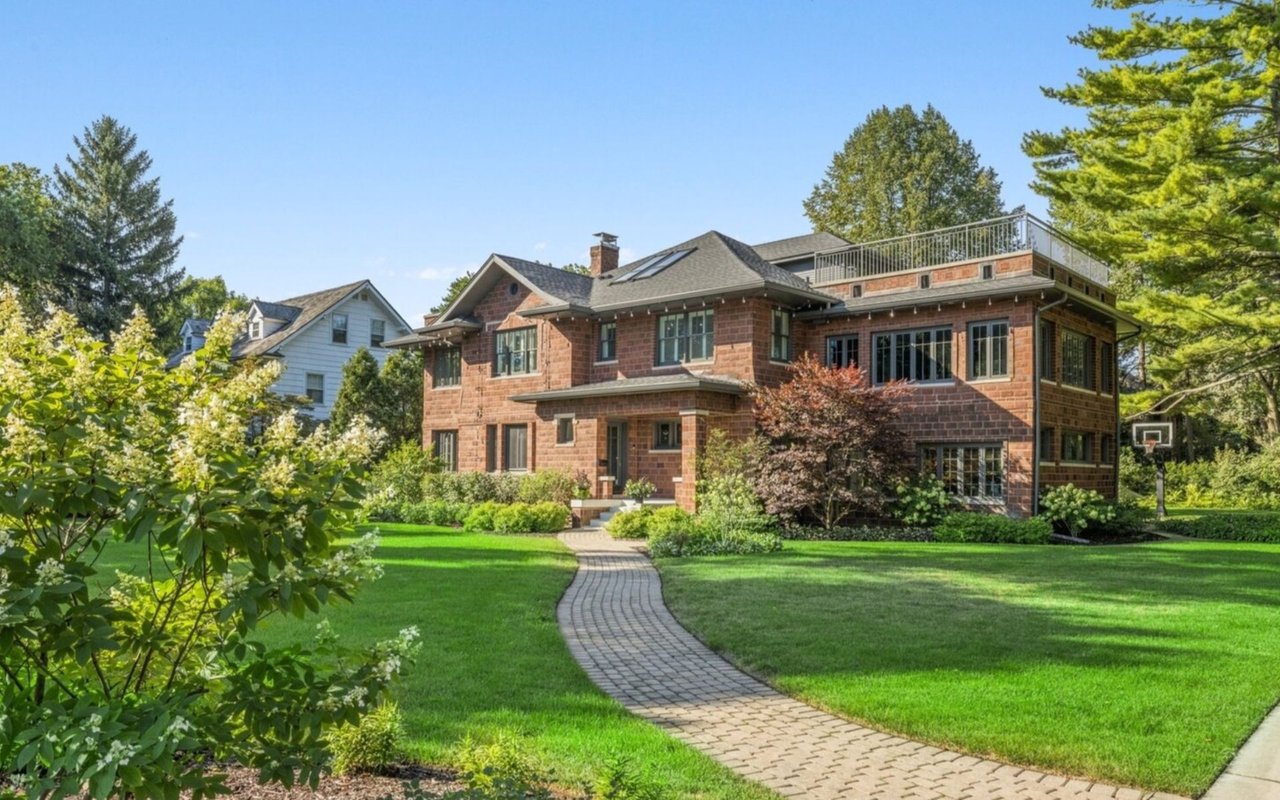
Vintage homes in Highland Park offer a much broader mix of styles, eras, and price points. The research report shows more vintage inventory than new-construction inventory, with listings ranging from about $550,000 to nearly $2 million in the examples provided. That wider spread can create more options depending on your budget and priorities.
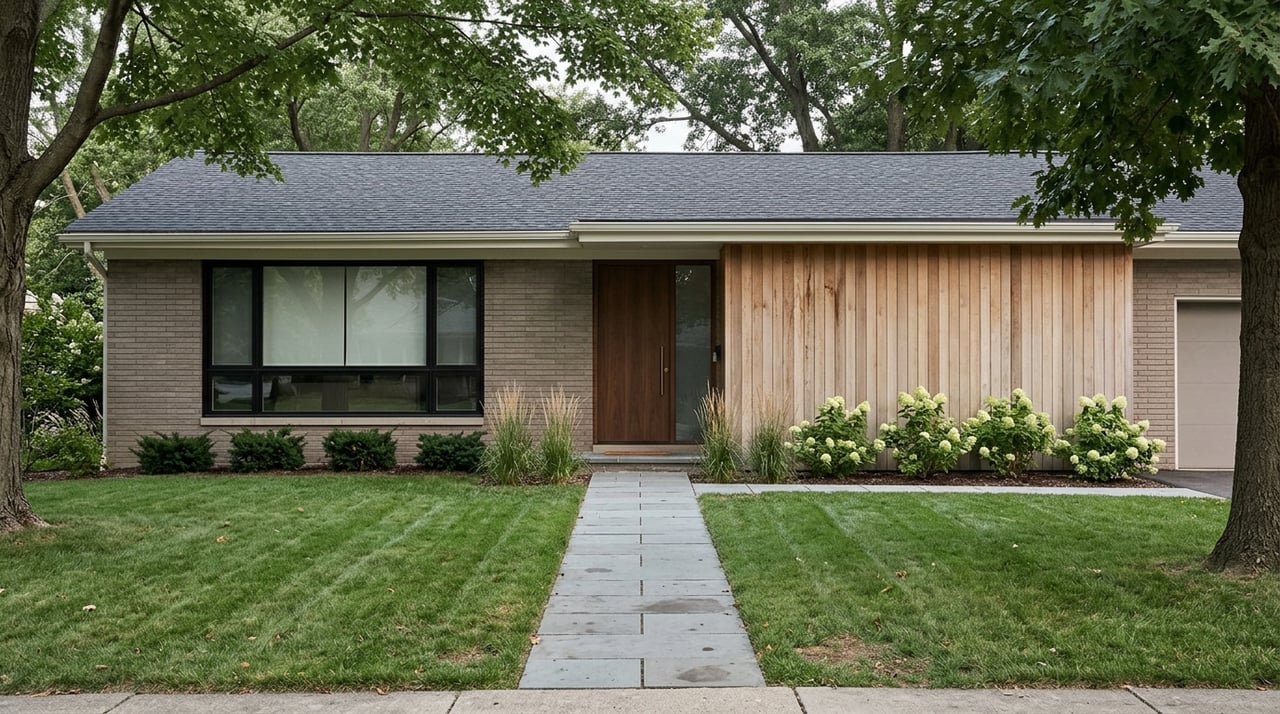
Just as important, vintage does not mean one single look in Highland Park. It may mean a late-1800s home in an older district, a 1920s Colonial Revival residence, or a later postwar house on the west side. The variety is one of the biggest reasons buyers are drawn to older homes here.
Why Vintage Feels Distinct Here
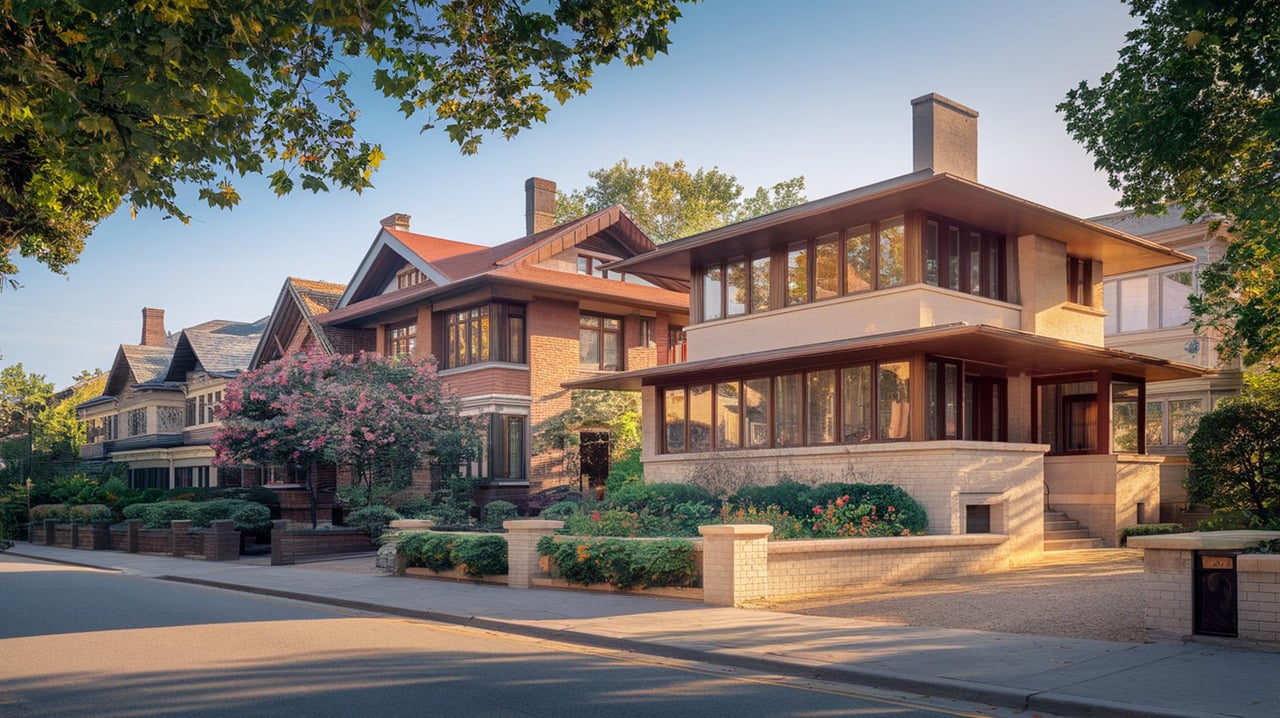
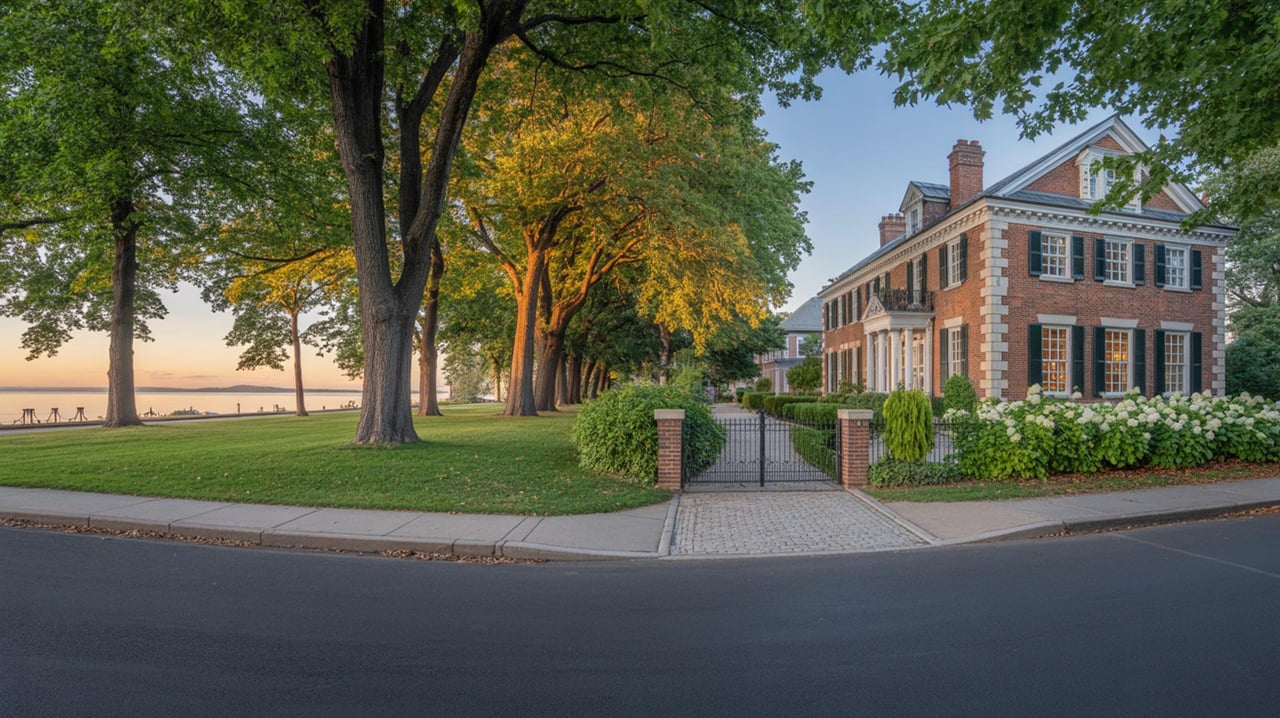
Highland Park’s preservation plan helps explain why older homes have such a strong identity. The Linden Park Place/Belle Avenue district includes some of the city’s earliest homes and a wide range of architectural styles, including Italianate, Victorian Gothic, Prairie, Colonial, Tudor, and International Style. The Hazel Avenue/Prospect Avenue district also includes some of Highland Park’s oldest buildings and a concentration of Victorian and turn-of-the-century architecture.
The city’s broader neighborhood pattern adds another layer. The east side developed with curving streets and ravine-cut topography, while later west-side development included Colonial Revival and Tudor Revival homes, followed by ranches, split levels, and modern homes on cul-de-sac streets. That means your experience of “vintage Highland Park” can vary quite a bit depending on location.
Price Range and Inventory Differences
One of the clearest differences between these two categories is supply. New construction appears to be relatively scarce, while vintage homes are more plentiful and more varied. If you want many options to compare, vintage inventory is likely to give you a wider field.
Price also tells part of the story. New construction in Highland Park is often premium-priced, especially when it is custom, larger in scale, or set on standout lots. Vintage homes can reach similar or higher price points, but they also offer lower entry points in the examples from the research report.
Quick Comparison
| Category | New Construction | Vintage Homes |
|---|---|---|
| Inventory | Limited at any one time | Broader selection |
| Price Positioning | Often premium and custom | Wider range of entry points |
| Layout | More often open and modern | Varies by era and renovation level |
| Condition | Usually turnkey | More variable |
| Character | Contemporary or newly built traditional | Strong architectural variety |
| Near-Term Projects | Often fewer after closing | Often more likely |
Maintenance and Ownership Demands
If you are deciding based on how much work you want after closing, this may be the most important section. In general, new construction starts with a cleaner maintenance baseline. Current materials, newer systems, and up-to-date code compliance can reduce the number of immediate repair or replacement decisions.
Vintage homes often ask more of you as an owner. You may inherit older systems, older building-envelope details, or a list of improvements that are not urgent but still worth planning for. That does not make vintage homes a poor choice, but it does mean they usually require more hands-on thinking.
The Tradeoff Behind the Charm
With older homes, the upside is flexibility and character. You may be able to choose upgrades over time and shape the home around your preferences instead of paying for every finish in the purchase price. For many buyers, that is part of the appeal.
The tradeoff is uncertainty. Renovation needs can vary widely from one home to another, and project scope can grow once work begins. In Highland Park, timeline considerations may also extend beyond the house itself depending on lot conditions and preservation rules.
Energy Efficiency Differences
Newer homes usually begin with an efficiency advantage because the design and construction process can address insulation, air sealing, and whole-house performance from day one. The research report notes that it is typically more cost-effective to add insulation during new-home construction than to retrofit it later. That can help make a newer home more comfortable and more predictable in operating performance.
Older homes can absolutely be improved, but the path is different. Buyers of vintage homes often need a home energy assessment and targeted retrofit work to close the gap. In simple terms, a new-construction buyer usually pays for that efficiency upfront, while a vintage-home buyer may invest in it over time.
City Review and Approval Steps Matter
In Highland Park, the decision is not only about the house you like best. It is also about what may be required if you want to make changes later. This is especially important for buyers considering local landmarks, contributing structures in local historic districts, or lots with mature trees, ravines, or steep slopes.
Highland Park’s preservation framework is a real factor in the buying decision. The city has three local historic districts, 76 standalone local historic landmarks, and 43 contributing homes in local historic districts. Alterations to local landmarks and contributing structures in local historic districts are reviewed through Certificates of Appropriateness, and the ordinance also provides standards for changes to existing structures and for new construction in historic districts.
Tree and Site Rules to Understand
The city’s tree ordinance adds another practical consideration. Tree removal greater than 8 inches DBH requires permits, and construction can require tree-preservation plans and replacement measures. On certain lots, including ravine or steep-slope sites, additional ordinances may also apply.
For some buyers, these layers are manageable and well worth it. For others, they can affect renovation timelines, design choices, and overall project complexity. It is smart to know this upfront before falling in love with a property that may have more review steps than expected.
Which Home Type Fits Your Lifestyle?
If you want a modern floor plan, fewer short-term projects, and a more predictable operating baseline, new construction may be the better fit. It often works well for buyers who prefer move-in-ready finishes and want to minimize early ownership surprises. In Highland Park, that convenience often comes with a smaller pool of options and a higher price point.
If you value architectural character, mature landscaping, and older street patterns, a vintage home may be more compelling. Buyers who enjoy the idea of selective improvements over time often find more personality and more stylistic range in Highland Park’s older housing stock. You may also find more choices across different price levels.
Questions to Ask Yourself
Before you decide, it helps to get clear on a few priorities:
- Do you want a turnkey home or are you comfortable planning future updates?
- Is architectural character a top priority?
- How important is energy efficiency from day one?
- Are you open to city review processes for future exterior changes?
- Do you want the broadest possible search, or are you targeting a narrower set of newer homes?
Your answers can quickly point you toward the better fit.
The Bottom Line in Highland Park
In Highland Park, new construction versus vintage homes is less about which category is “better” and more about which ownership experience fits you best. New construction is typically scarce, more expensive, and easier on the front end from a maintenance and systems perspective. Vintage homes offer more variety, more architectural depth, and a wider price range, but they can bring more upkeep and more review considerations.
The right choice comes down to how you want to live, what kind of projects you are willing to take on, and how much value you place on character versus convenience. If you want help comparing specific properties, evaluating tradeoffs, or planning a move that connects city and suburban goals, Cara Buffa offers direct, hands-on guidance every step of the way.
FAQs
What is the main difference between new construction and vintage homes in Highland Park?
- New construction usually offers modern layouts, newer systems, and a more turnkey condition, while vintage homes offer broader style variety, more character, and a wider range of price points.
Are new-construction homes easy to find in Highland Park?
- New-construction inventory appears relatively limited at any given time, and the available homes often skew custom and premium-priced.
Do vintage homes in Highland Park always sit in historic districts?
- No. Some older homes are in local historic districts or are local landmarks, but vintage housing in Highland Park includes many different home types and locations across the city.
What should buyers know about Highland Park historic rules?
- Buyers should know that alterations to local landmarks and contributing homes in local historic districts may require review through the city’s Certificate of Appropriateness process.
Are vintage homes in Highland Park more expensive to maintain?
- They often can be, because older homes may come with older systems, older building details, and a greater likelihood of repair or upgrade projects over time.
Are new homes in Highland Park typically more energy efficient?
- In general, yes. New homes benefit from current code requirements and can incorporate insulation, air sealing, and whole-house efficiency planning during construction.