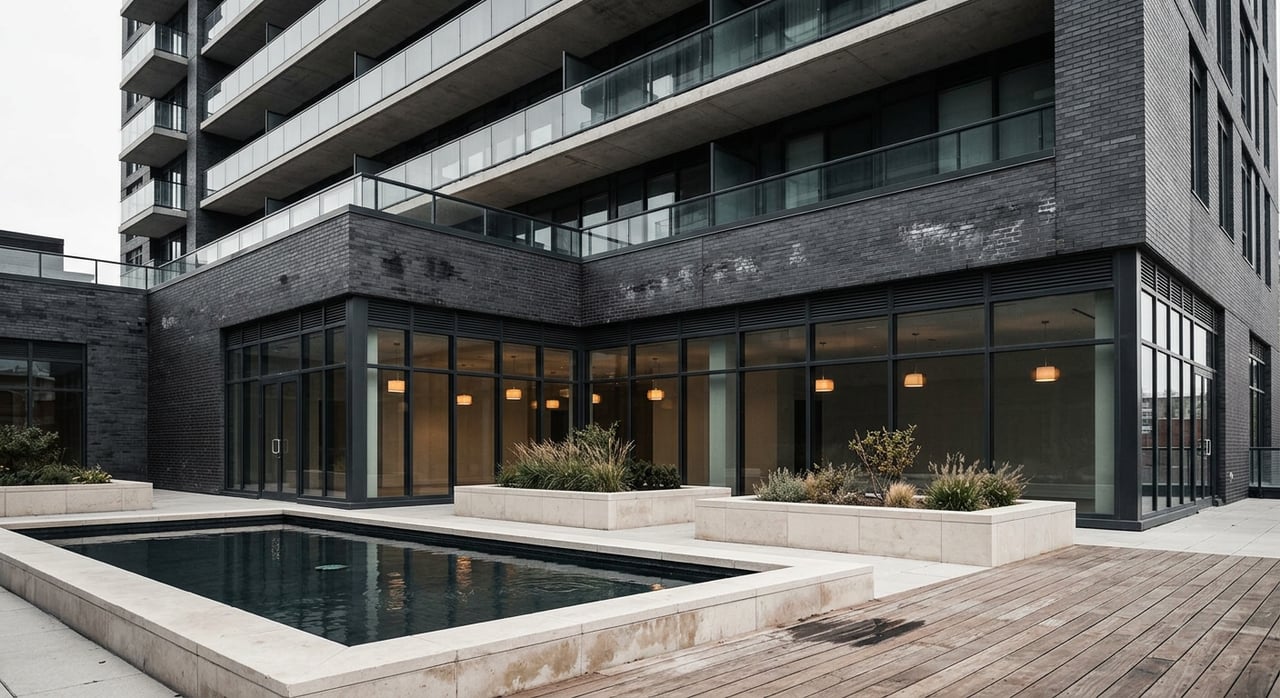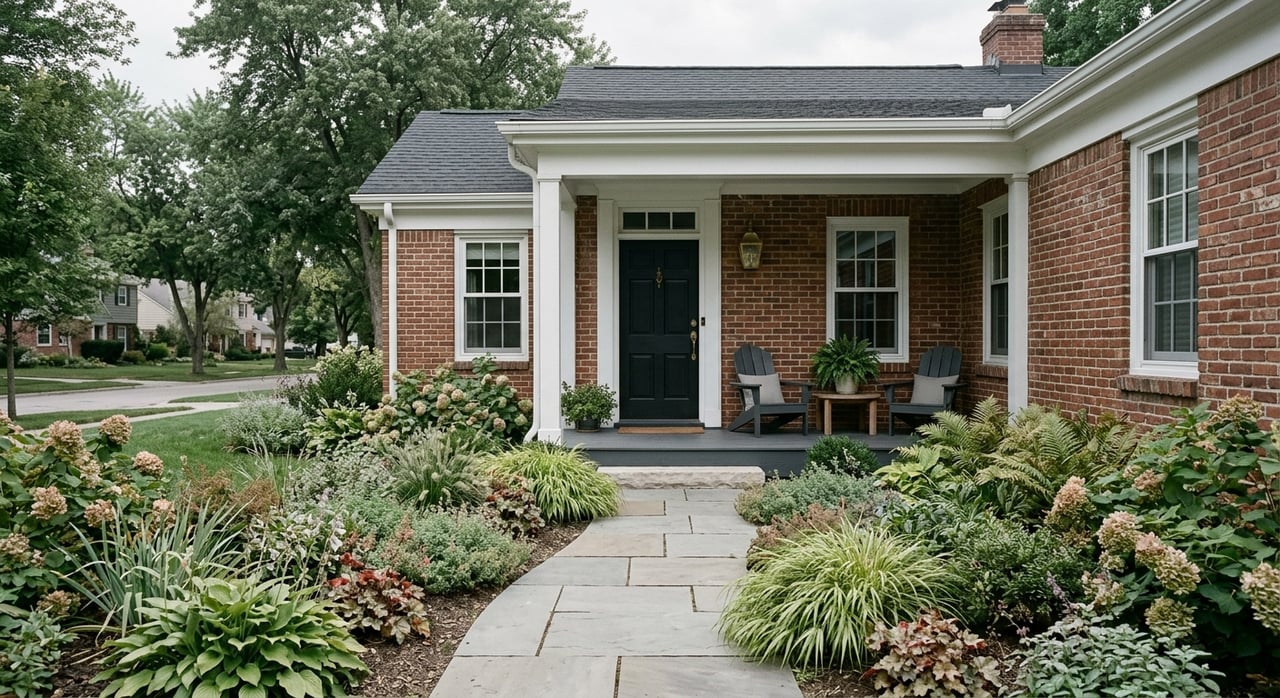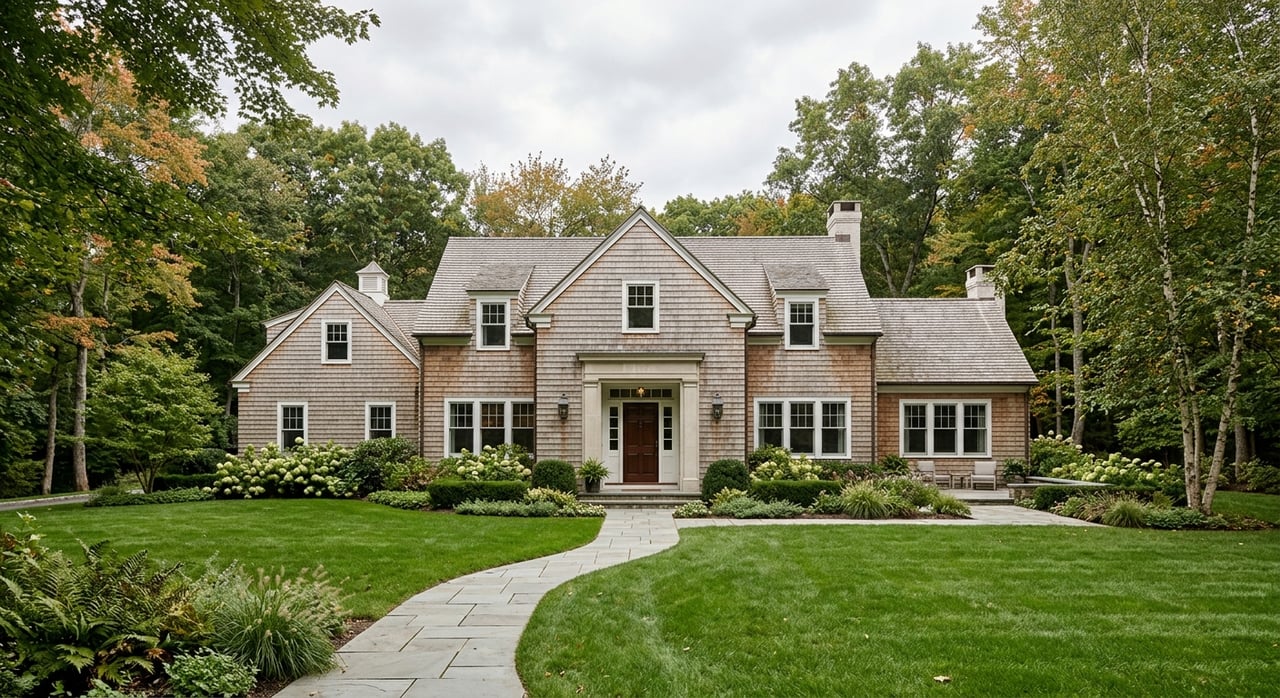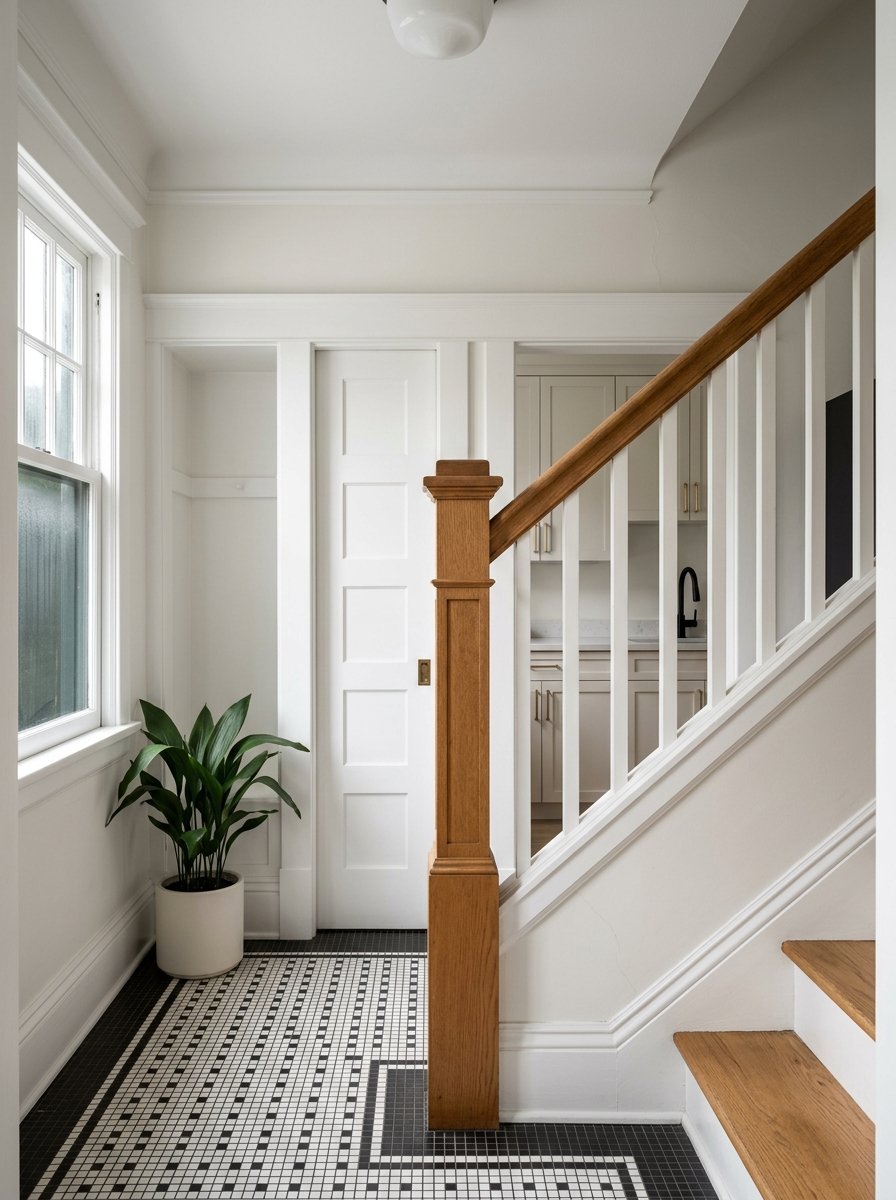
Thinking about selling your Lincoln Park condo and wondering when to make your move? Timing matters in Chicago, and your launch window can influence speed, pricing power, and how many buyers come through your door. You want a plan that fits the neighborhood’s rhythm and today’s market conditions. In this guide, you’ll learn the best months to list, how to prepare on a 60–90 day timeline, and what to do if your timing lands in winter. Let’s dive in.
Best time to sell in Lincoln Park
Spring is the primary selling season for Chicago condos, and Lincoln Park follows that pattern. Buyer activity typically increases from late February through May, with many buyers aiming to move by summer. Listings that go live in early spring often see more showings and fewer days on market compared to winter.
If you want to maximize your momentum, aim to list between late February and April. This window captures heightened buyer traffic while inventory is still building, which can help you stand out.
Why spring stands out
Chicago’s winter slows casual shopping, then demand surges as weather improves and buyers resume weekend tours. Local market reports regularly show upticks in new listings and pending sales in spring. In Lincoln Park, strong neighborhood amenities and limited supply of well-located condos can amplify that surge and drive competitive showings.
Other seasonal windows
You can sell any time of year. Here’s how each season plays out and how to adjust.
Late January–February
- Pros: Fewer competing listings and motivated early-season buyers. Opportunity to be first in the spring pipeline.
- Cons: Weather can limit showings and curb appeal.
- Strategy: Use if your unit is move-in ready and priced well. Consider a short pre-market staging period and quiet previews.
March–May
- Pros: Highest buyer traffic, faster sales potential, and stronger leverage when inventory is tight.
- Cons: More listings competing for attention.
- Strategy: Go live late February through April. Price to recent comps from the past 30–90 days and present flawlessly.
June–August
- Pros: Continued activity from buyers aiming to close before fall.
- Cons: Slight tapering in traffic and vacation schedules can affect weekend turnout.
- Strategy: Refresh marketing if needed. Highlight outdoor spaces like balconies, terraces, and rooftops.
September–October
- Pros: Motivated buyers who still want to move before year-end, with less competition than spring.
- Cons: Days get shorter and the pace is usually slower than in spring.
- Strategy: Position as a serious, well-priced listing and focus on current comps.
November–February
- Pros: Low competition and serious buyers, including relocation and cash buyers.
- Cons: Lower overall traffic and weather-related challenges.
- Strategy: Invest in top-tier interior photos, virtual tours, and targeted outreach. If you can wait, use winter to prep for an early spring launch.
Your 60-90 day timeline
Working backward from your ideal target date helps you hit the spring window with a polished listing. Here’s a practical countdown you can adapt.
Day -90 to -61
- Select an experienced Lincoln Park condo agent and request a comparative market analysis with active, pending, and closed comps.
- Order HOA and resale documents early. Some associations take 10–30 days.
- Consider a pre-list inspection, especially in older buildings, and get repair estimates.
- Set a budget for staging, repairs, and photography.
- Start decluttering and plan off-site storage if needed.
Day -60 to -31
- Complete agreed updates: neutral paint, light fixture swaps, minor carpentry, and small kitchen/bath refreshes.
- Hire a professional stager or follow a detailed staging plan.
- Deep clean the unit. Clear balconies and organize closets and storage.
- Gather documentation: warranties, renovation receipts, appliance manuals.
- Confirm building move rules and elevator reservations for your timeline.
Day -30 to -8
- Schedule professional photography, a virtual tour, and a floor plan. Choose the brightest day possible.
- Draft listing copy that highlights neighborhood features, recent upgrades, HOA amenities, and unique selling points.
- Plan marketing: MLS input, broker previews, targeted email and social campaigns.
- Add final staging touches and remove heavy seasonal décor.
- Host a broker preview to build early interest.
Day -7 to 0
- Final walkthrough for touch-ups. Set a comfortable temperature for showings.
- Take final staged photos and launch on an optimal day, often Tuesday through Thursday.
- If targeting spring, late February to early April is a strong choice.
Post-listing
- Offer both in-person and virtual showings, and schedule open houses during peak weekends.
- Monitor feedback and adjust pricing, staging, or marketing quickly if needed.
- Keep HOA documents and seller disclosures ready for buyer review.
Price and competition
In Lincoln Park, pricing is a precision exercise. Segment your comps by property type and features, then price to the most recent and relevant data.
- Compare active, pending, and closed sales for your exact type: studio/1BR, 2BR, or townhome.
- Evaluate unique features. Premium renovations, parking, light, and private outdoor space can justify higher pricing.
- Consider strategy. In a fast spring market, a competitive list price can attract more buyers and increase leverage. If you expect many similar listings to appear, a slightly aggressive price can work when market velocity supports it.
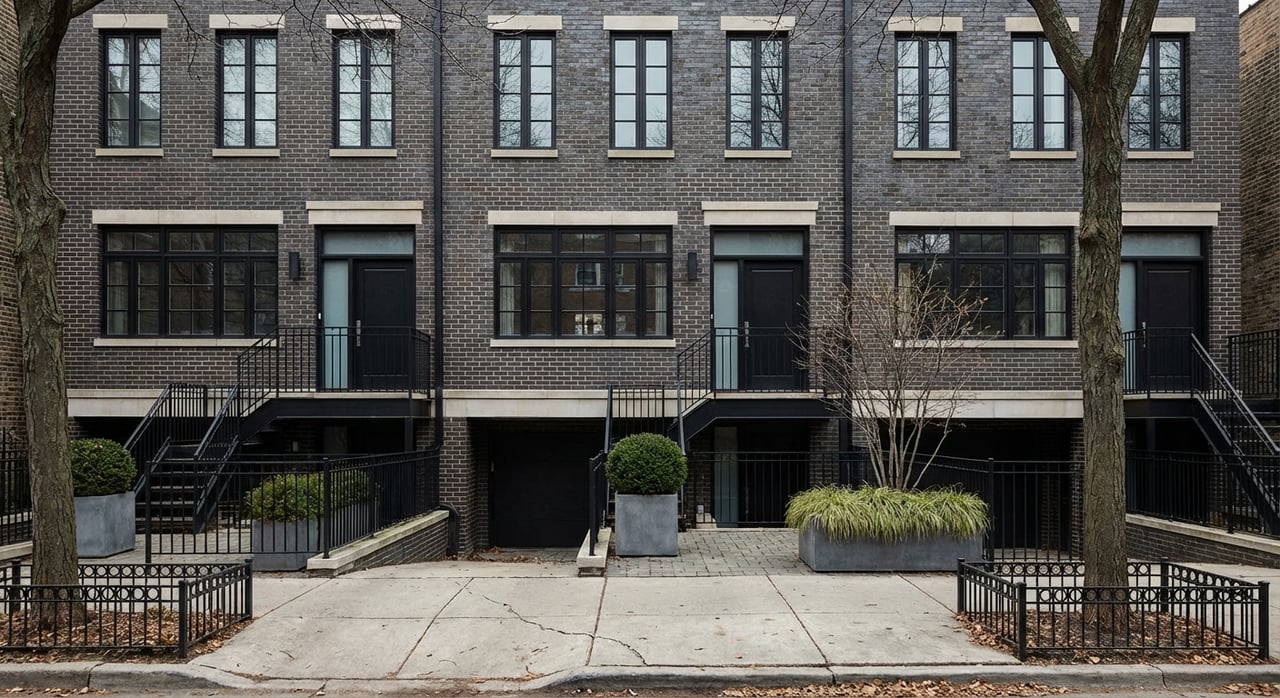
- Separate townhome comps from elevator condos. Townhomes often command a premium because of private entries and outdoor space.
Prep for condos and HOAs
Buyers and their lenders will scrutinize your building’s health. Getting ahead of the paperwork builds confidence and reduces delays.
- Request the full HOA packet early: budget and recent financials, meeting minutes, rules and regulations, pet policies, rental restrictions, assessment history, and planned projects.
- Provide the building’s certificate of insurance.
- Secure required resale disclosures and certificates. Illinois has specific condo resale requirements. Work with your agent and attorney to ensure accuracy.
- Review for red flags. Special assessments, low reserves, restrictive rental rules, association litigation, and deferred maintenance can affect buyer confidence and financing. Plan your strategy before you go live.
High-impact updates buyers notice
Small improvements can lift perceived value and photos.
- Fresh, neutral paint and consistent light fixtures.
- Decluttered rooms that show clear living and dining zones.
- Professional deep cleaning, including windows and closets.
- Simple bath and kitchen refreshes, like cabinet hardware or faucet updates.
- For townhomes, stage entryways, lower levels, and any private yard or garage to show utility and storage.
A pre-list inspection can help you spot and address issues like HVAC service, plumbing leaks, window seals, and typical vintage-building concerns such as masonry or moisture.
Winter listing strategy
If you need to sell in winter, presentation becomes even more important. You can still achieve a strong outcome with the right plan.
Photography and staging
- Maximize natural light. Shoot mid-day on the sunniest day, open blinds, and turn on warm interior lighting.
- Hire a photographer skilled in low-light and twilight shots.
- Clear snow and ice from steps and balconies, and add safe, well-lit paths for showings.
- Stage for warmth without clutter. Use layered textiles and neutral accents and avoid heavy seasonal décor.
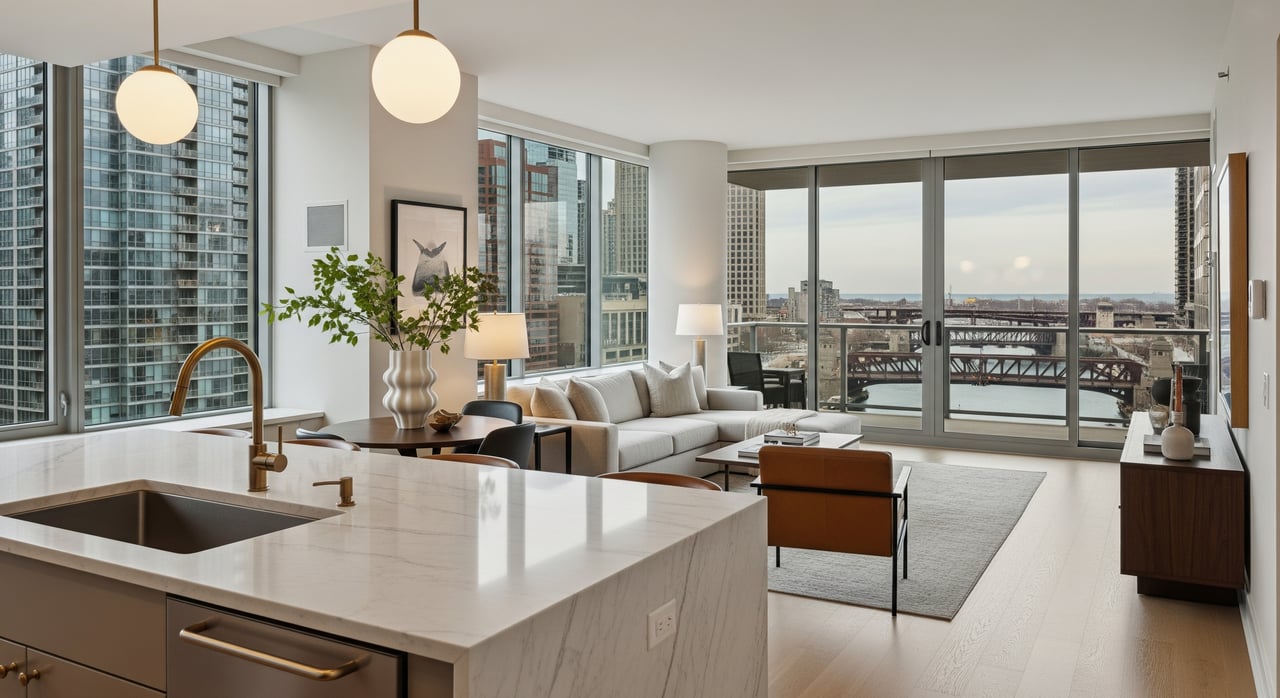
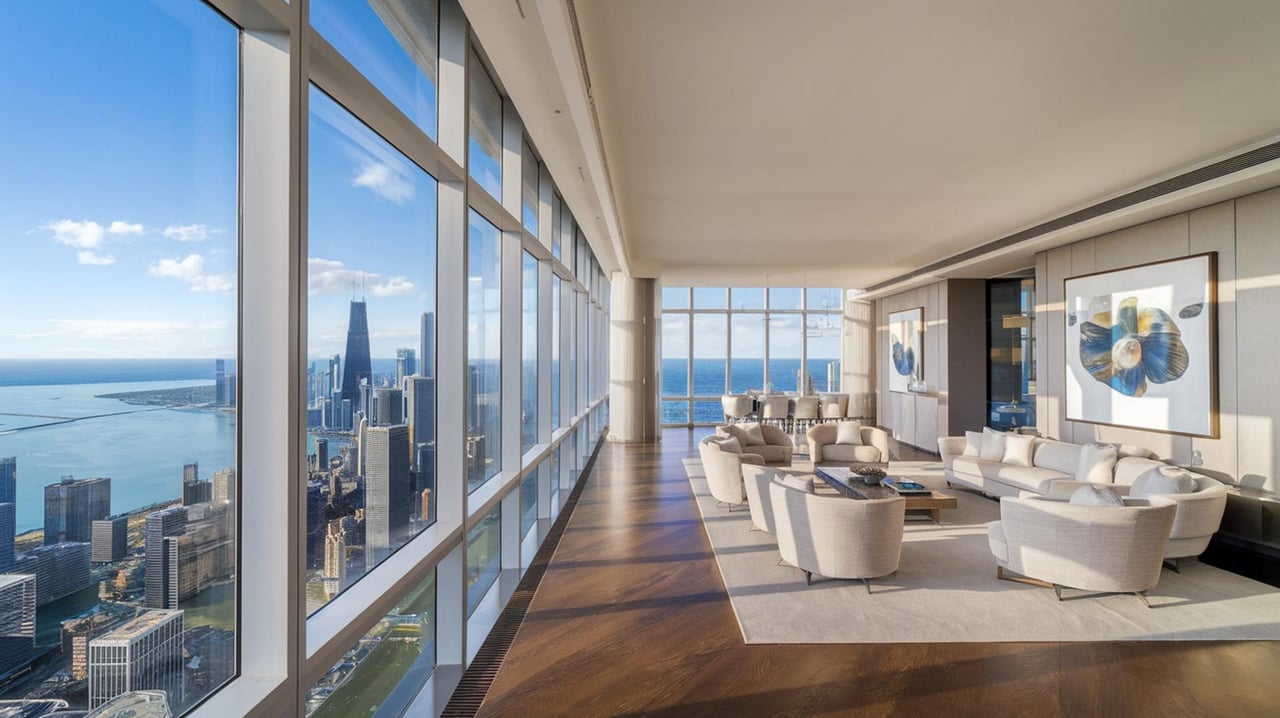
- Highlight interior strengths like views, built-ins, high ceilings, fireplaces, and indoor amenities.
Marketing and showings
- Offer a 3D tour and a short video walkthrough to help buyers screen before visiting.
- Target motivated groups such as relocation buyers and investors.
- Keep a show-ready kit with towels, boot trays, and sidewalk salt for winter conditions.
Smart launch tips
A few fine-tuning moves can amplify your listing’s reach and response.
- Timing: Go live mid-week to capture weekend traffic.
- Open houses: Plan at least one in the first weekend and a second if demand is strong.
- Feature focus: Emphasize outdoor spaces in spring and summer. In winter, lead with light, views, and indoor amenities.
- Feedback loops: Use early showing feedback to adjust staging or pricing quickly.
Work with a hands-on expert
Selling in Lincoln Park is about timing, preparation, and polished presentation. With seasoned guidance, you can leverage the spring surge, price with confidence, and deliver a listing that stands out online and in person. If you want senior-level advice, curated staging, and direct representation from a broker who manages every step, connect with Cara Buffa. Work directly with Cara — request a personal consultation.
FAQs
When should I list my Lincoln Park condo for the best result?
- Early spring, especially late February through April, typically brings the most buyer traffic and the potential for faster sales.
Is it worth listing my Chicago condo in winter?
- Yes, if timing requires it. With strong interior photos, virtual tours, and targeted outreach, you can reach serious buyers despite lower overall traffic.
How far in advance should I start prepping my condo?
- Plan 60–90 days for updates, staging, photography, and HOA documents. Older buildings or complex repairs may need more lead time.
What HOA documents will buyers request for a condo resale?
- Expect to provide the budget and financials, recent meeting minutes, rules and regulations, pet and rental policies, assessment history, certificate of insurance, and required Illinois resale disclosures.
How do townhomes compare to condos when pricing in Lincoln Park?
- Townhomes often attract buyers who want private entry and outdoor space and can command a premium. Price using segmented comps specific to townhomes.
Which small improvements matter most before listing?
- Neutral paint, refreshed lighting, deep cleaning, decluttering, and simple kitchen or bath updates deliver strong visual impact without major cost.