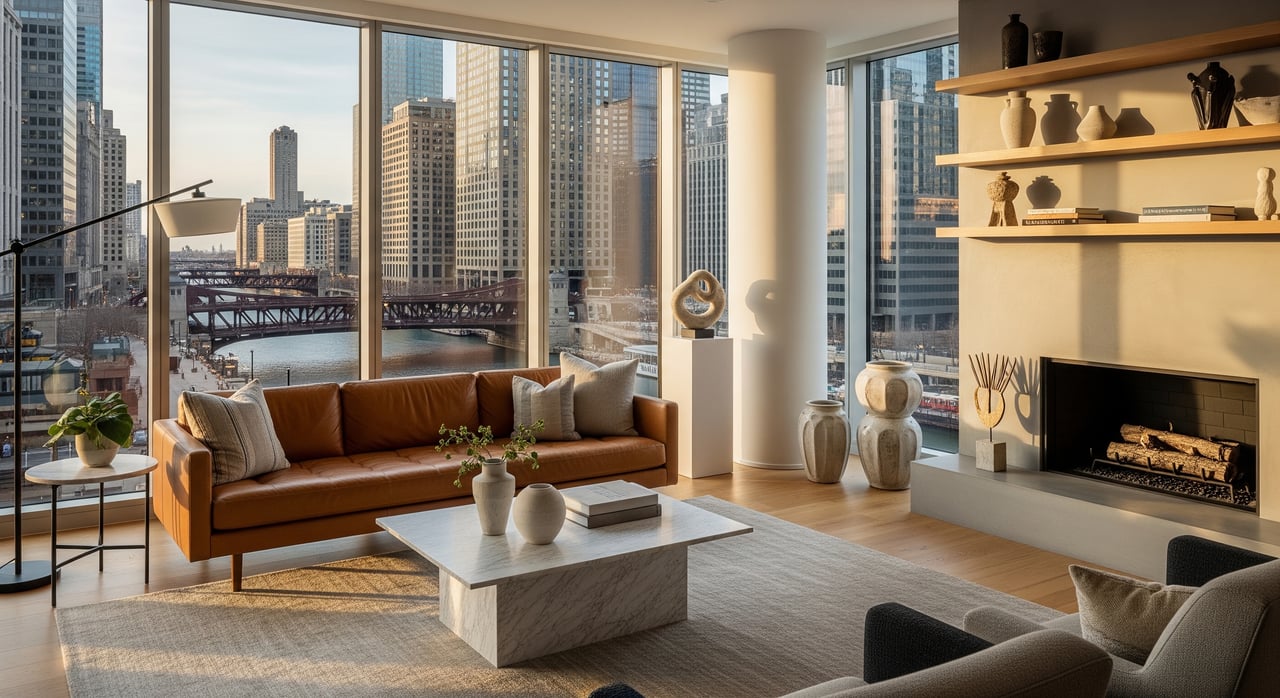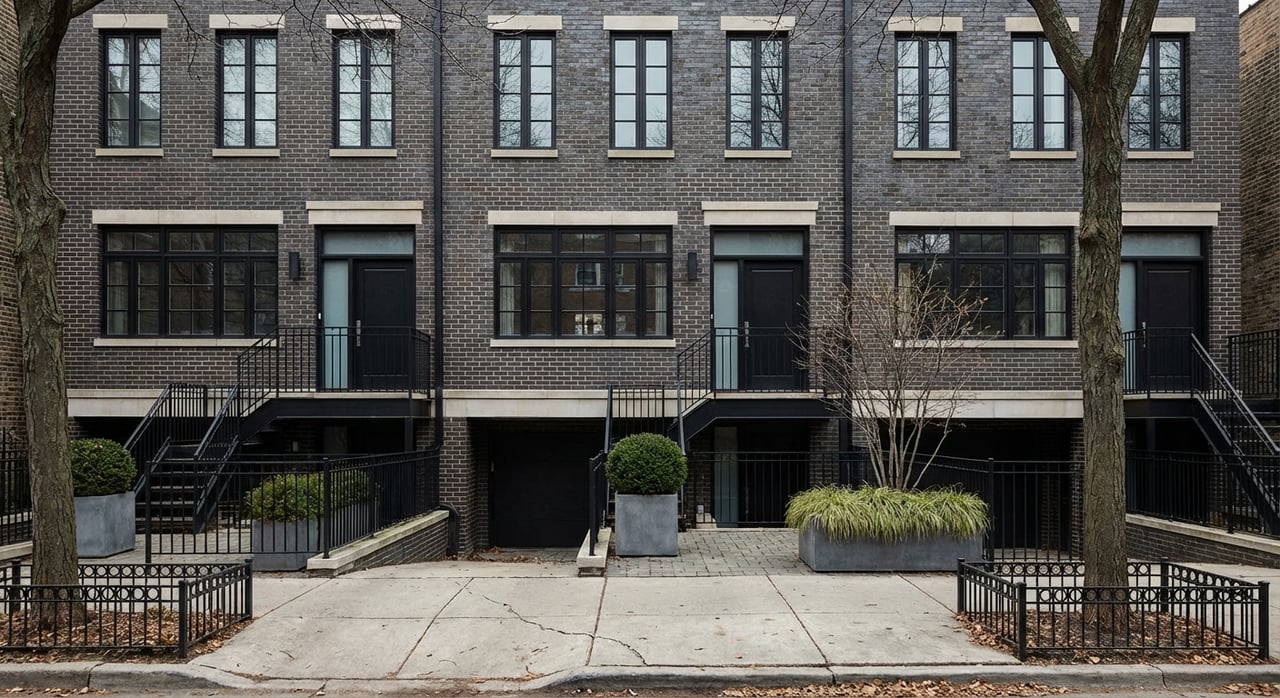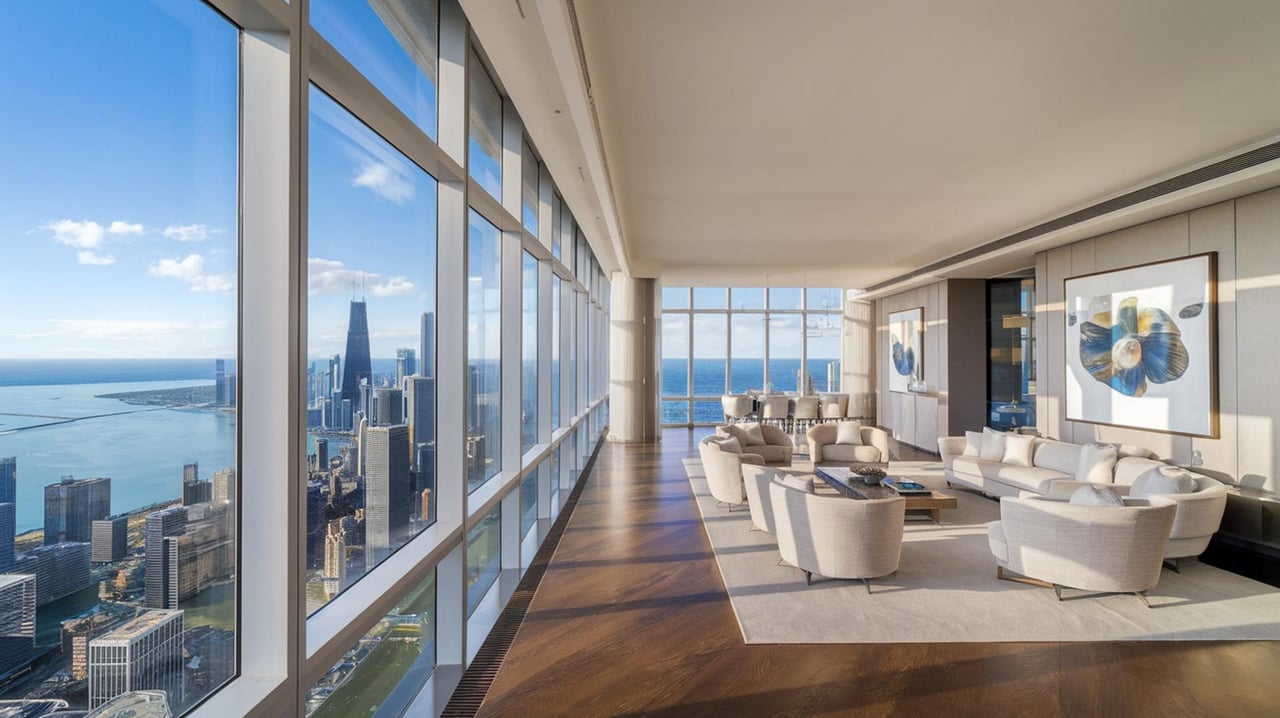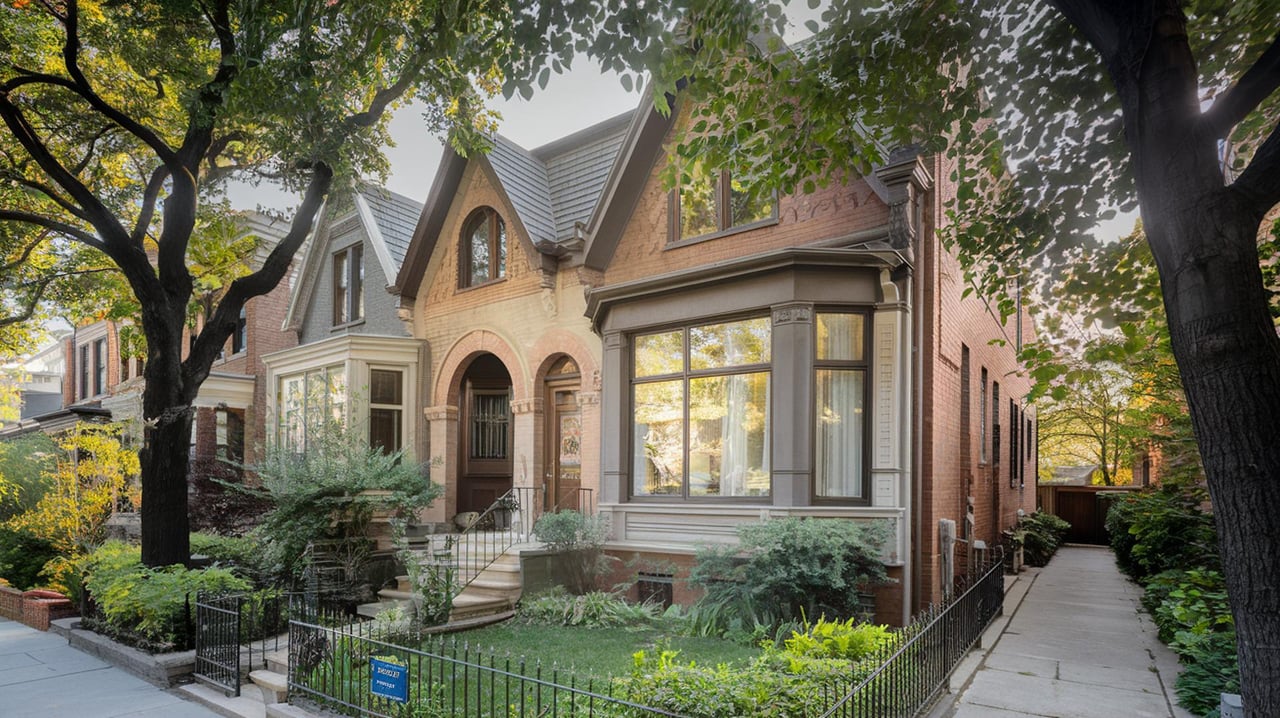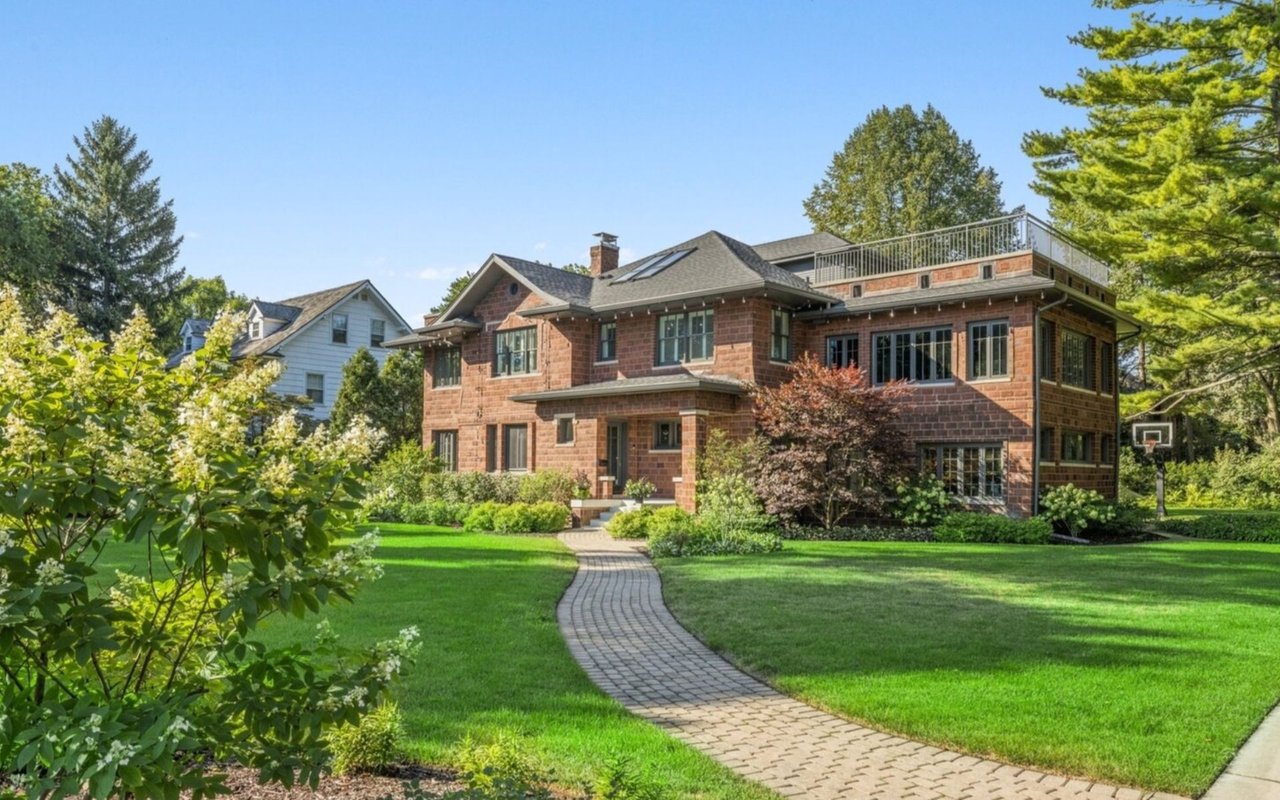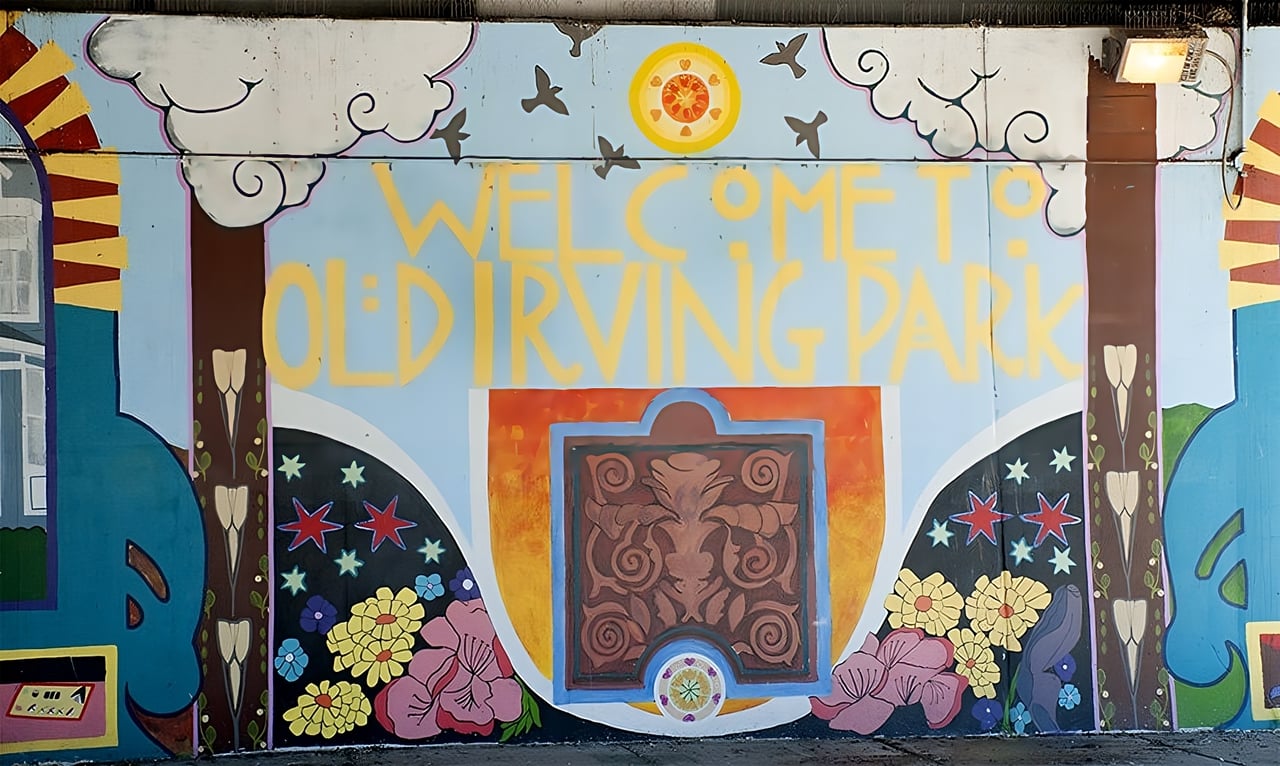
Are you ready for more space but not ready to give up everything you love about city living? If you are moving up from a downtown condo, Glenview offers a rare middle ground: attached housing, newer mixed-use areas, and classic single-family neighborhoods all in one community. That makes it easier to match your next home to the way you actually live now, while planning for what you want next. Let’s dive in.
Why Glenview Works for Move-Up Buyers
Glenview sits about 20 miles north of downtown Chicago between I-94 and I-294, and it offers a wide range of housing in one village. According to Village planning documents, Glenview includes single-family homes, duplexes, townhomes, condominiums, and apartments.
That variety matters when you are making a life-stage move. Instead of jumping straight from a condo into the biggest possible house, you can choose a step that feels more natural, whether that means a townhome near shopping and transit or a detached home with more yard space.
The Village also describes Glenview as a collection of distinctive neighborhoods rather than one uniform subdivision. For you, that means the home search is less about one overall "Glenview style" and more about finding the right fit among several different subareas.
Glenview Neighborhood Patterns to Know
Historic Core and East Pockets
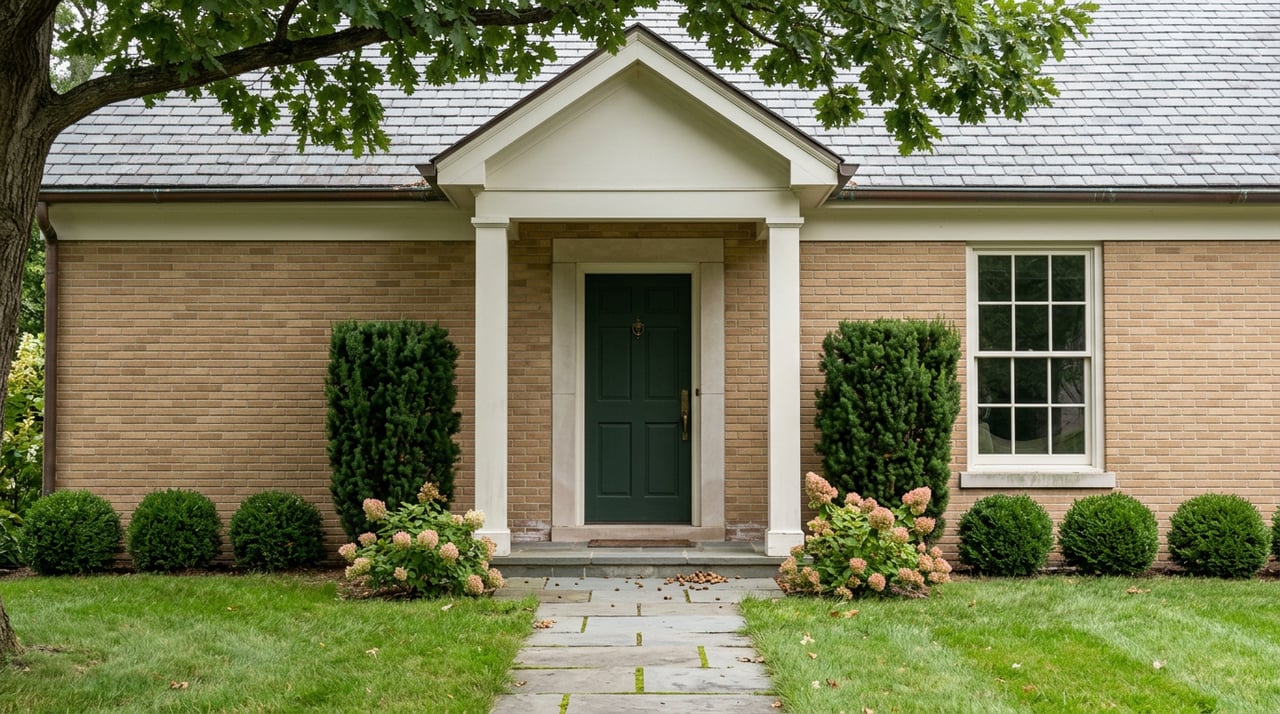
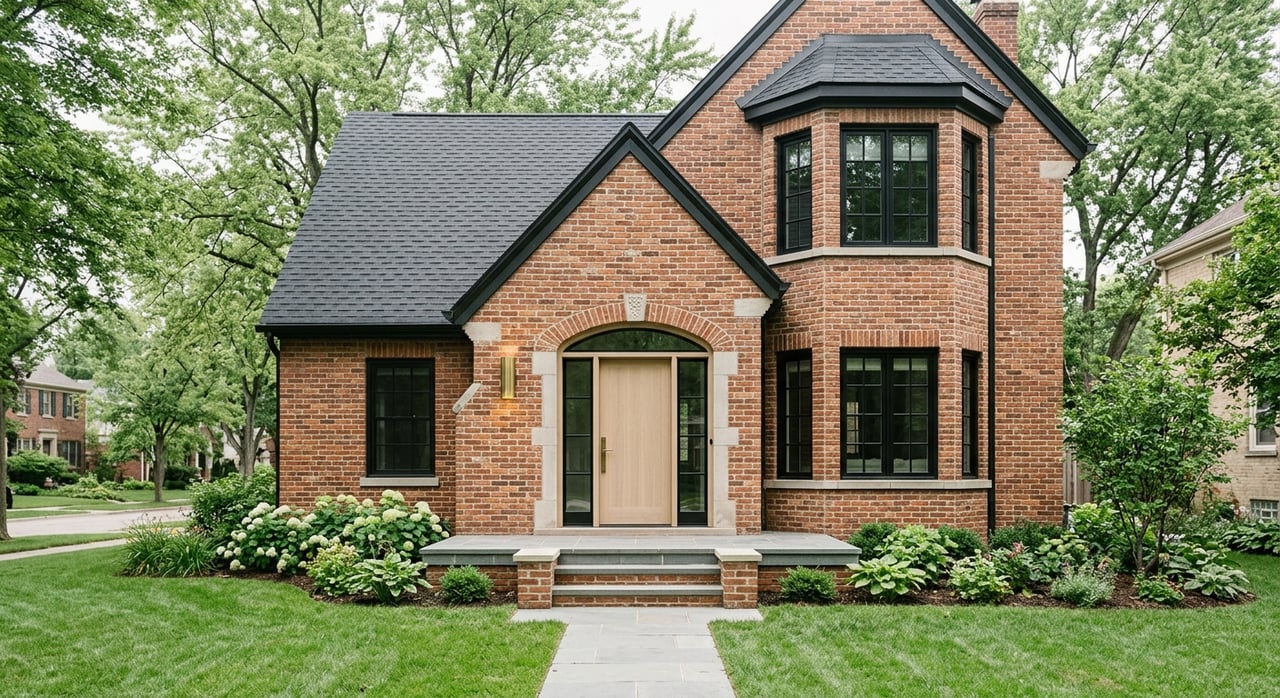
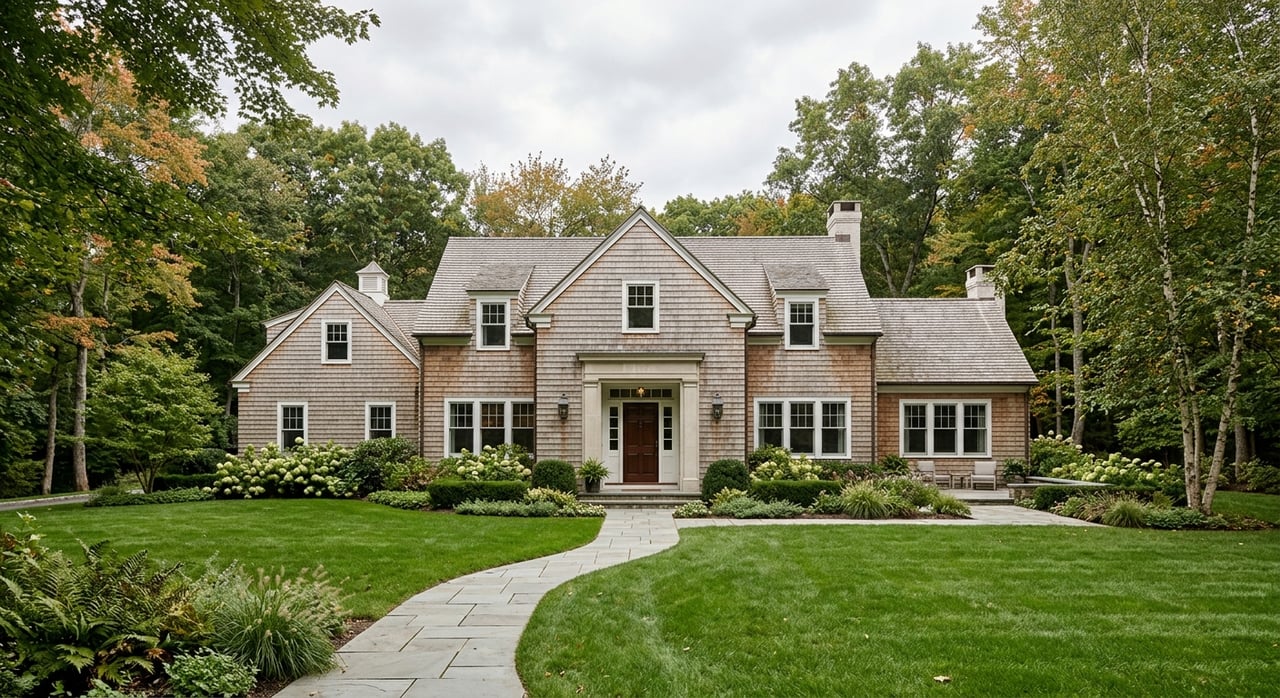
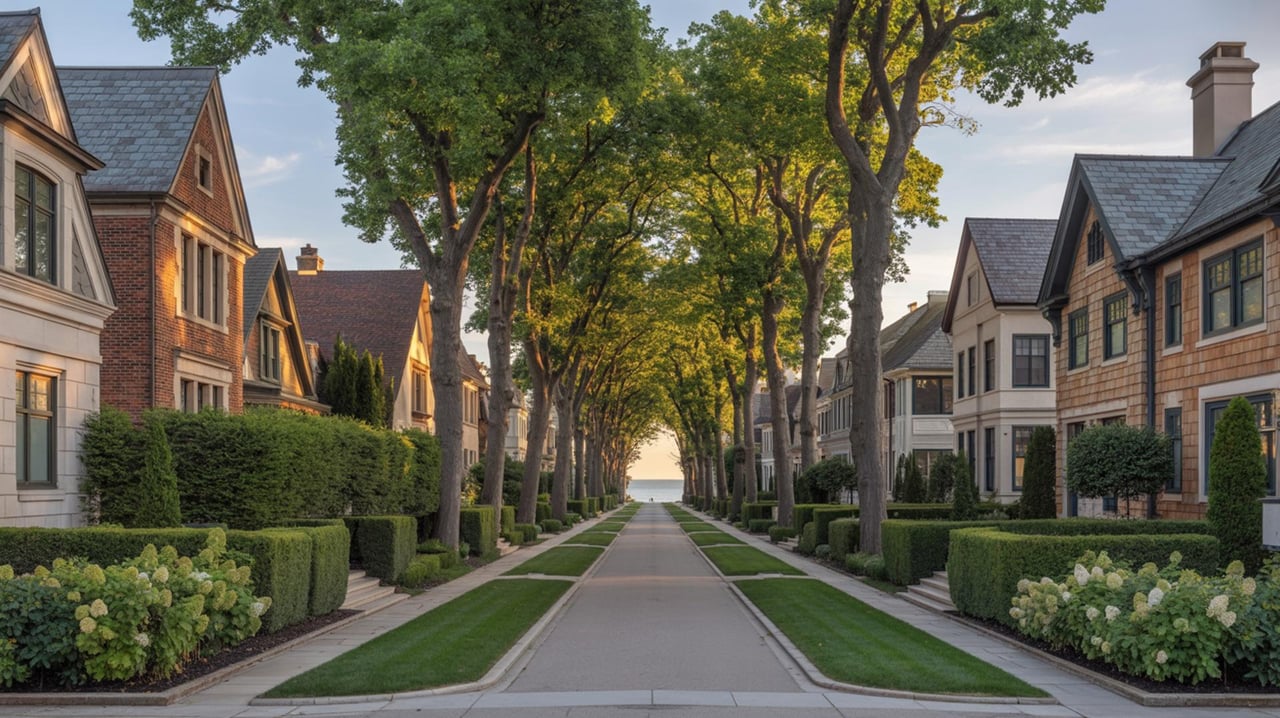
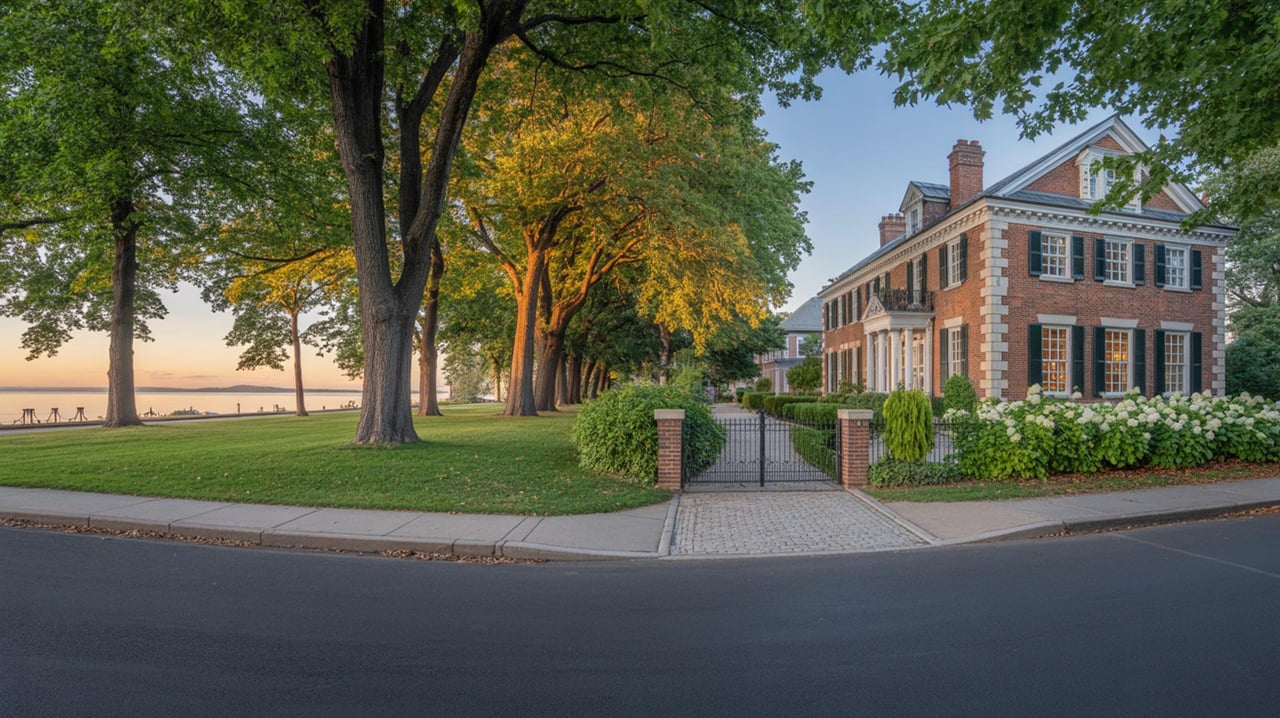
Near the village core, older subdivisions reflect Glenview’s early development with meandering streets, varied architecture, and a more traditional neighborhood feel. In areas such as Swainwood and Glenayre Park, Village plans describe larger setbacks and bigger yards.
Glen Oak Acres stands out for its wooded setting and rural-road character. If you want an established setting and are open to an older home with personality, these parts of Glenview may appeal to you.
Postwar and Mid-Century Areas
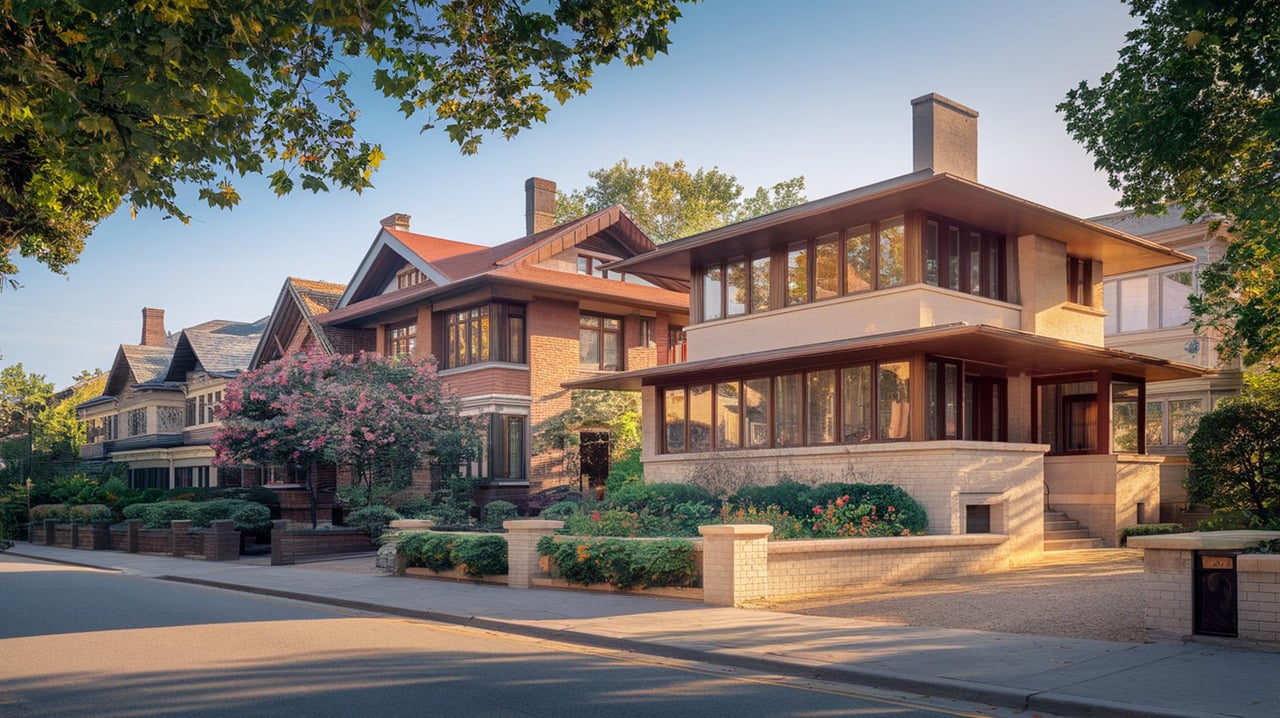
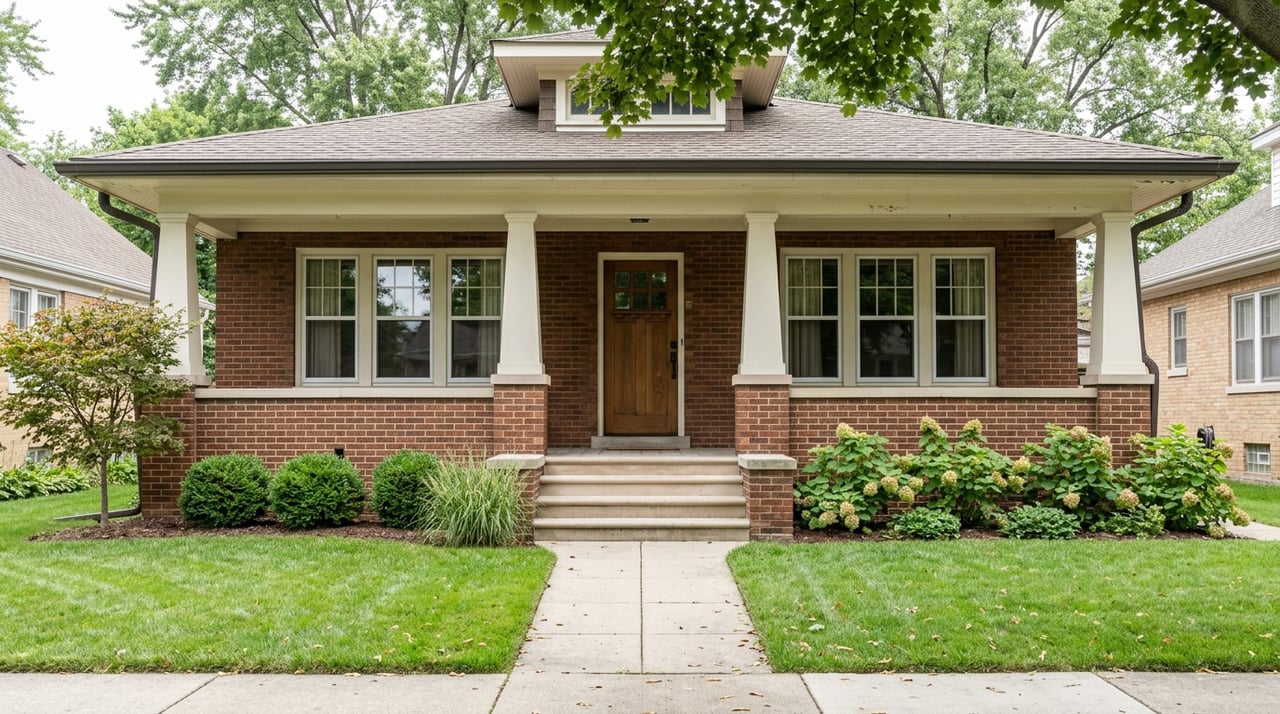
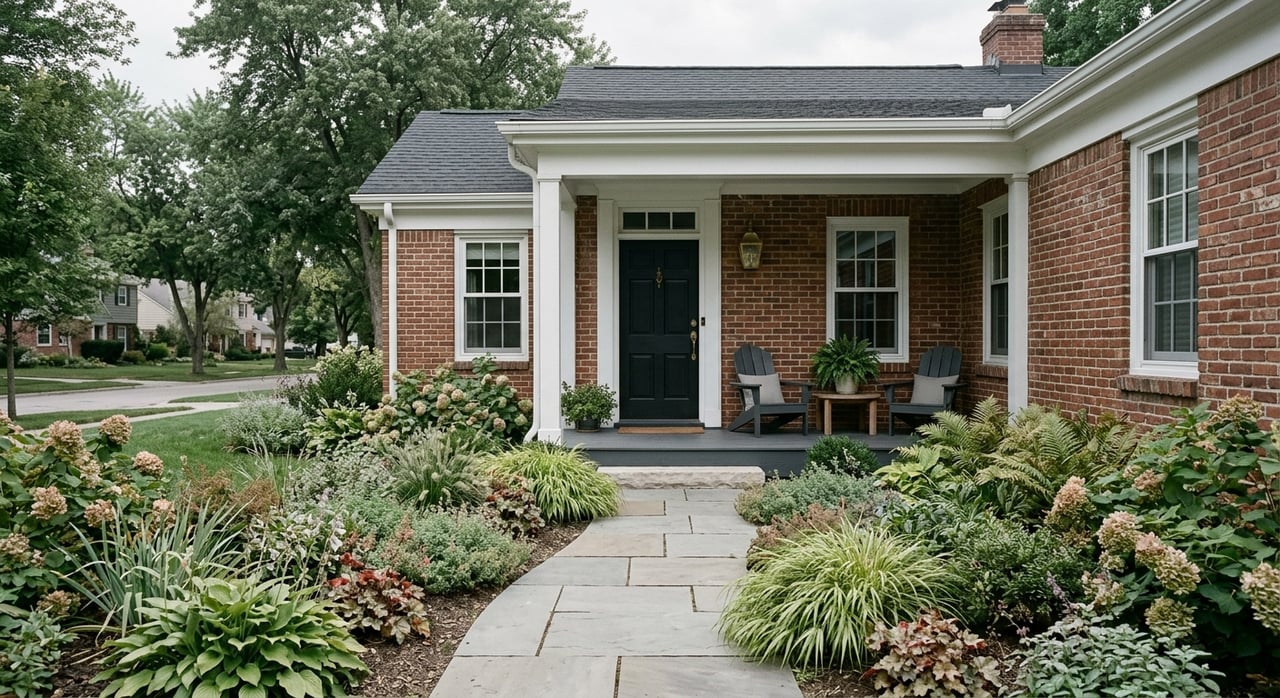
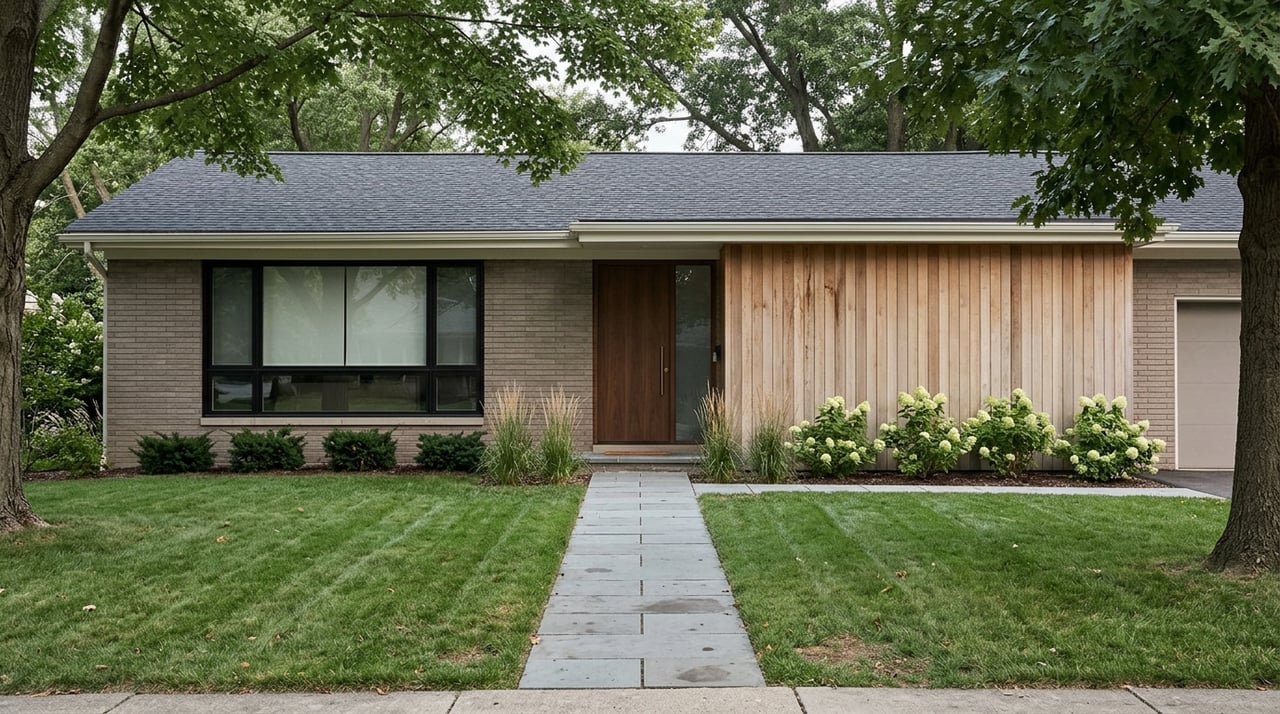
After World War II, ranch homes became one of Glenview’s signature housing types. Village planning documents also identify neighborhoods such as Willows, Park Manor, Indian Ridge, Northfield Woods, and Bonnie Glen as places where split-levels and larger homes on quarter-acre to one-acre parcels are common.
For many move-up buyers, this is where the suburban shift becomes more noticeable. You may find more private outdoor space, larger footprints, and a stronger separation from the denser condo lifestyle you are leaving.
1990s Development and Infill
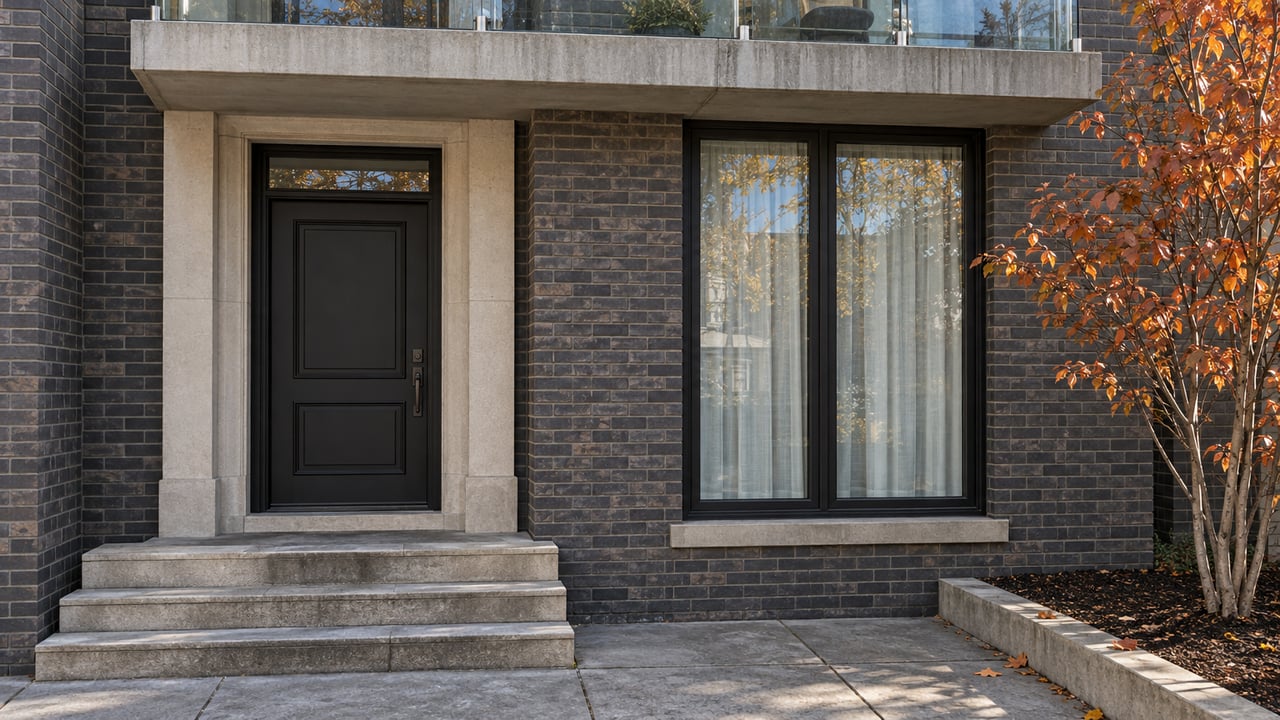
If you want something newer but do not necessarily want a very large detached home, Glenview has options built in the 1990s that can feel like a practical middle step. The Village identifies Glenlake Estates, Heatherfield, and Haverford as neighborhoods that introduced a mix of single-family homes, rear-load townhomes with small private greenspace, and multi-story condo buildings.
This mix can be appealing if you want more room without taking on the full maintenance load that often comes with an older house and a larger lot. It can also be a comfortable transition for buyers who still value a more planned, lower-maintenance setting.
The Glen Redevelopment Area
The Glen is one of Glenview’s most distinct subareas, built on the former Naval Air Station site. The Village describes it as a mix of suburban and urban-style neighborhoods.
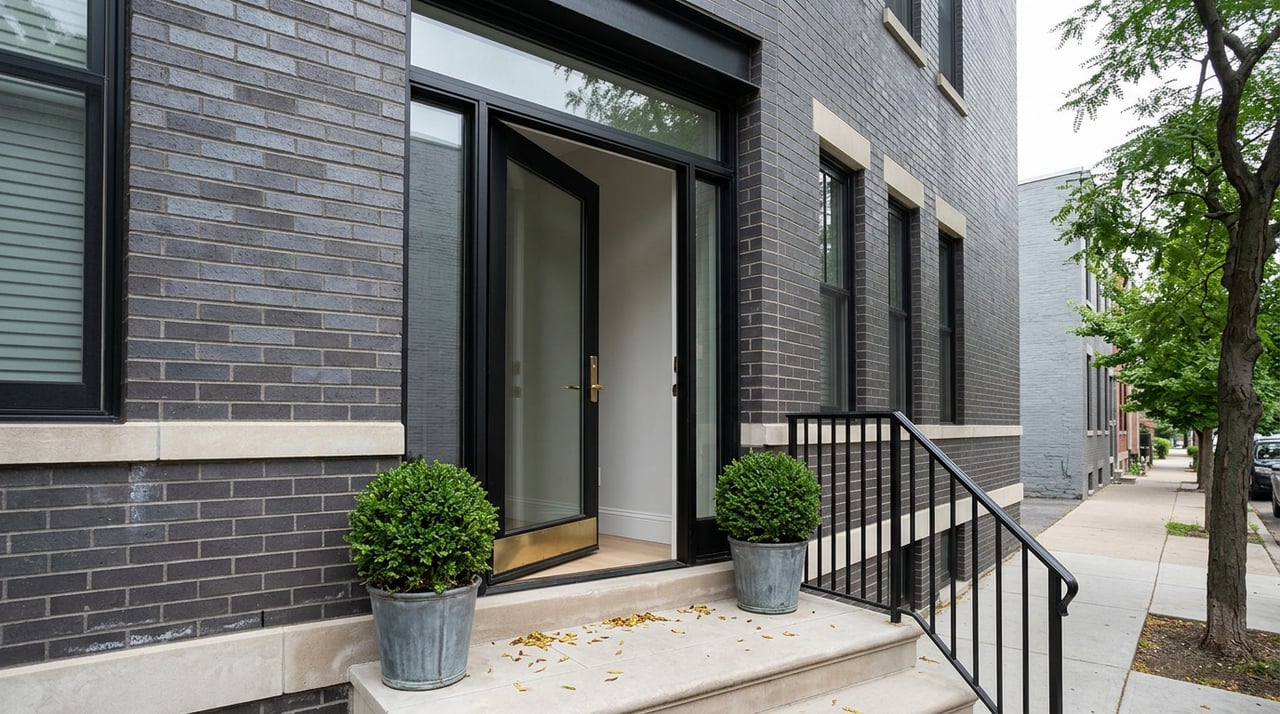
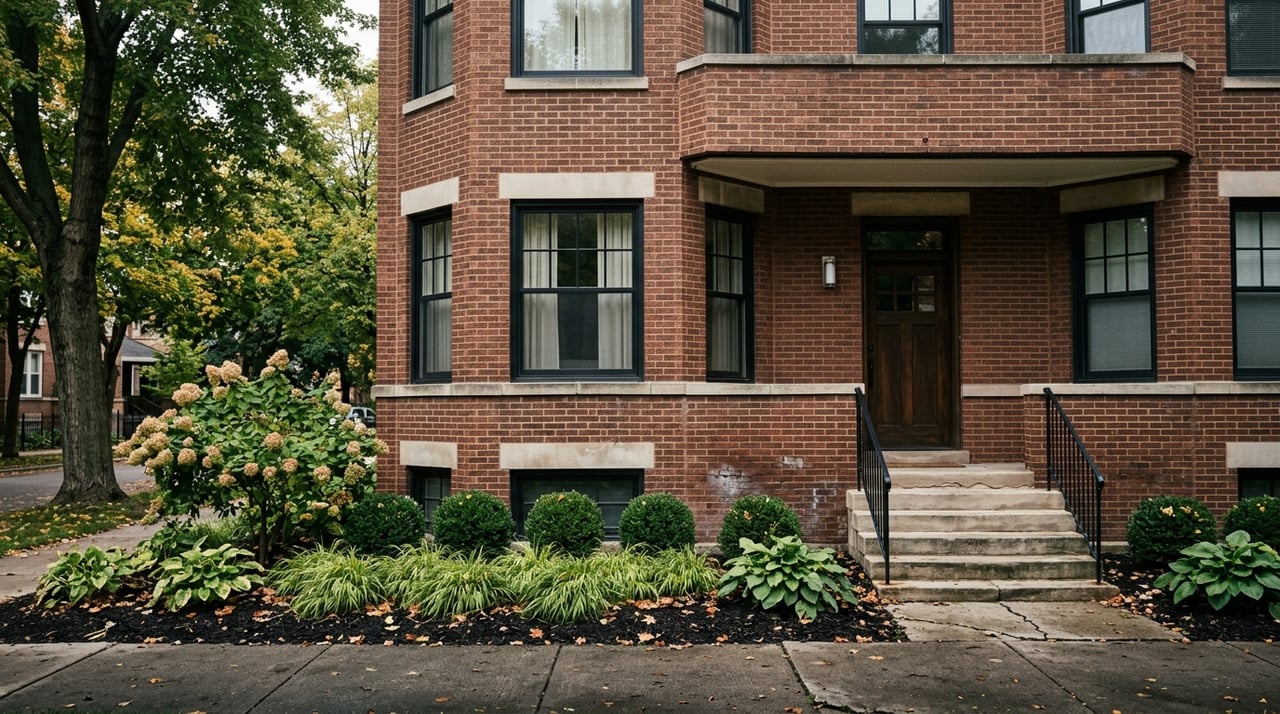
Housing types here include duplexes and tuck-under townhomes at Regency at the Glen, townhomes and cluster homes at West Gate at the Glen, narrow single-family homes at Cambridge at the Glen, and four-story Tower Crossing townhomes. The area also includes major recreational anchors like Lake Glenview, the Glen Club Golf Course, the Prairie Club, and Park Center.
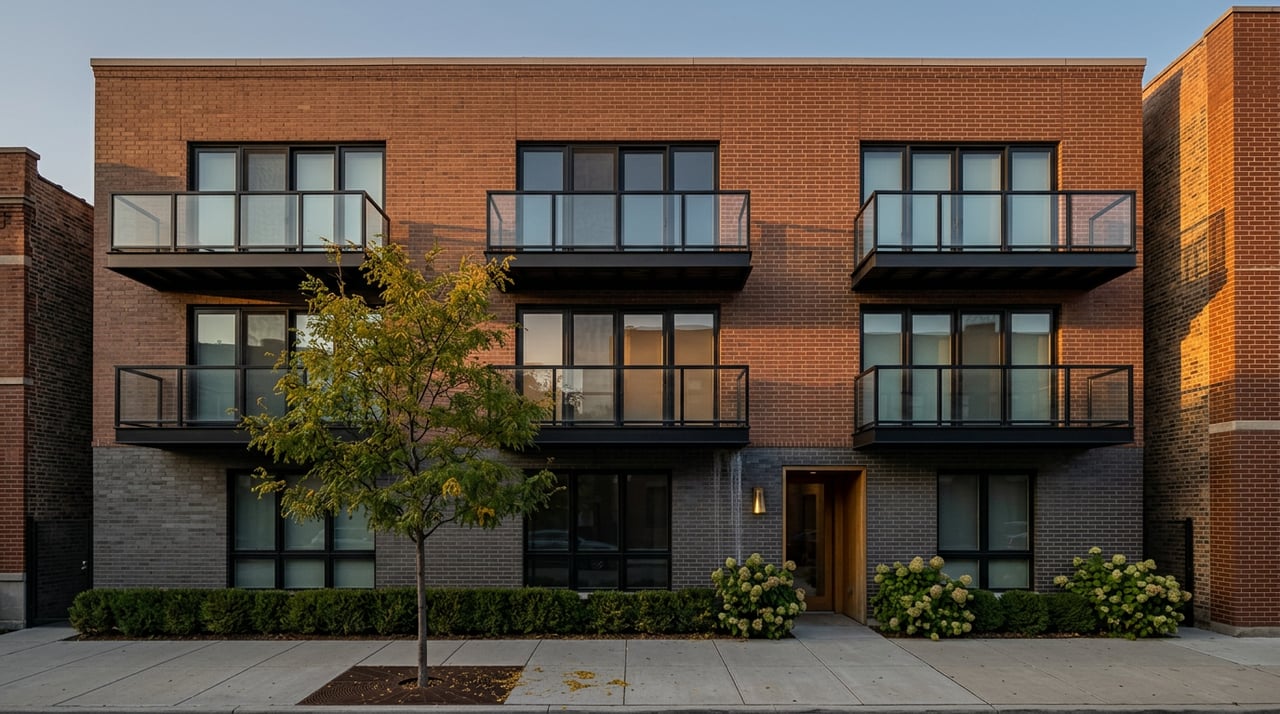
If you are coming from a downtown condo, The Glen may feel familiar in a good way. It offers a more mixed-use environment with attached housing choices and nearby amenities, while still placing you in a suburban setting.
How Home Style Changes Your Lifestyle
Townhomes and Duplexes
Townhomes and duplexes can be a smart next step if you want more square footage but still prefer a simpler day-to-day routine. In Glenview, these home types appear in areas like The Glen and some newer subdivisions from the 1990s.
For many buyers, this option keeps the move from feeling too abrupt. You may gain additional bedrooms, a garage, or more separation of space while staying closer to the lower-maintenance rhythm of condo living.
Condos in Mixed-Use Areas
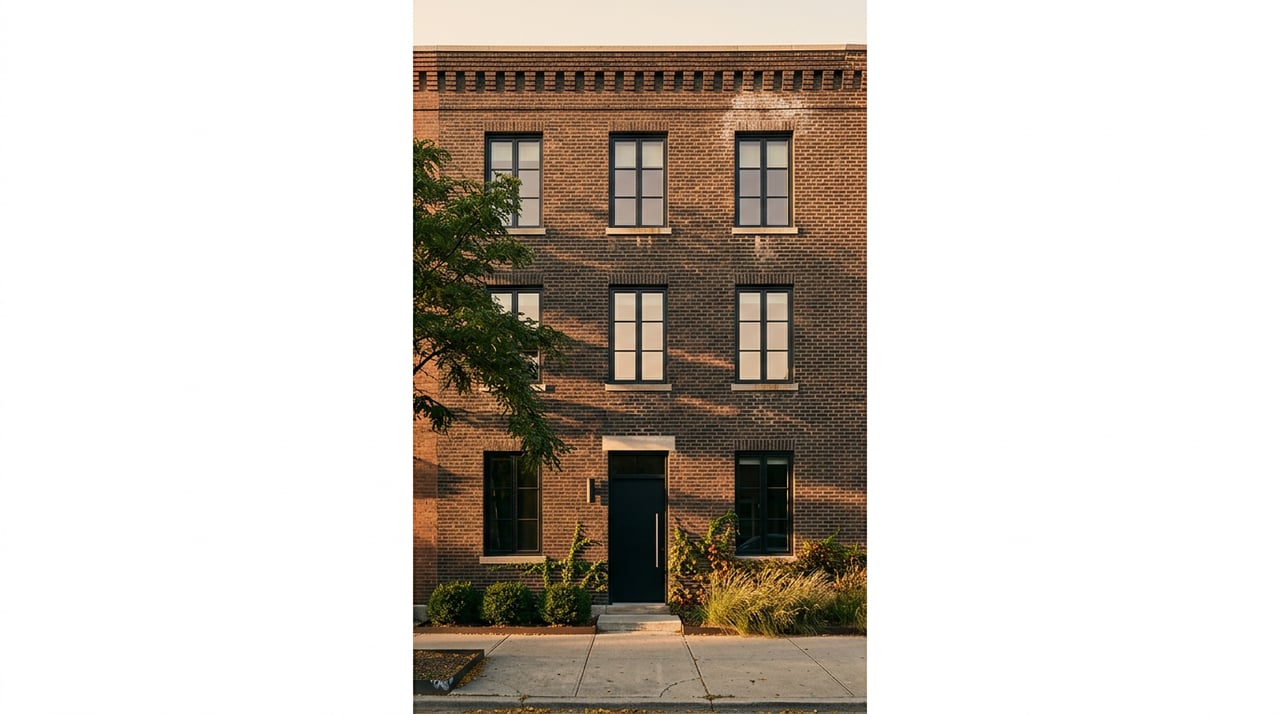
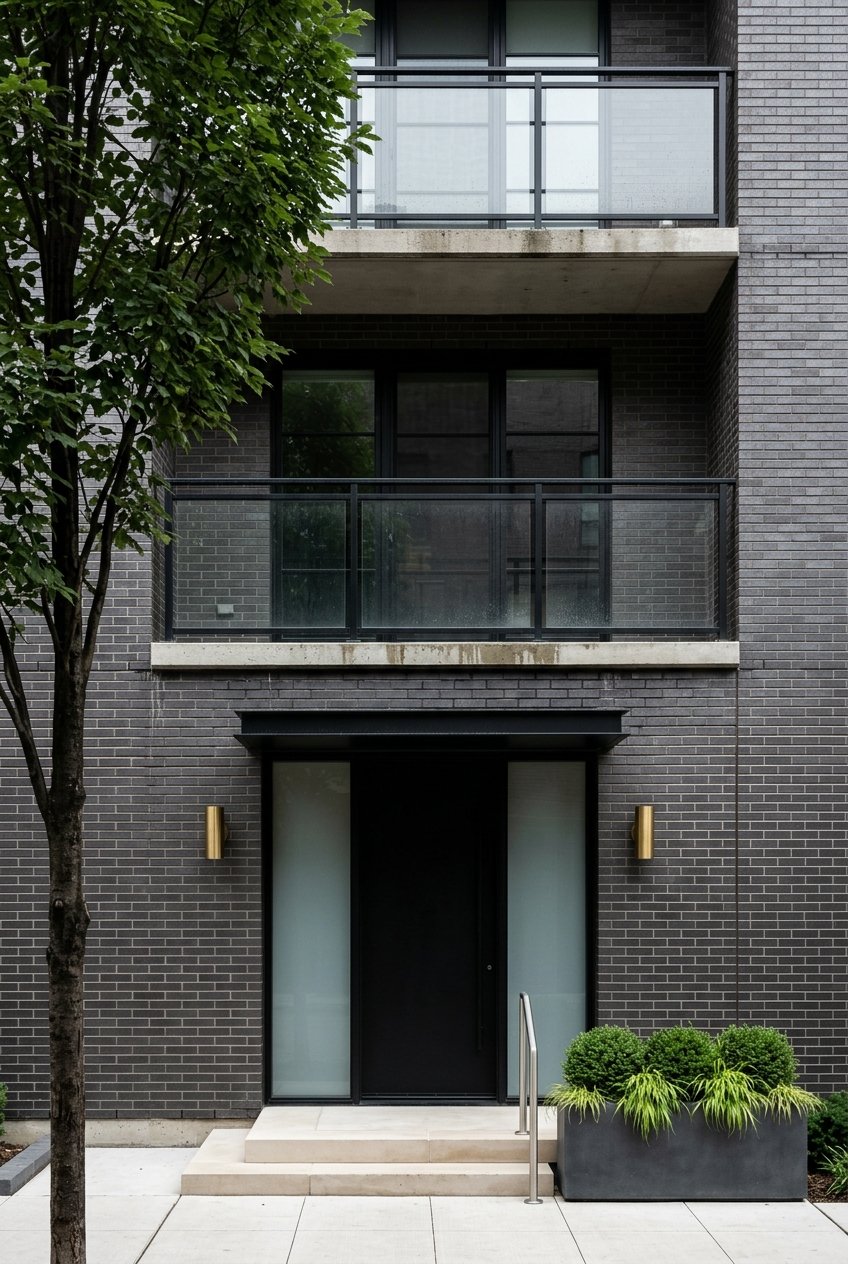
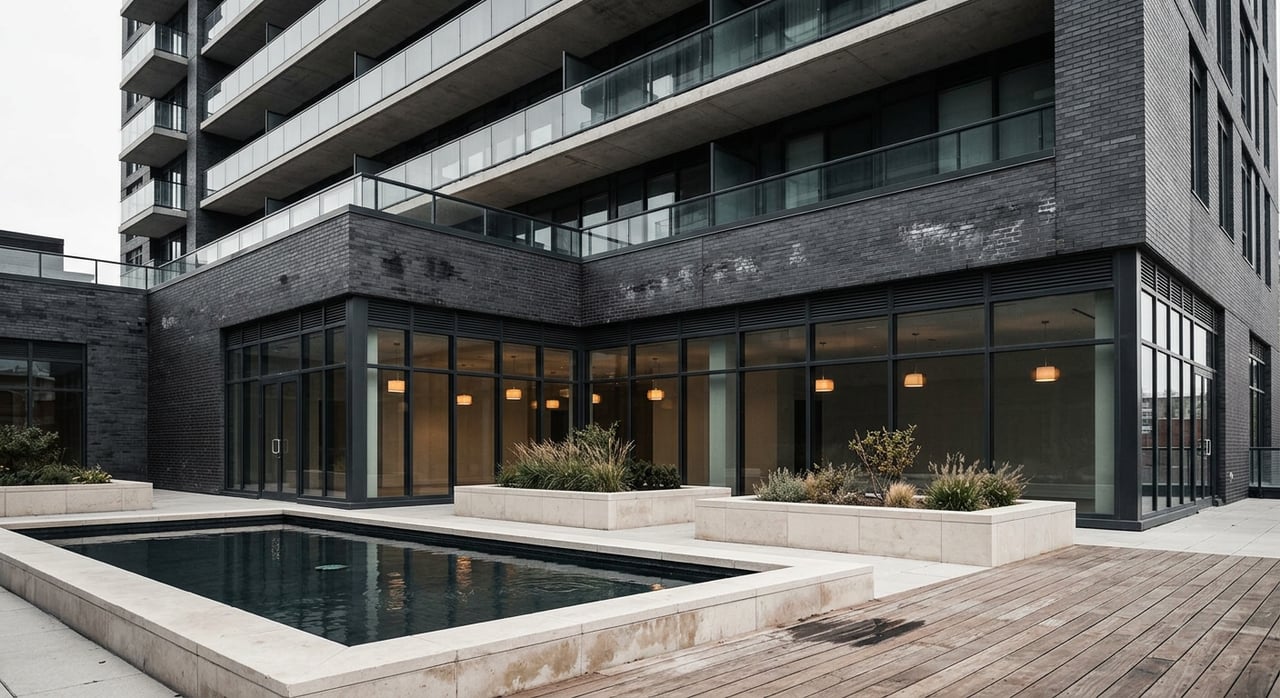
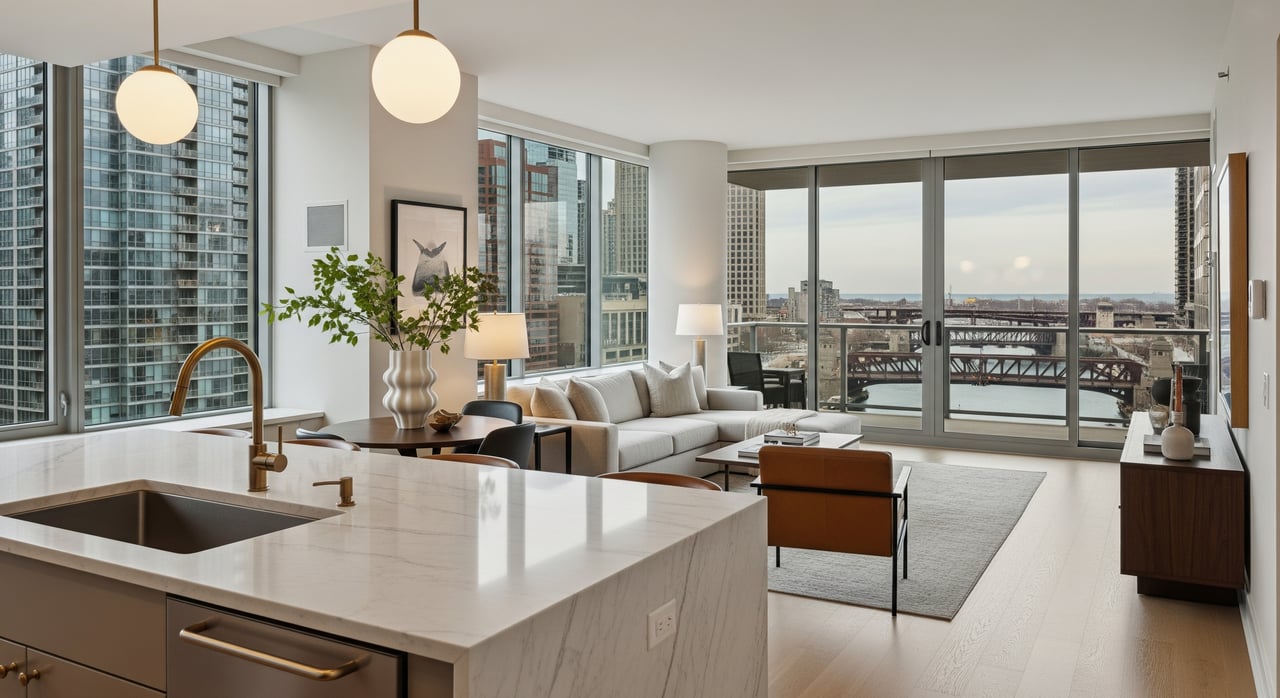
Glenview also includes condo living, especially in places that align with convenience-focused lifestyles. Based on Village housing descriptions, downtown Glenview and The Glen are the closest matches to a condo owner’s familiar mix of transit, retail, and attached housing.
If your priority is to stay connected to shopping, services, and public transportation, these areas deserve a close look. They can offer a suburban address without requiring a total reset of your daily habits.
Ranches, Split-Levels, and Larger Detached Homes
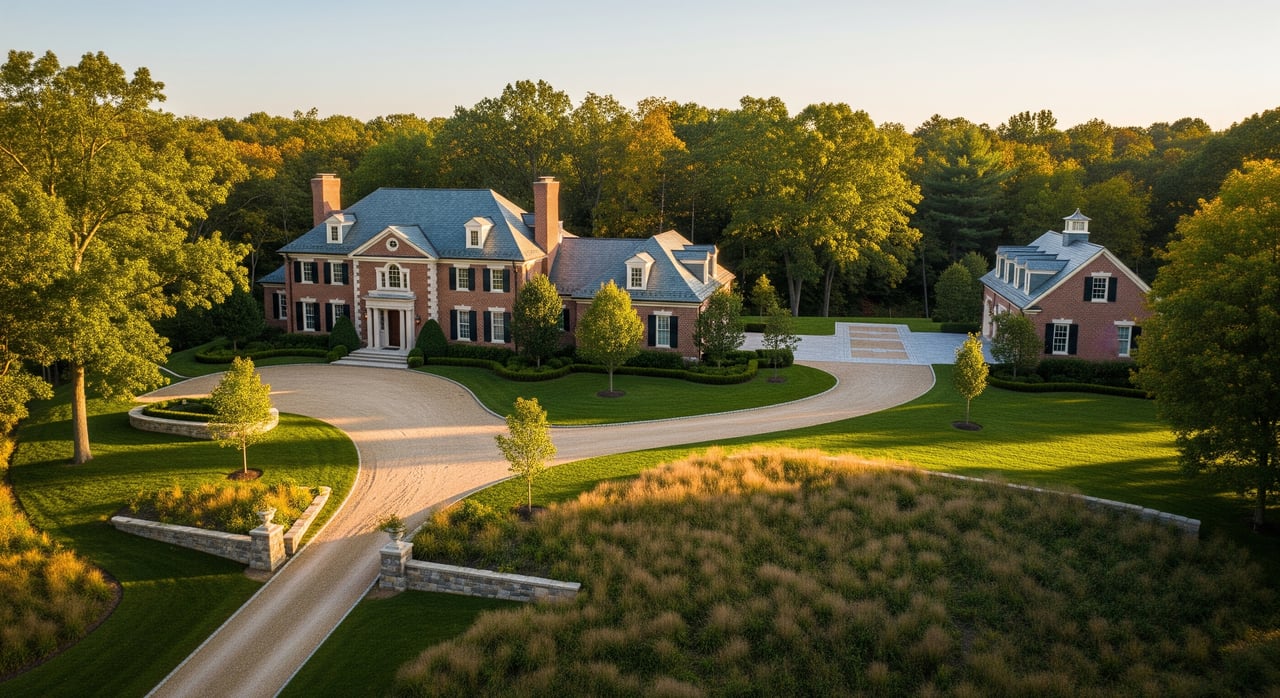
If your priority has shifted toward privacy and outdoor space, Glenview’s postwar neighborhoods may be a better fit. Ranch homes, split-levels, and larger detached houses on broader lots are common in several established neighborhoods.
This part of the market often appeals to buyers who want a more noticeable upgrade in square footage and yard space. It can also create room for future flexibility, whether you need a home office, guest space, or a larger recreation area at home.
Commute and Convenience in Glenview
A move to the suburbs often raises one big question: how much will your routine change? In Glenview, commute options are one reason the village remains practical for buyers coming from Chicago.
Metra’s Milwaukee District North line serves Glenview at two stations: downtown Glenview and Glen of North Glenview. The Village says the average commute is 30 to 35 minutes, and the downtown station also connects to Amtrak.
Pace service adds more flexibility. Route 210 links Glenview with Lincolnwood and several Milwaukee District North stations, Route 422 runs from Linden CTA to Northbrook Court with Glenview and Northbrook rail connections, and Route 423 connects Linden CTA, The Glen, and Harlem CTA.
Daily convenience also depends on where you shop, run errands, and spend free time. The Village highlights several shopping and service nodes, including The Glen Town Center, downtown Glenview, Abt, Plaza Del Prado, Glen Oak Plaza, Patriot Marketplace, Glenbrook Marketplace, and Glen Gate.
Parks and Recreation That Support Daily Life
Glenview offers a strong park and recreation network, which can be a real benefit when you are choosing a longer-term home base. The Glenview Park District says it manages more than 861 acres, 26 parks, 13 fieldhouses, and 12.6 miles of walking trails.
Gallery Park is the community’s largest park. It includes Lake Glenview, 1.8 miles of walking paths, four tennis courts, four dedicated pickleball courts, and boating access from May 1 to October 1.
The Grove adds 150 acres of protected land, historic buildings, and trails. Park Center offers indoor aquatics, fitness, dance, theater, ceramics, open gym, and other recreation programming, and the Glenview Community Ice Center adds another year-round option.
For a move-up buyer, these amenities help shape everyday quality of life. They give Glenview a more active and varied feel, whether you want walking paths, indoor fitness, or a mix of structured and casual recreation close to home.
One Practical Detail Buyers Often Miss
When you move from a condo to a house or townhome, service responsibilities can change in ways that are easy to overlook. In Glenview, the Village contracts weekly curbside garbage and recycling for single-family detached homes and two-unit homes.
Homes with three or more attached units, including many townhomes, are not part of the standard Village contract unless the HOA opts in. That means two homes with similar square footage may come with different day-to-day service arrangements depending on the property type.
This is a small detail, but it reflects a bigger truth about move-up buying. The right choice is not just about price or bedroom count. It is also about how much maintenance, coordination, and responsibility you want in your next chapter.
How to Narrow Your Glenview Search
If you are early in the process, it helps to think in lifestyle layers rather than starting with a long list of addresses. Begin with the kind of transition you want.
Ask yourself:
- Do you want a gradual move from condo living to attached or semi-attached housing?
- Do you want newer construction or are you open to an older home with renovation potential?
- Is transit access still a major priority?
- Do you want more yard space and privacy right away?
- How much day-to-day maintenance feels comfortable?
In broad terms, downtown Glenview and The Glen may suit buyers who want convenience, transit access, and attached housing options. The postwar neighborhoods may suit buyers who are ready for larger lots and more separation. The 1990s subdivisions can offer a useful middle ground between those two experiences.
A well-planned move-up search is about aligning the home style with your real routine, not just your wish list. That is especially true when you are balancing a city sale and a suburban purchase at the same time.
If you are weighing Glenview as your next move, working with an experienced broker who understands both downtown condo transitions and suburban home searches can make the process far more focused. To talk through your options and build a strategy that fits your timing, connect with Cara Buffa.
FAQs
What kinds of homes can move-up buyers find in Glenview?
- Glenview offers single-family homes, duplexes, townhomes, condominiums, apartments, and a range of neighborhood settings, according to Village planning documents.
Which Glenview areas may feel most familiar to downtown condo owners?
- Based on Village housing descriptions, downtown Glenview and The Glen are the closest match for buyers who want a mix of transit access, retail, and lower-maintenance attached housing.
What home styles are common in Glenview’s postwar neighborhoods?
- Ranch homes, split-levels, and larger detached homes on quarter-acre to one-acre parcels are common in neighborhoods such as Willows, Park Manor, Indian Ridge, Northfield Woods, and Bonnie Glen.
What is The Glen in Glenview?
- The Glen is a mixed-use redevelopment area built on the former Naval Air Station site, with housing that includes duplexes, townhomes, cluster homes, and narrow single-family homes, along with parks and recreation amenities.
What commute options are available in Glenview?
- Glenview is served by Metra’s Milwaukee District North line at the downtown Glenview and Glen of North Glenview stations, and the Village says the average commute is 30 to 35 minutes. Pace Routes 210, 422, and 423 also serve parts of Glenview.
What should buyers know about garbage and recycling in Glenview?
- The Village provides contracted weekly curbside garbage and recycling for single-family detached homes and two-unit homes, while many homes with three or more attached units are not included unless the HOA opts in.