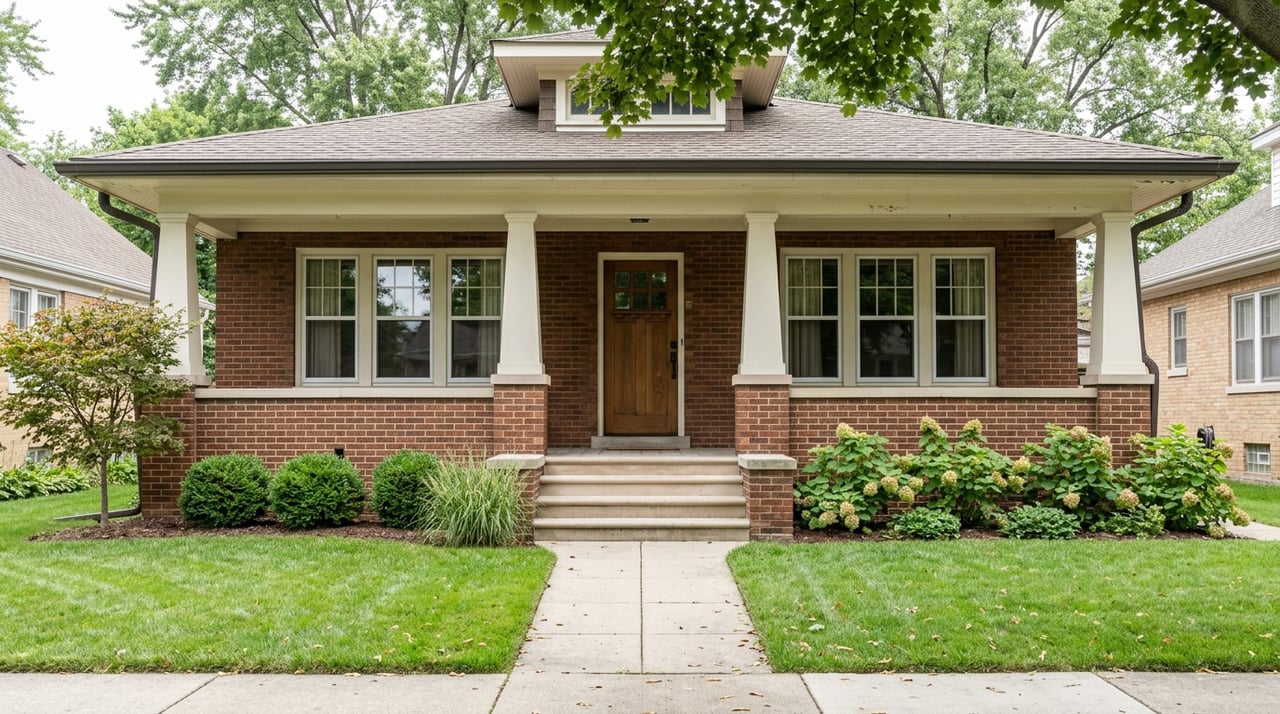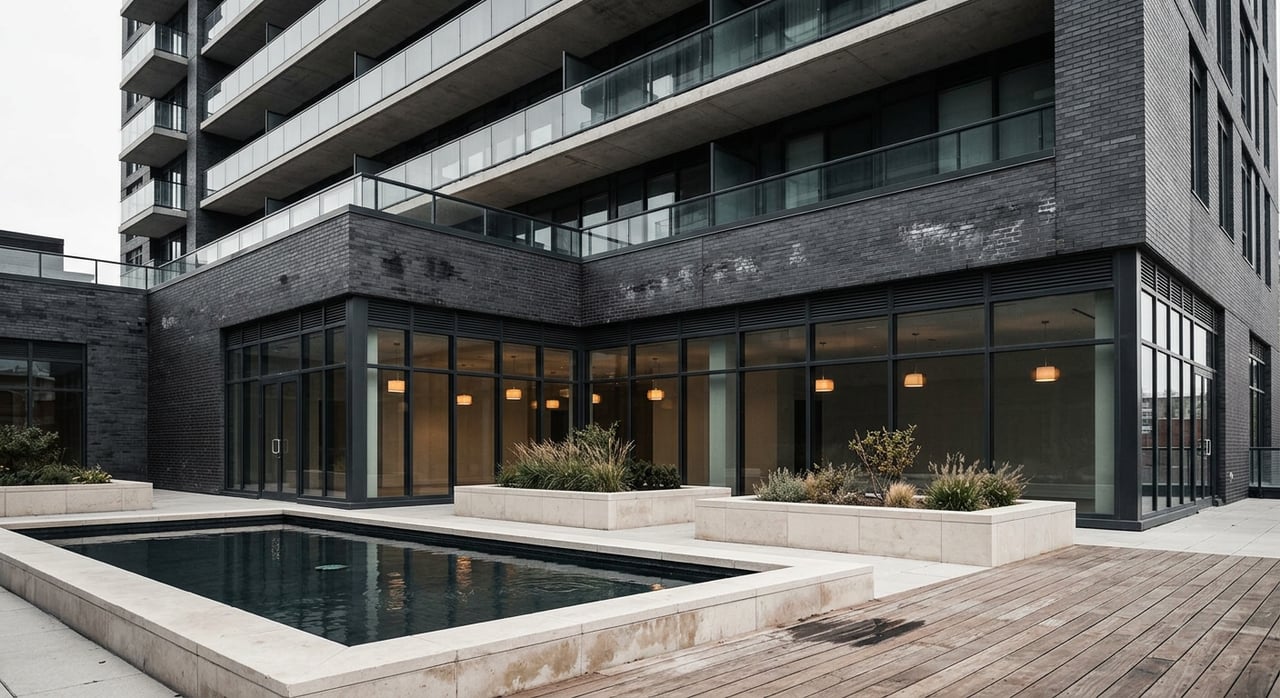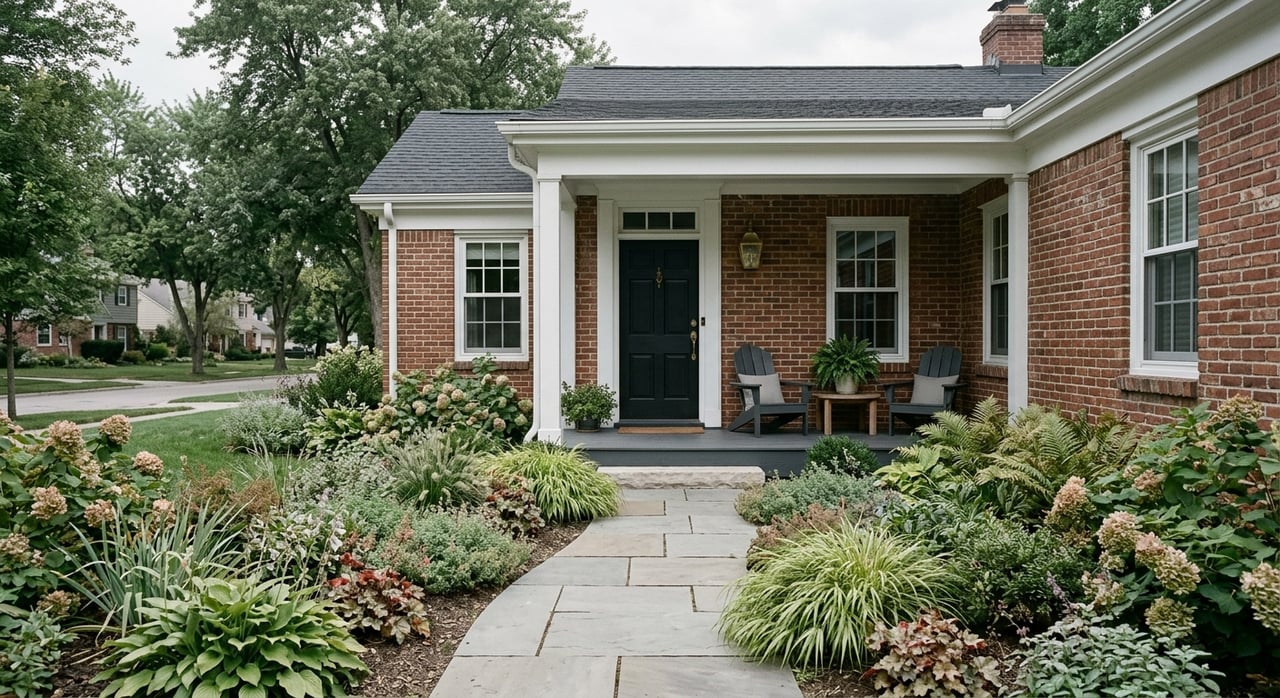
Outgrowing your condo but not ready to take on a full single-family house? You are not alone. Many Chicago buyers are searching for more space, private entries, and outdoor areas without the yard work and price tag of a detached home. This guide shows how Lincoln Park townhomes fill that gap, what ownership really means, typical layouts and amenities, financing and resale considerations, and a simple checklist to shop with confidence. Let’s dive in.
Why Lincoln Park townhomes fit the middle
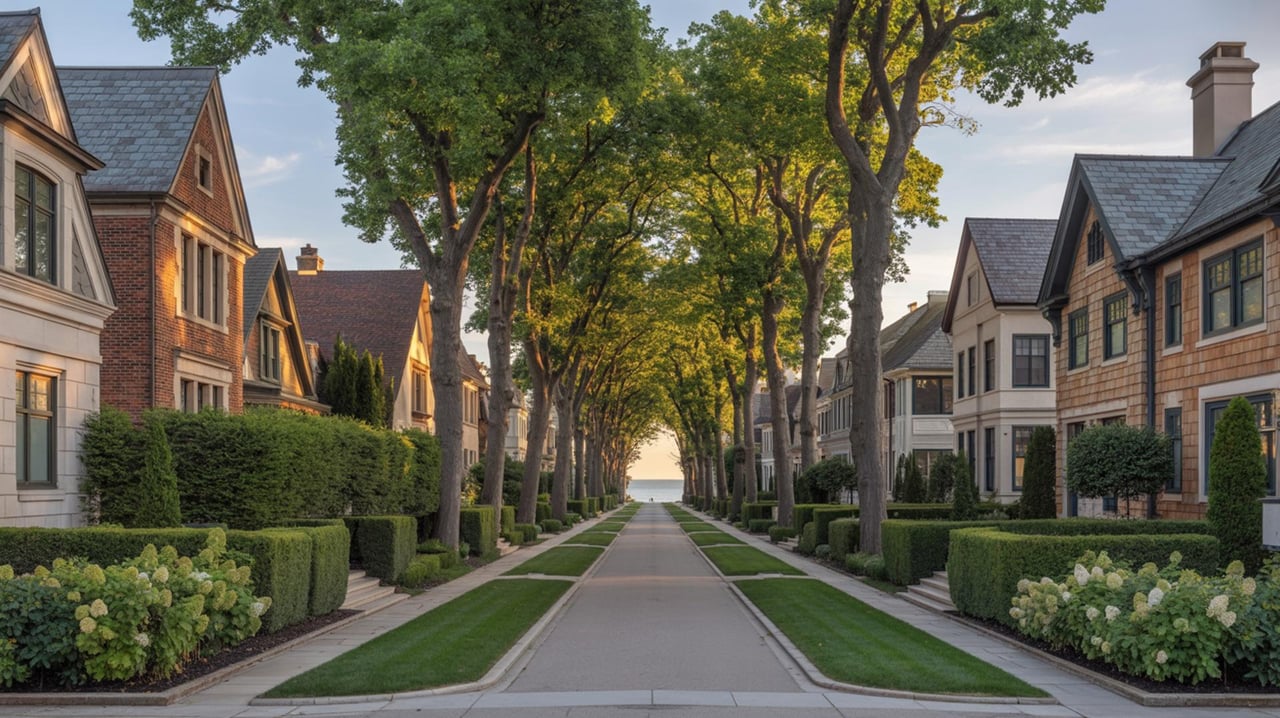
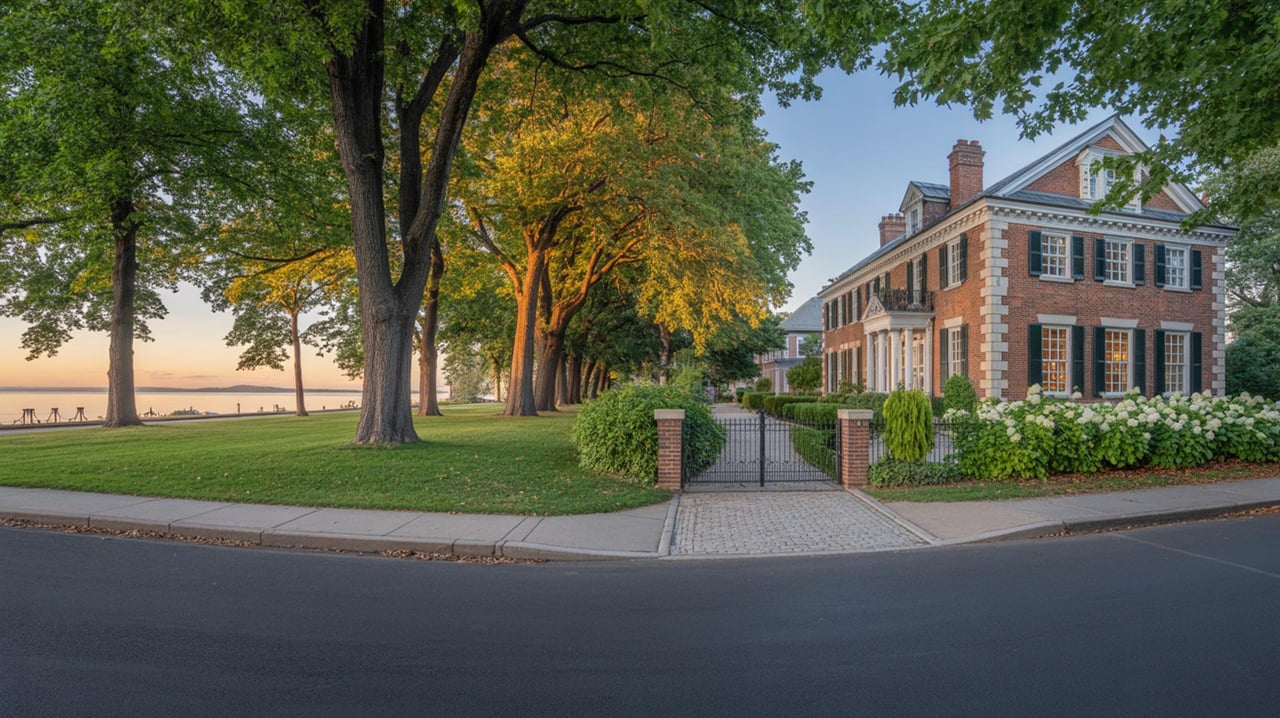
Lincoln Park blends historic streets, parks, lake access, and a lively dining and shopping scene in a compact, walkable setting. The neighborhood generally runs from Diversey on the north to North Avenue on the south, Lake Michigan on the east, and the river and Clybourn corridor on the west, offering a mix of classic and modern housing choices. You get urban convenience with proximity to green space and transit, which helps explain steady housing demand. You can explore neighborhood context through the Lincoln Park Chamber’s overview.
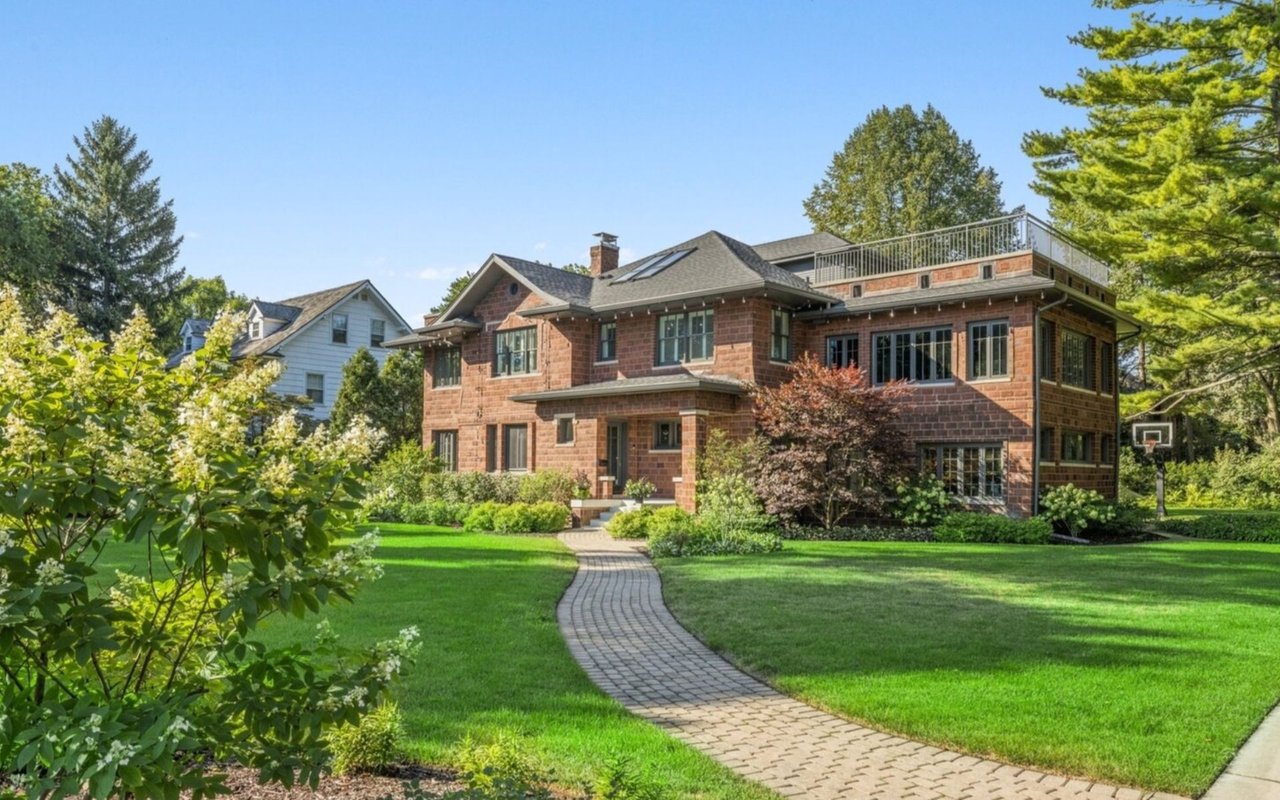
On price, townhomes often land between condos and detached homes. Recent neighborhood data has shown a median sale price around the mid-to-upper six figures for Lincoln Park overall, reflecting a competitive market with balanced days on market. Detached homes in the broader Lake View and Lincoln Park submarket carry a much higher median price point, with a mid-2025 single-family median reported around $1.55 million, according to DePaul’s Institute for Housing Studies. For many buyers, a townhome provides extra square footage, a private entrance, and often parking at a lower total price than many nearby single-family houses.
What “townhome” means here
Not every “townhome” is the same in Lincoln Park. The term describes how a home looks and lives, but the legal form behind it matters.
Fee-simple vs. condo regime
- Fee-simple townhome: You own the structure and the land beneath it. You are typically responsible for exterior and roof maintenance, insurance for the entire structure, and property taxes on the full parcel. Some fee-simple developments have a small HOA for shared drives or landscaping.
- Condo-form townhome: You own a unit within a condominium association that controls common elements like roofs, exterior walls, and grounds, and you pay monthly assessments. The Illinois Condominium Property Act shapes association duties and owner responsibilities.
A listing labeled “townhome” does not guarantee fee-simple title. Confirm the legal form with your agent by reviewing the deed and association declaration. For a simple explainer on townhomes versus condos, see this plain-language overview from Better Homes & Gardens.
How Lincoln Park townhomes are built and laid out
You will find several common formats across the neighborhood.
Historic rowhouses and greystones
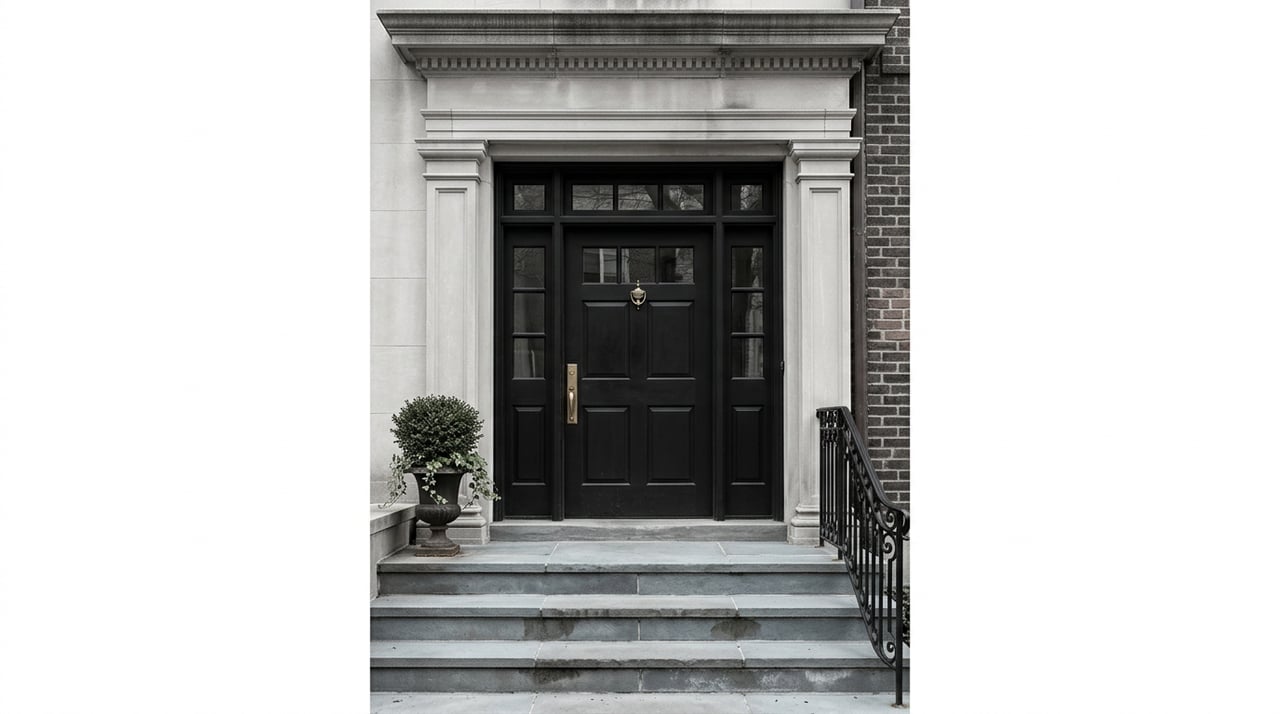
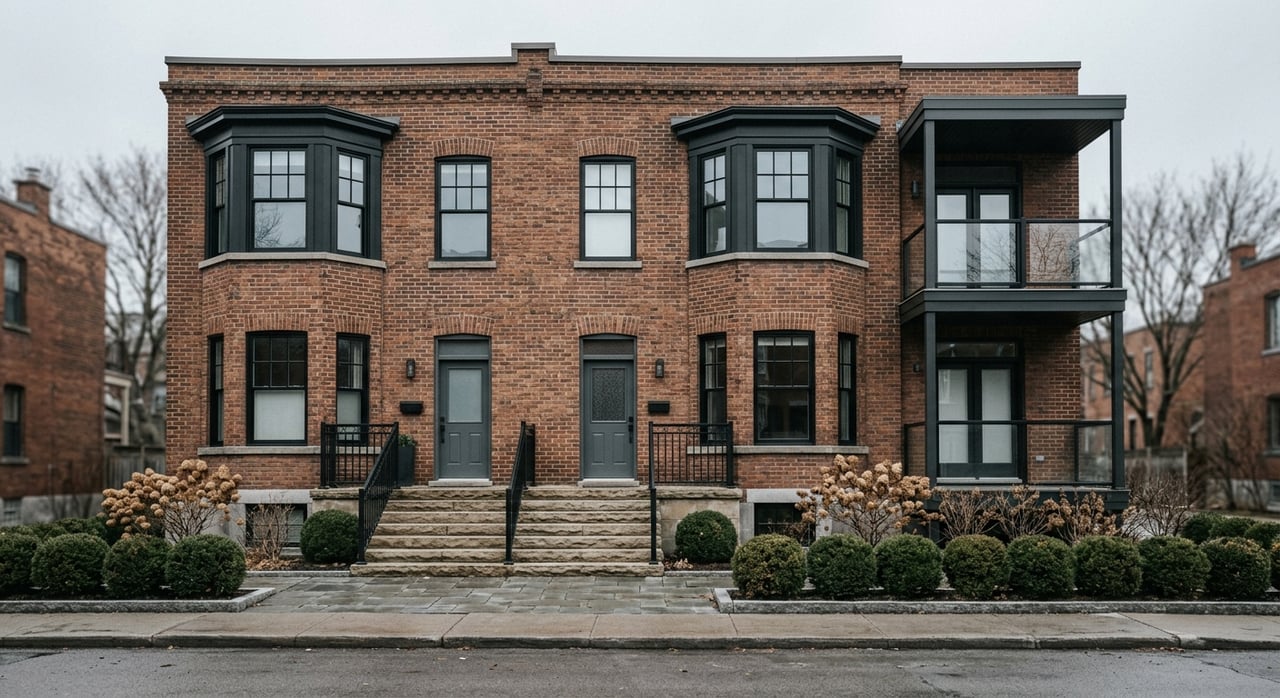
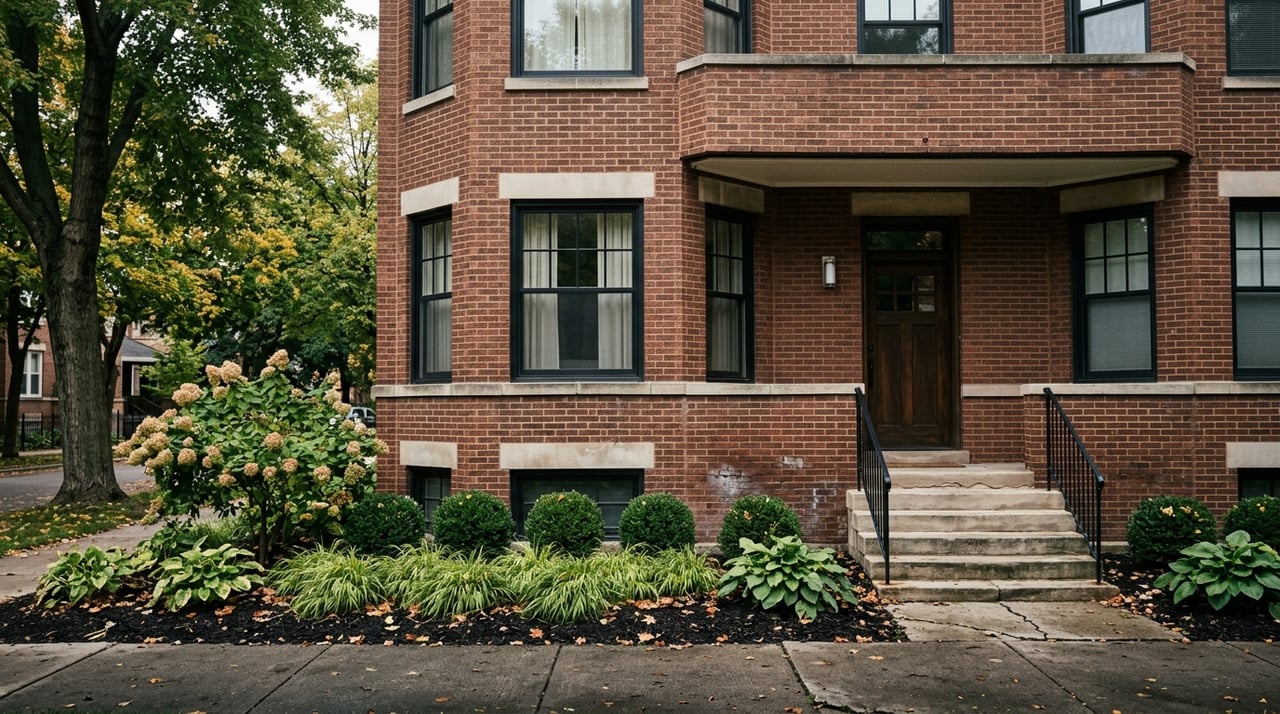
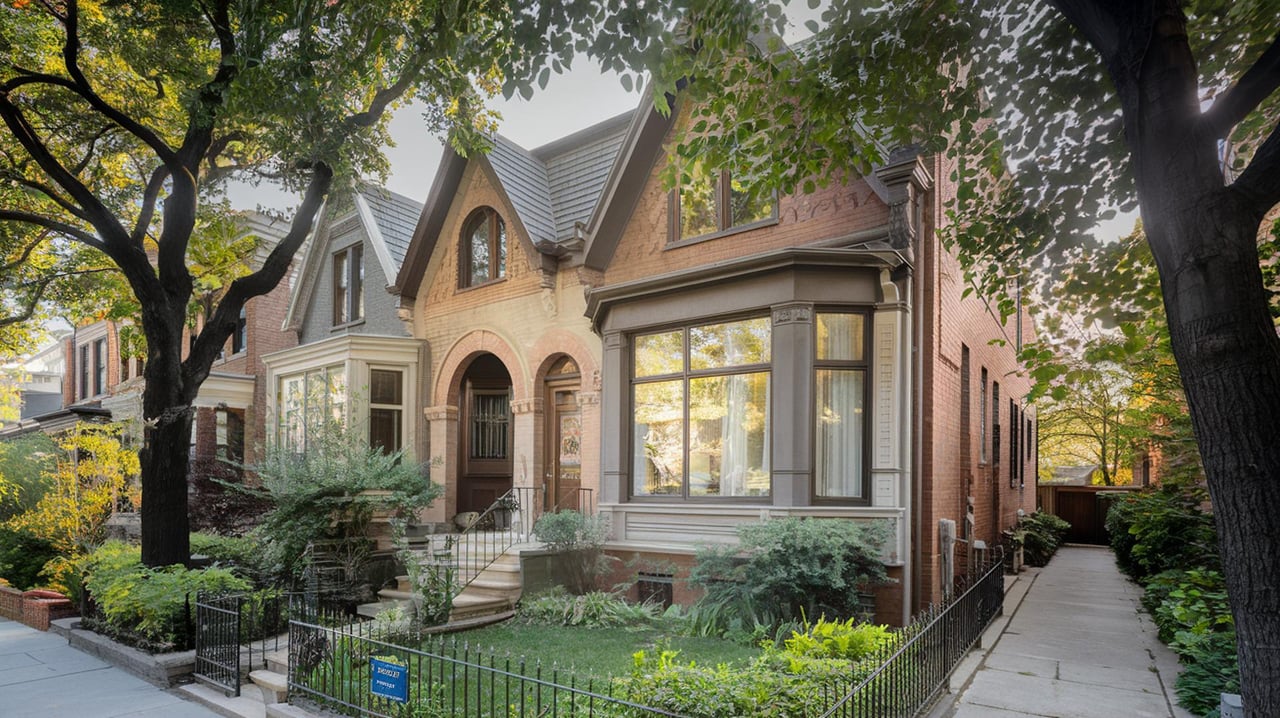
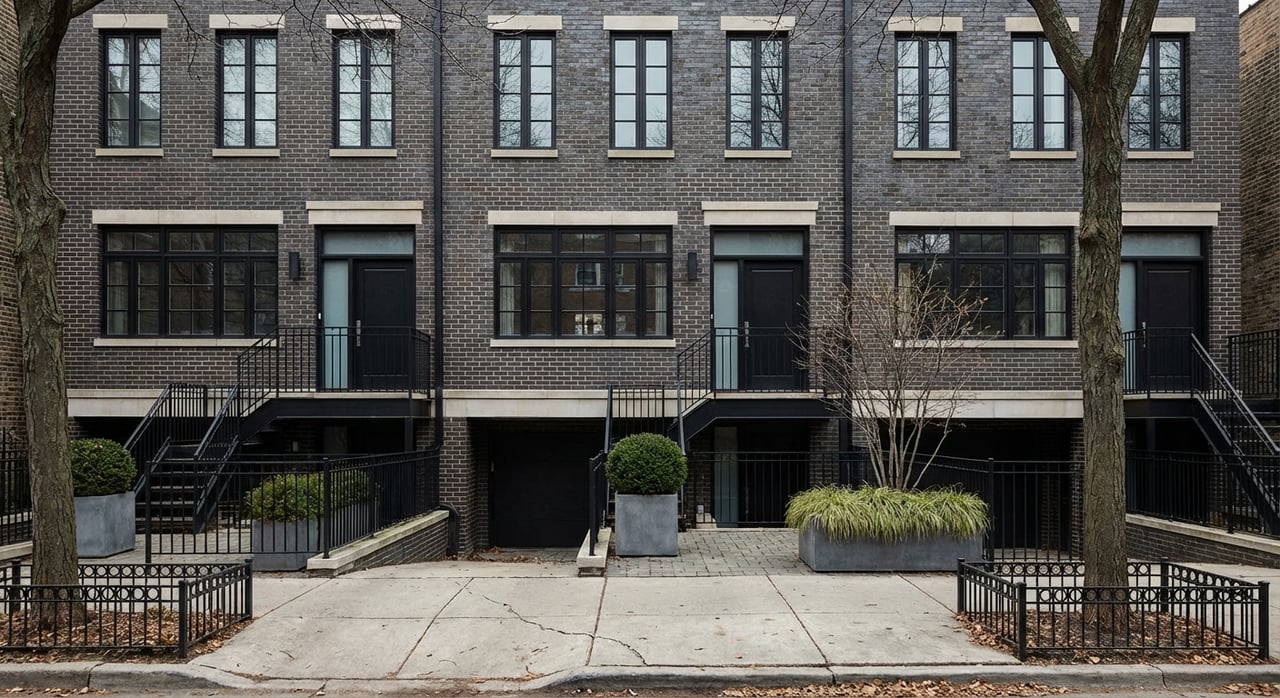
Many streets feature classic brick or stone rowhouses with tall stoops, narrow footprints, and multiple levels. Some are deeded fee-simple, and others are part of small condominium associations. Interiors often balance historic character with updated kitchens and baths.
Low-rise and courtyard developments
Townhouse clusters from the 1980s through recent infill projects are sprinkled throughout Lincoln Park. These typically offer private entries, small HOAs, and shared drives or landscaped courtyards. Expect a range of finishes and sizes depending on the era and builder.
Newer four-story options
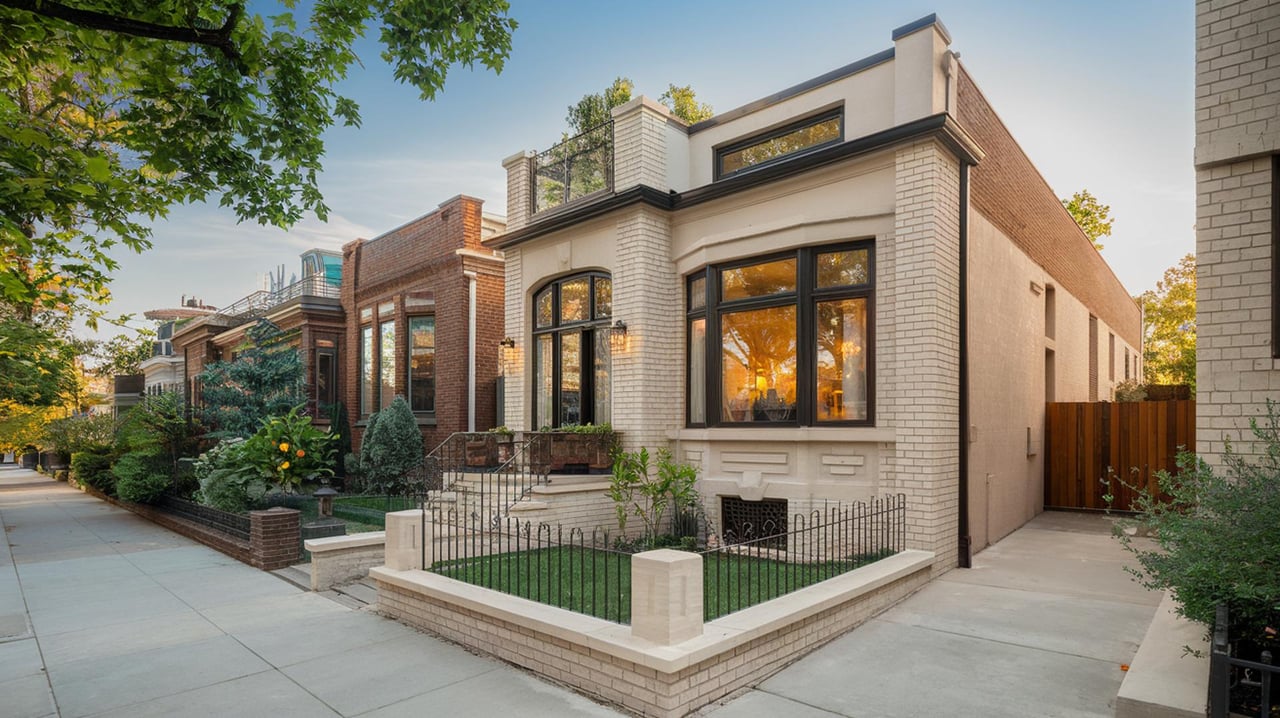
Recent builds often include attached garages, open-plan living levels, three or more bedrooms, and roof decks. Vertical living is the norm. Many layouts place living, dining, and kitchen together on one level, with bedrooms above and bonus space or storage below.
Outdoor space and parking
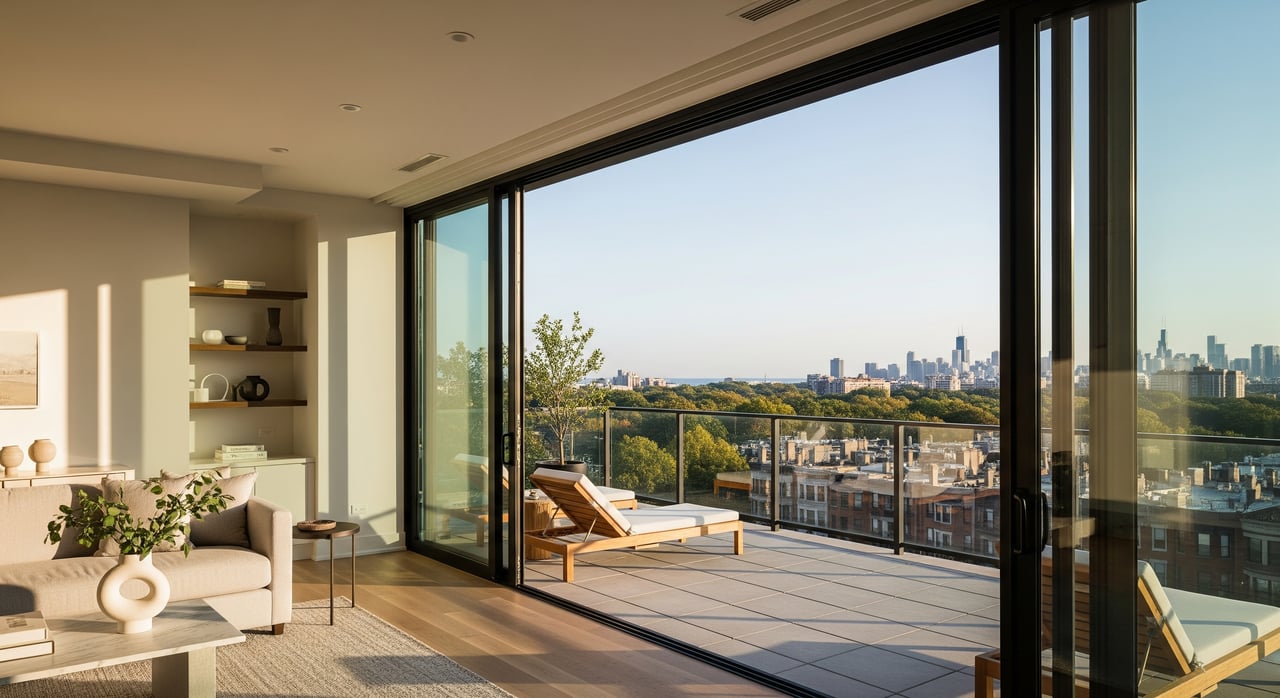
Outdoor space is a major advantage of townhome living. You will often see a mix of roof decks, balconies, and ground-level patios or small fenced areas. If you care about grilling or container gardening, confirm the HOA rules on deck use and gas lines.
Parking varies by development. Many townhomes include attached or alley-access garages, while others offer assigned spaces. If a home does not include deeded parking and you rely on a car, review eligibility for Residential Permit Parking and guest pass rules through the 43rd Ward’s services page. Always verify the exact parking arrangement in writing.
Monthly costs: HOA, taxes, and insurance
Townhome ownership costs can differ widely based on legal form and association scope.
HOA assessments and what they cover
Assessments can range from very low monthly dues to several hundred dollars per month. Smaller or fee-simple associations may only cover snow removal, shared drive maintenance, and landscaping. Condo-form townhomes often include exterior maintenance, common-area utilities, water, scavenger, and a master insurance policy. The association’s declaration controls these duties under the Illinois Condominium Property Act.
A key item to review is reserve funding. Underfunded reserves may lead to special assessments when big projects come due. Industry guidance highlights the value of reviewing reserve studies, budgets, and meeting minutes to spot upcoming work. For a useful primer on reserves and association budgets, see this CooperatorNews resource for Chicagoland communities hosted on FlipHTML5.
Property taxes and insurance
- Fee-simple townhomes are taxed on the land and structure together, and you carry a homeowner’s policy that covers the entire exterior and interior.
- Condo-form townhomes carry taxes on the unit itself. The association holds a master insurance policy for the building’s exterior and common elements, while you carry an HO-6 policy for interiors and personal property. The North Shore Barrington Association’s overview offers helpful context on how condo insurance differs from traditional homeowner coverage.
Financing: why legal form impacts your loan
Mortgages for fee-simple townhomes usually follow single-family underwriting, which is straightforward for most conventional loans. Condo-form townhomes can require a project review that looks at the association’s financial health, insurance, and owner-occupancy. If the building is not already approved, your lender may need extra documentation or additional steps, which can affect timelines and program eligibility. For a clear summary of what lenders look for in condo projects, review Fannie Mae’s project standards guidance.
Tip: Ask your lender early whether the building is approved and what documentation they will need from the association. Getting ahead of this can save you time later.
Resale performance and scarcity
Townhomes in prime urban neighborhoods can be scarce, which supports demand. Buyers who want a private entry, multi-level layout, outdoor space, and parking often prioritize townhomes over mid-rise condos. Recent North Side market reports show attached homes, including townhomes, performing well with steady median prices in recent quarters, as noted by Loop North’s coverage of Baird & Warner’s data. Pricing outcomes still vary by block, condition, parking, and outdoor space, so rely on building-specific comparable sales when you are ready to write an offer.
Buyer checklist: move up with confidence
Use this list to stay organized as you compare Lincoln Park townhomes.
1) Confirm the legal form
- Ask whether the home is fee-simple or part of a condominium association. Review the deed and the association declaration and bylaws if a condo regime applies.
- Understand what the association is responsible for versus what you must maintain, using the Illinois Condominium Property Act as a reference point.
2) Review the association’s finances (if applicable)
- Request the current budget, the last 2 to 3 years of financials, the reserve study (if any), master insurance summary, and meeting minutes for the past year.
- Look for reserve levels, upcoming capital projects, delinquency rates, and any history of special assessments. See CooperatorNews’ overview of reserves and budgeting on FlipHTML5.
3) Order the estoppel or resale documents early
- The estoppel or resale certificate shows whether dues are current and lists any outstanding assessments or violations. Order it as soon as you go under contract to avoid delays. Learn what this document covers from Battaglia Law’s explainer.
4) Inspect for the right issues
- Focus on roof, exterior masonry, flashing, gutters, foundation, and any signs of moisture. Confirm who is responsible for exterior repairs.
- Check the age and condition of HVAC, water heater, and any shared mechanicals. Pay attention to natural light, window condition, and sound transfer between attached walls.
5) Verify parking and street rules
- Confirm whether parking is deeded, assigned, or leased, and get it in writing. Ask for garage dimensions if you have a large vehicle.
- If you plan to use street parking, review permit zones and guest pass rules with the 43rd Ward office.
6) Align financing with the property type
- If the townhome is part of a condo project, ask your lender about building approval requirements and required documents. Review Fannie Mae’s project standards to understand what lenders evaluate.
- If fee-simple, expect a process similar to a single-family loan.
7) Think about resale now
- Features that support demand include clear parking, usable outdoor space, a flexible bonus room or finished lower level, and well-maintained mechanicals.
- Price against true townhome comps in the same area or development to ensure you are buying and selling with accurate benchmarks.
Is a Lincoln Park townhome right for you?
If you want more space, a private entrance, and the feel of a home with less exterior upkeep, a townhome can be a smart path between condo living and a detached house. The tradeoffs are clear: more stairs and a higher purchase price than many condos, but often lower total cost and maintenance than a single-family home in the same area. Focus on the legal form, association strength, parking, and outdoor space, and you will be well positioned to buy with confidence.
Ready to explore the best options and compare true apples-to-apples? Work directly with Cara Buffa to see curated Lincoln Park townhomes and map a plan that fits your space, timeline, and budget.
FAQs
What makes a Lincoln Park townhome different from a condo unit?
- A townhome describes the style and layout, but the legal form can be fee-simple or condominium. In a condo regime, the association handles common elements and you pay monthly assessments. Fee-simple owners handle most exterior maintenance themselves.
How much are HOA fees for Lincoln Park townhomes?
- Dues vary widely. Small or fee-simple associations can be modest, while larger condo-form developments may run several hundred dollars per month depending on what they cover. Always review the budget, reserves, and recent meeting minutes.
Do townhomes usually include parking in Lincoln Park?
- Many do, often in the form of an attached or alley-access garage. Others have assigned outdoor spaces or no parking at all. If parking is not included, check local Residential Permit Parking rules before you commit.
How does financing work for a condo-form townhome?
- Lenders may require a review of the building’s financial health, insurance, and owner-occupancy before approving your loan. Ask your lender early about project approval requirements so you can gather documents in time.
What are the key inspection points for a multi-level townhome?
- Pay close attention to roof condition, exterior masonry and flashing, foundation and moisture, window integrity, and the age of HVAC and water heater. Confirm who is responsible for any exterior repairs before you waive contingencies.
How do taxes and insurance differ for fee-simple vs condo-form townhomes?
- Fee-simple owners are taxed on land and structure and carry full homeowner’s insurance. Condo-form owners pay taxes on the unit itself and carry an HO-6 policy while the association holds a master policy for the building’s exterior and common areas.