What does everyday life in Wilmette actually feel like once you move beyond the map? For many buyers, that is the real question. You are not just choosing a home. You are choosing how errands, commuting, recreation, and weekend routines fit together. If you are considering Wilmette, this guide will walk you through what daily life looks like from the Village Center to the lakefront, so you can picture how the community may fit your next move. Let’s dive in.
Wilmette at a glance
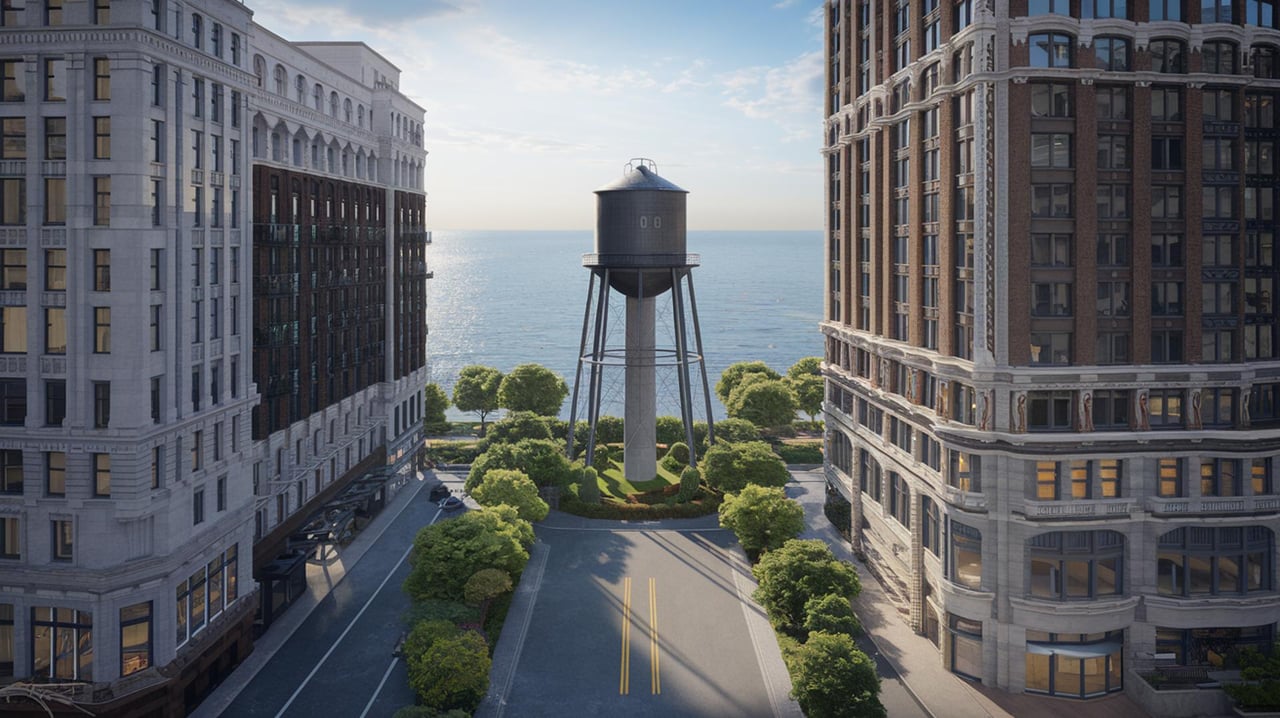
Wilmette has the feel of a compact lakefront community with a strong civic core. According to the Village of Wilmette community profile, the village extends about five miles west from Lake Michigan and is roughly one mile wide.
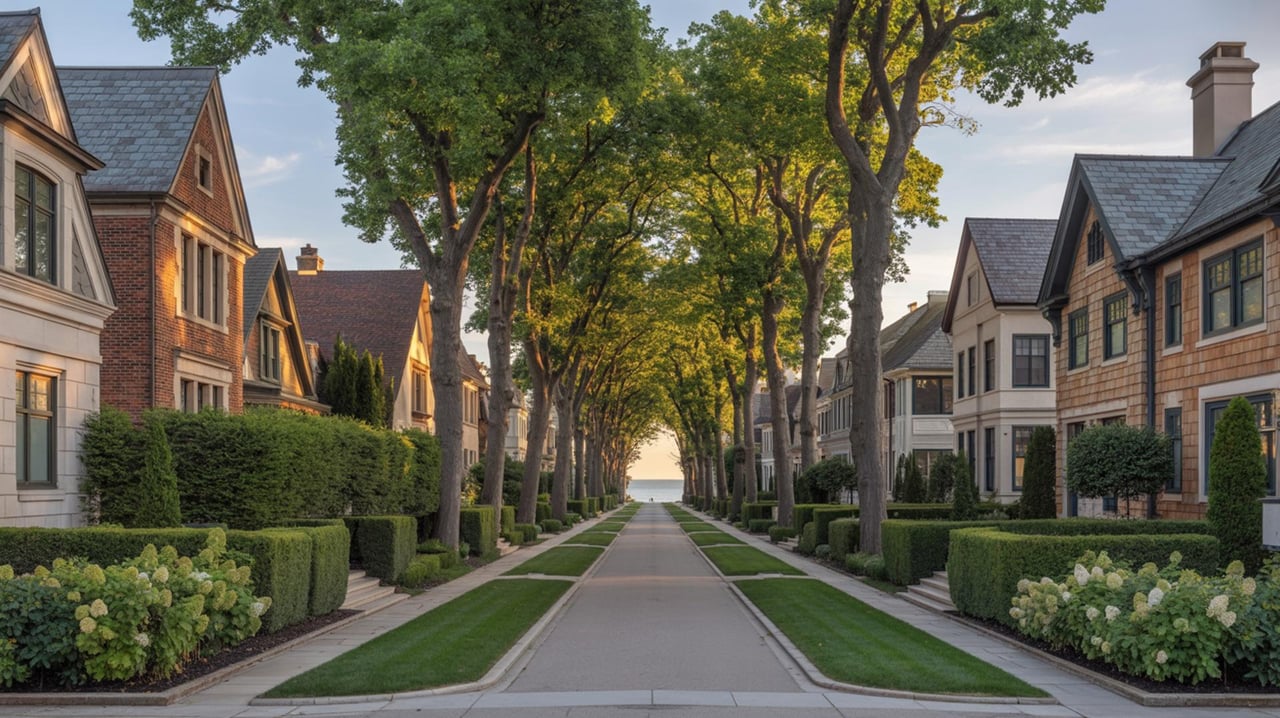
That layout matters in day-to-day life. The same community profile notes 166.2 miles of sidewalk and 90 miles of street, which helps explain why walking, biking, and short local trips are such a visible part of the rhythm here.
Downtown Wilmette anchors daily routines
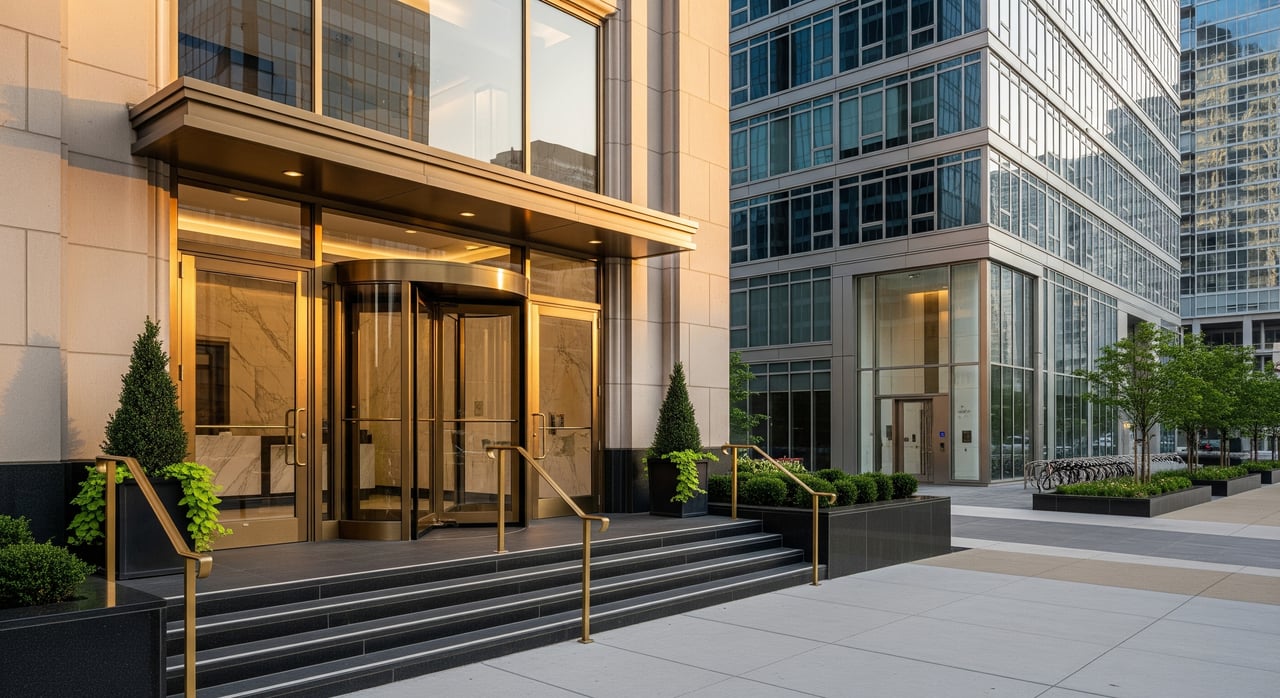
Downtown Wilmette, often called Village Center, is centered around the Metra station and serves as a practical hub for daily life. The village describes it as a center for retail, dining, entertainment, housing, employment, and transportation while maintaining Wilmette’s historic small-town character, as outlined in its business districts overview.
For you, that can translate into a routine that feels connected rather than spread out. Running errands, meeting friends, grabbing a meal, and commuting can all revolve around one central area instead of requiring several separate drives.
Shopping and dining span several districts
One of Wilmette’s strengths is that it does not rely on a single commercial strip. The village highlights seven commercial districts, with public transportation and free street parking helping residents move between them.
For lifestyle purposes, the most recognizable districts include Downtown Wilmette, Linden Square, Plaza del Lago, and Ridge Road, according to the village’s commercial district guide. That gives you a mix of destinations for shopping, dining, and everyday errands throughout the community.
This kind of layout often appeals to buyers who want convenience without feeling boxed into one single center. Different pockets of activity can make everyday life feel more varied while still staying local.
Community events create a strong local rhythm
A place feels different when people gather there regularly, and Wilmette has a calendar that supports that kind of community life. In 2026, the village lists events such as the French Market, AAPI Heritage Festival, Memorial Day Parade, Wilmette Art Fair, Wilmette Block Party, Auto Historica, Trunk or Treat, and Holiday Happenings on its community events page.
The French Market is scheduled on Saturdays from 8 a.m. to 1 p.m. at the Metra parking lot, which reinforces downtown as more than just a pass-through area. It becomes part of the weekly routine.
The Park District also notes that the Block Party brings thousands downtown for local food, live music, and family-friendly activities. If you value a community where public spaces are regularly activated, this is an important part of Wilmette’s everyday appeal.
Gillson Park shapes the lakefront lifestyle
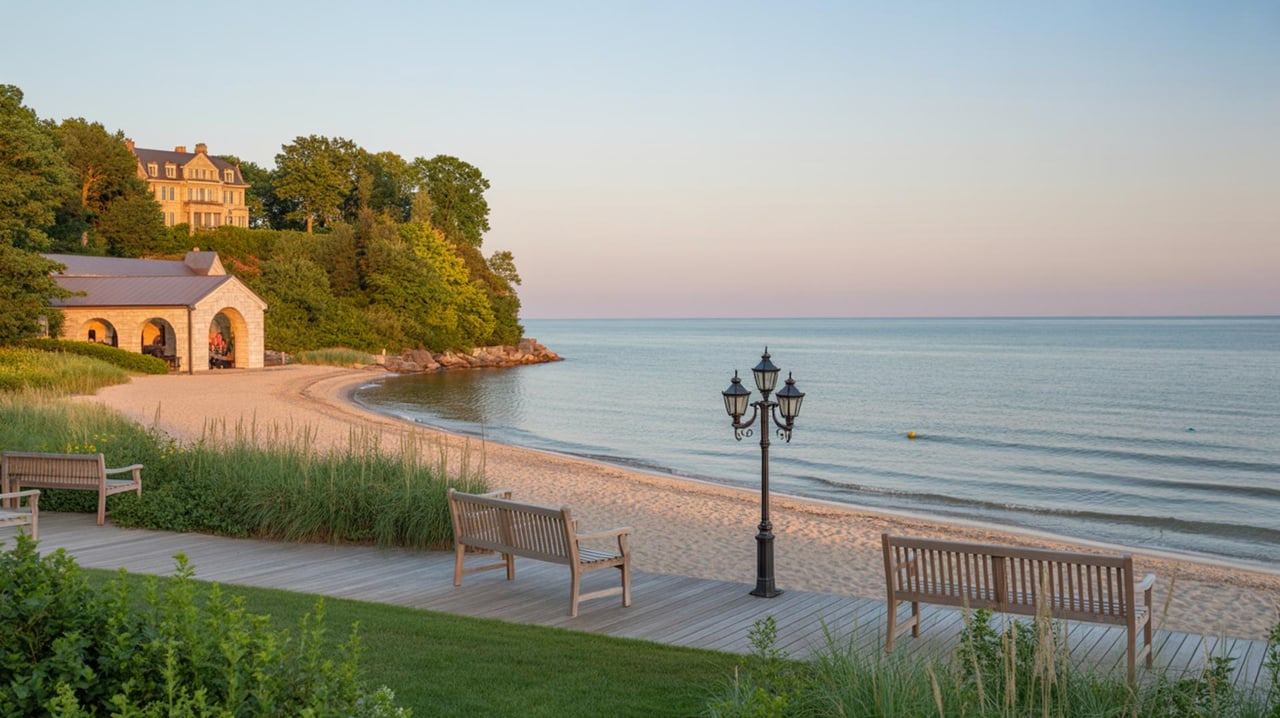
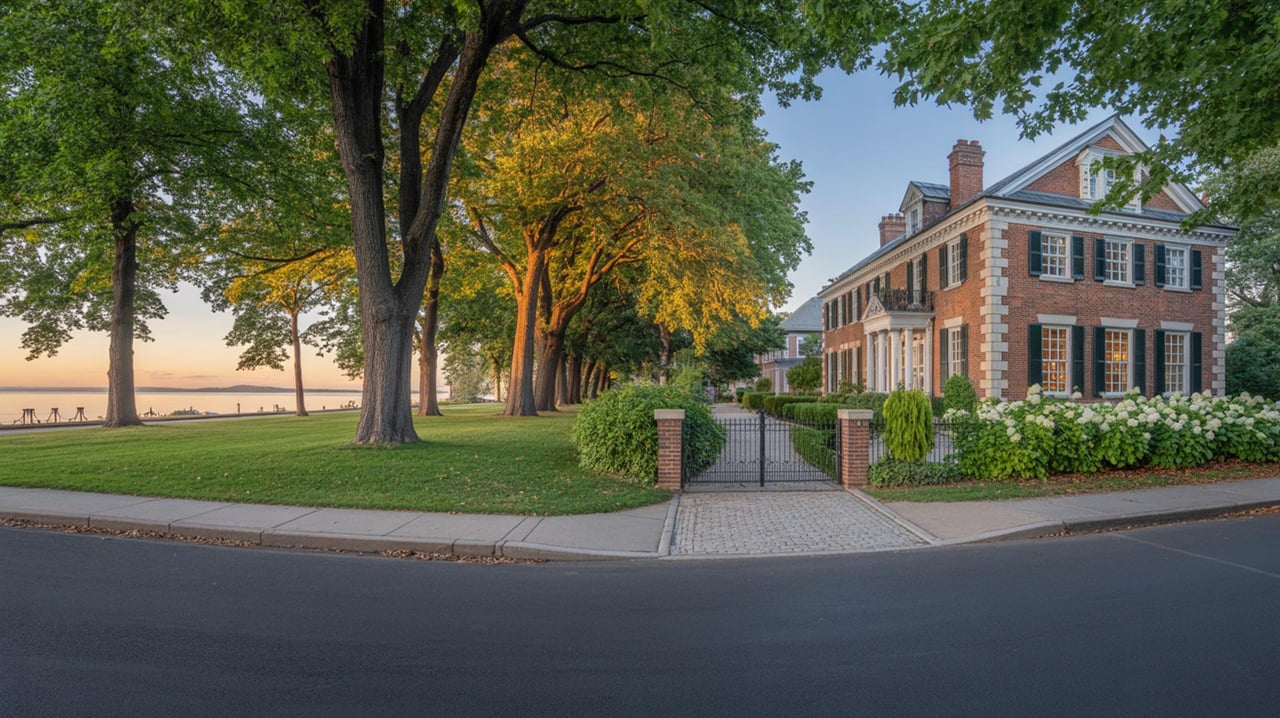
For many people, the lakefront is what makes Wilmette stand apart. The Wilmette Park District maintains 314 acres of parks, and Gillson Park is one of the most defining public spaces in town.
The Park District describes Gillson as about 60 acres along Lake Michigan with two swimming beaches, picnic areas, lighted tennis courts, a fitness course, a tot lot, kayak, SUP, and sailboat rentals, a dog beach, Wallace Bowl outdoor theater, and a seasonal lighted ice rink. That is a broad range of uses in one location, which helps make the lakefront part of real daily life rather than just a scenic backdrop.
If you like starting the day with a walk, spending summer afternoons outdoors, or building recreation into your weekly routine, Gillson Park is likely to be a major part of how you experience Wilmette.
Lakefront access is active but managed
It is also helpful to understand that Wilmette’s lakefront operates as a managed public amenity. According to the Park District’s Gillson Park information page, the swimming beach is open from Memorial Day through Labor Day from 10 a.m. to 8 p.m., while the park itself is open from 6 a.m. to 10:30 p.m.
Parking rules also change by lot and season, and some areas may require resident decals or daily passes. In practical terms, that means the lakefront is very much part of local life, but it is not an unrestricted drop-in waterfront at all times.
That distinction can be useful when you are comparing Wilmette to other communities. The lakefront is a real advantage, but your routine may work best if you understand the seasonal structure and access rules ahead of time.
Recreation goes beyond the shoreline
While the lakefront gets much of the attention, recreation in Wilmette extends well beyond Gillson. The Park District highlights the Centennial Recreation Complex as a year-round destination with indoor tennis, ice rinks, and an aquatic center.
The Center for the Arts at the Community Recreation Center also offers dance, music, theatre, and art classes. Community garden plots are available at Centennial Park and West Park, which adds another layer to everyday life for residents who want more than just passive green space.
This broader recreational system matters because it supports routines in every season. Summer at the beach may be a draw, but year-round amenities are what often shape how livable a community feels over time.
Commuting options are broader than expected
Wilmette offers several commute choices that are notable for a suburb. The village’s community profile lists access to I-94, the Metra Union Pacific North Line, the CTA Purple Line, and Pace bus routes 213, 421, 422, and 423.
CTA’s Linden station is also described by the village as accessible and equipped with sheltered bike parking and park-and-ride. That makes it easier to combine local mobility with regional transit.
Recent U.S. Census QuickFacts for Wilmette show a mean travel time to work of 34.6 minutes. If you are balancing suburban space with access to Chicago or surrounding employment centers, that mix of road and transit options is worth a closer look.
Housing options in Wilmette
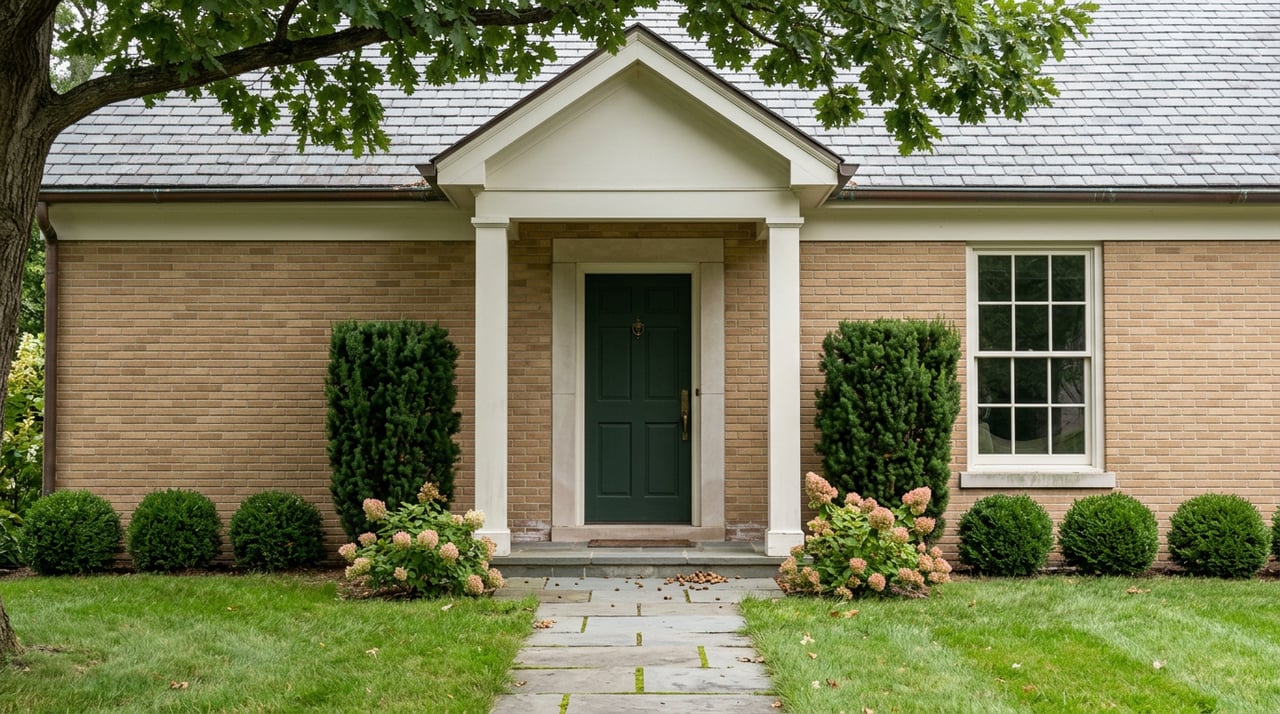
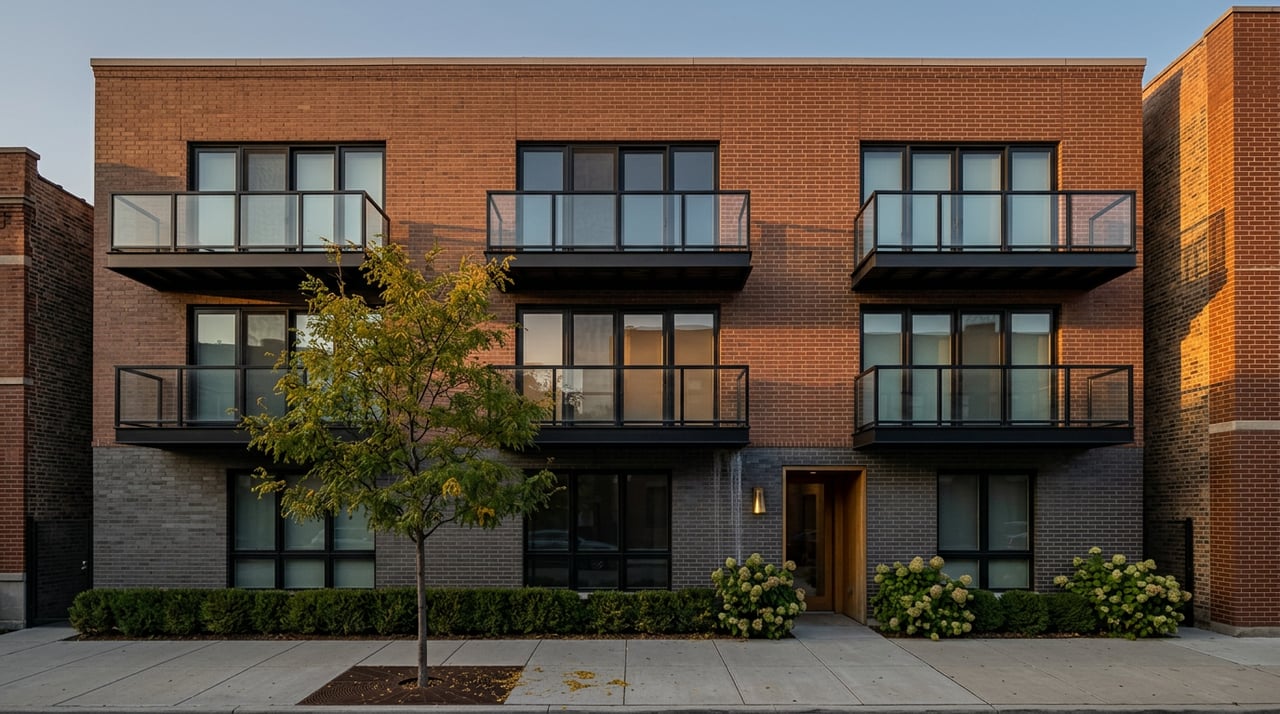
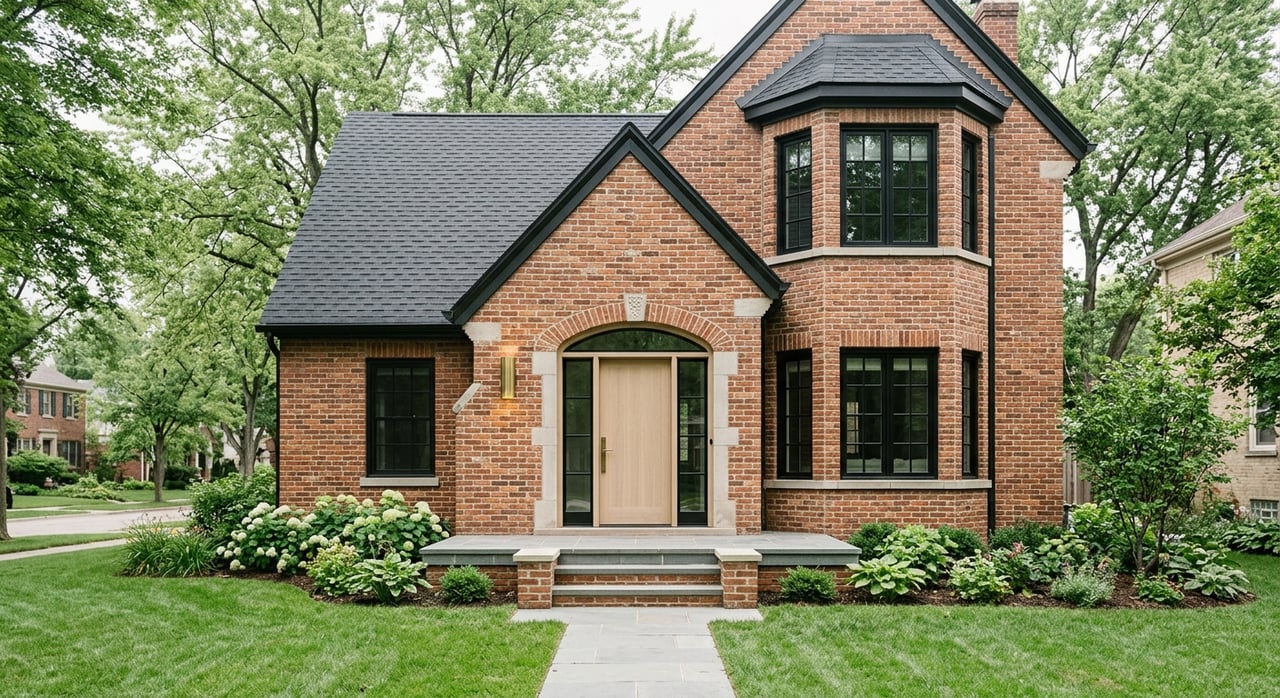
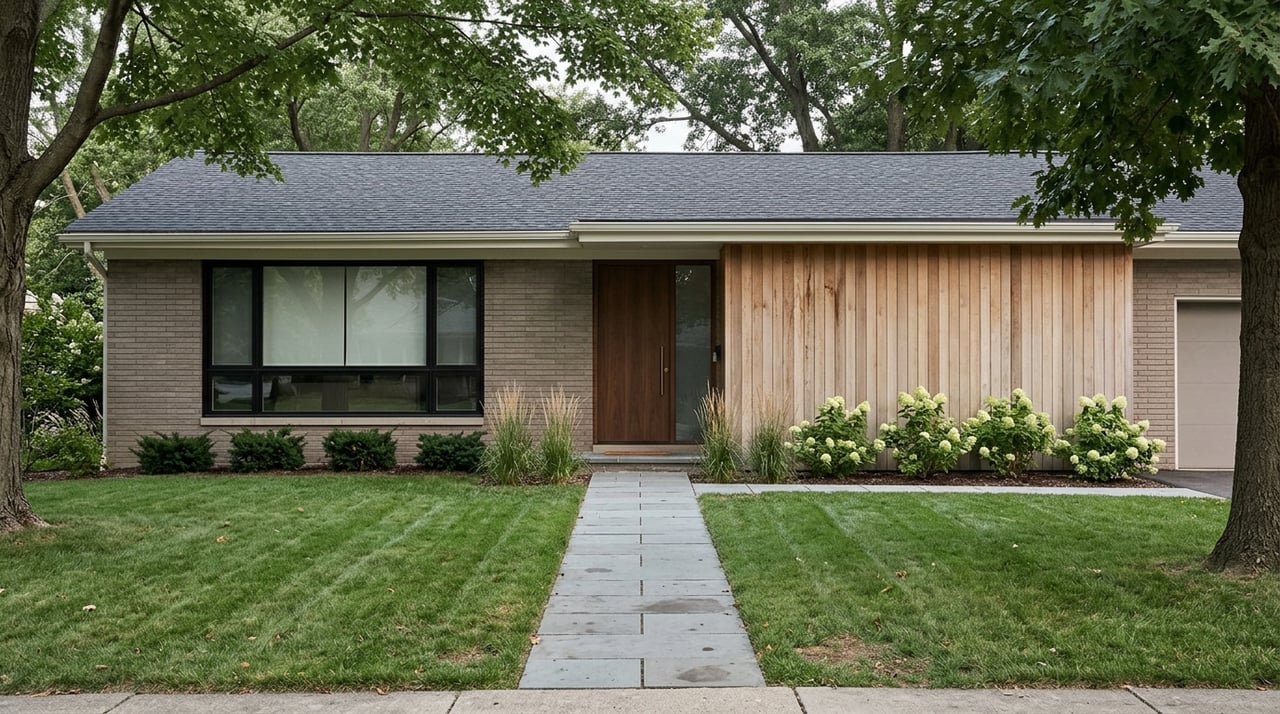
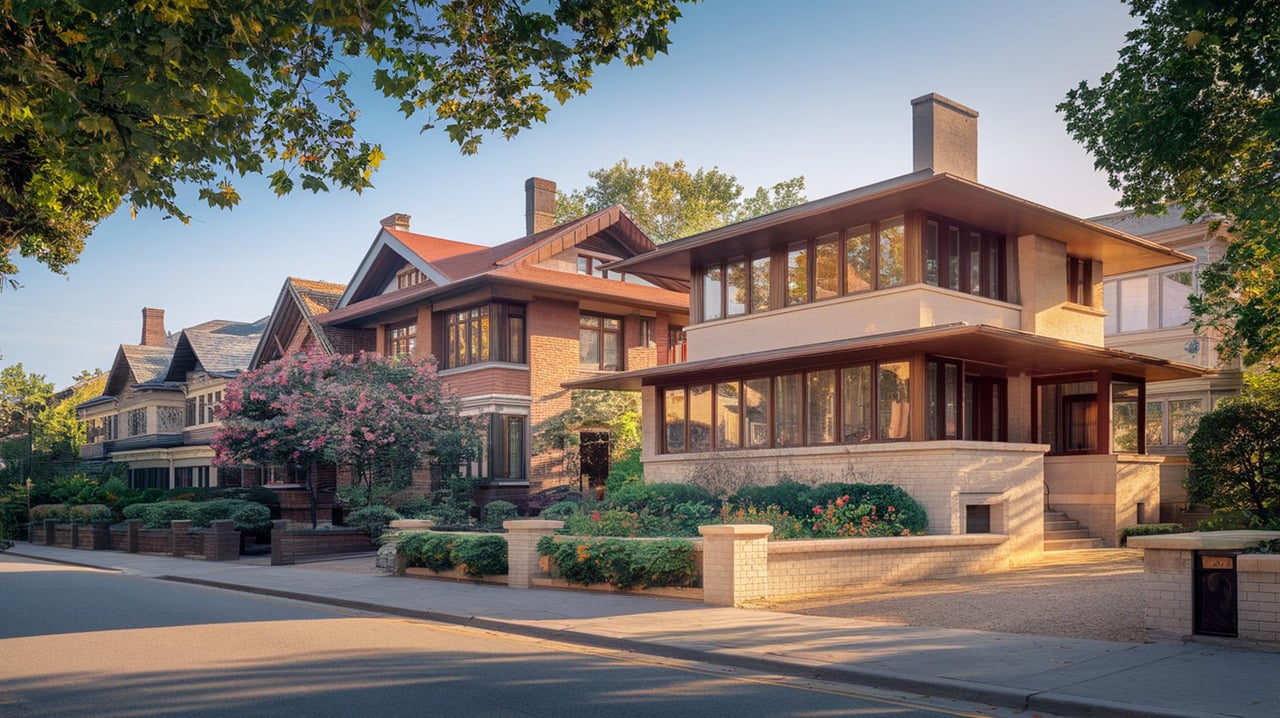
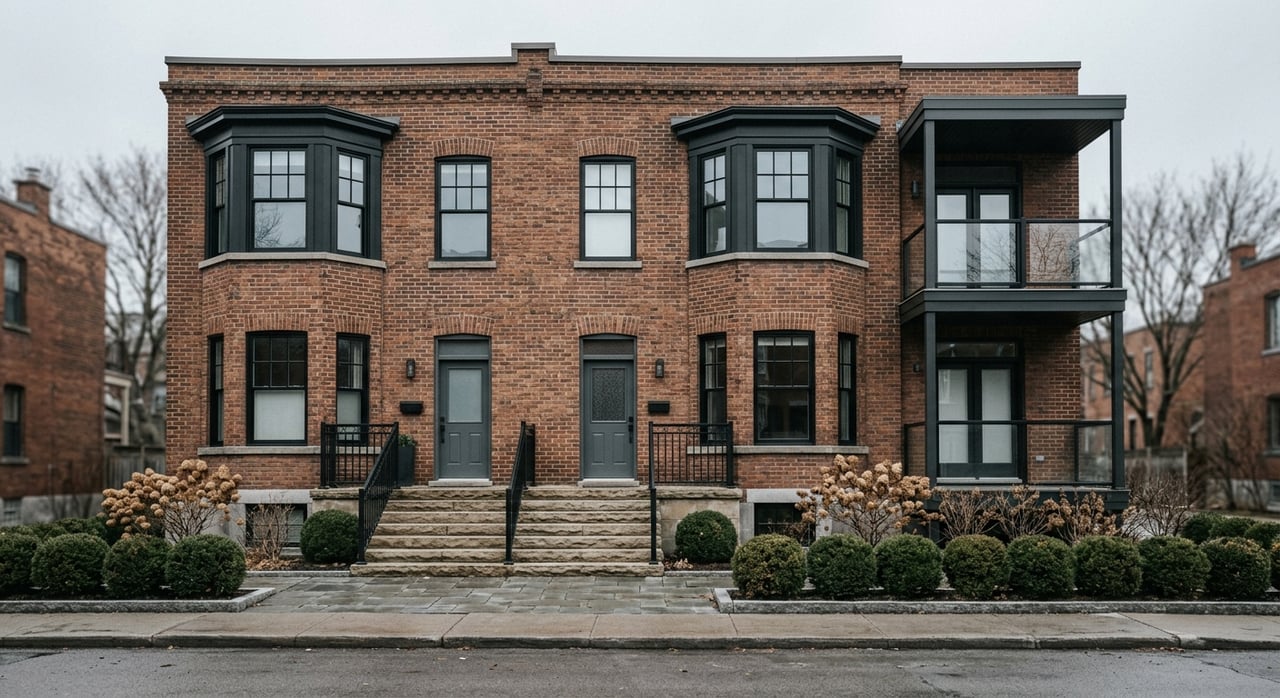
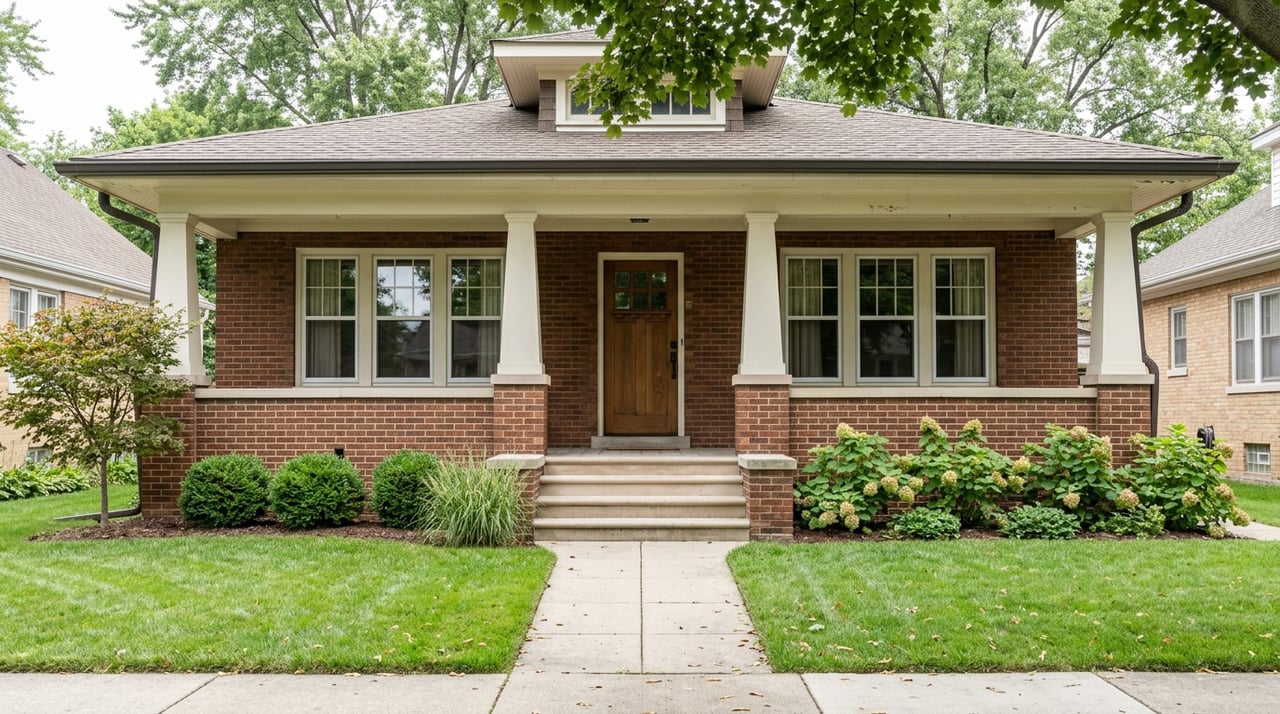
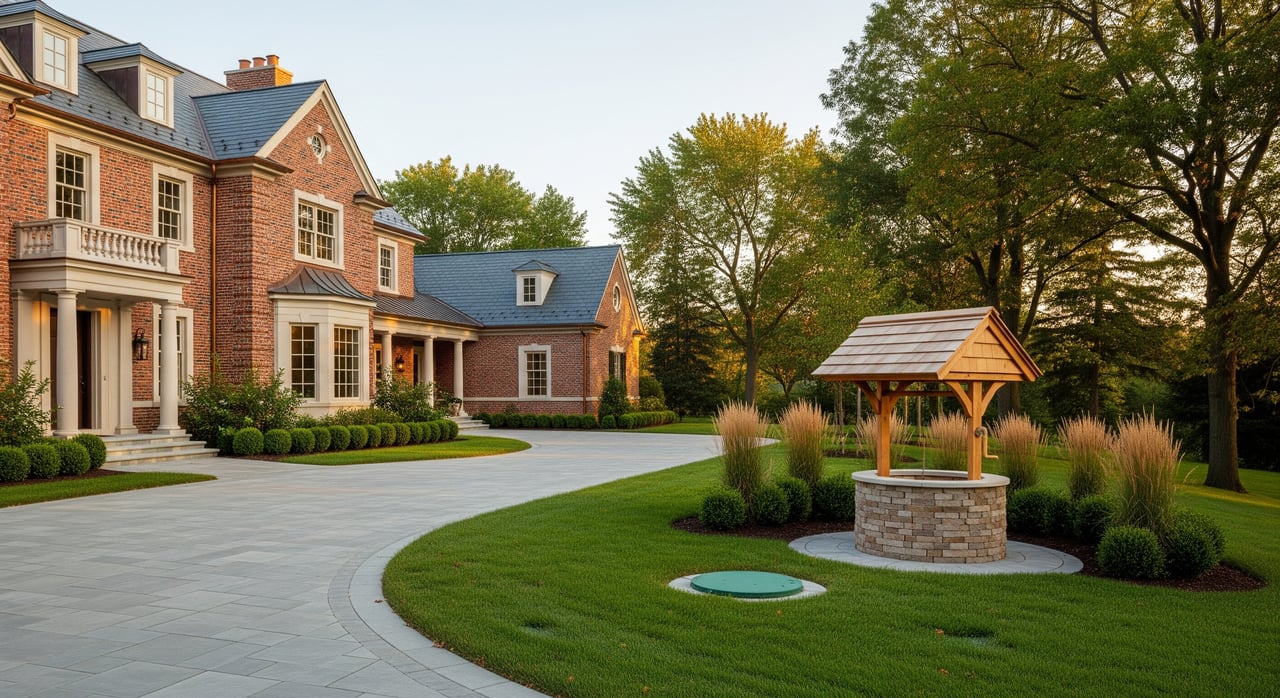
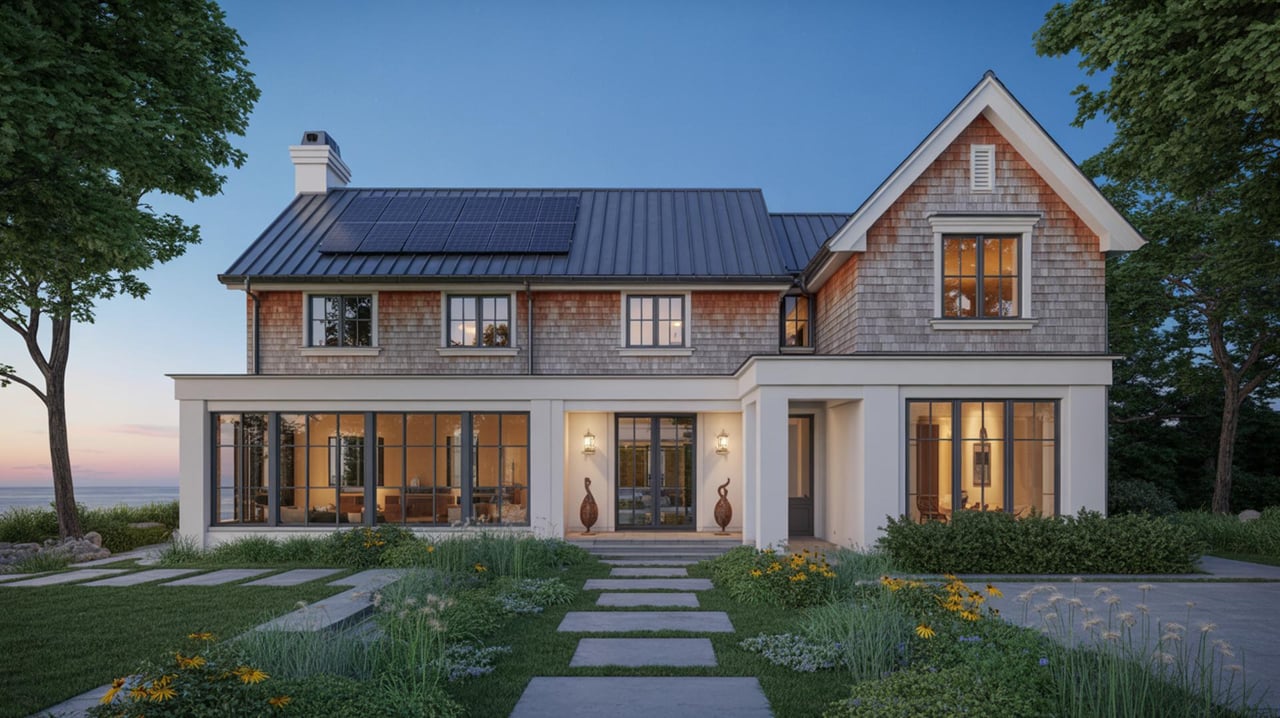
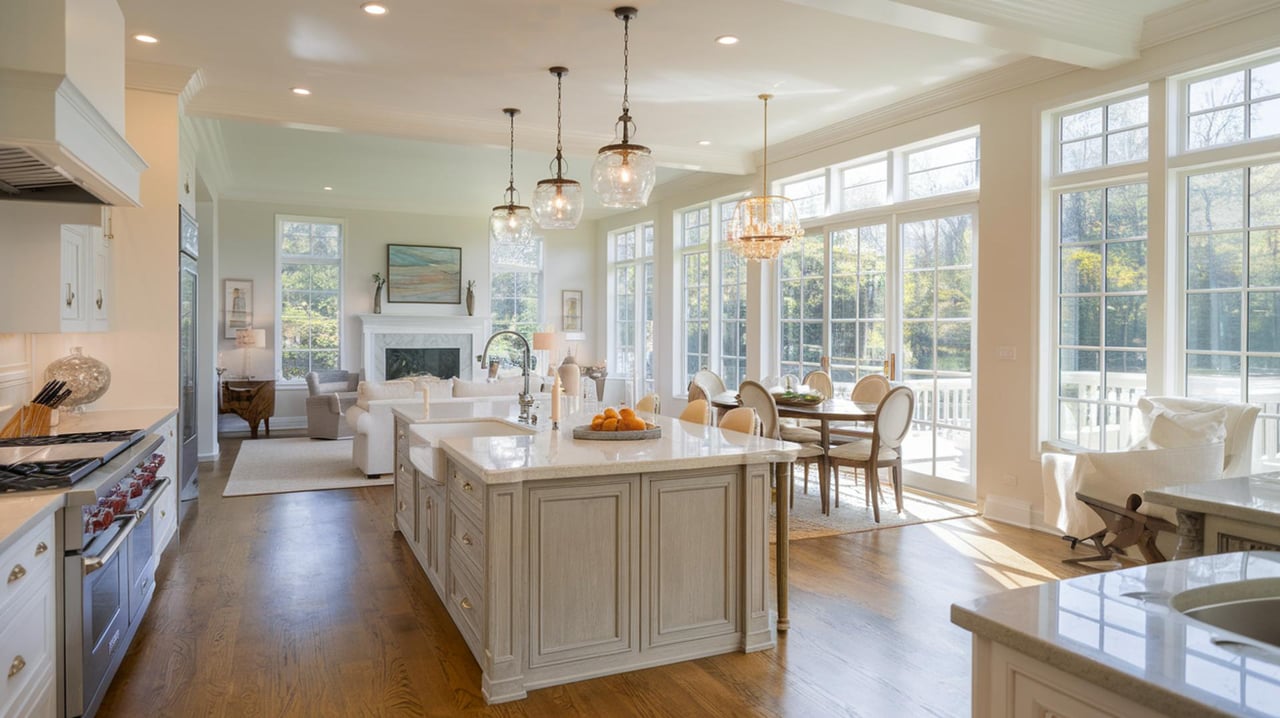
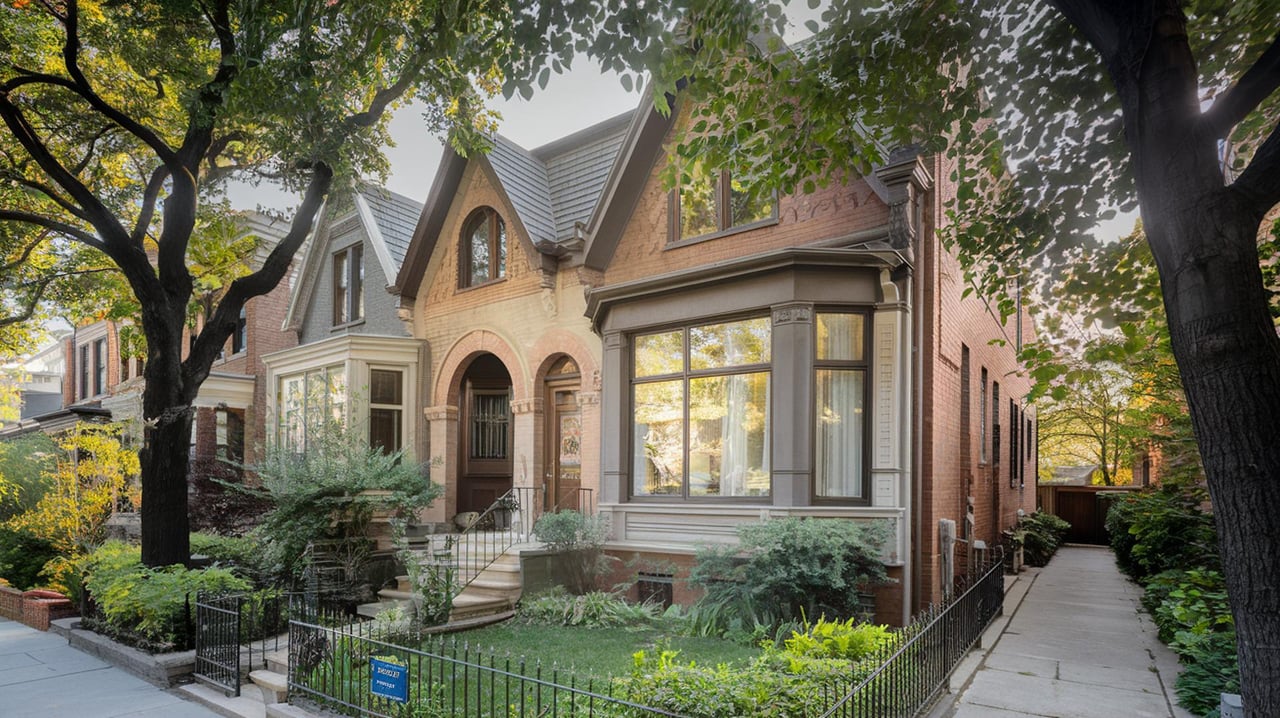
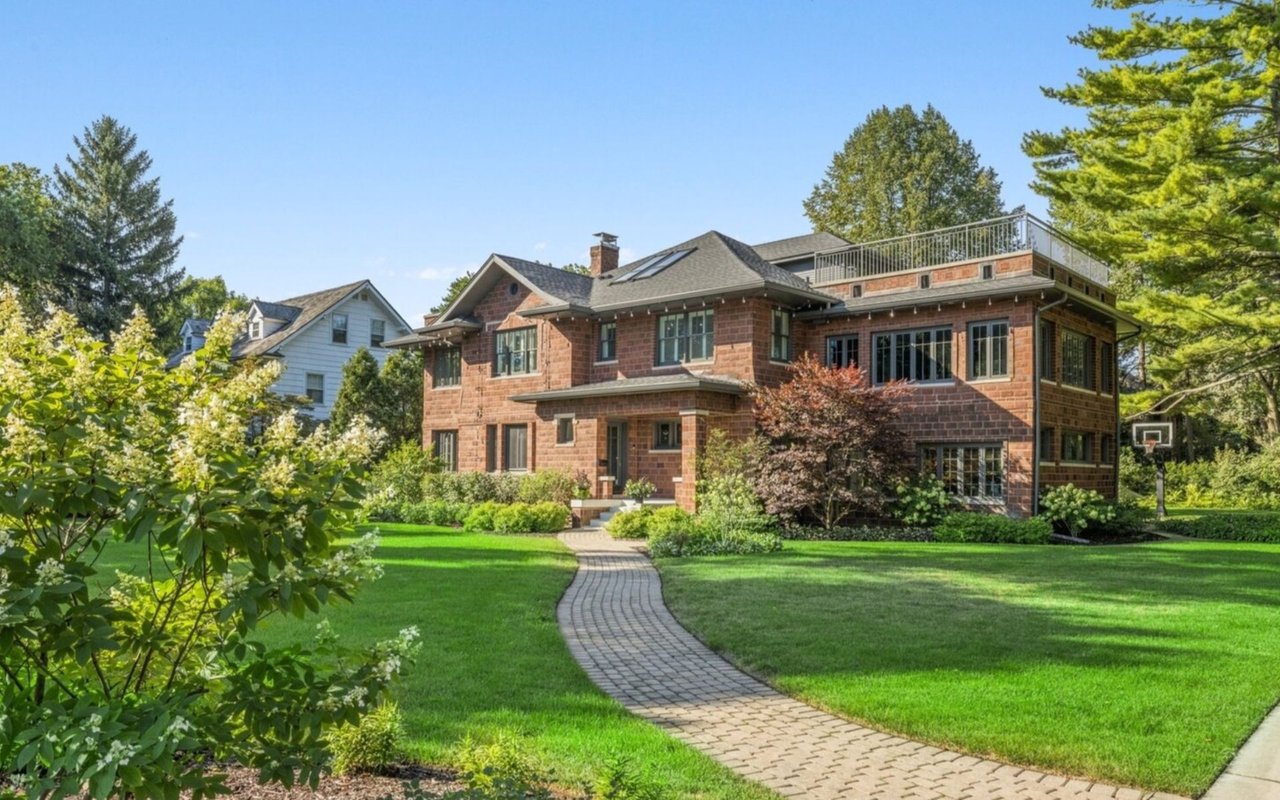
Wilmette is primarily known for single-family homes, but that is not the full story. The village’s zoning handbook states that single-family detached dwellings are permitted in 14 of the 15 residential zoning districts.
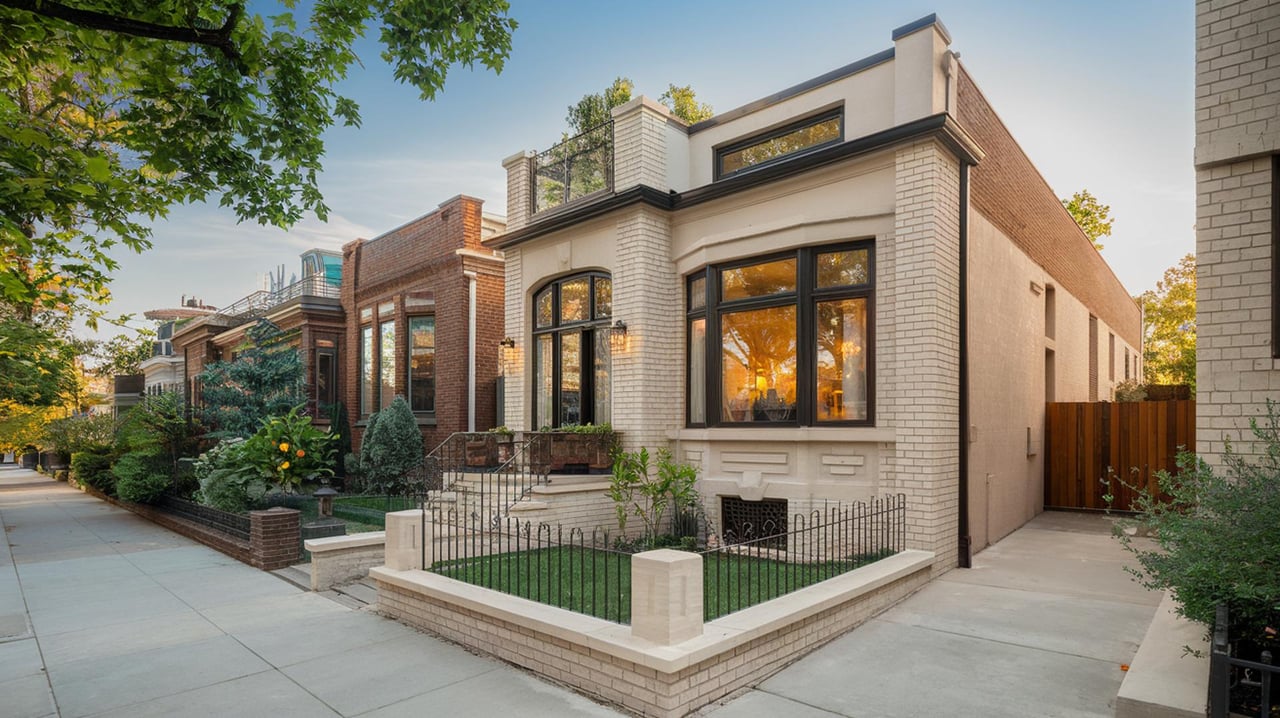
At the same time, the housing-needs assessment referenced in the zoning materials points to attached homes, townhouses, stacked flats, and multifamily districts in designated areas. So while the village is anchored by single-family housing, there are other ownership and housing-style options depending on location and goals.
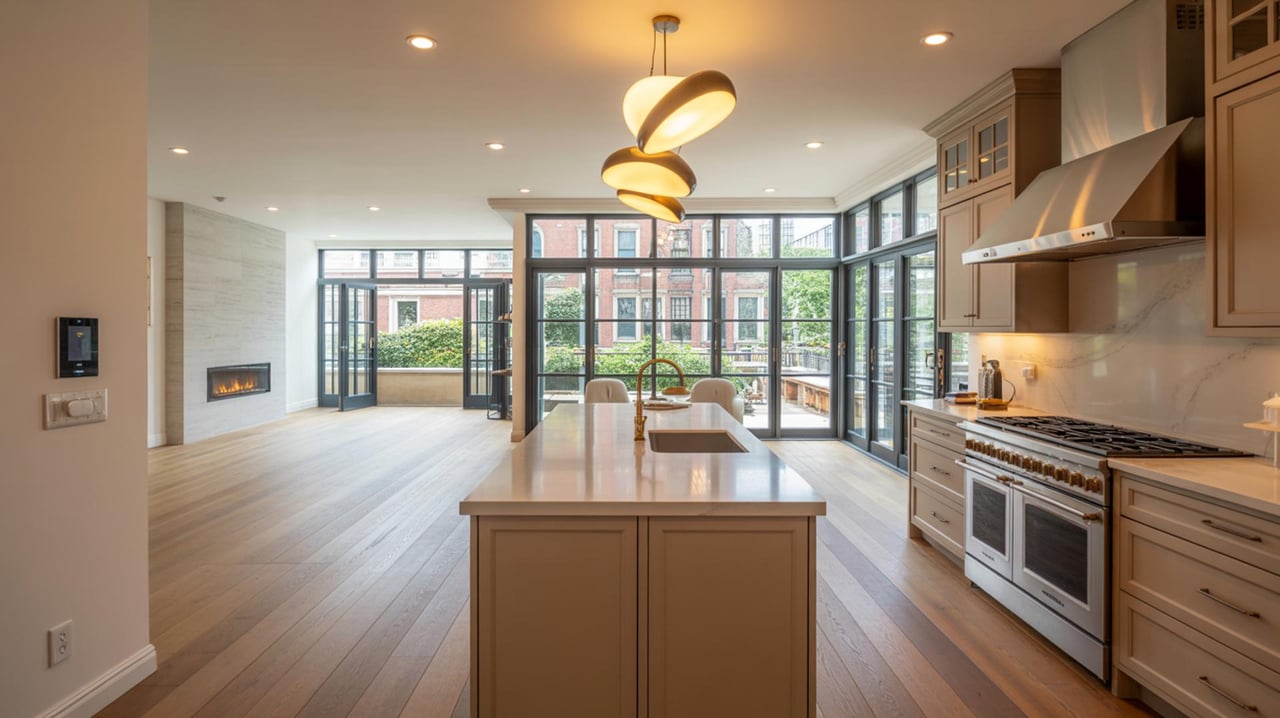
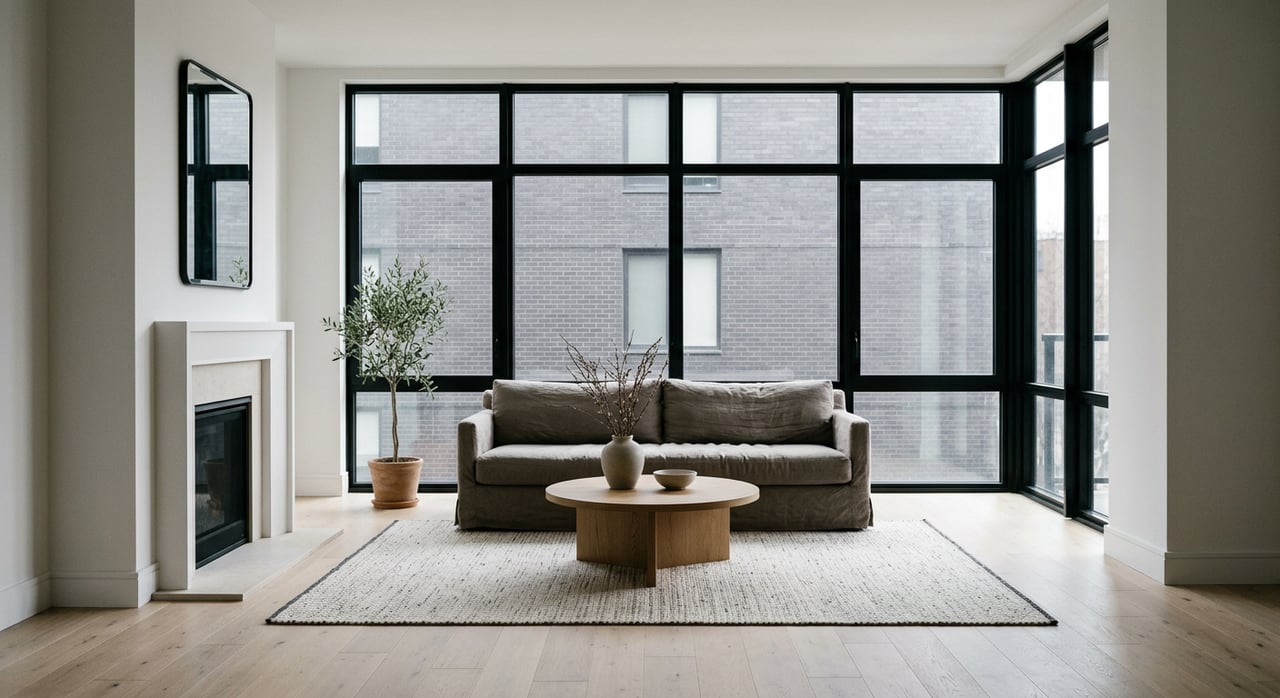
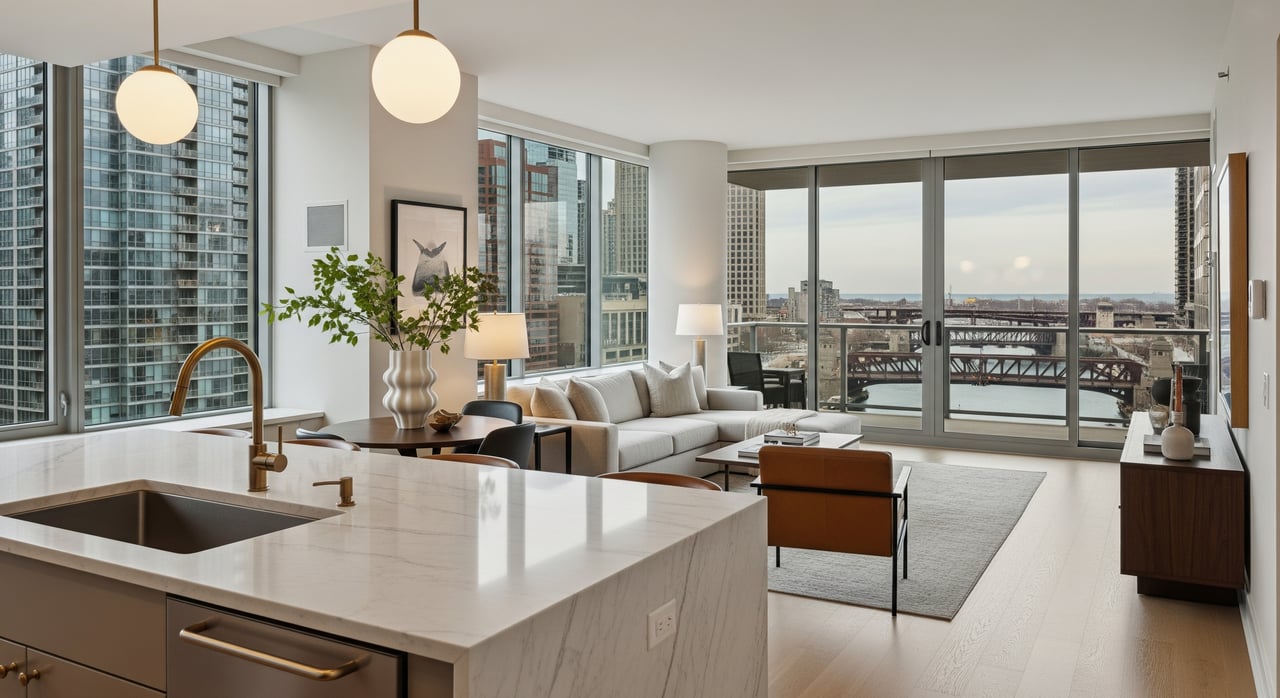
That is especially helpful if you are making a life-stage move. You may be looking for more space than a city condo offers, or you may want a lower-maintenance option within an established suburb.
What the numbers say about the market
Wilmette’s housing profile reflects a largely owner-occupied community. According to Census QuickFacts, the owner-occupied housing rate is 87.9%, the median value of owner-occupied homes is $810,600, the median gross rent is $1,978, and median household income is $190,662.
These figures do not tell you everything about neighborhood feel, but they do help frame expectations around price point and housing patterns. If you are evaluating whether Wilmette aligns with your budget and long-term goals, this data is a useful starting point.
Why Wilmette works for many buyers
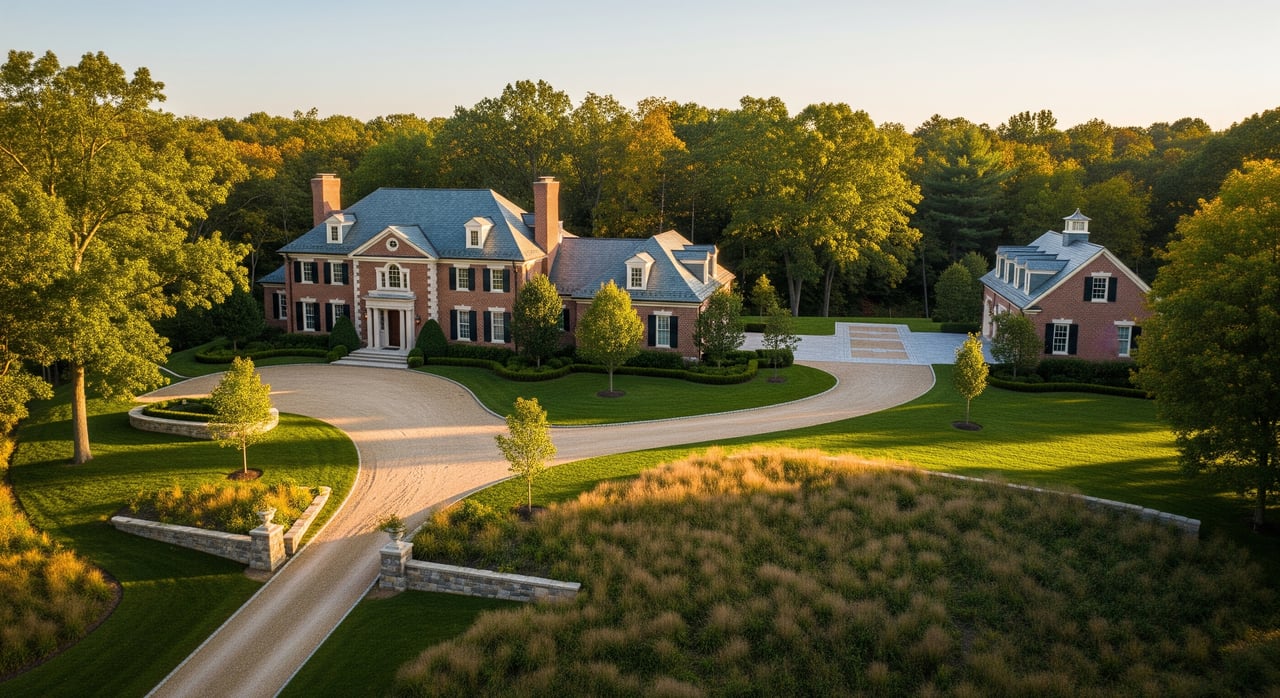
Wilmette tends to appeal to buyers who want a suburb with both structure and variety. You have a defined downtown, multiple commercial districts, lakefront recreation, year-round park amenities, and several ways to commute.
Just as important, the village appears to support everyday convenience without losing its local identity. You can see that in the way civic spaces, transit access, and community events all connect.
If you are weighing a move from Chicago to the suburbs, or comparing North Shore communities with different daily rhythms, Wilmette offers a blend of walkable routines, managed public amenities, and housing variety that is worth exploring in person.
When you are ready to compare Wilmette with other communities or talk through what type of home and lifestyle fit your next move, Cara Buffa offers direct, experienced guidance tailored to the way you want to live.
FAQs
What is everyday life like in Wilmette?
- Everyday life in Wilmette often centers on a mix of neighborhood routines, Village Center errands, community events, and access to parks and the lakefront.
What is downtown Wilmette known for?
- Downtown Wilmette, or Village Center, is known as the village’s central business district around the Metra station, with retail, dining, entertainment, housing, employment, and transportation.
What parks and recreation options are available in Wilmette?
- Wilmette Park District maintains 314 acres of parks, including Gillson Park, and also offers amenities such as indoor tennis, ice rinks, an aquatic center, arts programming, and community garden plots.
What should you know about Gillson Park in Wilmette?
- Gillson Park includes beaches, picnic areas, tennis courts, rentals for water activities, a dog beach, and seasonal amenities, but beach access, hours, and parking are regulated by the Park District.
What types of homes are available in Wilmette?
- Wilmette is primarily a single-family home community, though designated areas also include condo, townhouse, stacked-flat, and multifamily housing options.
What are commute options from Wilmette?
- Commute options in Wilmette include I-94, Metra’s Union Pacific North Line, the CTA Purple Line, and several Pace bus routes, giving residents both driving and transit choices.