Torn between a doorman building and a non-doorman condo in New Eastside? You want city convenience, smart security, and a monthly payment that fits your plans. The right choice depends on how you live day to day and what you expect at resale. This guide breaks down the real tradeoffs in Chicago’s New Eastside so you can buy with confidence. Let’s dive in.
What “doorman” means here
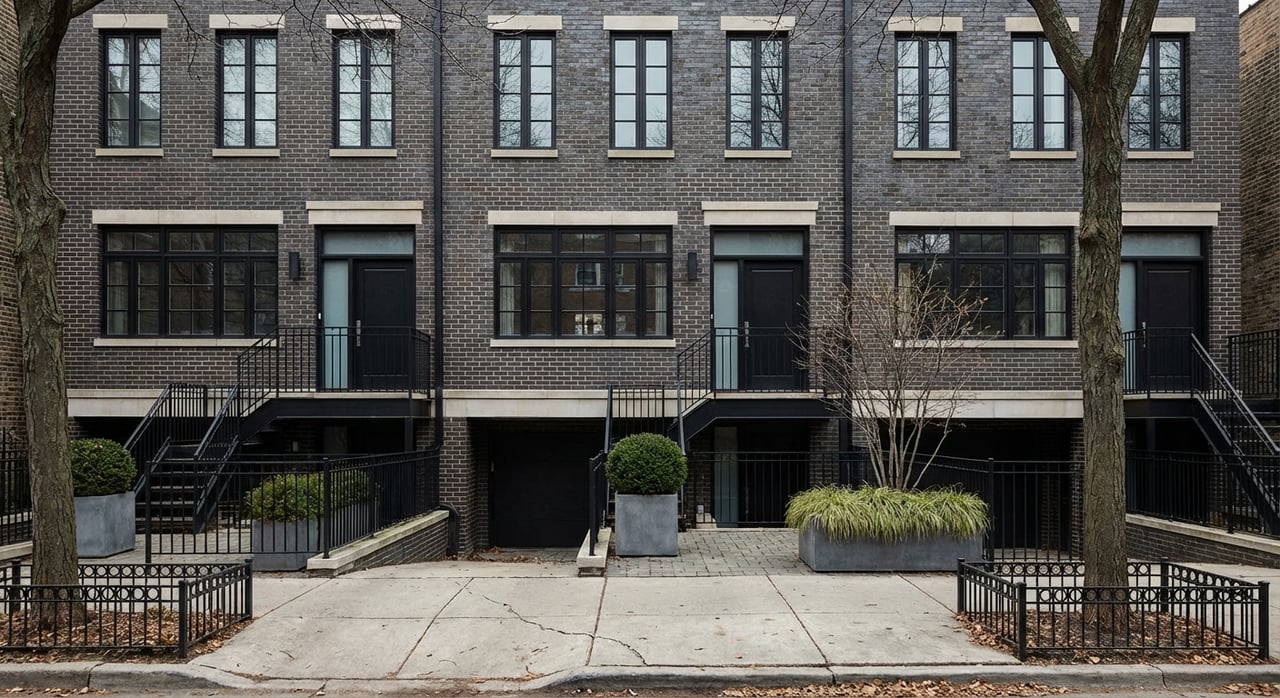
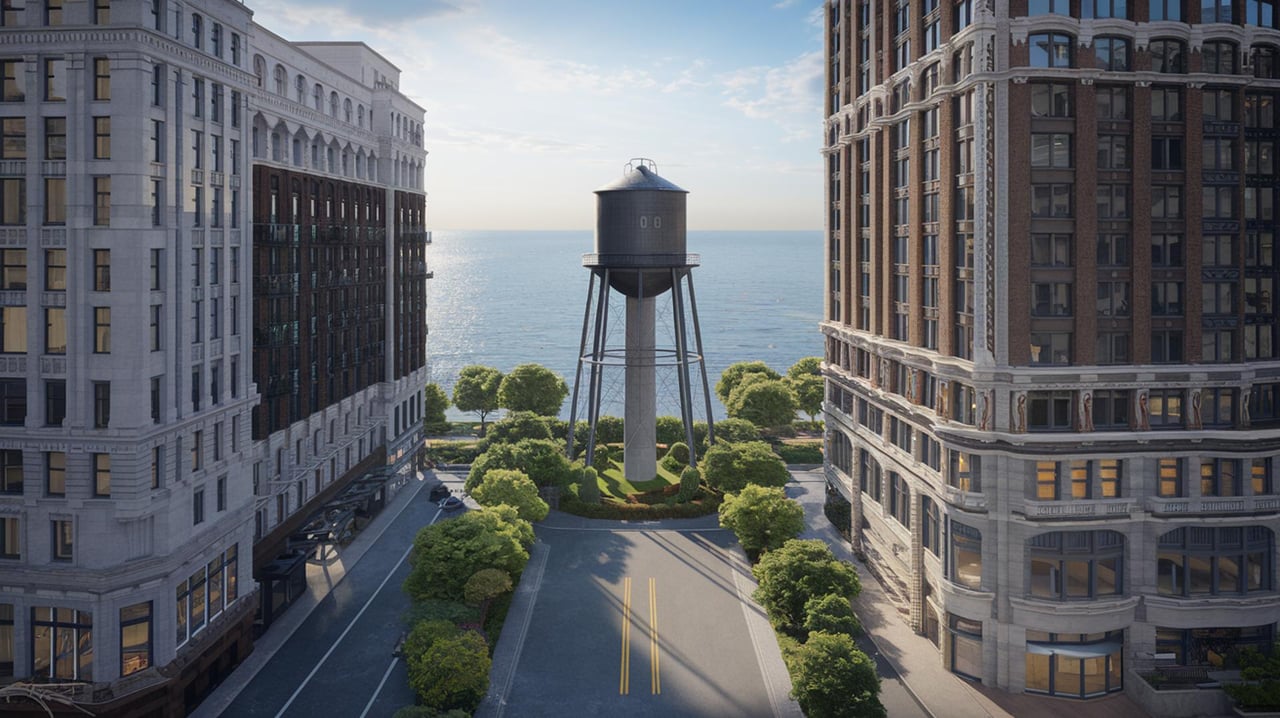
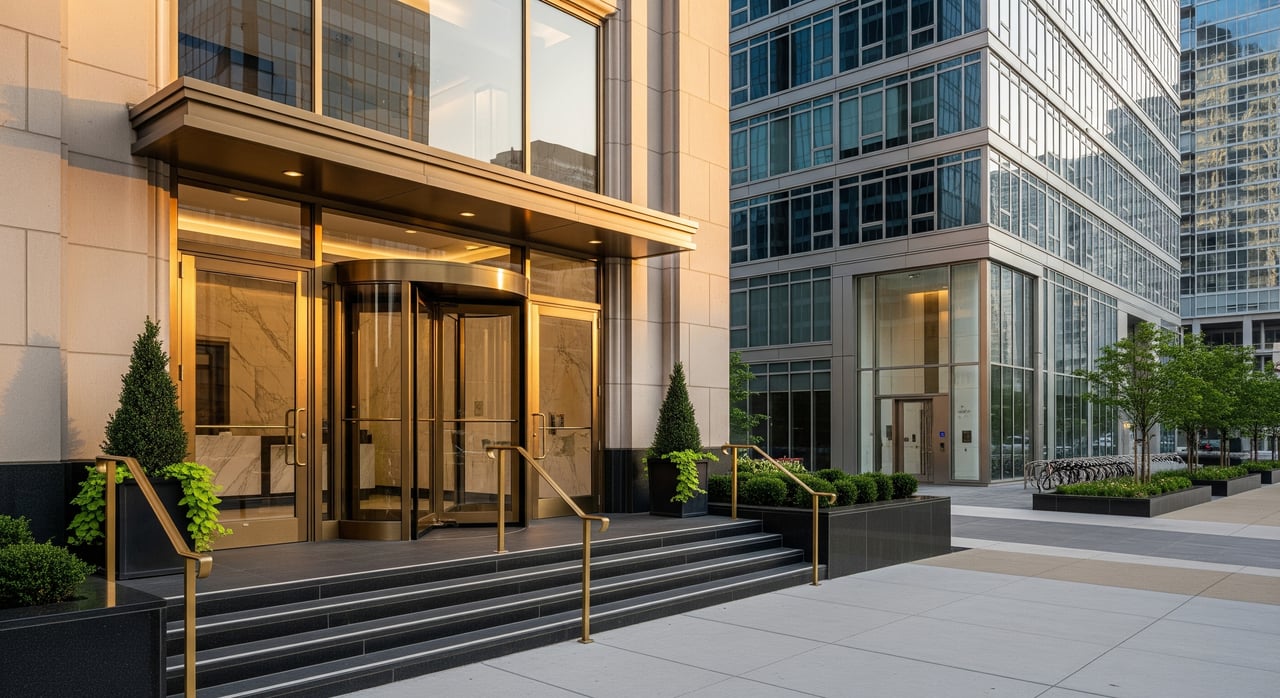
A doorman building has staff at the entrance to greet guests, monitor access, and often help with deliveries and basic concierge requests. Coverage can be 24/7 or limited to daytime or evening hours. A non-doorman building relies on electronic access, cameras, and package rooms or lockers, with no dedicated front desk. In New Eastside, you will see both models, from full-service towers to boutique condos near Lakeshore East Park and Millennium Park.
Security and access
A staffed lobby can deter casual trespassing and provide immediate verification of visitors. Doormen also coordinate with management and can call for help during an emergency. Non-doorman buildings may have strong electronic access systems that control doors, elevators, and garages at a lower operating cost. The best security in either model pairs access controls with cameras, lighting, and consistent management practices.
Ask these questions during tours:
- Is staffing 24/7 or limited hours, and who employs the staff?
- What access controls and camera coverage are in place, including garage access?
- Have there been security incidents in the past 3–5 years, and how were they handled?
Packages and deliveries
Doorman buildings usually accept and log packages at the desk or a staffed receiving room. This helps during winter and busy event seasons when delivery volume spikes near Millennium Park. Non-doorman buildings often use package rooms, lockers, or scheduled pickup, which can work well if the system is modern and monitored. Smaller buildings without formal processes can face more delivery misses.
Key delivery details to confirm:
- Where are packages stored and is there a chain-of-custody log?
- Are residents notified electronically and are oversized items accepted?
- What is the policy and liability for lost or damaged packages?
Amenities and lifestyle
Full-service buildings often pair a staffed lobby with an amenity suite like a fitness center, lounges, guest suites, or valet options. That service layer can be a win if you host often, coordinate maintenance, or want on-site help as a pied-à-terre owner. Non-doorman buildings may still offer strong amenities but with fewer staffed services to keep costs down. Automated gyms and self-managed lounges can deliver value without the payroll.
Before you fall in love with amenities, ask:
- Which amenities are included and which are pay-per-use?
- Are any services handled by third-party vendors with separate fees?
- What are the reservation rules and hours for staffed spaces?
Monthly assessments and costs
Staffing is a recurring expense, so doorman buildings typically have higher monthly assessments. Payroll, benefits, training, uniforms, and insurance add up alongside utilities, management, and reserves. The actual difference varies by building size, age, amenity set, and management efficiency. Newer buildings with automated systems may narrow the gap, while older full-service towers can run higher.
During financial review, focus on:
- What portion of the budget is payroll and benefits?
- Reserve fund balance and the most recent reserve study recommendations.
- Special assessments in the past 5–10 years and reasons for them.
Resale and marketability
In New Eastside’s higher-end segment, many buyers expect service and a staffed lobby, which can help marketability. In the mid-market, higher carrying costs can limit the buyer pool. A doorman can support perceived security and convenience, but it is not a guaranteed value booster on its own. Building reputation, reserves, rental rules, and special assessment history often matter just as much.
To assess resale potential, consider:
- Recent comparable sales in similar-class buildings with and without a doorman.
- Average days on market by building type.
- House rules that affect investor demand and owner flexibility.
Practical checklist for tours
Use this on-site checklist as you compare buildings east of Michigan Avenue.
- Meet the front desk staff if present and confirm service hours.
- Ask how guests, contractors, and deliveries are managed.
- Review access points: lobby, elevator controls, loading dock, and garage.
- Confirm amenity staffing, hours, and reservation policies.
Documents to review before offering
Request these items early so you can separate convenience from cost.
- Most recent annual budget and year-to-date financials
- Reserve study and current reserve balance
- Board meeting minutes for the past 12–24 months
- Rules, regulations, and occupancy policies
- Vendor and staffing contracts or summaries
- Any pending litigation or insurance claims
- Recent engineering or capital improvement reports
Decision framework
Align the building type with how you actually live.
- Prioritize convenience and service if you receive frequent deliveries, entertain often, need quick on-site help, or plan to use your condo part-time.
- Prioritize lower costs if you are sensitive to monthly assessments, prefer minimal services, or value a lower barrier to entry for investment.
- Think about your resale horizon. Shorter hold in a luxury segment may favor a doorman building. Long-term ownership in a cost-sensitive segment may favor lower assessments.
New Eastside factors to weigh
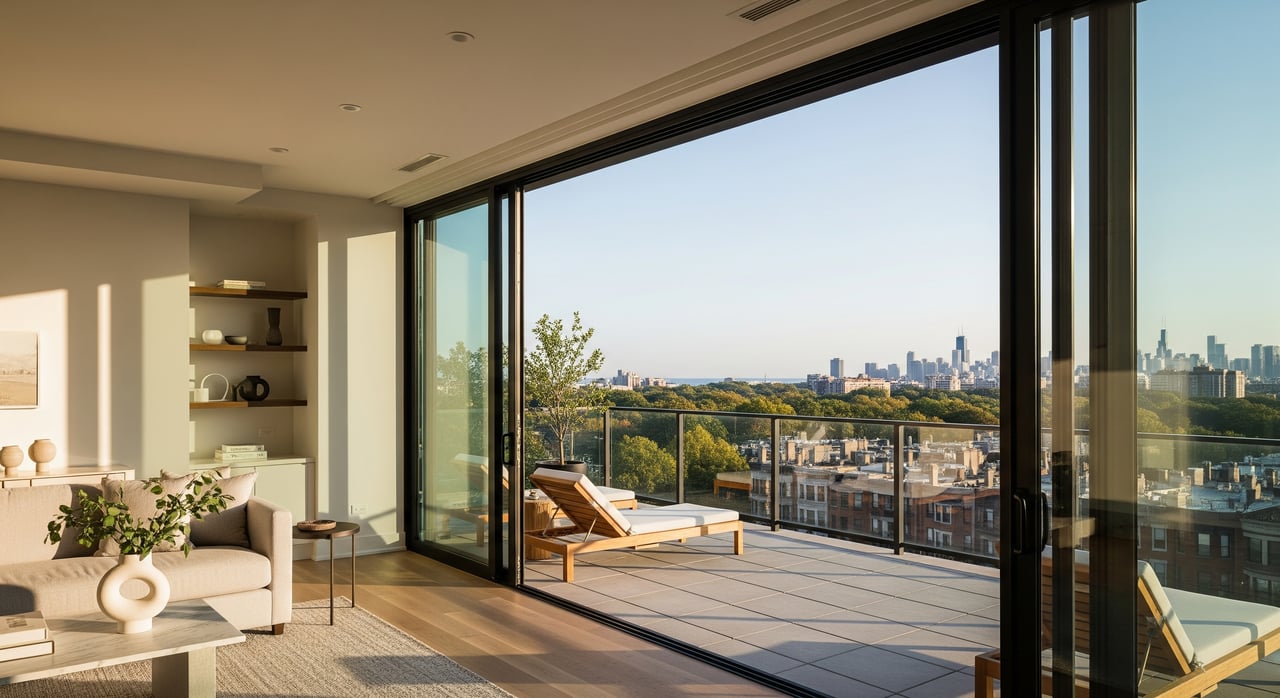
The neighborhood draws residents for lakefront access, culture, and walkability. Seasonality matters here. Winter weather and visitor traffic during events can increase delivery volume and guest flow, which a staffed lobby can streamline. Many buildings connect to attached garages. Valet and staffed garage services add convenience but can increase operating costs. When comparing options, look at similar-class buildings within a short walk rather than comparing a boutique mid-rise to a large tower.
How Cara helps you decide
You deserve clear answers on service, security, and cost before you commit. A thorough review of budgets, reserve studies, and vendor contracts will tell you what the lobby experience really costs and how it supports your lifestyle. If you want a seasoned, hands-on advisor who knows New Eastside buildings and how they operate, let’s talk. Work directly with Cara Buffa for a personal consultation and a confident next step.
FAQs
What is a doorman building in New Eastside?
- A high-rise with a staffed entrance that monitors access, accepts deliveries, and often provides concierge services during set hours, sometimes 24/7.
Are doorman buildings more secure than non-doorman?
- A staffed lobby often improves perceived security and response time, but effective security also depends on access controls, cameras, lighting, and management.
Do assessments cost more with a doorman?
- Typically yes, because staffing adds payroll and related expenses, though the exact amount varies by building size, amenities, and management efficiency.
How are packages handled without a doorman?
- Many non-doorman buildings use package rooms or lockers with electronic notifications; effectiveness depends on monitoring, policies, and resident pickup.
Does a doorman help resale in New Eastside?
- It can broaden buyer appeal in higher-end segments, but overall marketability also hinges on reserves, rules, assessment levels, and building reputation.