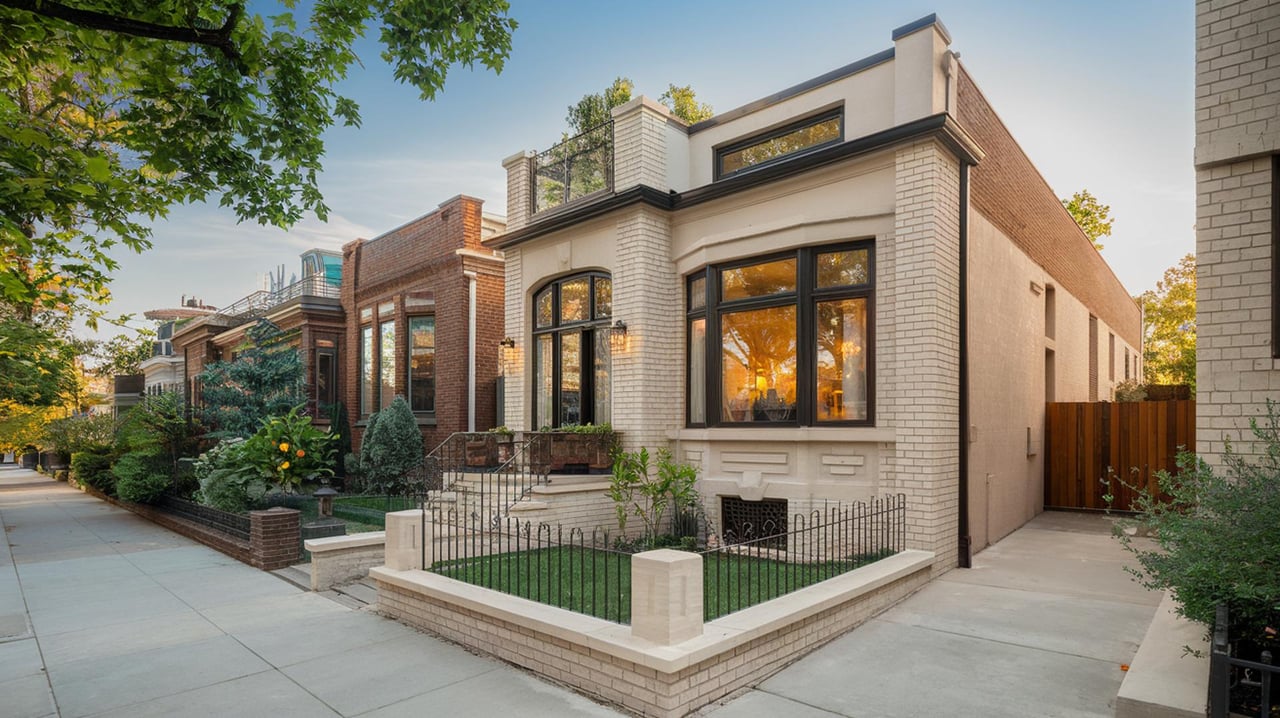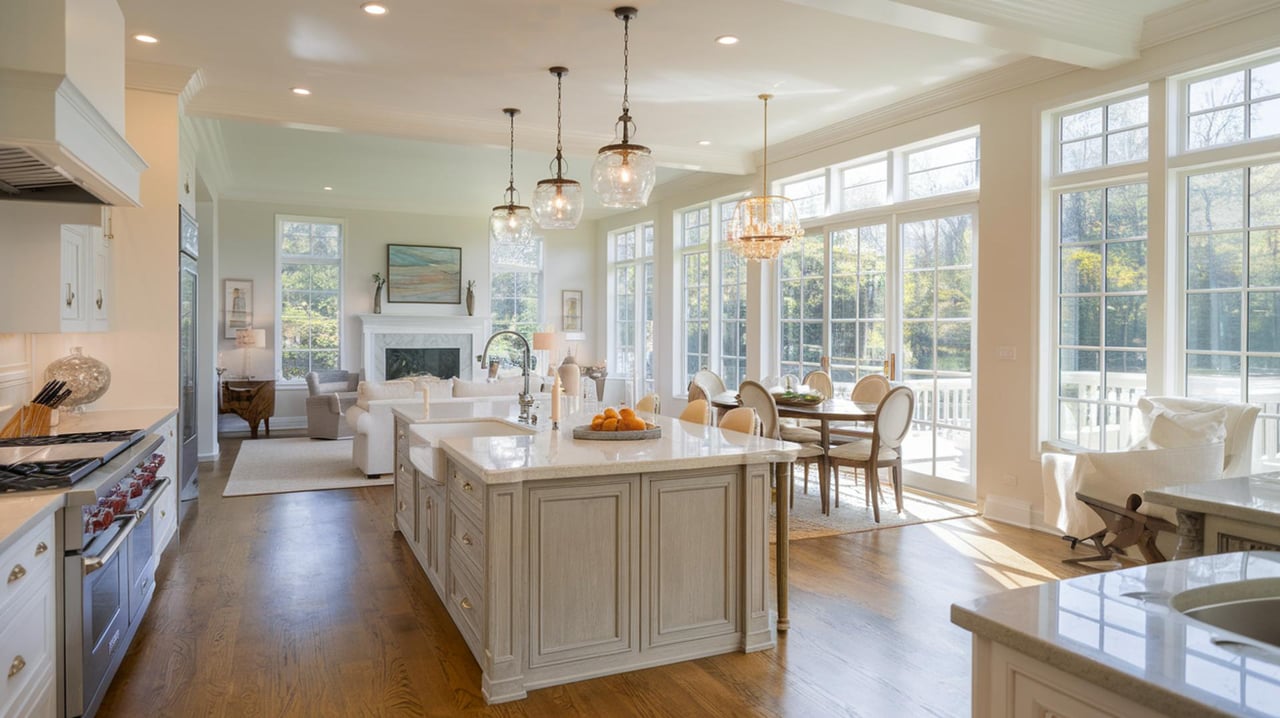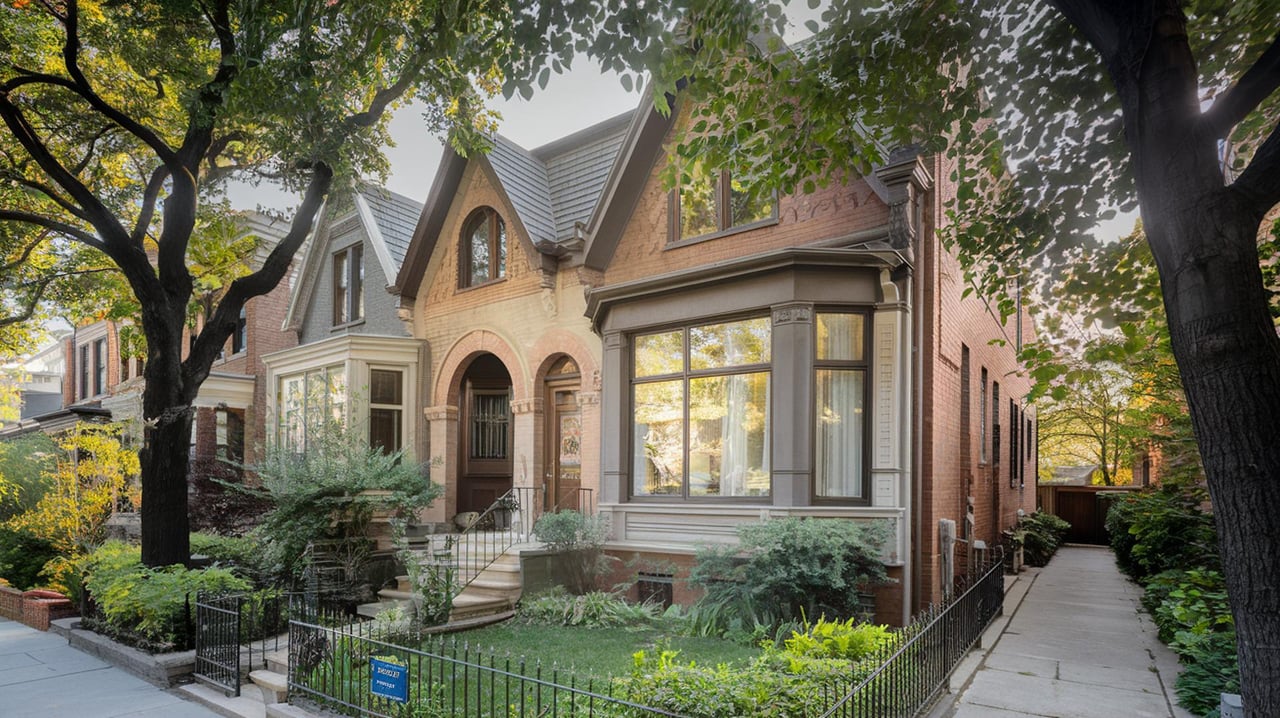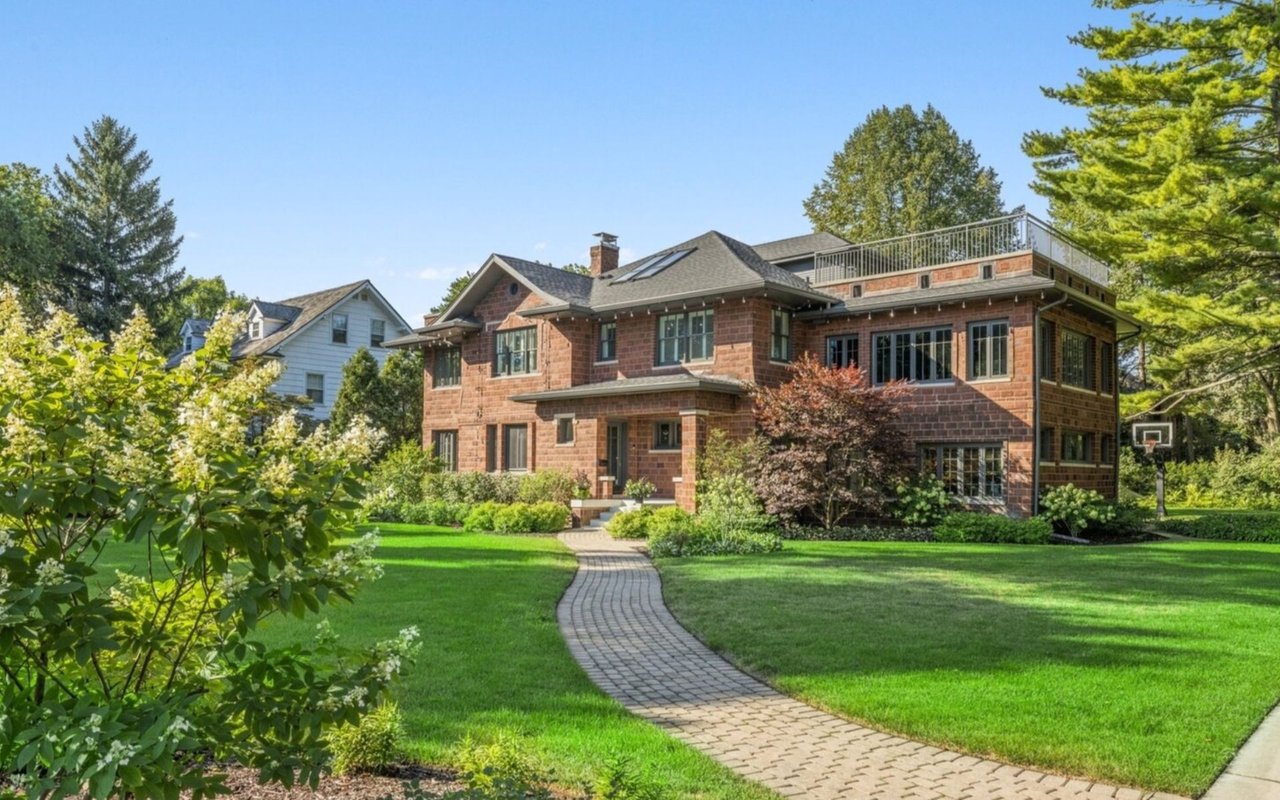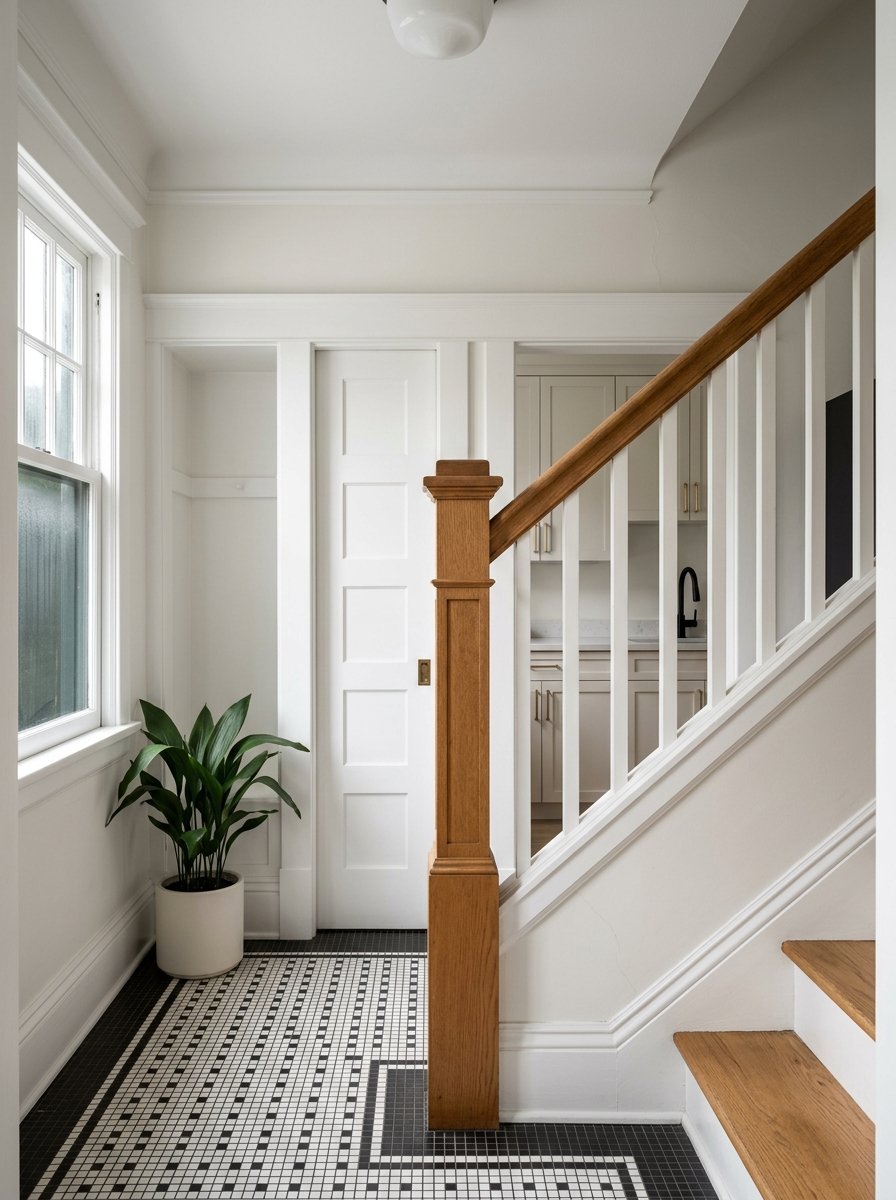
Thinking about buying a vintage home in Oak Park? You are not alone. For many buyers, the appeal is obvious: rich architectural character, distinctive layouts, and a sense of history that newer construction rarely matches. But charm is only part of the story, and the smartest purchase decisions come from understanding how style, function, and future updates fit together. Let’s dive in.
Why Oak Park Vintage Homes Stand Out
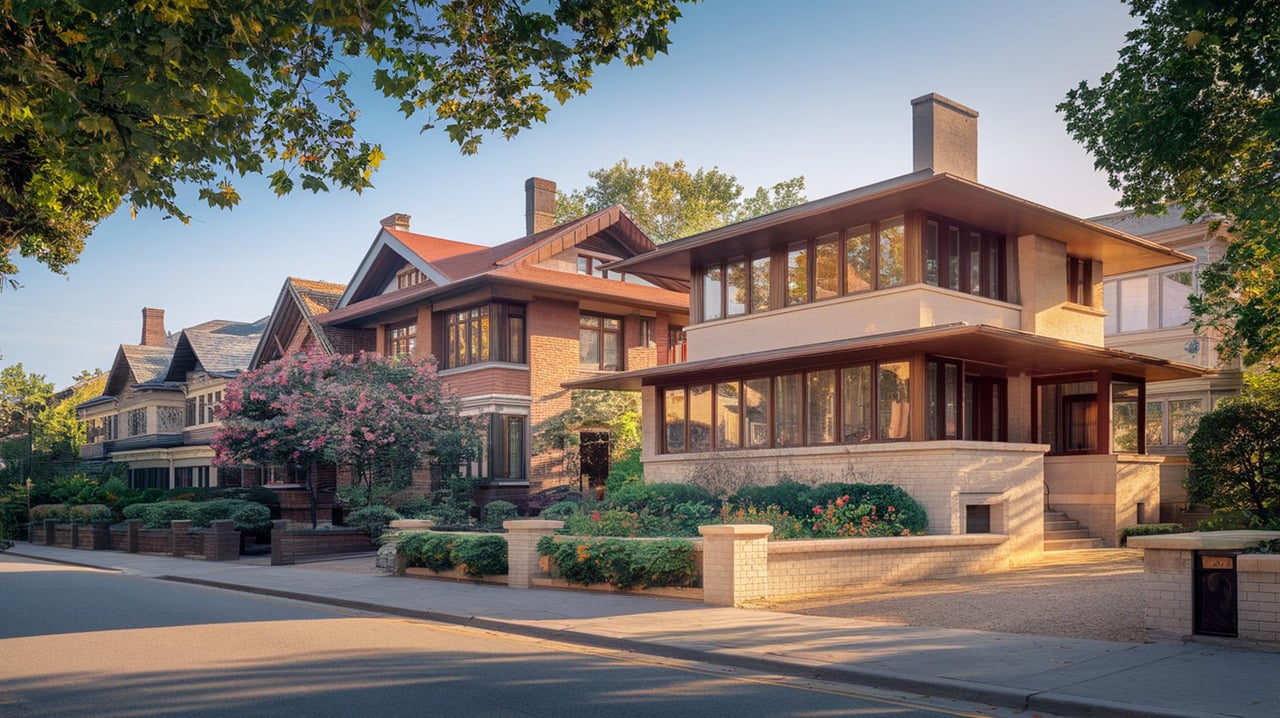
Oak Park is one of the Chicago area's most recognized historic-home markets. According to the Village, its architecture includes Queen Anne, Prairie School, and Colonial Revival styles, and its three historic districts cover roughly one-third of the community.
The Village also identifies more than 70 local landmarks, 11 individually listed National Register resources, and one UNESCO World Heritage site. Oak Park is closely tied to Frank Lloyd Wright’s studio and home period, and the Village says it has the largest concentration of Prairie School architecture in America, including 25 Wright designs.
For you as a buyer, that means real variety. It also means two homes at a similar price point may live very differently depending on their era, layout, and preservation status.
Common Oak Park Home Styles
Late-Victorian Homes
In areas like the Ridgeland district, late-19th-century homes include Gothic Revival cottages, Italianate houses, Stick Style homes, and Queen Anne frame houses dating from the 1870s through the 1890s. These houses reflect a period of changing taste, moving from ornate 19th-century forms toward more modern ideas in the early 20th century.
If you are drawn to detail, these are often the homes that deliver it. Expect more decorative exteriors, more variation in room shapes, and a layout that may feel less predictable than a newer home.
American Four Squares and Prairie Boxes
The American Four Square is one of the most recognizable Oak Park forms. Village district materials describe it as a two-story home with a raised basement, full-width front porch, pyramidal roof, and a plan built around four nearly equal rooms per floor with a side stairway.
Prairie Box homes are a related subtype. These typically feature a low-pitched hipped roof, symmetrical front façade, hipped dormers, wide eaves, full-width porch, and double-hung windows.
For many buyers, these homes offer a sweet spot between character and usability. Their room structure is usually straightforward, but they may still feel more segmented than a modern open-concept house.
Dutch Colonial Revival Homes
Dutch Colonial Revival homes are easy to spot because of the gambrel roof. In Oak Park, district materials note that dormers often create usable third-floor space, while the front porch usually remains a defining feature.
That extra upper-level space can be appealing if you want flexibility for guests, a home office, or hobby space. Still, you will want to look carefully at ceiling heights, stair access, and how comfortably that third-floor area fits your day-to-day needs.
Arts & Crafts and Bungalows
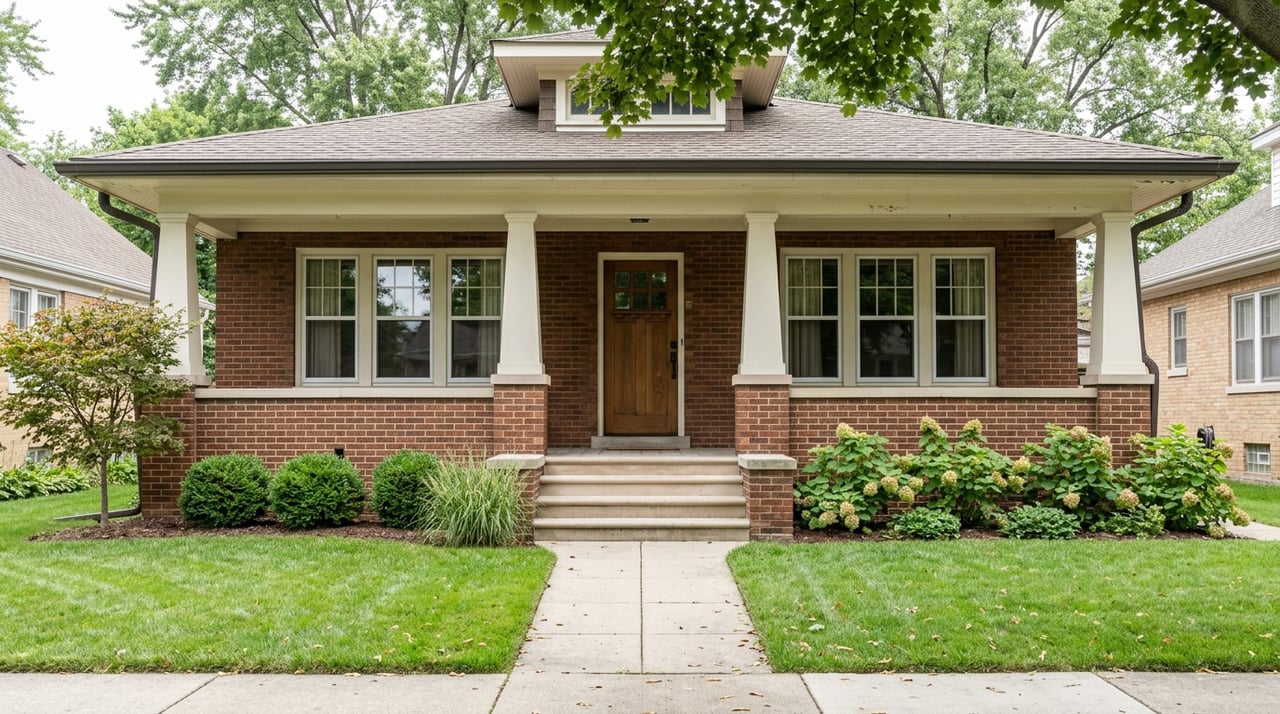
Oak Park also includes one-and-a-half-story bungalows and other Arts & Crafts homes. Village materials describe these houses as having low-sloped cross-gable roofs, wide eaves, deep inset porches, and large square columns.
These homes often feel compact, grounded, and efficient. If you love warmth and simplicity, this style can be especially attractive, but storage and room size may require a closer look.
1920s Revival Homes
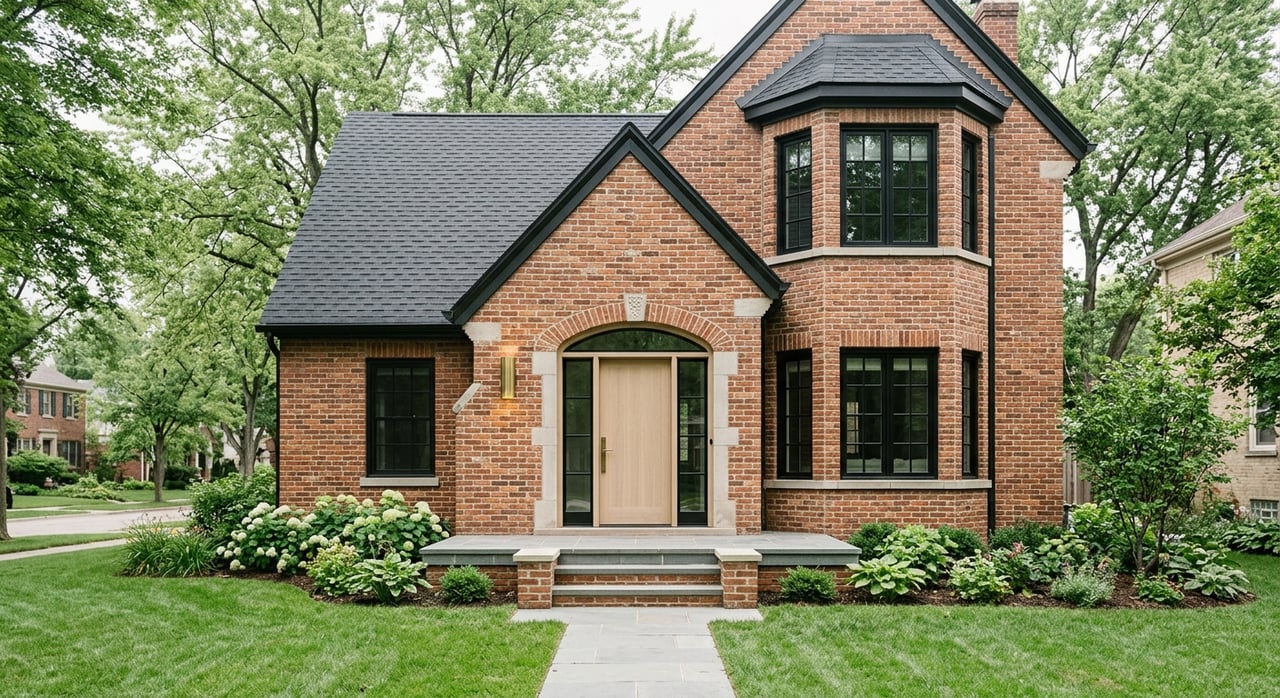
By 1920, Colonial, Classical, and Tudor Revival styles had become widely popular in Oak Park. According to the Frank Lloyd Wright historic district brochure, these styles appeared in typical single-family houses, larger estate homes, apartments, and commercial buildings.
For buyers, that means Oak Park’s vintage market is not one-note. You can find homes with very different exterior personalities and interior flow, even within the same general era.
How Vintage Layouts May Feel Different
One of the biggest adjustments in a vintage home is not just the look. It is the layout. Many Oak Park homes were designed long before today's expectations for oversized closets, open kitchens, mudrooms, and second-floor laundry.
In Four Squares, the room arrangement is often balanced and logical, but not especially open. In bungalows and earlier homes, circulation can feel tighter, and storage may be more limited than what you are used to seeing in newer construction.
That does not make these homes less functional. It simply means you should think early about how you live now and whether the home’s existing plan supports that lifestyle.
Look Closely at Daily-Use Spaces
When touring a vintage Oak Park home, pay special attention to the spaces you use every day. The most important questions are often practical, not cosmetic.
Consider:
- Where coats, shoes, and bags will go
- Whether the kitchen has room for pantry storage
- How laundry is handled now
- Whether closets are adequate for your needs
- How easily people move between main living spaces
- Whether a basement, attic, or dormer level adds useful flexibility
A home can be beautiful and still require thoughtful changes to work well for you.
Smart Updates That Respect Character
The best updates usually start with a simple idea: improve livability without stripping away what makes the home special. Historic-preservation guidance emphasizes preserving character-defining materials and features while still adapting older homes for current use.
In Oak Park, that matters because some homes are landmarks, some are within historic districts, and others are not. The right renovation approach often depends on the property’s specific status and features.
Kitchens and Baths
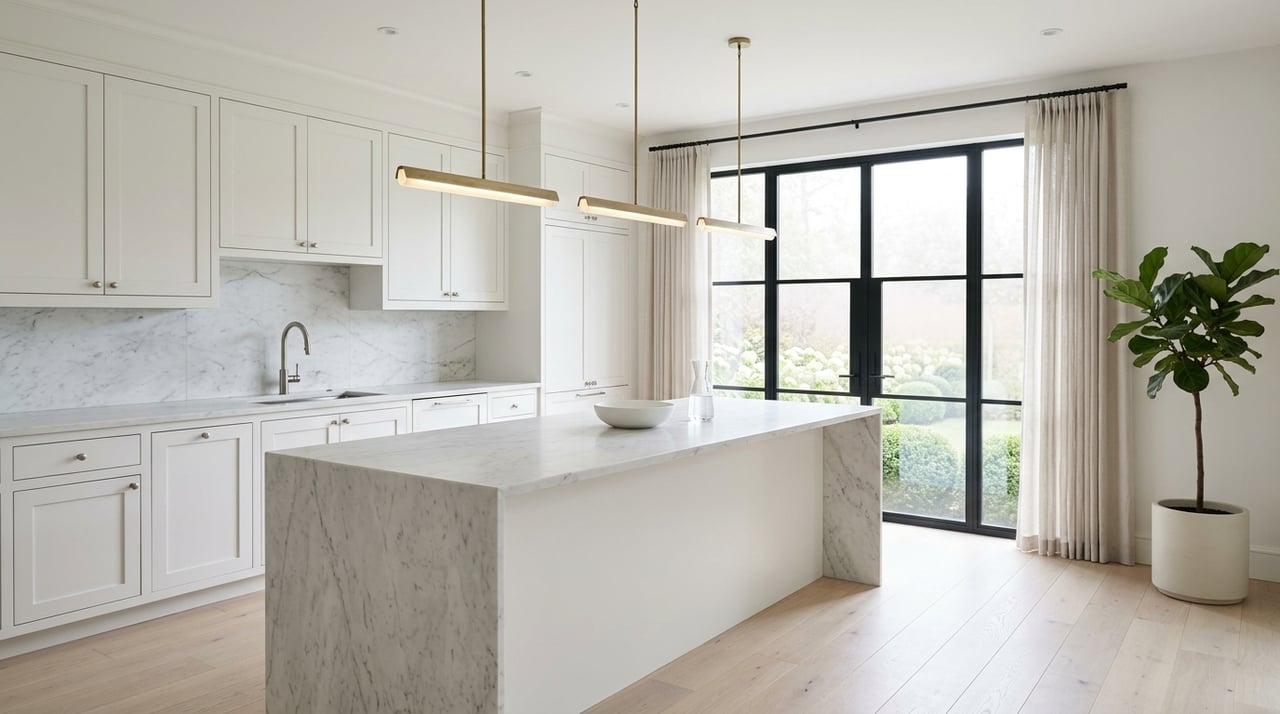
Kitchen and bath updates are common in vintage homes, but they usually work best as part of a broader rehabilitation plan. Rather than treating them as isolated finish upgrades, it is smarter to consider how these spaces connect to the home’s original plan and architectural details.
If you buy a home with an older kitchen, think beyond cabinet color or countertop material. The larger question is whether the space can function better without disrupting defining features elsewhere in the home.
Mechanical Systems
Mechanical upgrades can have a major impact on comfort and long-term costs. Guidance for historic buildings notes that efficient HVAC and programmable controls can reduce energy use, but new systems should be selected and installed in ways that minimize intrusion into walls, floors, and significant features.
That same guidance notes that mechanical, electrical, and plumbing systems can consume up to 10% of a building’s square footage and roughly 30% to 40% of a rehabilitation budget. In other words, these are not side issues. They are often central to your renovation planning.
Windows and Doors
Oak Park’s architectural review guidelines state that windows and doors help define a building’s character, style, and age. The Village notes that double-hung and casement windows are the most common types in Oak Park, and its historic-windows brochure recommends repair before replacement when possible.
For Craftsman-style homes in particular, the Village identifies 3-over-1 double-hung sash windows as a characteristic feature. If you are considering a home with original windows or doors, look at condition carefully and understand that these details may matter both aesthetically and, in some cases, in the local review process.
Energy Improvements
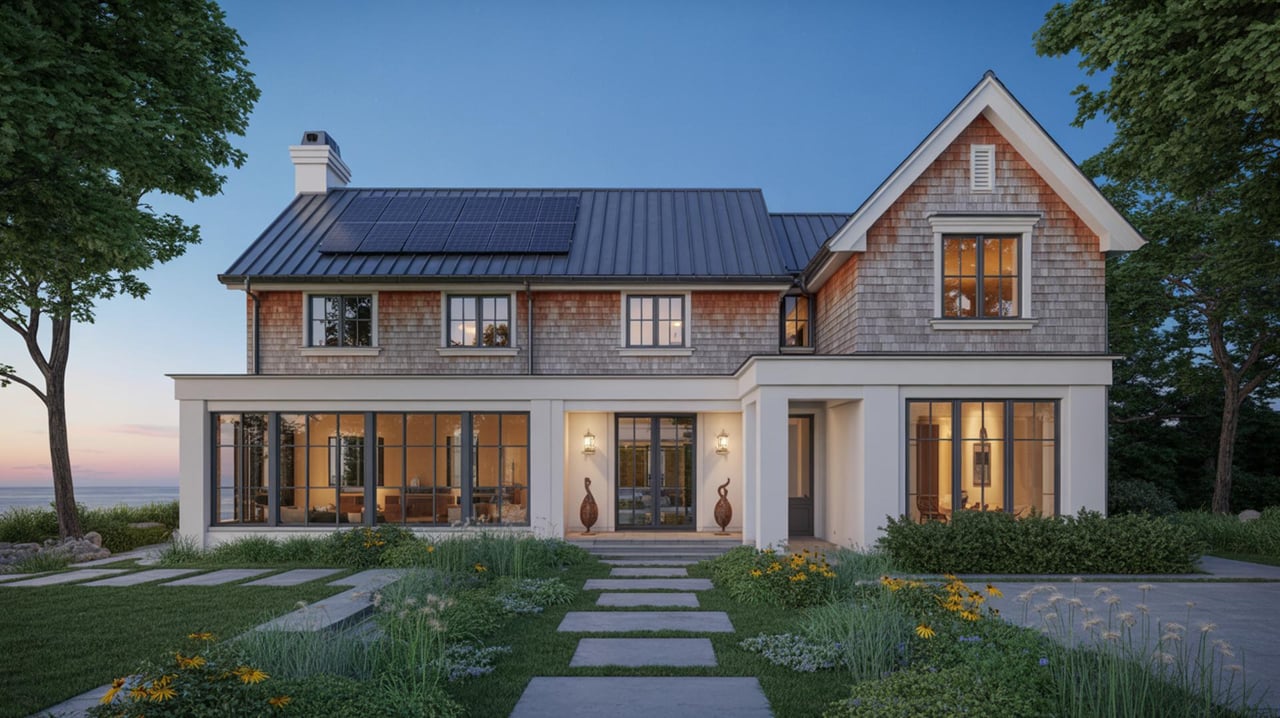
Energy efficiency is possible in a vintage home, but placement matters. Guidance for historic buildings allows energy-efficiency and solar improvements when they do not harm historic character or the building’s site, and it advises against placing solar panels on primary elevations or highly visible roof slopes.
This is a good example of why vintage-home planning should be thoughtful rather than reactive. The goal is not just to add features, but to do it in a way that fits the house.
Due Diligence Before You Buy
Buying a vintage Oak Park home should come with a more detailed review process than you might use for a newer property. Older homes can be rewarding, but they often require a deeper understanding of condition, history, and local rules.
A professional historic-house inspection should cover the roof, chimney, exterior walls, porches, windows, floors, foundation, basements, attics, and core systems. That broader inspection lens can help you separate manageable projects from expensive surprises.
Check for Lead Risk
If the home was built before 1978, lead-based paint should be part of your due diligence. The EPA says older homes are more likely to contain lead paint, and that 87% of homes built before 1940 have some lead-based paint.
The EPA also advises that in pre-1978 homes, the safest approach is to assume lead may be present or to hire a certified inspector. If painted surfaces will be disturbed during renovation, contractors must follow lead-safe work practices when the work meets EPA thresholds.
Research the House History
Oak Park offers unusually useful local records for historic-house research. The Village maintains a historic-resources database with information such as construction date, architect, builder, style, and owner history.
The Village also recommends Sanborn maps, permit records dating back to 1902, the Oak Park Public Library, the Historical Society of Oak Park and River Forest, and Cook County property and title records. If no original building permit is found, the house may predate Oak Park’s 1902 incorporation.
For buyers who love context, this research can be more than interesting. It can help you understand what has changed over time and what may deserve extra care.
Understand Permit and Review Rules
In Oak Park, exterior alterations on historic landmarks and properties in historic districts must be reviewed before a building permit is issued. The Village notes that ordinary maintenance that does not require a permit, such as exterior painting, is not reviewed.
The Village also says interior work or changes not visible from the public right-of-way may qualify for advisory review. Before you assume a project is simple, it is wise to confirm how local rules apply to the specific property you are considering.
Ask About Potential Incentives
The Village says owners of historic buildings may be eligible for tax incentives and maintains a dedicated historic-preservation tax-incentives resource page. If you are comparing renovation scenarios, this is worth exploring early.
An incentive will not change the house itself, but it may affect how you plan and prioritize future work.
How to Buy With Confidence
The strongest Oak Park purchases usually come from balancing emotion with practicality. It is easy to fall in love with millwork, porches, art glass, rooflines, and historic character. It is just as important to understand systems, maintenance, storage, and review requirements before you commit.
A well-bought vintage home can give you architecture, presence, and long-term enjoyment that is hard to replicate. The key is knowing what you are buying, what you may want to preserve, and where smart updates can improve everyday living.
If you are considering an Oak Park home and want experienced, hands-on guidance as you evaluate style, layout, and renovation potential, Cara Buffa offers personal, senior-level representation to help you buy with clarity and confidence.
FAQs
What makes Oak Park vintage homes different from newer homes?
- Oak Park vintage homes often offer distinct architectural styles, original details, and more segmented floor plans, while newer homes typically have more open layouts, larger closets, and modern utility spaces.
What home styles are common in Oak Park, Illinois?
- Common Oak Park vintage-home styles include Late-Victorian houses, American Four Squares, Prairie Boxes, Dutch Colonial Revival homes, Arts & Crafts bungalows, and 1920s Colonial, Classical, and Tudor Revival homes.
What should buyers inspect in an Oak Park historic home?
- Buyers should have a professional inspect the roof, chimney, exterior walls, porches, windows, floors, foundation, basement, attic, and major systems before purchasing a vintage Oak Park home.
What should buyers know about updating an Oak Park vintage home?
- Buyers should plan updates carefully to preserve character-defining features, especially when considering kitchens, baths, mechanical systems, windows, doors, and energy improvements.
What permit rules apply to Oak Park historic properties?
- In Oak Park, exterior alterations to historic landmarks and properties in historic districts must be reviewed before a building permit is issued, while some interior or non-visible changes may qualify for advisory review.
Should buyers research an Oak Park home’s history before purchasing?
- Yes, Oak Park buyers can use the Village’s historic-resources database, permit records, maps, library resources, historical society materials, and Cook County property records to better understand a home’s background.