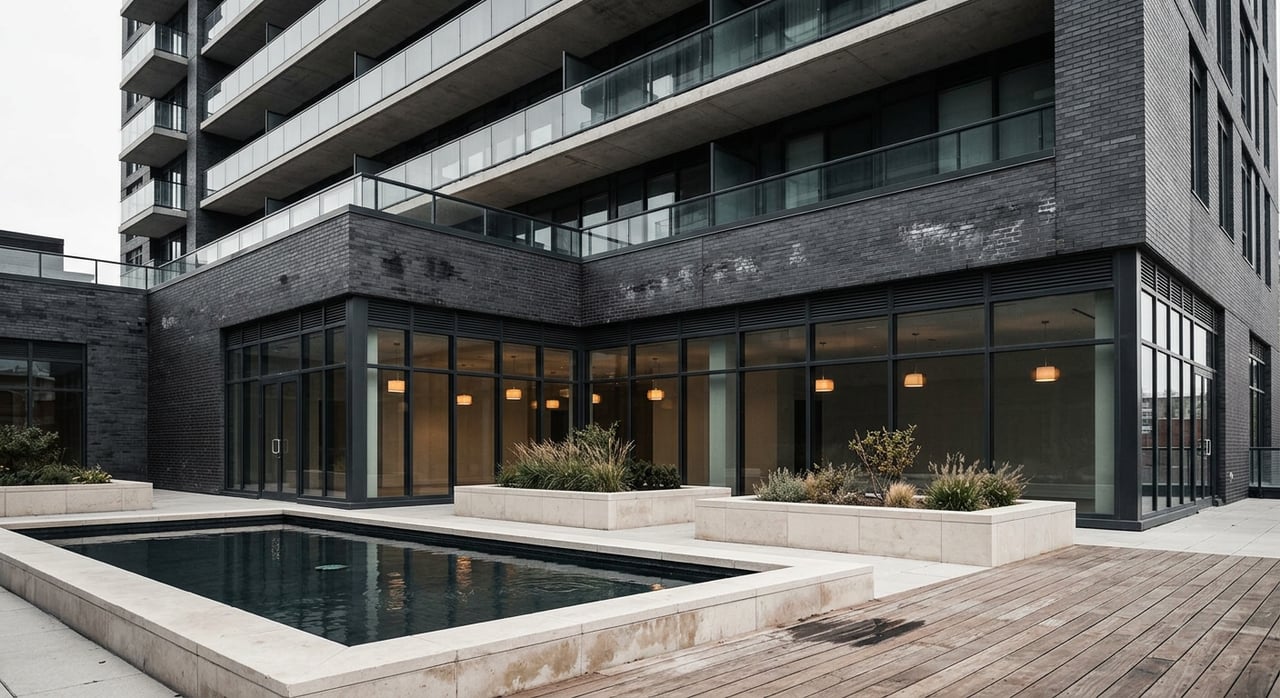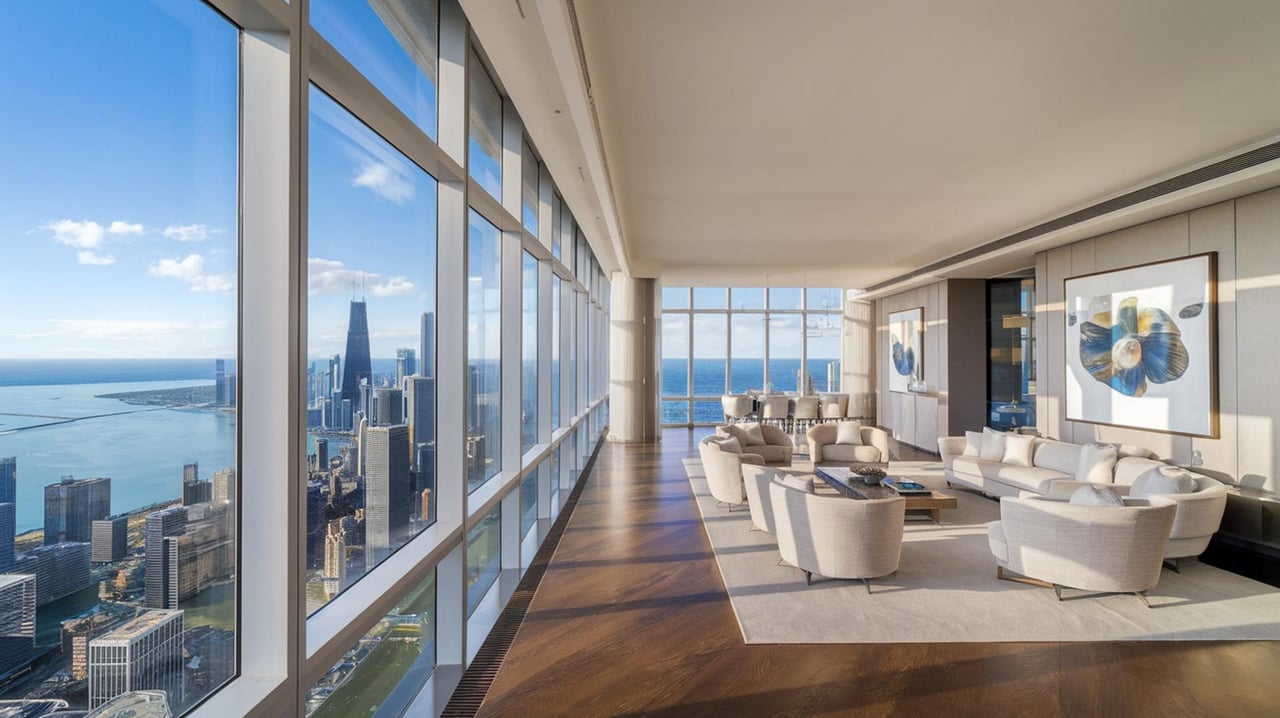
You can fall in love with a Streeterville view in seconds, but the real story of a high-rise lives in its reserve study. If you are buying a condo, you want to know if the association is planning and saving for the repairs you cannot see. With a clear read on the reserve study, you can better predict fees, avoid surprise assessments, and choose a building that fits your budget. Let’s dive in.
Reserve study basics
What it is
A reserve study is a planning report that lists a building’s major common components, estimates their remaining life, and projects the cost to repair or replace them. It also recommends how much the association should save each year to cover those future expenses. In Streeterville high-rises, this includes items like elevators, HVAC and chillers, façades or curtain walls, parking structures, and life-safety systems.
Why it matters
The study shows if the building is saving enough today to handle big-ticket work tomorrow. It helps you gauge the risk of special assessments, sudden HOA increases, or deferred maintenance. It is also a key document lenders consider when evaluating a condo project’s health.
Key numbers to review
Current reserve balance
This is the cash on hand in the reserve account. Compare it to the building’s upcoming projects and the funding plan.
Annual reserve contribution
This is how much the association plans to deposit each year. Strong plans increase contributions over time to match rising costs.
Fully funded balance and percent funded
The fully funded balance is the amount that should be in reserves to meet expected needs based on the component ages. Percent funded equals current reserves divided by the fully funded amount, then multiplied by 100. Industry guidance often views under 30 percent as weak, 30 to 70 percent as fair, and over 70 percent as relatively healthy. These ranges are guidelines, so always weigh them against the building’s age and near-term projects.
5 to 10 year capital plan
Look for large expenses planned in the next few years. Pay close attention to timing for elevators, façade or curtain wall work, HVAC or chillers, and parking garage repairs. Big projects soon with thin reserves increase the chance of a special assessment.
Assumptions and inflation
Reserve studies rely on assumptions about useful life and construction cost increases. Make sure the escalation rate and cost estimates make sense for Chicago labor and materials.
Streeterville high-rise context
Big-ticket systems
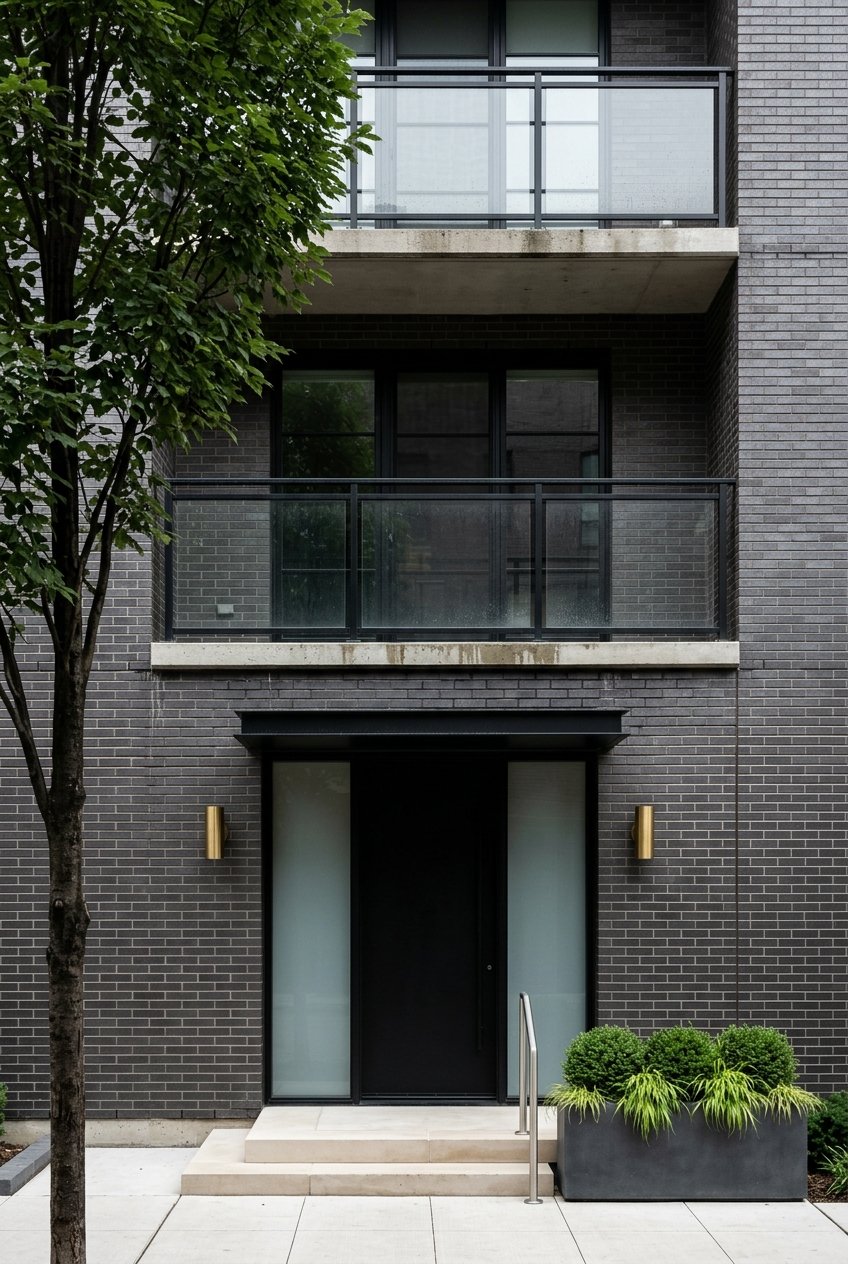
Streeterville towers often have costly systems and amenities. Common drivers include building envelopes or curtain walls, elevator modernizations, central HVAC or chillers, boilers, parking garage structure and waterproofing, and life-safety equipment. Proximity to Lake Michigan can increase wear on exterior components, which is important to factor into timing and costs.
Local factors to verify
Chicago’s building rules require periodic exterior inspections and repairs, so façade work often shows up as a major line item. Insurance market shifts can also affect budgets and reserves. Older towers may face more near-term work, while smaller associations can feel larger per-unit impacts when big projects hit.
Funding levels and lenders
What it means for you
If reserves are low and a major project is coming soon, expect higher risk of special assessments or sharp HOA increases. That affects your monthly budget and your long-term cost of ownership. A well-funded study with a realistic plan supports steadier housing costs.
What lenders look for
Many lenders and secondary-market agencies consider project health, reserve funding, special assessments, and litigation when deciding eligibility. Weak reserves or pending assessments may lead a lender to require a larger down payment, escrow for assessments, or even deny certain loan products that need project approval. Ask early about project eligibility and document requirements.
Financing steps
- Request the latest reserve study and year-to-date financials before you apply.
- Ask your lender whether the project meets their approval standards for your loan type.
- If an assessment is pending, confirm who will pay and what your lender requires before closing.
Quick rules of thumb
- Low percent funded under 30 percent plus a major project due within 1 to 5 years equals high assessment risk. Get details on timing and funding.
- Moderate funding of 30 to 70 percent with no near-term big projects usually means medium risk and planned, gradual HOA increases.
- Over 70 percent with no major work soon often signals lower near-term risk. Still verify the study’s age and assumptions.
- Check reserve dollars per unit to compare buildings. There is no universal target, but very low per-unit reserves combined with low percent funded is a warning sign.
Documents to request
- Latest reserve study, including the funding plan and date of last physical inspection.
- Year-to-date financials and reserve account statements.
- Current annual budget and assessment schedule.
- Board meeting minutes for the last 12 to 24 months.
- List of capital projects completed in the past 10 years with funding sources.
- Records of any special assessments, approved or proposed.
- Bylaws and any reserve funding policies.
- Insurance declarations and coverage details.
- Engineering and inspection reports, including façade or elevator reports.
- Litigation disclosures and status.
- Occupancy and rental percentage.
Questions to ask the association
- When was the last physical reserve inspection, and who completed it?
- What is the current reserve balance and the fully funded amount? What percent funded is the building today?
- What is the funding policy, and is the board following it?
- Have there been special assessments in the last 10 years? For what and how often?
- What major projects are expected in the next 1 to 5 years, and how will they be paid for?
- Has the City of Chicago issued any code or façade compliance notices?
- Are any insurance or warranty claims pending that could affect finances?
- What percentage of owners are current on assessments?
Red flags to watch
- Missing key components in the study, such as curtain wall, elevator modernization, or parking garage work.
- A “pay as you go” plan with no cumulative savings.
- Big projects in 1 to 5 years with low reserves and no contingency plan.
- Optimistic assumptions about long useful lives or low costs compared with local conditions.
- A study older than 3 to 5 years or prepared without a recent physical inspection.
- Repeated deferral of reserve contributions or frequent large draws with no replenishment plan.
Use the findings to negotiate
- If significant near-term work is identified, request a seller credit, escrow, or prepayment of any assessment before closing.
- Ask for written documentation of the association’s plan and any upcoming votes.
- If the building is underfunded but you still want the unit, consider a higher down payment or a contract contingency if a major assessment is approved before closing.
- Engage your lender early so you understand project documentation needs and loan options.
Bottom line for Streeterville buyers
A reserve study is your best window into a building’s long-term plan. Focus on percent funded, the timing of the next 5 to 10 years of work, and whether the study reflects Chicago-specific costs and code compliance. With the right questions and documents, you can choose a Streeterville home that fits your lifestyle and your budget.
Ready to evaluate a specific building or compare two short-list options? Work directly with a seasoned local advisor who can request the right documents, interpret funding plans, and guide smart negotiations. Connect with Cara Buffa for a personal walkthrough of your target buildings in Streeterville and beyond.
FAQs
What is a condo reserve study and why should I care?
- It is a planning report that estimates when major building systems will need work and how much to save, helping you anticipate assessments and HOA increases.
How do I know if reserves are “healthy” in a high-rise?
- Many specialists view over 70 percent funded as relatively healthy, 30 to 70 percent as fair, and under 30 percent as weak, but always compare to near-term projects.
What Streeterville-specific costs should I watch for?
- Look for curtain wall or façade work, elevator modernizations, central HVAC or chiller replacements, parking garage repairs, and life-safety upgrades.
How can a weak reserve position affect my mortgage?
- Lenders may ask for more documentation, require escrows or down payment adjustments, or limit certain loan programs if project health is weak.
What should I request from the association before I apply for a loan?
- Ask for the latest reserve study, YTD financials, budget, minutes, special assessment records, insurance, inspection reports, and occupancy data.