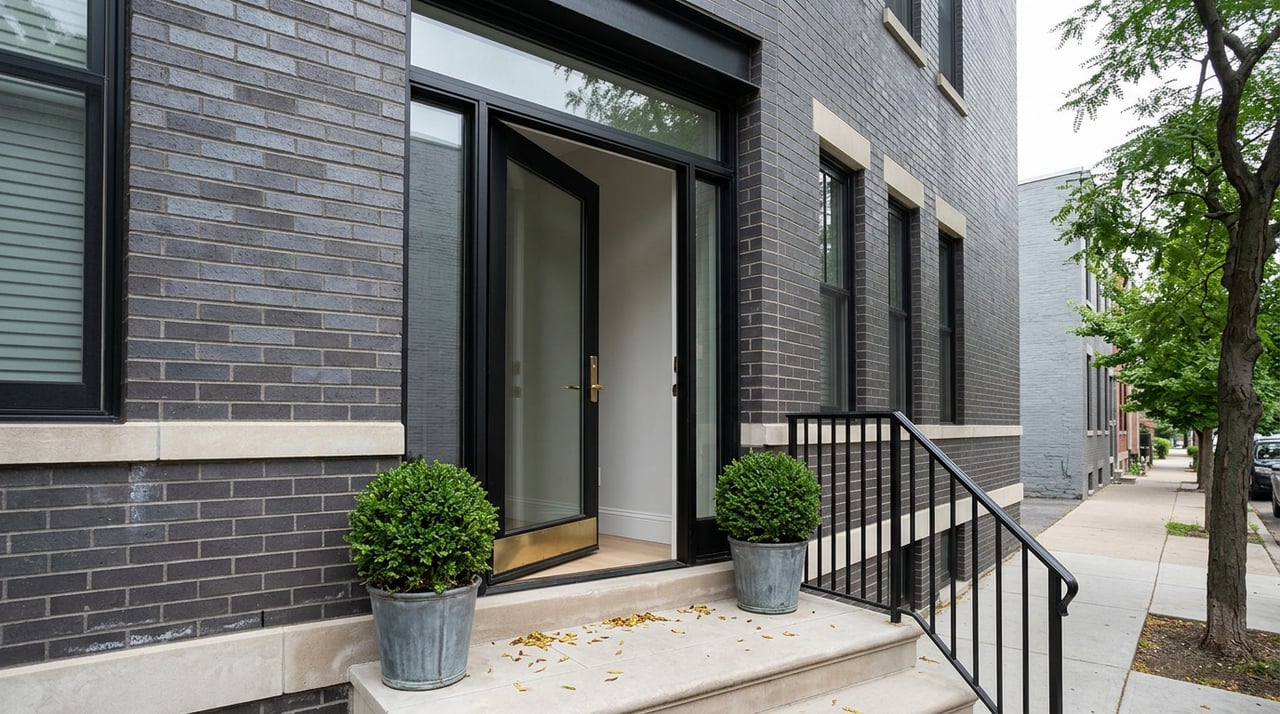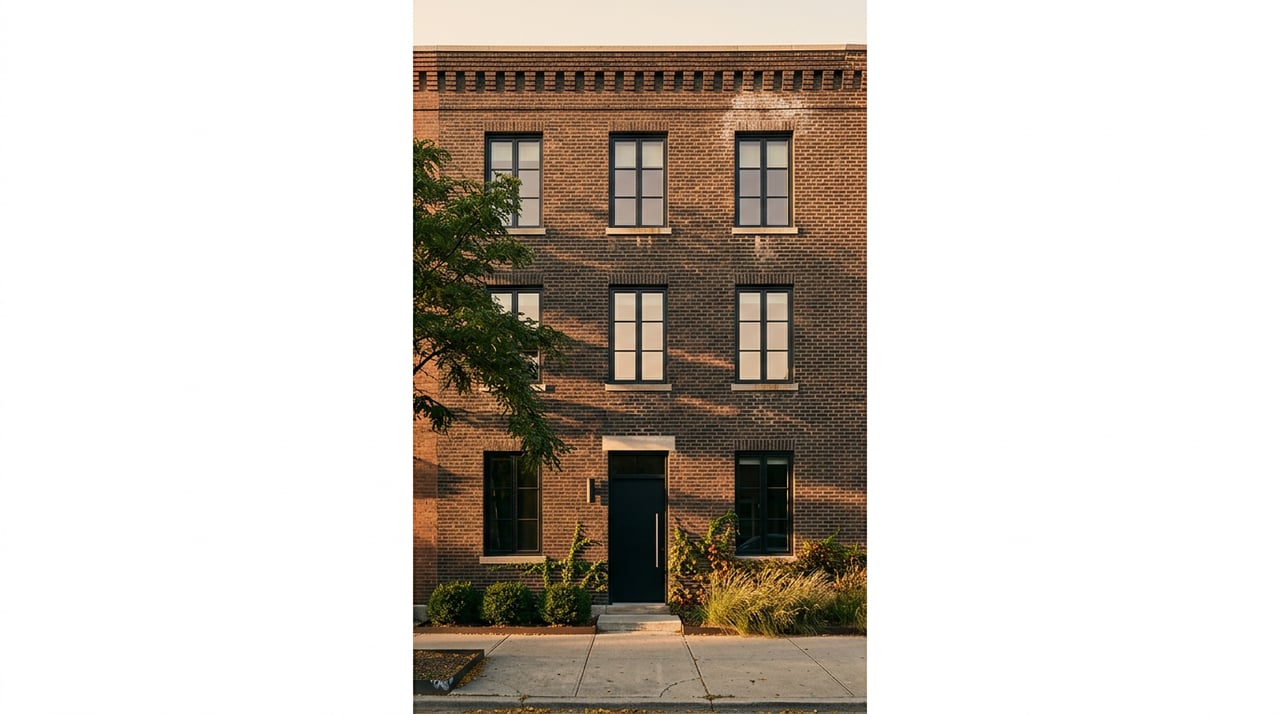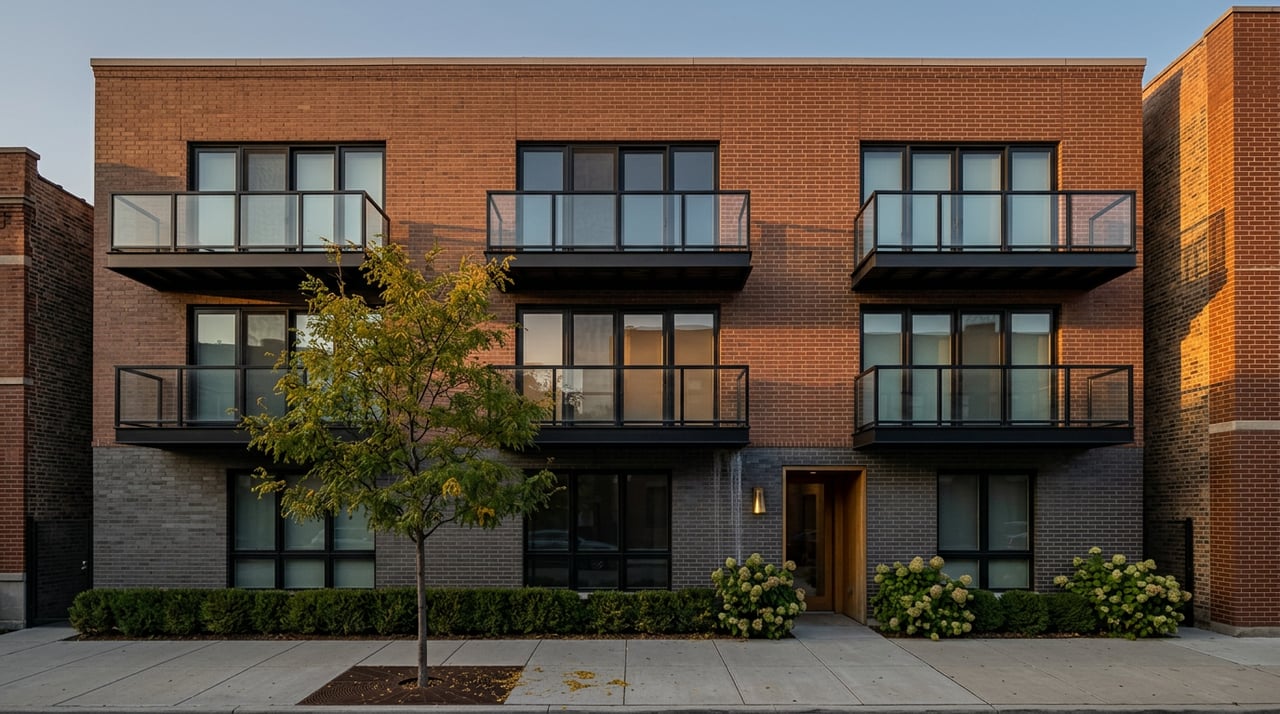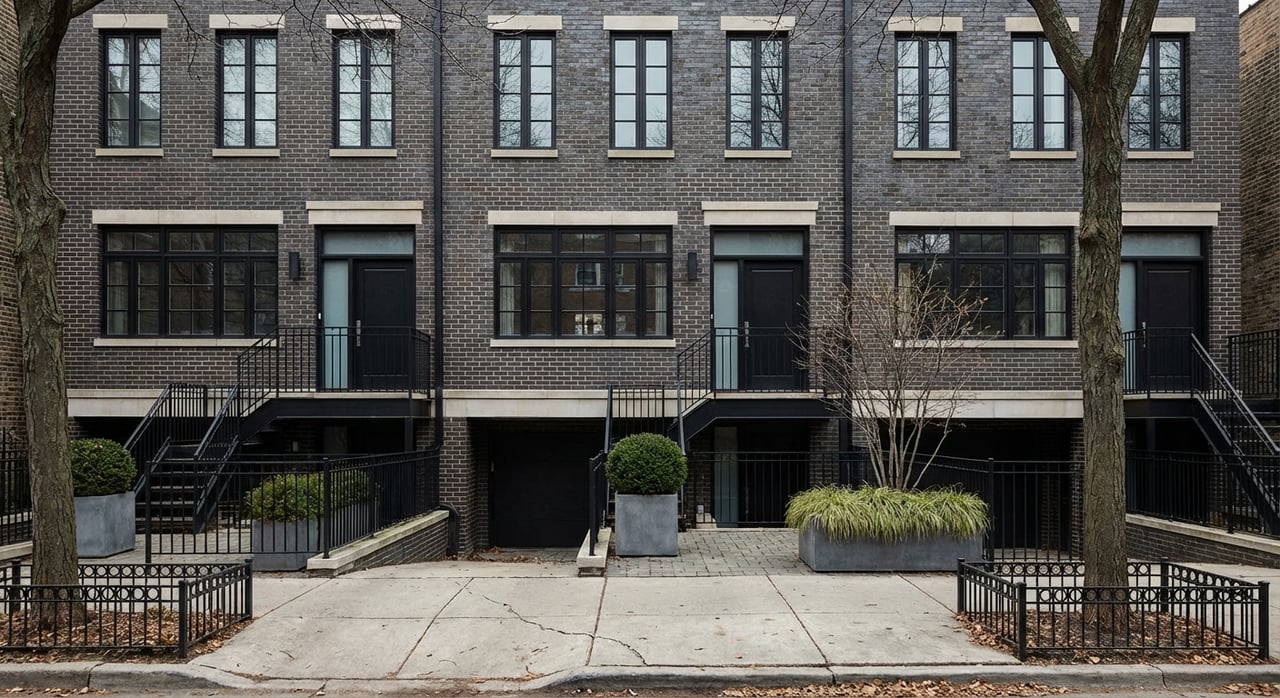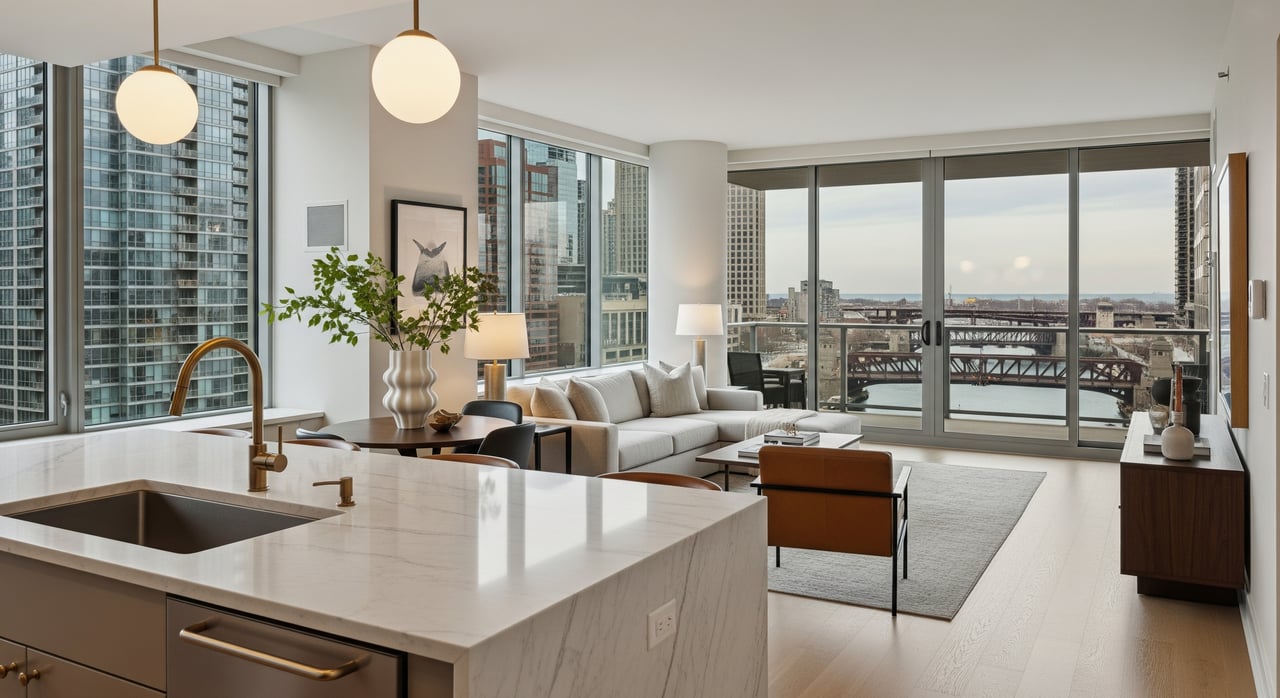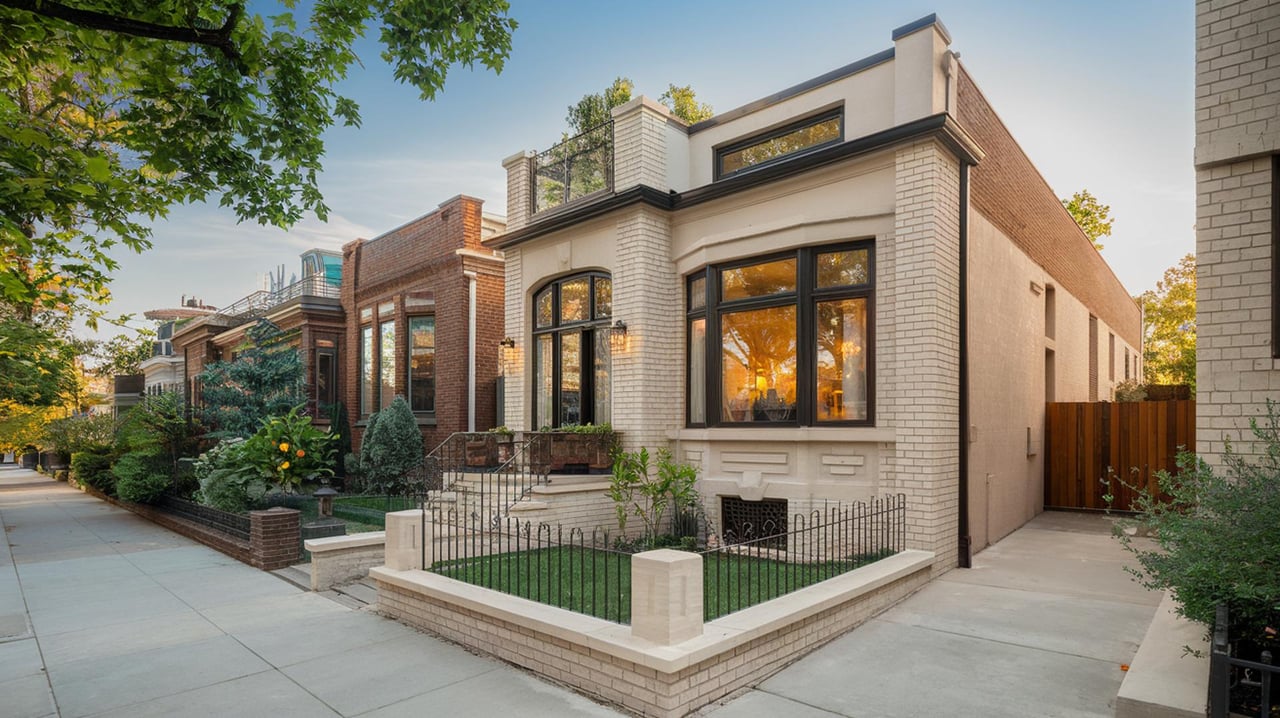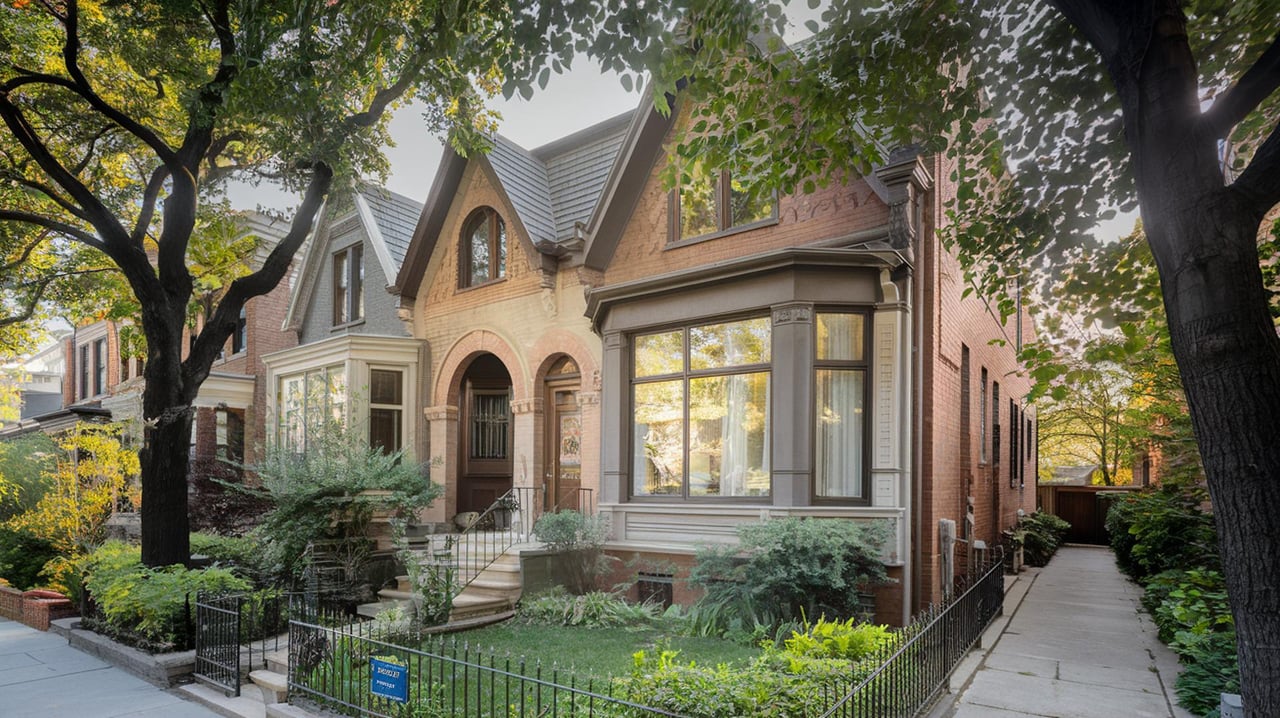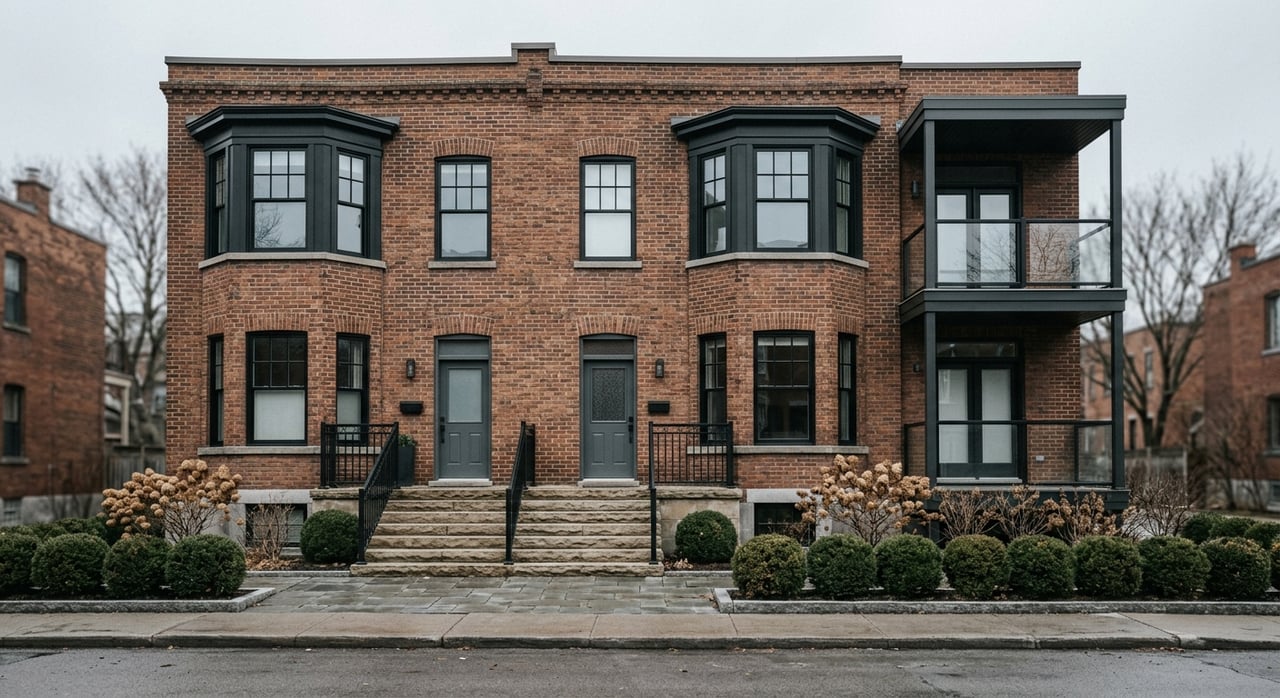
If you are looking for a small multifamily property in Chicago, North Center deserves a closer look. This is one of those neighborhoods where the housing stock, transit access, and mix of renters and owners create real opportunity for buyers who want both flexibility and long-term appeal. Whether you are thinking about a live-in two-flat, a classic three-flat, or a hold-for-income property, understanding the local building mix can help you make a smarter move. Let’s dive in.
Why North Center stands out
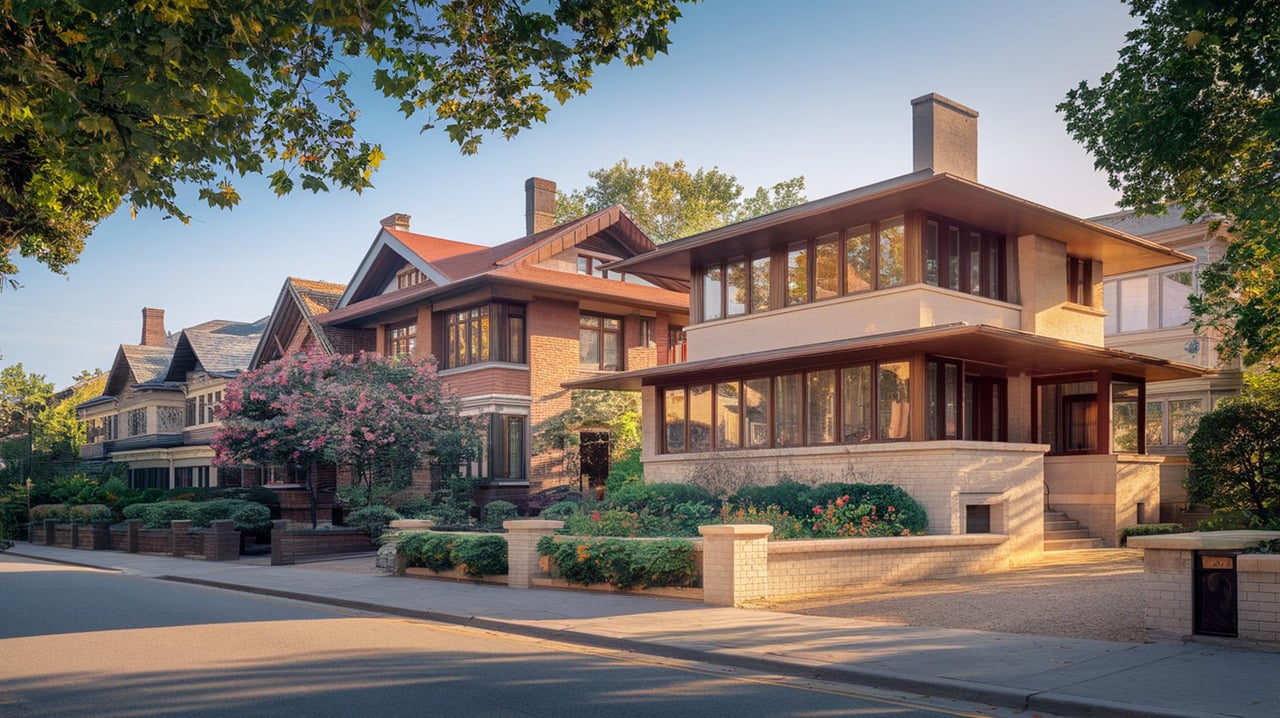
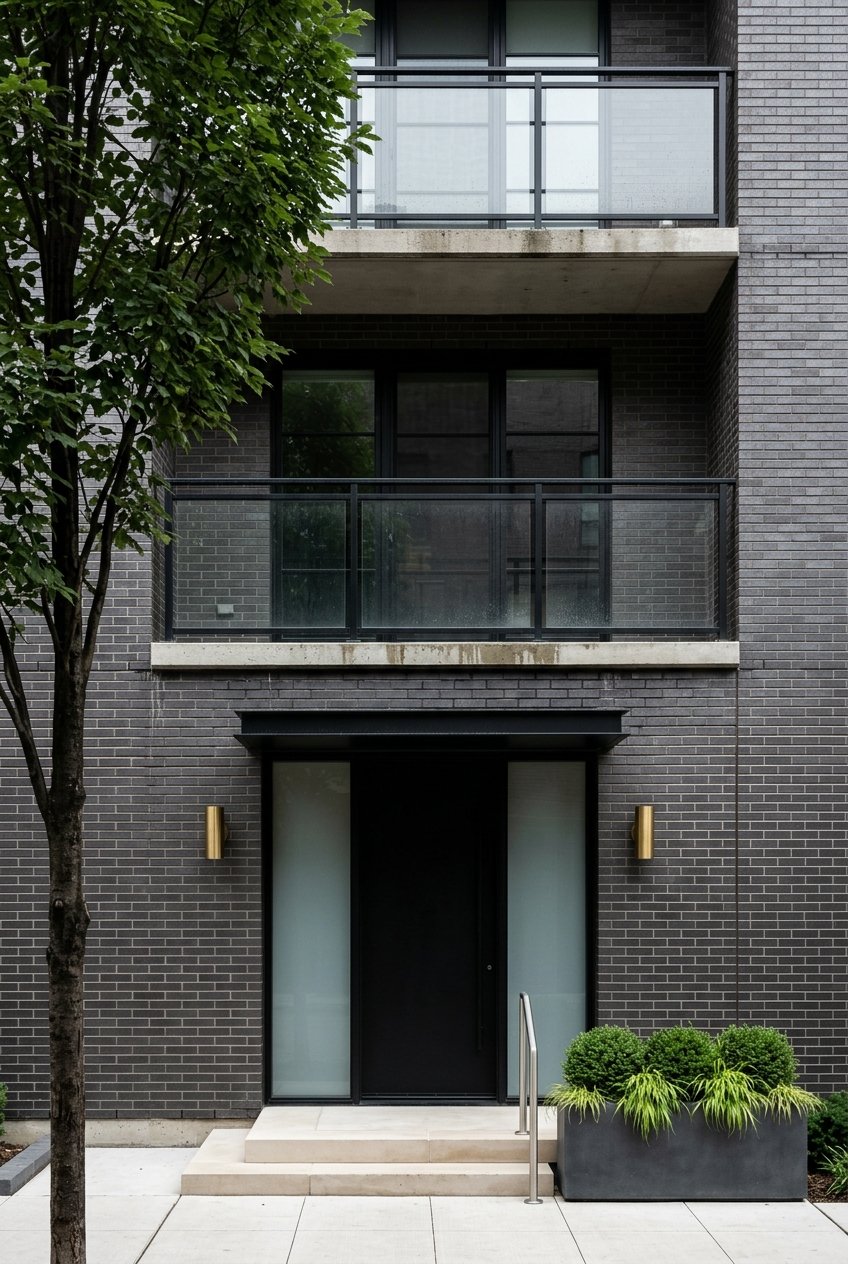
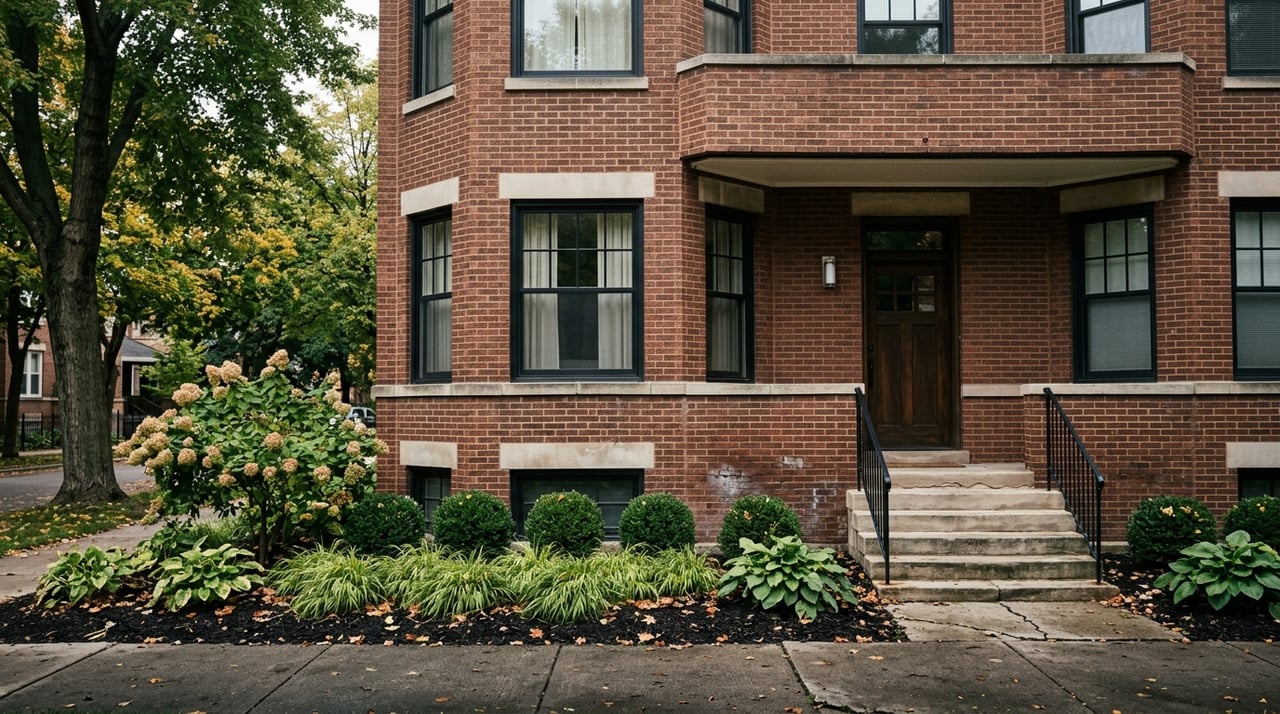
North Center has the kind of housing mix that naturally supports small multifamily ownership. According to CMAP’s July 2025 snapshot based on 2019 to 2023 ACS estimates, 17.6% of housing units are in 2-unit buildings and 24.5% are in 3- or 4-unit buildings. Together, that means 42.1% of the housing stock is in 2-4 unit properties.
That is a meaningful number if you want options beyond a single-family home or a large apartment building. It points to a neighborhood where small buildings are a real part of the landscape, not a niche product that rarely comes to market. In practical terms, that can create opportunities for both investors and owner-occupants.
North Center also has strong household fundamentals. CMAP reports 35,408 residents and 14,666 households, with a median household income of $145,157. The area also shows a relatively balanced tenure mix, with 56.1% owner-occupied units and 43.9% renter-occupied units.
What makes small multifamily appealing here
A small multifamily property can give you more than one path forward. You might live in one unit and rent the others, hold the building as an income property, or buy with a future resale strategy in mind. North Center’s combination of owner occupancy, household income, and established housing stock supports that kind of flexibility.
This matters because not every neighborhood works equally well for a 2-flat or 3-flat strategy. In North Center, the data suggests a broader base of potential future buyers and renters than you might find in a market that leans heavily in just one direction. That can be helpful if your plans change over time.
A market for owner-occupants and investors
North Center does not read as a one-note rental market. The owner-occupancy rate is higher than Chicago overall, which helps support demand from buyers who want to live in the neighborhood long term. At the same time, the renter share remains large enough to make income-producing layouts relevant.
For many buyers, that creates a sweet spot. You can look at a building not just for what it is today, but for how it may serve you over the next five to ten years.
Unit sizes fit real-life needs
The local unit mix is another reason North Center stands out. CMAP reports that 2-bedroom units make up 37.2% of the housing stock, while 3-bedroom units account for 24.6%. By comparison, 0- or 1-bedroom units make up 17.9%.
That tells you something important about the neighborhood’s layout preferences. North Center is not just a small-unit market. Larger floor plans are common here, which can support a range of uses, from roommate setups to guest space to work-from-home needs.
Demand signals worth watching
When you evaluate a small multifamily building, it helps to think beyond the property itself. You also want to understand who is likely to live there and why the area works for them.
North Center shows a household profile that supports varied housing demand. CMAP reports that 30.7% of households are one-person households, 33.1% are two-person households, and 23.2% have four or more people. That mix can support demand for both compact and larger units within the same neighborhood.
Work-from-home layouts matter
Remote and hybrid work have changed what buyers and renters value. In North Center, 34.0% of workers work from home, according to CMAP. The same source reports that 96.8% of occupied housing units have internet access and 94.8% have a broadband subscription.
For small multifamily buyers, that makes layout more important than ever. A second or third bedroom may function as more than sleeping space. It can become an office, workout room, or flexible bonus area that helps a unit compete more effectively.
Transit still adds everyday value
North Center also benefits from strong Brown Line access. CTA’s route and station information shows neighborhood stations at Montrose, Irving Park, Addison, Paulina, and Southport. Those stops help connect much of the area to downtown and to neighborhood commercial corridors.
That does not guarantee a pricing premium for every property. But it does support practical day-to-day convenience, which matters to both renters and owner-occupants. For a small multifamily buyer, that kind of accessibility can widen the pool of people who find a property appealing.
What to know about the housing stock
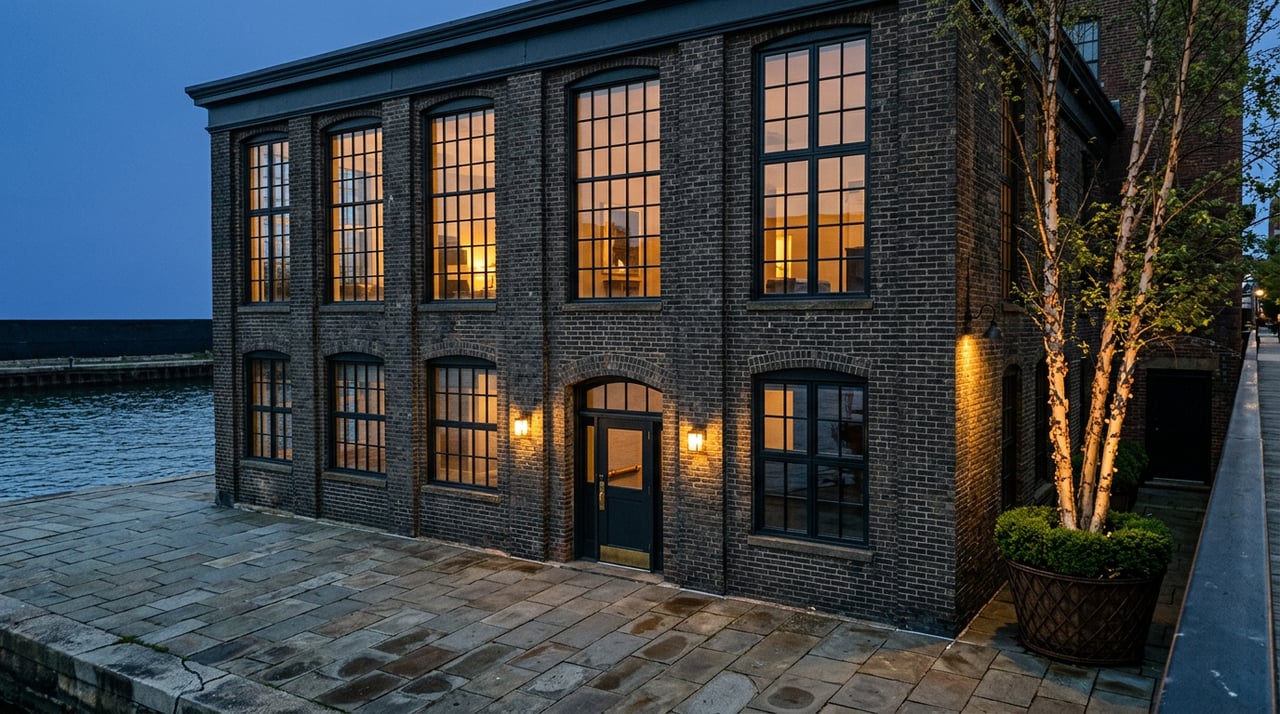
One of the biggest strengths of North Center is also one of the main things to underwrite carefully. Much of the housing inventory is older. CMAP reports that 51.3% of units were built before 1940, and the median year built is 1939.
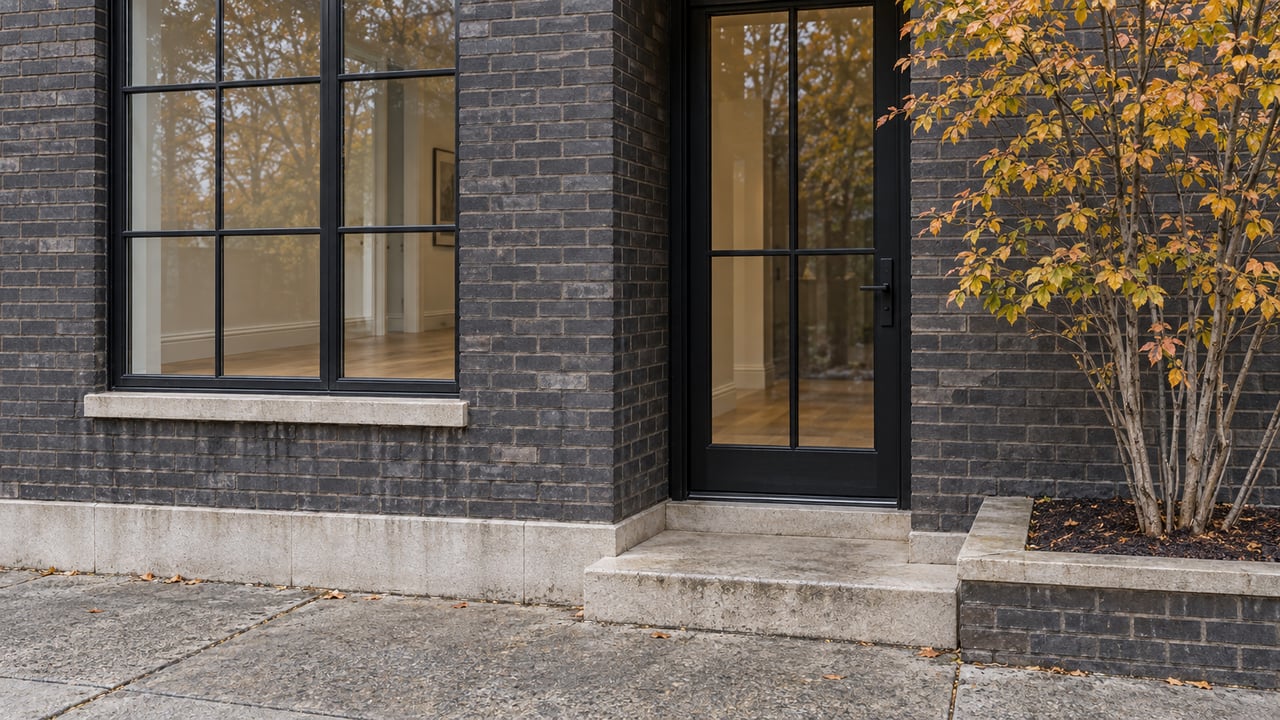
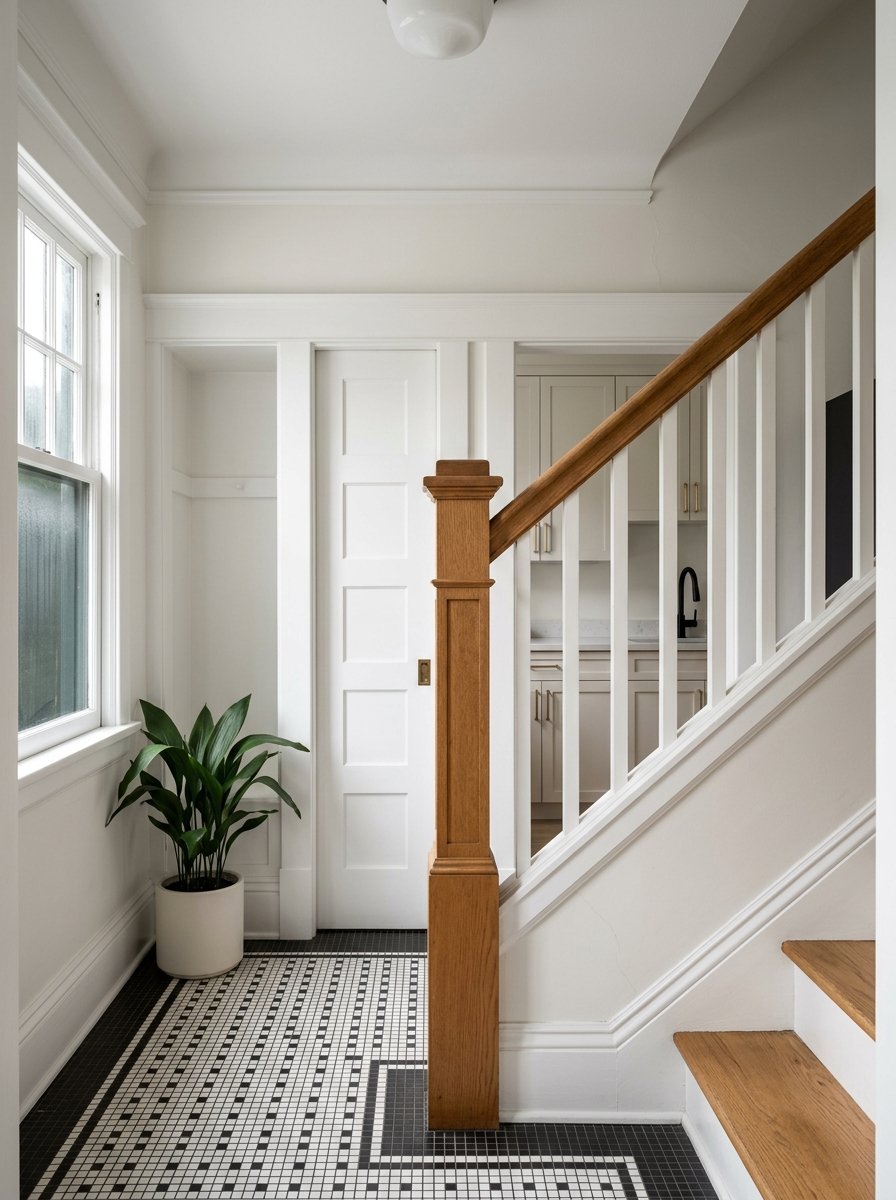
That older building stock is part of the neighborhood’s appeal, but it also means condition can vary widely from one property to the next. Two buildings on the same block may look similar from the outside and perform very differently once you start reviewing systems, layouts, and maintenance history.
Older buildings need realistic budgeting
With vintage buildings, it is smart to leave room in your numbers for surprises. Older mechanical systems, electrical updates, plumbing work, insulation improvements, and basement or attic questions can all affect your budget. The neighborhood’s age profile does not mean every property needs major work, but it does mean due diligence matters.
This is especially true if your strategy depends on renovations or future repositioning. A clean underwriting approach should account for repair and upgrade costs before you assume a property is a straightforward value-add play.
Zoning is parcel-specific
In Chicago, zoning research should never stop at the neighborhood level. The City of Chicago’s zoning map help page makes clear that zoning information is too detailed to review accurately at a broad city or neighborhood scale. The city instructs users to search by address, PIN, or intersection.
For North Center buyers, that means an attractive building still needs parcel-level verification. If you are evaluating unit count, expansion ideas, or redevelopment potential, the next step is always to confirm the exact zoning tied to that property.
Do not assume one building matches the next
This is a common mistake in small multifamily searches. Buyers see a pattern on the block and assume a similar building next door has the same zoning or use potential. In Chicago, that can lead to expensive misunderstandings.
A disciplined approach is better. Once you identify a promising property, verify the parcel details early so your strategy is based on facts, not assumptions.
How to think about opportunity in North Center
North Center can make sense for several kinds of small multifamily buyers. The right fit depends on your goals, timeline, and comfort with older housing stock.
Here are a few common ways buyers may approach the neighborhood:
- Live-in ownership: Buy a 2-flat or 3-flat, occupy one unit, and use rental income from the others to offset housing costs.
- Long-term hold: Acquire a well-located small building and focus on steady occupancy and long-term appreciation potential.
- Reposition and resale: Improve condition, update layouts where appropriate, and market later to another owner-occupant or investor.
What ties these strategies together is flexibility. North Center’s mix of transit access, household income, owner occupancy, and established 2-4 unit inventory gives buyers more than one possible exit path.
Why local guidance matters
Small multifamily purchases are rarely just about square footage and rent potential. In a neighborhood like North Center, the details matter. Building age, unit configuration, parcel-specific zoning, and block-by-block location can all shape whether a property truly fits your goals.
That is where experienced local guidance can make a real difference. When you work with someone who understands Chicago’s small-building landscape, you are better positioned to spot not just what looks promising online, but what holds up under closer review.
If you are considering a two-flat, three-flat, or four-unit property in North Center, working directly with Cara Buffa can help you evaluate the opportunity with clarity and confidence.
FAQs
What makes North Center a good place to look for small multifamily properties?
- North Center has a large share of 2-4 unit housing, with 42.1% of units in 2-unit or 3- to 4-unit buildings, according to CMAP.
What unit sizes are common in North Center small multifamily buildings?
- In North Center, 2-bedroom units are the most common at 37.2%, followed by 3-bedroom units at 24.6%, based on CMAP data.
What should buyers know about older multifamily buildings in North Center?
- More than half of North Center’s housing units were built before 1940, so buyers should budget carefully for possible updates to systems, insulation, and other building components.
How important is CTA access for North Center multifamily buyers?
- CTA Brown Line stations at Montrose, Irving Park, Addison, Paulina, and Southport add practical accessibility for both owner-occupants and renters in many parts of the neighborhood.
How should buyers research zoning for a North Center multifamily property?
- The City of Chicago says zoning should be checked by specific address, PIN, or intersection, so buyers should verify zoning at the parcel level before making assumptions about use or expansion potential.